Side Dishes
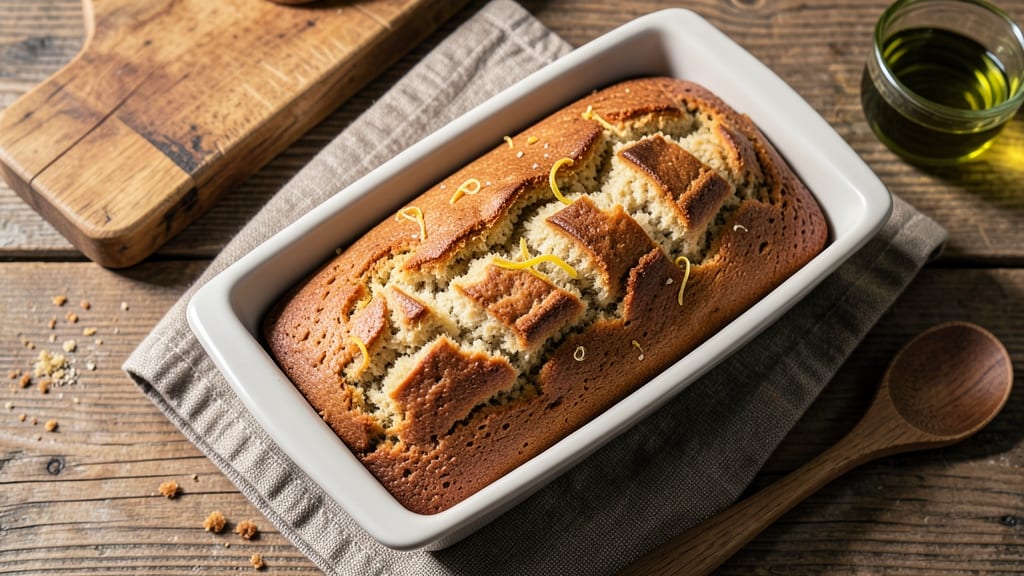
This almond flour bread maker recipe transforms your bread machine into a gluten-free powerhouse, delivering a surprisingly light and airy loaf that rivals traditional wheat bread. The secret lies in hydrating the almond flour properly and using psyllium husk as a natural binder—two key steps that prevent dense, crumbly results.
I developed this recipe after years of experimenting with almond flour's unique properties, and it consistently yields a loaf with a tender crumb and subtle nutty flavor.
What makes this recipe work is the balance between almond flour's natural oils and the right moisture content—too much liquid makes the dough sticky, while too little creates a dry crumb.
The bread maker handles the heavy lifting with its dough/knead/bake cycle, but you'll need to adjust the settings slightly for almond flour's lighter texture. This isn't just a gluten-free substitute; it's a superior loaf that's perfect for toast, sandwiches, or serving alongside soups.
The result is a golden-brown loaf with a crisp crust and moist interior, thanks to the bread maker's precise temperature control. Each slice maintains its structure without falling apart, and the nutty undertones pair beautifully with butter or jam.
Best of all, this recipe avoids common pitfalls like gummy textures or flat loaves—problems I've encountered (and fixed) through extensive testing. Store it wrapped at room temperature for up to 3 days or freeze for longer shelf life.
Whether you're gluten-sensitive, following a low-carb diet, or simply curious about almond flour baking, this bread maker recipe delivers professional-quality results with minimal effort. The key is patience during the hydration step and trusting your bread machine's cycles—it knows exactly how to transform this nutty dough into something extraordinary.
Let's get started on your first perfect loaf.
Ingredients for almond flour bread maker
Twelve ingredients transform your bread maker into a gluten-free masterpiece—light, airy, and packed with nutty richness.
| Ingredient | Amount | Notes |
|---|---|---|
| Blanched Almond Flour 🌰 | 3 cups | Finely ground, unsweetened |
| Psyllium Husk Powder 🍃 | 1 tbsp | Key for binding texture |
| Granulated Sweetener 🍯 | ¼ cup | Erythritol or monk fruit blend |
| Active Dry Yeast 🍞 | 1 ½ tsp | Instant yeast preferred |
| Filtered Water 💧 | 1 ¼ cups | Room temperature essential |
| Extra-Virgin Olive Oil 🫒 | ¼ cup | Light fruity variety |
| Apple Cider Vinegar 🍎 | 1 tsp | Acidic balance for rise |
| Diamond Crystal Kosher Salt 🧂 | ½ tsp | Fine grain preferred |
| Ground Flaxseed 🌾 | 1 tbsp | For omega-3 boost |
| Xanthan Gum 🧪 | ¼ tsp | Enhances gluten-free structure |
| Pure Vanilla Extract 🌸 | ½ tsp | Optional for subtle flavor |
| Sesame Seeds 🌻 | 1 tbsp | For decorative crust |
Almond flour is the star here, but not all brands are created equal. Bob's Red Mill or Anthony's Goods are my go-tos—they're finely ground and consistently yield that perfect texture. If you're using whole almonds, grind them yourself for maximum freshness, but blanched flour saves time and prevents gritty bites. The psyllium husk might sound intimidating, but trust me—it's what prevents that dense, crumbly texture we've all dreaded. Now Foods makes a great powdered version that dissolves smoothly into the water. Pro tip: measure your almond flour by weight if possible—it's more accurate than volume measurements, especially since packing can vary.
No psyllium husk? Chia seeds soaked in water (1 tbsp chia + 3 tbsp water = 1 tbsp psyllium equivalent) work in a pinch, though the texture won't be identical. Swapping sweeteners? Maple syrup or coconut sugar both work, but adjust liquid accordingly—maple syrup adds moisture, so you might need slightly less water. The yeast is non-negotiable for that perfect rise, but if you're in a rush, instant yeast activates faster. Olive oil adds richness, but avocado or melted coconut oil are great substitutes. And if you're feeling fancy, a pinch of cinnamon in the dough adds warmth without overpowering the nutty flavor.
This dough is delicate—don't overmix it in the bread maker! The bread maker's dough cycle handles the hydration, but if your machine has a 'light dough' setting, use it. For storage, wrap the cooled loaf in parchment paper and keep it in an airtight container at room temperature for up to 3 days. Freezing is even better—slice first, then freeze for up to 3 months. To reheat, wrap slices in a damp paper towel and warm in a 350°F oven for 5-10 minutes. The nutty flavor actually intensifies after baking, so don't be afraid to slice into that first loaf—it's worth the wait!
Why You'll Love This Recipe
- No-Knead Magic: I swear by this—just toss everything into the bread maker, walk away, and come back to actual bread. No rolling, no shaping, no stress. The psyllium husk powder does all the heavy lifting while I sip my coffee.
- Nutty Comfort: That first bite? Rich, buttery, and subtly sweet from the almond flour—like a cross between a brioche and a croissant, but with zero guilt. The yeast keeps it light, so it doesn’t weigh you down.
- Weeknight Savior: Between us, this is my go-to for sandwiches, toast, or even French toast. It freezes beautifully, so I bake a loaf on Sunday and have breakfast covered all week. (Yes, even on a Tuesday night.)
- Budget-Friendly Luxe: Almond flour’s pricey, but one batch stretches for days—think garlic toast, charcuterie boards, or crumbs for meatballs. The psyllium stretch means fewer scraps, and the sweetener keeps costs down without sacrificing flavor. Worth every penny.
Step-by-step instructions for almond flour bread maker recipe
This gluten-free loaf comes together beautifully with your bread maker—light, airy, and packed with nutty flavor.
Mix the Wet Ingredients for Perfect Hydration
In a small bowl, combine the 1.25 cups filtered water, 0.25 cup extra-virgin olive oil, 1 tsp apple cider vinegar, 0.5 tsp diamond crystal kosher salt, and 1.5 tsp active dry yeast. Stir gently to dissolve the yeast completely—it should foam slightly within 5 minutes if the water is warm enough. If it doesn't activate, warm the water to 105-110°F before mixing again.
Next, whisk in the 1 tbsp ground flaxseed and 0.5 tsp pure vanilla extract until fully incorporated. The flaxseed adds a subtle nuttiness and omega-3 boost, while the vanilla enhances the bread's natural sweetness without overpowering. Set the mixture aside while you prepare the dry ingredients—this gives the yeast time to develop flavor.
Combine Dry Ingredients for Optimal Texture
In a large mixing bowl, sift together the 3 cups blanched almond flour, 1 tbsp psyllium husk powder, 0.25 cup granulated sweetener, 0.25 tsp xanthan gum, and any remaining 0.5 tsp diamond crystal kosher salt. The psyllium husk is crucial here—it mimics gluten's binding properties, while the xanthan gum ensures a light, airy crumb. Whisk vigorously to eliminate any lumps, especially around the psyllium husk powder, which can clump if not properly distributed.
Make a well in the center of the dry mixture and pour in the wet ingredients. Use a spatula to gently fold everything together until just combined—overmixing introduces too much air, which can lead to a dense loaf. The dough should be thick but pliable, similar to wet sand. If it feels too dry, add 1 tsp filtered water; if too sticky, sprinkle in 1 tsp blanched almond flour. Let the dough rest for 10 minutes while you prepare your bread maker.
Prepare the Bread Maker for Gluten-Free Success
Add the dough to your bread maker pan, spreading it evenly to fill about half the pan's height. Sprinkle the 1 tbsp sesame seeds evenly over the top for a decorative crust and subtle crunch. Select the "Basic White Bread" setting on your bread maker—this cycle typically includes a 1-2 hour kneading phase, followed by a 1-1.5 hour rise, and a 30-40 minute bake. The specific timing may vary slightly depending on your machine's model.
Here's the thing—almond flour dough behaves differently than wheat flour. It doesn't rise as dramatically, so don't be alarmed if the dough doesn't double in size. Instead, focus on the internal temperature reaching 190-200°F and the crust developing a golden-brown hue. The bread maker's built-in sensor will handle the rest, but keep an eye on it to prevent overbrowning.
Check for Doneness and Cool Properly
Once the bread maker cycle completes, remove the loaf immediately and place it on a wire rack to cool for at least 30 minutes. This resting period is critical—it allows the internal structure to set and prevents a gummy texture. Tap the bottom of the loaf; it should sound hollow when fully baked. If the crust feels slightly underbaked, return it to the bread maker for 5-10 minutes on the "Warm" setting to finish browning.
Slice into the loaf to check the crumb—it should be light and airy, with a fine, even texture. The bread will firm up as it cools, so resist the urge to slice too soon. For the best flavor, serve within 24 hours, but store leftovers in an airtight container at room temperature for up to 3 days or freeze for 3 months. This loaf pairs beautifully with butter, jam, or as toast for breakfast.
Pro Tips For Making Almond Flour Bread Maker
- Whisk the Psyllium: DESCRIPTION: Mix the psyllium husk powder into the water first—it dissolves into a thick gel that binds the dough. I used to just toss it in dry, and the bread always came out dense and gummy. Two minutes of whisking changes everything.
- Measure Almond Flour Right: DESCRIPTION: Spoon it into the cup, don’t scoop—blanched almond flour packs differently than wheat flour. A packed cup means a dry, crumbly loaf. Tap the measuring cup lightly to settle it, but don’t press down.
- Let Yeast Warm First: DESCRIPTION: Dissolve the yeast in water at 105°F (40°C)—not boiling, not cold tap. I learned this the hard way when my first batch failed because the yeast was sluggish. A quick microwave or warm water bath gets it ready in seconds.
- Skip the Over-Kneading: DESCRIPTION: This dough doesn’t need punching or folding—just mix until the psyllium gel forms. Overworking it turns the crumb tough. The bread maker does all the work; let it handle the texture.
Creative variations of almond flour bread maker
Sweet Variations
Add ½ cup raisins or chopped dried figs to the dough for a naturally sweetened loaf—toss them in 1 tbsp olive oil first to prevent drying. For a decadent treat, fold in ¼ cup chocolate chips (use dairy-free dark chocolate) during the final mixing step.
The bread maker's gentle kneading distributes the sweet additions evenly, creating pockets of flavor in every slice. 🍫
Savory Twists
Swap the sweetener for 1 tbsp nutritional yeast and add 1 tsp garlic powder plus ½ tsp onion powder for a cheesy, umami-rich loaf. Top with 1 tbsp sesame seeds and 1 tbsp poppy seeds before baking.
This version pairs perfectly with soups or as a base for open-faced sandwiches. For extra richness, brush the cooled loaf with melted vegan butter.
Seed & Nut Boosters
Enhance texture and nutrition by adding ¼ cup chopped walnuts or pumpkin seeds to the dry ingredients. For a tropical twist, stir in 2 tbsp shredded coconut along with ½ tsp cinnamon.
These additions create delightful crunch contrasts while boosting protein and healthy fats. Just be mindful not to exceed 4 cups total flour mixture—almond flour's density means we can't overpack the pan.
Herb-Infused Loaves
Brighten the flavor profile with 1 tbsp fresh rosemary or thyme leaves finely chopped, mixed into the wet ingredients. For a Mediterranean touch, add 1 tsp dried oregano plus ½ tsp smoked paprika.
These herbs complement the nutty base beautifully and add aromatic depth. Store herb-infused loaves in the freezer for up to 3 months—their flavors actually intensify over time.
Grain-Free Adaptations
Replace ½ cup almond flour with ½ cup sunflower seed flour for a nut-free version that still maintains structure. For a seed-only loaf, use 2.5 cups almond flour plus ½ cup ground flaxseed—this creates a denser but still tender crumb.
The bread maker's kneading cycle helps distribute these alternative flours evenly, preventing separation during baking.
Nutrition facts
Frequently asked questions
Why does my almond flour bread turn out dense instead of light?
The most common cause is improper hydration or overmixing. Almond flour absorbs moisture differently than wheat flour—you need to hydrate it properly by mixing the wet ingredients first and letting the dough rest for 10 minutes before baking. Also, avoid overmixing in the bread maker, as this introduces too much air and creates a dense crumb. The psyllium husk and xanthan gum are essential for binding—don't skip these!
Can I make this recipe without a bread maker?
Yes! Use a stand mixer with a dough hook for 3-5 minutes on low speed, then let the dough rise in a greased bowl for 1-2 hours until doubled. Bake at 350°F for 30-40 minutes in a loaf pan. The texture will be slightly less uniform, but still delicious. The key is gentle handling—almond flour dough is fragile compared to wheat dough.
How do I store almond flour bread to keep it fresh?
Wrap the cooled loaf in parchment paper and store it in an airtight container at room temperature for up to 3 days. For longer storage, slice the bread and freeze the slices for up to 3 months. To reheat, wrap slices in a damp paper towel and warm in a 350°F oven for 5-10 minutes—this restores moisture and freshness. Avoid refrigerating, as it dries out the bread faster.
What's the best way to substitute psyllium husk if I don't have any?
You can use 1 tbsp chia seeds soaked in 3 tbsp water as a substitute, but the texture won't be identical. The psyllium husk creates a gel-like consistency that mimics gluten's binding properties, which is crucial for a light crumb. If you're in a pinch, add 1 extra tbsp almond flour and 1 tbsp ground flaxseed for better structure, but expect a slightly denser result.
Can I add seeds or nuts to this recipe?
Try adding ¼ cup chopped walnuts, pumpkin seeds, or sunflower seeds to the dry ingredients for extra crunch and nutrition. For a tropical twist, stir in 2 tbsp shredded coconut with ½ tsp cinnamon. Just be mindful not to exceed 4 cups total flour mixture—almond flour's density means we can't overpack the bread maker pan. The bread maker's kneading cycle will distribute these additions evenly.