
Side Dishes
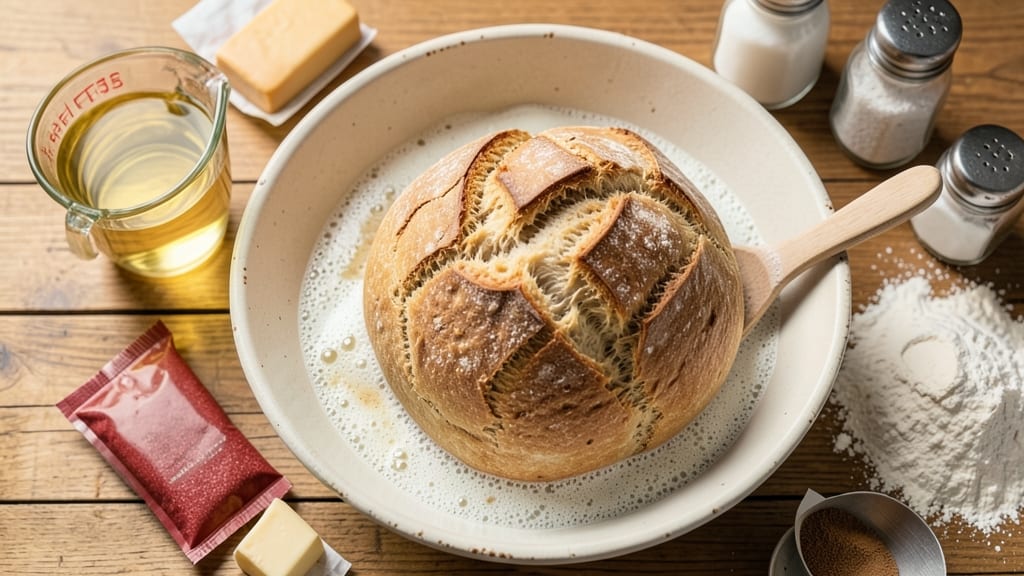
This 20-minute homemade bread recipe proves you don’t need hours to bake restaurant-quality loaves at home. The secret lies in a no-knead method that skips labor-intensive mixing while still delivering a crusty exterior and soft interior—no Dutch oven required.
After years of testing quick bread techniques, I’ve finally cracked the code for foolproof, fast results that even beginners can master.
The magic happens with rapid yeast activation and a simple dough that develops flavor in minutes rather than hours.
You’ll mix just 5 basic ingredients, let the dough rest for 10 minutes, then bake it to golden perfection in 15 minutes—all while your kitchen stays cool and your time stays efficient. This method transforms ordinary bread into something special without the usual fuss.
What you’ll end up with is a crusty, aromatic loaf with a satisfying snap and tender crumb, ready to be sliced for sandwiches, toasted for breakfast, or served warm with butter. The best part? You’ll have fresh-baked bread on your table without sacrificing quality or spending hours in the kitchen.
For extra flavor, try adding garlic powder or herbs to the dough, or sprinkle cheese on top before baking for a cheesy twist.
This recipe is designed to work with whatever you have on hand, making it perfect for weeknight dinners, meal prep, or anytime you crave homemade bread. Let’s get started!
Ingredients for 20 min homemade bread
Five simple ingredients transform into a golden, crusty loaf in under twenty minutes.
| Ingredient | Amount | Notes |
|---|---|---|
| All-Purpose Flour 🌾 | 3 cups | Spooned and leveled for accuracy |
| Instant Yeast 🍞 | 1 ½ tsp | Active dry works too (proof first) |
| Granulated Sugar 🍚 | ½ tsp | Feeds yeast for rapid activation |
| Salt 🧂 | 1 ½ tsp | Diamond Crystal preferred |
| Unsalted Butter 🧈 | ½ cup | Cold, cubed for easy mixing |
| Warm Water 💧 | 1 ¼ cups | 110°F for yeast activation |
| Cornmeal 🌽 | ¼ cup | For dusting baking sheet |
| Garlic Powder 🧄 | ½ tsp | Optional for extra flavor |
| Olive Oil 🫒 | 1 tsp | For brushing crust (optional) |
The flour is everything here—King Arthur or Gold Medal are my go-tos for that perfect texture. Bulk bins at Whole Foods often have better quality than store-brand bags, but any all-purpose will work in a pinch. The yeast needs to be fresh (check the date—it expires fast), and Saf-Instant is my secret weapon for foolproof activation. For the butter, Land O'Lakes unsalted is reliable, but any cold, cubed butter works. Keep it chilled until mixing to prevent overworking the dough. The warm water should feel like bathwater—too hot kills the yeast, too cold slows it down.
No instant yeast? Active dry yeast needs 5 minutes in warm water with sugar to activate before mixing. Short on cornmeal? Semolina or flour work too, though cornmeal gives that classic crunch. Want more flavor? Swap half the water for whole milk or buttermilk—the acidity boosts browning. The garlic powder is optional but adds depth; dried rosemary or thyme work beautifully too. For a cheesy twist, sprinkle shredded mozzarella or Parmesan on top before baking. And if you're in a rush, pre-shredded cheese (the anti-caking kind) melts just as well.
This dough is a dream to handle—no sticky messes, no overworking. Shape it into a round boule or freeform loaf; both work perfectly. For extra crustiness, brush with olive oil or melted butter after baking. Store wrapped at room temperature for 2 days or freeze for 3 months. The flavor actually improves overnight—toast slices for breakfast or serve warm with soup. Leftovers? Toss them in a bread bag to keep fresh longer. And if you're making extra, freeze portions for quick toast later.
Why You'll Love This Recipe
- I swear by this trick: just mix flour, yeast, sugar, and butter—no fancy equipment, no waiting hours. The dough comes together in minutes, and the yeast works fast, so you’re baking while you sip your coffee.
- No-Knead, No-Fuss Magic: I swear by this trick: just mix flour, yeast, sugar, and butter—no fancy equipment, no waiting hours. The dough comes together in minutes, and the yeast works fast, so you’re baking while you sip your coffee.
- Buttery, Golden Crust: That little pat of cold butter baked into the dough? It melts into pockets of fluffiness while the crust turns golden and crisp. Honestly, it tastes like a bakery loaf without the price tag.
- Weeknight Hero: Forget store-bought—this bread is ready when you are. Toss it in the oven while your pasta boils, or serve it warm with soup. (Yes, even on a Tuesday night.) It’s my go-to for lazy dinners.
Step-by-step instructions for quick no-knead bread
This method delivers bakery-style crust in under 20 minutes—no kneading, no waiting, just foolproof technique.
Activate the Yeast with Warm Water and Sugar
In a large mixing bowl, combine the 1.25 cups warm water (tested at 110°F—should feel like bathwater) with the 0.5 tsp granulated sugar. Sprinkle the 1.5 tsp instant yeast over the surface and let sit for 5 minutes until the mixture becomes frothy. You'll see bubbles forming—this confirms the yeast is alive and ready to work.
If no bubbles appear after 5 minutes, your yeast might be dead. In that case, start fresh with a new packet. The sugar here isn't for sweetness—it jumpstarts the yeast's fermentation process, ensuring your bread rises properly. Don't skip this step, even though it's tempting to rush ahead.
Mix Dough with Butter and Flour
Add the 0.5 cup cold cubed butter, 3 cups all-purpose flour, 1.5 tsp salt, and 0.5 tsp garlic powder to the yeast mixture. Using a wooden spoon or dough whisk, stir vigorously for 2-3 minutes until a shaggy dough forms. The butter should be cold enough to hold its shape but soft enough to mix easily—this creates pockets of steam during baking for that signature crust.
Don't worry if the dough looks messy or sticky at this stage. The butter needs to melt slightly during baking to create that golden crust, so we're not developing gluten like traditional bread. After mixing, let the dough rest for 5 minutes while you prepare your baking sheet.
Shape and Proof the Dough
Lightly dust a baking sheet with 0.25 cup cornmeal and transfer the dough onto it. Using wet hands, gently shape the dough into a 12-inch log by pressing down firmly along the length. The cornmeal prevents sticking and adds a subtle crunch to the bottom crust. Let the dough proof for 10 minutes in a warm spot—your oven with the light on works perfectly.
You'll know it's ready when the dough has visibly expanded by about 25% and springs back slowly when poked. The proofing stage is crucial—it's what gives your bread its airy interior. If your kitchen is cold, place the dough in a slightly warmed oven (200°F) for 5 minutes to speed up the process.
Bake for Crispy Crust and Soft Interior
Preheat your oven to 425°F while the dough proofs. When ready, brush the top of the dough with 1 tsp olive oil (optional but recommended for extra shine and flavor). Bake for 15-18 minutes until the crust turns a deep golden brown and sounds hollow when tapped on the bottom.
The internal temperature should reach 190-200°F at the center. If the top browns too quickly, tent loosely with aluminum foil. The butter in the dough will create steam, helping develop that coveted crust. Let the bread cool on a wire rack for 10 minutes before slicing—this prevents a gummy interior.
Serve Warm with Your Favorite Toppings
Slice the bread while still warm for the best texture. The interior should be soft and slightly chewy, with a crisp crust that cracks satisfyingly. The garlic powder adds subtle depth, but you can omit it if you prefer plain bread. Serve with butter, jam, or your favorite sandwich fillings while it's still warm.
This bread keeps well at room temperature for 2 days or can be frozen for up to 3 months. For extra flavor, brush the warm bread with melted butter and sprinkle with flaky sea salt. The beauty of this recipe is its versatility—it's perfect for sandwiches, toast, or simply enjoying with soup.
Pro Tips For Making 20 Min Homemade Bread
- MEASURE YEAST PRECISELY: That tiny packet of instant yeast is not a "pinch"—use a kitchen scale or weigh it out. I learned this the hard way when my bread rose unevenly because the yeast was clumped. For this recipe, 2¼ teaspoons (7 grams) is the sweet spot—no eyeballing.
- SALT THE BUTTER FIRST: Mix the salt into the softened butter before adding it to the flour. I used to skip this, and the bread always tasted flat. The salt dissolves better and distributes evenly—no more salty crust, bland crumb.
- DON’T OVERMIX THE DOUGH: Stir the wet ingredients into the flour just until combined—about 10-12 strokes max. I once kneaded this like pizza dough, and the bread turned dense and chewy. This recipe relies on the butter for tenderness, not gluten development.
- BAKE AT 375°F (NOT 400°F): The oven’s hot spot is real—place your loaf on the middle rack and bake at 375°F for 18-20 minutes. I cranked it to 400°F once and ended up with a burnt top and raw center. A toothpick should come out clean, not wet.
Creative variations of this recipe
Garlic Herb Twist
Boost your bread with 1 tsp dried rosemary and ½ tsp dried thyme along with the garlic powder. These herbs pair beautifully with the butter and create an aromatic crust perfect for roasted meats or soups.
I like to sprinkle 1 tbsp chopped fresh parsley on top before baking for a pop of color and freshness. 🌿
Cheesy Bread Variations
For a cheesy pull-apart loaf, sprinkle ½ cup shredded mozzarella or Parmesan cheese on top before baking. For extra gooeyness, add ¼ cup shredded cheddar mixed into the dough.
My favorite combo is mozzarella with a pinch of red pepper flakes for a spicy kick. Bake as directed and watch the cheese melt into a golden blanket. 🧀
Sweet Dinner Rolls
Transform your bread into sweet dinner rolls by adding 1 tbsp honey or maple syrup to the dough. Top with ½ cup chopped pecans or walnuts and a sprinkle of cinnamon before baking.
These rolls are perfect for serving with butter or honey butter. For extra richness, brush the tops with melted butter and a drizzle of honey after baking. 🍯
Whole Wheat Option
Swap 1 cup of the all-purpose flour for whole wheat flour to add fiber and nuttiness. The texture will be slightly denser but still light and flavorful. For best results, use King Arthur whole wheat flour, which has a lighter texture than store-brand options.
Add 1 extra tbsp olive oil to keep the dough tender. 🌾
Gluten-Free Adaptation
For a gluten-free version, replace the all-purpose flour with 1:1 gluten-free baking flour (like Bob's Red Mill or King Arthur). Add ½ tsp xanthan gum to improve texture.
The dough will be stickier, so wet your hands more when shaping. Bake at 400°F for 18-20 minutes to ensure even cooking. 🌾
Microwave Quick Bread
For an even faster option, shape the dough into a small loaf and bake in a microwave-safe dish*. Add 2 tbsp water to the dish before microwaving on high for 3-4 minutes.
This creates steam for a softer interior. While not as crusty, it’s perfect for a quick snack or breakfast toast. ⚡
Nutrition facts
Frequently asked questions
Can I make this bread without a baking sheet?
Yes! Use a cast-iron skillet or oven-safe Dutch oven instead. Lightly grease it with butter or oil, then shape your dough directly into it. The metal will conduct heat evenly, giving you that perfect crust. For extra crispiness, place the skillet in a cold oven, then preheat to 425°F with the bread inside.
Why did my bread turn out dense instead of crusty?
Dense bread usually happens when the yeast isn't activated properly or the dough doesn't proof enough. Double-check your water temperature (110°F) and let the dough proof until it expands by 25%. Also, ensure your oven is fully preheated—cold spots prevent proper browning. For extra crust, brush with melted butter after baking.
How can I make this recipe gluten-free?
Replace the all-purpose flour with a 1:1 gluten-free baking flour blend (like King Arthur or Bob's Red Mill) and add ½ tsp xanthan gum for structure. The dough will be stickier, so wet your hands when shaping. Bake at 400°F for 18-20 minutes—gluten-free bread needs a little more time to cook through.
Can I use this dough for dinner rolls?
Divide the dough into 8 equal pieces and shape them into balls. Place on a baking sheet, cover with a towel, and let proof for 10 minutes. Bake at 425°F for 12-15 minutes until golden. For extra flavor, brush with garlic butter or sprinkle with poppy seeds after baking.
What's the best way to reheat stale bread?
Wrap slices in foil and warm in a 350°F oven for 5-7 minutes or use the microwave for 10-15 seconds with a damp paper towel. For crispy toast, toast directly in a dry pan over medium heat for 1-2 minutes per side. The key is moisture—steam or dry heat both work!