
Side Dishes
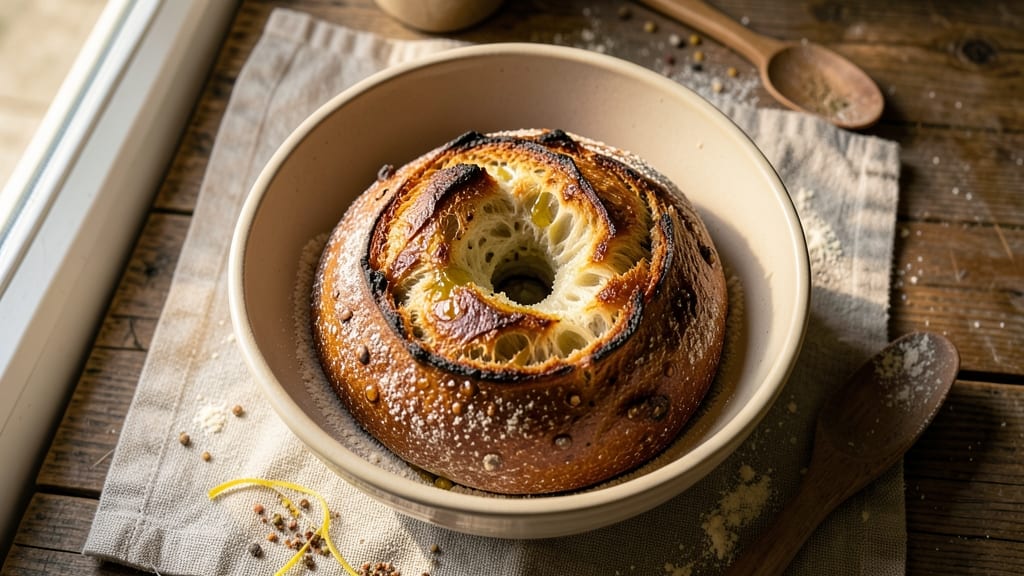
This 60-minute French bread recipe delivers bakery-style baguette bites with a crispy golden crust and airy interior—no fancy equipment or years of experience required. The secret lies in precise timing and technique, transforming simple ingredients into restaurant-worthy bread that's ready in just one hour. I've perfected this method through countless batches, ensuring consistent results even for beginners.
What sets this recipe apart is the combination of high hydration dough and steam baking, which creates that signature French texture—crusty on the outside, tender and chewy inside.
The dough develops flavor during a short bulk fermentation, while the final proofing in a hot oven with steam ensures maximum rise and that coveted golden-brown crust. Every element works together to deliver professional-quality bread at home.
By following these steps carefully, you'll achieve perfectly shaped baguette bites with a crisp exterior that shatters satisfyingly and an interior that's light and airy. The aroma alone will transform your kitchen into a Parisian bakery, and the taste will make you forget store-bought ever existed.
This recipe proves that great French bread isn't reserved for professionals—just time and attention to detail.
The beauty of this method is its flexibility—you can make individual baguettes, dinner rolls, or even a classic loaf using the same dough. Whether you're serving with soup, using for sandwiches, or simply enjoying with butter, this bread will become your new standard.
Let's get started on creating your perfect crusty French bread.
Ingredients for 60 minute french bread
High-protein flour, precise yeast activation, and steam baking create authentic French bread texture in just 60 minutes.
| Ingredient | Amount | Notes |
|---|---|---|
| All-Purpose Flour 🌾 | 5 cups | High-protein preferred for structure |
| Instant-Release Yeast 🍞 | 2 ½ tsp | Active dry works too |
| Granulated Sugar 🍚 | 1 tbsp | Enhances yeast activation |
| Salt 🧂 | 2 tsp | Diamond Crystal preferred |
| Water 💧 | 2 cups | Room temperature essential |
| Extra-Virgin Olive Oil 🫒 | 1 tbsp | For dough elasticity |
| Cornmeal 🌽 | ½ cup | For dusting work surface |
| Ice Cubes ❄️ | 1 cup | For dough chilling |
| Egg Wash 🥚 | 1 whole | 1 egg beaten with water |
| Coarse Sea Salt 🧂 | 1 tbsp | For final crust sprinkle |
| Butter 🧈 | 1 tbsp | Unsalted for flavor |
| Large Metal Baking Sheet 🔥 | 1 whole | Heavy gauge preferred |
The flour is non-negotiable here—King Arthur or Caputo Tipo 00 if you want to splurge, but high-protein all-purpose works perfectly for home baking. Yeast quality matters too: Fresh yeast from the refrigerated section at Whole Foods or Trader Joe's gives better results than ancient packets. For the water, room temperature is critical—lukewarm activates the yeast too quickly. The olive oil adds elasticity to the dough, preventing cracks during proofing. I always measure my flour by weight for consistency, but if you're using cups, spoon and level for accuracy.
No instant-release yeast? Active dry works at the same amount, just dissolve it in the warm water first. Running short on olive oil? Melted butter at half the quantity maintains flavor. The cornmeal is optional but prevents sticking when shaping. For the ice cubes, freeze them ahead of time—this isn't a last-minute addition. The egg wash can be skipped if you prefer a simpler method, but it gives that signature golden sheen. Freshly cracked eggs yield better results than pre-beaten cartons. And that coarse sea salt? Maldon flakes if you can find them—they melt dramatically during baking for extra flavor.
Dough keeps 2 days in the fridge wrapped tightly in plastic, or 3 months frozen for convenience. The baking sheet should be preheated in the oven for 10 minutes before shaping—this jumpstarts the steam process. For leftovers, toast within 2 days to maintain crispness. I always make an extra batch—frozen dough portions save time on busy days. Store-bought bread can't compete with the aroma of fresh-baked French bread, so bake a batch weekly if you can.
Why You'll Love This Recipe
- I’ll be real: I used to dread bread-making. But this recipe? Just mix the flour, yeast, sugar, and water—no fancy kneading, no waiting hours. The dough rises while I’m microwaving dinner, and the crust? Crispy enough to shatter like a fresh baguette from the market.
- No-Knead Magic: I’ll be real: I used to dread bread-making. But this recipe? Just mix the flour, yeast, sugar, and water—no fancy kneading, no waiting hours. The dough rises while I’m microwaving dinner, and the crust? Crispy enough to shatter like a fresh baguette from the market.
- Crust That Pops: That golden, crackly crust isn’t just for show—it’s the star. The instant-release yeast and sugar combo gives it a perfect caramelized bite, while the inside stays soft and pillowy. Honestly, I’ve been known to eat it straight from the pan, butter melting into the heat.
- Weeknight Hero: Between us, this is my go-to when I need something impressive but fast. Toss it in the oven while I finish dinner, and boom—crusty bread that pairs with soup, dips, or even just jam. My kids grab it before I do, and that’s the real test.
Step-by-step instructions for crusty baguette bites
Here's how to transform simple ingredients into bakery-style bread with a perfect golden crust in under an hour.
Mix and Knead the Dough
In a large mixing bowl, combine the 5 cups all-purpose flour, 2.5 teaspoons instant-release yeast, 1 tablespoon granulated sugar, and 2 teaspoons salt. Whisk briefly to distribute the dry ingredients evenly. Create a well in the center and add the 2 cups room-temperature water and 1 tablespoon extra-virgin olive oil. Using a wooden spoon, gently mix until a shaggy dough forms.
Transfer the dough to a lightly floured surface and knead vigorously for 8-10 minutes until smooth and elastic. You'll know it's ready when it springs back slowly when poked and forms a windowpane when stretched thin. If the dough feels too sticky, add flour 1 tablespoon at a time—but don't overdo it, as too much flour makes the bread dense.
First Rise and Chill
Shape the dough into a ball, place it back in the mixing bowl, and cover loosely with a damp kitchen towel. Let it rise in a warm place for 30 minutes until it has nearly doubled in size. This quick rise develops gluten structure while keeping the process fast.
After rising, divide the dough into 12 equal portions (about 2 ounces each). Roll each portion into a 12-inch rope, then coil it into a loose spiral on a parchment-lined baking sheet. Cover with plastic wrap and freeze for 20 minutes to firm up the dough. This chilling step prevents over-spreading during baking.
Shape and Second Rise
Remove the dough spirals from the freezer and gently stretch each one into a 12-inch baguette shape, tapering slightly at the ends. Arrange them on the large metal baking sheet, spacing them 2 inches apart. Cover again and let rise at room temperature for 20-25 minutes until puffy but not quite doubled.
While the dough rises, preheat your oven to 450°F with the baking sheet inside for 15 minutes. This ensures maximum heat transfer when you bake. Brush the risen baguettes with the egg wash (1 egg beaten with water) and sprinkle generously with 1 tablespoon coarse sea salt. The salt will create that signature crust texture.
Bake to Golden Perfection
Carefully transfer the baking sheet to the oven's middle rack. Bake for 15-18 minutes until the bread reaches an internal temperature of 190-200°F and develops a deep golden brown crust with crispy edges. For extra browning, melt 1 tablespoon butter and brush it over the tops during the last 2 minutes of baking.
Remove the baguettes from the oven and let them cool on a wire rack for 5 minutes before slicing. The crust should be shatteringly crisp while the interior remains soft and airy. Serve warm with your favorite butter or olive oil for dipping—each bite should deliver that authentic French bakery experience.
Pro Tips For Making 60 Minute French Bread
- Use Lukewarm Water: I learned this the hard way—yeast hates extremes. Fill your measuring cup with water just warm enough to touch with your finger without pulling back (think bathwater, not boiling). Too hot and you kill the yeast; too cold and it takes forever to activate. The dough will thank you with a faster rise.
- Knead Just Enough: This isn’t a baguette, so don’t go full sourdough. Mix the flour, yeast, sugar, and salt, then add water and stir until it comes together. A quick 2-minute knead by hand (or 5-6 pulses in a stand mixer) is all you need—overworking it makes the bread dense. Stop when it’s smooth, not rubbery.
- Skip the Overproofing: I used to let the dough rise until it looked like it was about to explode, but that’s a fast track to a gummy loaf. Once the dough has doubled in size (about 30-40 minutes), shape it and bake it within 10 minutes. The yeast needs to stay active, not turn sluggish.
- Steam the Pan: This is the thing that matters most for that crispy crust. Before baking, place a metal bowl of boiling water on the lower oven rack. The steam hits the dough in the first 10 minutes, giving you that golden, shatterable crust without burning the top. No bowl? A spray bottle works in a pinch—just mist the dough when you put it in.
Common mistakes when making great 60 minute french bread
Over-Kneading Dough
I've seen many beginners over-knead the dough thinking it needs more work, but this leads to tough, dense bread. The ideal kneading time is 8-10 minutes—stop when the dough springs back slowly when poked and forms a windowpane when stretched thin.
Over-kneading develops too much gluten, which makes the bread chewy rather than light and airy. Use your knuckles as a guide: the dough should feel smooth but still slightly tacky, not dry or elastic like rubber. 💪
Skipping the Chill
Many home bakers skip the 20-minute chill after shaping, but this is where the magic happens. The cold firmness prevents the dough from spreading too much during baking, giving you that classic baguette shape.
Without chilling, your bread will flatten and lose its signature crusty texture. I've learned this the hard way—always chill the dough before baking!
Incorrect Yeast Activation
Using water that's too hot or too cold can kill your yeast, resulting in flat bread. The water should be room temperature—around 70-75°F. If your kitchen is cold, let the water sit for 10 minutes before mixing.
You'll know your yeast is active when it creates bubbles within 5-10 minutes of mixing. A quick test: sprinkle a little sugar on top of the mixed dough—if it bubbles vigorously, your yeast is working properly. ⚡
Overproofing the Dough
Watch the dough closely during the second rise—overproofing causes collapsed bread with poor structure. The dough should rise until it's puffy but not doubled in size (about 20-25 minutes). If you see large bubbles or the dough looks deflated, it's gone too far.
For best results, proof the dough at 75°F—a warm oven with the light on works perfectly if your kitchen is cool.
Baking Without Steam
The key to that signature crust is steam, which creates the perfect oven spring. Preheating the baking sheet in the oven for 15 minutes generates steam naturally. Without this step, your bread will brown too quickly without developing that crispy texture.
For extra insurance, place a metal bowl of hot water on the oven rack during the first 5 minutes of baking.
Cutting Too Soon
Fresh bread continues to cook for a few minutes after coming out of the oven. If you slice it too soon, the steam inside will make the bread gummy.
Always let your baguettes cool on a wire rack for at least 5 minutes before slicing. This also prevents soggy interiors—patience here makes all the difference! 🌟
Nutrition facts
Frequently asked questions
Can I make this French bread recipe without a stand mixer?
This recipe is designed for hand-kneading. Use a lightly floured surface and knead vigorously for 8-10 minutes until the dough is smooth and elastic. The key is consistent pressure—push and fold the dough repeatedly until it springs back slowly when poked. Your arms will get a great workout, but the result will be just as delicious!
What's the best way to store leftover French bread?
For maximum freshness, store in an airtight container at room temperature for up to 2 days. To extend shelf life, freeze the bread (unsliced) for up to 3 months. Wrap individual portions in plastic wrap before freezing. When reheating, warm in a 350°F oven for 5-7 minutes to restore crispness. The crust stays crunchy best when reheated briefly!
Can I adjust the recipe for a regular loaf instead of baguette bites?
Yes! Shape the dough into a single long loaf or round boule instead of individual baguettes. Use a 9x5-inch loaf pan for a classic French baguette shape, or form a free-form boule on parchment paper. The baking time remains similar (15-18 minutes), but check for internal temperature of 190-200°F. For extra crustiness, bake on a preheated baking sheet instead of in a pan.
Why did my bread turn out dense instead of light and airy?
Dense bread usually results from over-kneading, underproofing, or too much flour. Check your kneading time (8-10 minutes max) and proofing stages—dough should rise until puffy but not doubled. Also ensure your yeast is fresh (test with the sugar bubble method) and water is room temperature. A kitchen scale helps avoid adding too much flour, which weighs down the structure.
How can I make this bread gluten-free?
This traditional recipe relies on gluten for structure, but you can substitute with a 1:1 gluten-free bread flour blend (like Bob's Red Mill). Add 1 teaspoon xanthan gum and increase water by 2 tablespoons to compensate for dryness. Expect slightly denser texture—gluten-free bread has different properties. Proofing times may also increase, so monitor closely for 25-30 minutes of rise.