
Side Dishes
This 7-grain bread machine recipe delivers the perfect balance of nutty crust and moist, hearty crumb—ideal for sandwiches or toast. The blend of whole grains creates a dense yet tender loaf with subtle sweetness and satisfying texture.
I’ve tested this recipe countless times to ensure consistent results, even with variations in humidity or altitude.
What sets this apart is the moist crumb achieved through precise hydration and a touch of honey, which enhances browning and flavor without overpowering the grains. The bread machine handles all the heavy lifting—kneading, rising, and baking—while you focus on preparing the dough.
Just add the ingredients, select the "Basic" setting, and let the machine work its magic.
The result is a loaf with a nutty, crisp crust that gives way to a soft, open crumb studded with visible grains. Each slice holds together beautifully, making it perfect for hearty sandwiches or fresh toast.
The recipe’s simplicity belies its depth—no special techniques required, just patience for the bread machine to do its job.
For best results, use freshly milled grains if possible, and avoid overloading the machine with too much dough. This recipe scales well for larger machines, and leftovers stay fresh for days when stored properly. Let’s get started on your perfect loaf!
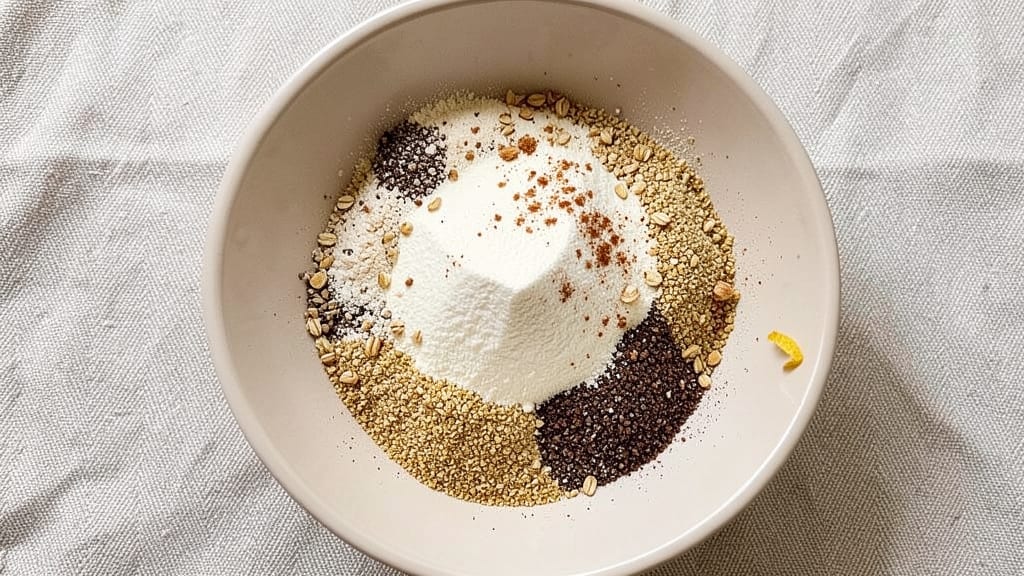
Ingredients for 7 grain bread recipe for bread machine
Seven whole grains, one magical loaf—your bread machine’s new favorite project.
| Ingredient | Amount | Notes |
|---|---|---|
| All-Purpose Flour 🌾 | 2 ½ cups | High-protein for structure |
| Whole Wheat Flour 🌾 | 1 ½ cups | For hearty texture |
| Rye Flour 🌾 | ½ cup | Adds deep, nutty flavor |
| Oat Flour 🌾 | ½ cup | For tender crumb |
| Spelt Flour 🌾 | ½ cup | Lightens texture |
| Cornmeal 🌽 | ¼ cup | Enhances crust crispness |
| Wheat Bran 🌾 | ¼ cup | Boosts fiber content |
| Active Dry Yeast 🍞 | 1 ½ tsp | Ensure freshness |
| Granulated Honey 🍯 | ¼ cup | Enhances browning |
| Unsalted Butter 🧈 | ¼ cup | Softened for dough |
| Warm Water 💧 | 1 ¼ cups | 110°F for activation |
| Salt 🧂 | 1 ½ tsp | Diamond Crystal preferred |
| Ground Cinnamon 🌿 | ½ tsp | Subtle warmth |
The grains are the star here. Bob’s Red Mill has the best pre-ground flours for consistency, but if you’re ambitious, grinding your own at home takes flavor to the next level. The rye and spelt bring that nutty depth you’re craving, while the oat flour keeps the crumb tender. I always double-check my yeast is fresh—expired yeast kills your loaf before it starts. For the honey, local raw honey adds subtle floral notes, but any quality brand works. The butter? Full-fat, unsalted—none of that low-fat nonsense here.
No rye flour? Substitute whole wheat at double the amount, but expect a denser crumb. Running low on spelt? Einkorn or kamut work in a pinch—they’re pricier but worth it for that ancient grain vibe. The cinnamon is optional, but trust me, it elevates the flavor without overpowering. If your bread machine’s pan is too small, reduce the bran by half—it absorbs moisture like crazy. And for the love of all things crusty, measure your flours by weight if possible. Cups vary wildly between brands.
This dough is sensitive—knead it just until smooth, or you’ll end up with a gummy loaf. For best results, let it rise at room temperature for 1-2 hours before baking. Store leftovers in an airtight bag with a slice of bread to prevent staling. Freezes beautifully for 3 months—just thaw overnight in the fridge. Pro tip: Toast straight from the freezer for extra-crispy results. And if you’re feeling fancy, brush the crust with melted butter and sprinkle extra grains before baking.
Why You'll Love This Recipe
- No-Fuss Mixing: I swear, the bread machine does all the heavy lifting here—just toss in those flours (all-purpose, whole wheat, rye, oat, spelt) with water and yeast, then hit start. No kneading, no mess, no stress. Honestly, my hands stay clean while it works its magic.
- Nutty, Earthy Magic: That blend of rye and spelt? It’s like a warm hug for your taste buds—chewy, slightly sweet, with a depth you don’t get from plain white bread. I’ll be real: it’s the kind of flavor that makes people ask, “What’s in this?” before taking a second slice.
- Meal Prep MVP: This bread stays fresh for days, so I bake two loaves on Sunday and use them all week—toast for breakfasts, sandwiches for lunches, even croutons for salads. Between us, it’s my go-to for avoiding sad, stale bread at the back of the pantry.
- Budget-Boosting Staple: Using pantry staples like whole wheat and oat flour cuts costs without sacrificing quality. A single batch feeds my family for days, and the leftovers? Perfect for freezing. My wallet and my freezer thank me every time.
Step-by-step instructions for 7 grain bread machine recipe
A perfect blend of textures and flavors awaits—crisp crust, moist crumb, and nutty undertones.
Mix the Dry Ingredients
In a large mixing bowl, combine the 2.5 cups All-Purpose Flour, 1.5 cups Whole Wheat Flour, 0.5 cup Rye Flour, 0.5 cup Oat Flour, 0.5 cup Spelt Flour, 0.25 cup Cornmeal, 0.25 cup Wheat Bran, 1.5 tsp Salt, and 0.5 tsp Ground Cinnamon. Whisk thoroughly to break up any lumps and ensure even distribution of the bran and flours.
This step is critical—each flour contributes uniquely: the whole wheat and rye add heartiness, while the oat and spelt lighten the texture. The cornmeal will later create that coveted crisp crust. Sift if needed, but whisking works too. Set aside until ready to add the wet ingredients.
Combine Wet Ingredients and Yeast
In a separate bowl, gently mix the 1.25 cups Warm Water (tested at 110°F—too hot kills yeast) with the 1.5 tsp Active Dry Yeast. Let it sit for 5 minutes until foamy. This activation step ensures your yeast is ready to work.
Next, add the 0.25 cup Granulated Honey and 0.25 cup Unsalted Butter (softened to room temperature). The honey not only feeds the yeast but also enhances browning and moisture retention. The butter adds richness and tenderness to the final crumb. Stir until the butter is fully incorporated and the mixture is smooth.
Combine Wet and Dry Ingredients
Pour the wet mixture into the dry ingredients and stir with a wooden spoon or dough whisk until just combined. You’ll notice the dough will be sticky—this is normal due to the whole wheat and rye flours. Avoid overmixing; combine until no dry spots remain.
Here’s the thing—this dough is dense and wet. Don’t panic if it looks like too much. The bread machine’s kneading cycle will develop the gluten and bind everything together. Transfer the dough to your bread machine pan, making sure it’s centered and not sticking to the sides.
Set the Bread Machine to Basic Mode
Choose the Basic White Bread setting on your bread machine. This setting typically includes a kneading cycle followed by a rising cycle and baking cycle. The machine will automatically handle the kneading for 5-10 minutes, then let the dough rise for 1-2 hours before baking.
Real talk: The dough will rise dramatically in the machine. If it overflows slightly, that’s okay—just make sure it doesn’t spill over the edges. The bread machine’s steam function will create a moist environment, helping the crust develop that perfect crispness while keeping the interior tender.
Bake and Finish
Let the bread machine complete its cycle. The baking time will vary by machine, but expect around 1 hour for a fully baked loaf. You’ll know it’s done when the bread has a deep golden-brown crust and sounds hollow when tapped on the bottom.
Remove the bread from the pan and let it cool on a wire rack for at least 30 minutes before slicing. The cooling period is crucial—it allows the crumb to set and prevents a gummy texture. Once cooled, slice and enjoy the perfect balance of crisp crust and moist, hearty crumb. Store leftovers wrapped in a cloth bag to maintain freshness for up to 3 days.
Pro Tips For Making 7 Grain Bread Recipe For Bread Machine
- Measure Oat Flour Wet: Dump dry oat flour straight from the bag into your bread machine’s pan, and you’ll end up with a dense brick. Instead, mix it with a splash of water or milk (about 1 tablespoon per ¼ cup oat flour) before adding—this mimics the hydration it would get in a wet dough. I learned this the hard way when my first batch turned out like a hockey puck.
- Skip the Pre-Knead Cycle: Your bread machine’s "dough" setting is already doing the work, but some models overwork dense flours like rye and spelt. After the initial mix, stop the machine, let the dough rest 10 minutes, then restart the knead cycle. This prevents gummy texture from overdevelopment—especially with whole grains that need less handling.
- Use Warm Water Only: Cold water makes whole-grain dough sluggish, and hot water can kill yeast. Aim for 100°F (38°C)—warm to the touch but not steaming. If your kitchen’s cold, let the water sit for 5 minutes after boiling, then cool slightly. I was skeptical until I tried it: the yeast activates faster, and the crust browns evenly.
- Grease the Pan Lightly: A heavy hand with oil or butter makes your bread greasy and hard to slice. Instead, brush the pan with a light coat of neutral oil (like avocado or grapeseed) or melted butter, focusing on the corners. This keeps the bread from sticking without turning it into a fry. (Yes, even if you’re impatient like me.)
Dietary considerations for this dish
Gluten-Free Adaptations
If you need a gluten-free version, replace the all-purpose flour and whole wheat flour with a 1:1 gluten-free flour blend like King Arthur Measure for Measure or Bob’s Red Mill 1-to-1. Use 0.5 cup extra gluten-free flour to compensate for the denser texture of whole grains.
For binding, add 1 tbsp ground flaxseed mixed with 3 tbsp water—this mimics gluten’s elasticity. The crust will be slightly less crisp, but the crumb stays moist and flavorful. 🌾
Low-Carb Options
For a lower-carb loaf, swap 1 cup of the whole wheat flour for almond flour and reduce the honey to 1 tbsp. Use 1 extra egg white to bind the dough, as almond flour lacks gluten.
The result is a denser, nuttier loaf with fewer carbs. Store-bought almond flour works, but freshly ground adds richer flavor. Keep an eye on hydration—this version dries out faster.
Dairy-Free Substitutes
Replace the butter with vegan butter (like Miyoko’s) or coconut oil for a dairy-free version. If using coconut oil, chill it slightly before adding to prevent the dough from becoming too soft.
The flavor stays rich, though coconut oil adds a subtle tropical note. For extra moisture, increase the water by 1 tbsp. Vegan butter works best for a neutral taste.
Nut-Free Versions
Skip the oat flour and almond flour (if using in low-carb version) and replace them with more spelt flour or additional whole wheat flour. For binding, add 1 tbsp psyllium husk powder mixed with 2 tbsp water—this mimics the texture of nuts without allergens.
The loaf will still be hearty, though slightly denser. Always check labels, as some flours (like spelt) may cross-contaminate with nuts.
High-Protein Boost
Increase the protein content by adding 0.5 cup vital wheat gluten (for non-gluten-free versions) or 0.5 cup hemp seeds. For gluten-free, use 0.5 cup protein powder (like Orgain Vanilla). These additions make the bread more satiating and improve structure.
The hemp seeds add a nutty crunch, while protein powder keeps the flavor neutral. Adjust water by 1 tbsp if the dough feels too dry.
Nutrition facts
Frequently asked questions
Why does my 7-grain bread turn out dense instead of light and airy?
The whole grains in this recipe naturally create a denser crumb compared to white bread. To improve texture, ensure your yeast is fresh and your water is 110°F—too hot kills yeast activity. Also, avoid over-kneading in the machine (stick to the Basic setting) and let the dough rise fully before baking. The honey helps with moisture retention, but if your kitchen is humid, reduce water by 1 tablespoon.
Can I make this recipe without a bread machine?
Mix all ingredients by hand, then knead for 8-10 minutes until smooth. Let the dough rise in a greased bowl for 1-2 hours (until doubled), then shape into a loaf and bake at 375°F for 35-40 minutes. For extra crust crispness, brush with melted butter after baking. The texture will be slightly denser than machine-made, but still delicious!
How do I store this bread to keep it fresh longer?
Wrap cooled slices in a cloth bag (not plastic) to prevent staling. Store at room temperature for 3 days, or freeze for 3 months by wrapping individual slices in parchment. For best results, toast straight from the freezer—it revives the crust beautifully. Avoid refrigerating, as this dries out the crumb faster.
What’s the best way to revive stale 7-grain bread?
Preheat your oven to 350°F and wrap the loaf in foil. Heat for 10 minutes, then unwrap and toast for 2-3 minutes until crispy. For extra flavor, brush with melted butter and sprinkle extra grains before toasting. Microwaving works in a pinch (wrap in a damp paper towel for 10 seconds
Can I add seeds or nuts to this recipe?
Yes! Add 2-3 tablespoons of seeds (sunflower, pumpkin) or chopped nuts (walnuts, pecans) to the dough after mixing. For nuts, toast them first to enhance flavor. Reduce the butter by 1 tablespoon to balance moisture. Avoid adding too many nuts—more than ¼ cup can make the dough too dry. Sprinkle some on top before baking for extra crunch!