
Side Dishes
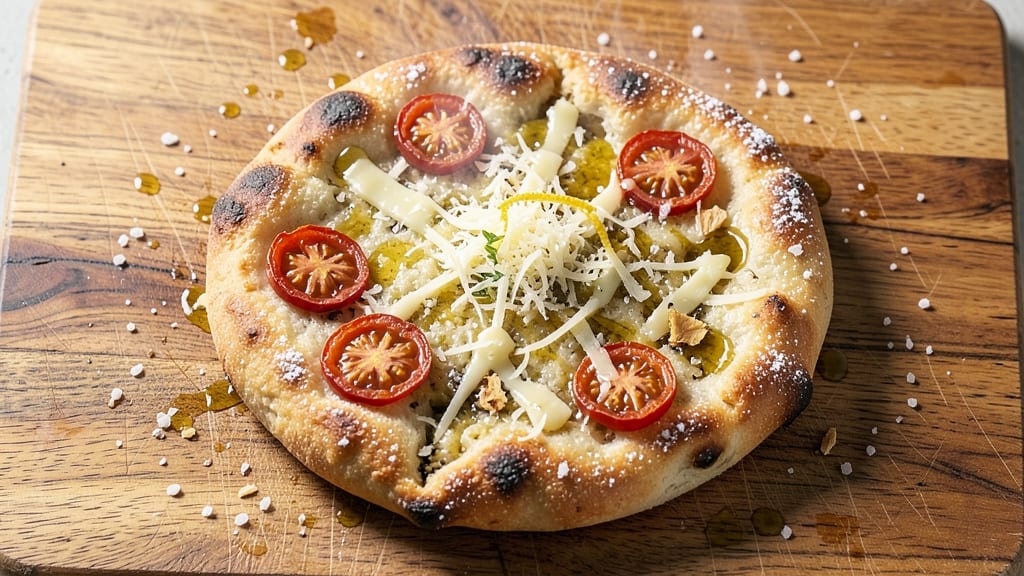
This Asiago focaccia bread recipe transforms a classic Italian staple into a cheesy, pull-apart masterpiece with every bite. The secret lies in blending rich Asiago cheese into the dough, creating a golden, airy crust that practically melts in your mouth.
I've perfected this version through countless batches—each one more delicious than the last—by balancing traditional olive oil generosity with the sharp, nutty depth of Asiago.
The dough develops naturally through a long fermentation, allowing flavors to meld while creating that signature dimpled, olive-studded surface. What sets this apart is the garlic-infused olive oil drizzle and flaky sea salt finishing—simple touches that elevate the focaccia from good to extraordinary.
The result is a bread so flavorful it disappears faster than you can say "second slice."
By the time it emerges from the oven, you'll have a crispy, cheesy focaccia with a golden crust and tender interior—perfect for serving alongside soups or as a standalone appetizer.
The Asiago adds a luxurious richness that makes this bread feel like a special occasion, even when it's just a weeknight dinner. Let's get started on creating this crowd-pleasing masterpiece.
This recipe delivers restaurant-quality results with minimal effort—just mix, shape, and bake. The long fermentation (overnight in the fridge) does all the hard work while you sleep, ensuring maximum flavor development.
Whether you're hosting a dinner party or simply craving cheesy, crispy bread, this Asiago focaccia won't disappoint. Here's how to make it perfectly every time.
Ingredients for asiago focaccia bread
Eight simple ingredients transform into a golden, cheesy focaccia masterpiece with every bite.
| Ingredient | Amount | Notes |
|---|---|---|
| All-Purpose Flour 🌾 | 5 cups | Unbleached, high protein for chewiness |
| Instant Yeast 🍞 | ¼ tsp | Active dry works too (use same amount) |
| Asiago Cheese 🧀 | 1 ½ cups | Shredded, freshly grated for best flavor |
| Granulated Sugar 🍬 | ½ tsp | Feeds the yeast for better rise |
| Diamond Crystal Kosher Salt 🧂 | 1 ½ tsp | Adjust to taste after baking |
| Extra-Virgin Olive Oil 🫒 | 1 ¼ cups | High quality, fruity variety preferred |
| Warm Water 💧 | 1 ½ cups | 110°F for optimal yeast activation |
| Garlic Cloves 🧄 | 3 whole | Minced for garlic-infused oil |
| Flaky Sea Salt 🧂 | 2 tbsp | For finishing (Maldon preferred) |
| Olive Oil 🫒 | ¼ cup | For dimpling and finishing |
| Fresh Rosemary 🌿 | 2 tbsp | Chopped, for aroma and garnish |
The Asiago cheese is non-negotiable here—freshly grated from a block makes all the difference. Whole Foods or Trader Joe's carry excellent pre-shredded options, but grating your own ensures no clumps. Look for vibrant, aged Asiago with visible crystals—it should smell nutty and rich. The olive oil? California extra-virgin from Lucini or Filippo Berio adds fruity depth that store brands can't match. For the flour, King Arthur Unbleached or Pillsbury Best gives that perfect chew. And don't skip the instant yeast—it activates faster than active dry, saving you time during the long fermentation.
No Asiago? Parmesan or Gruyère work in a pinch, but the flavor will be milder. Running short on olive oil? Avocado oil has a similar neutral profile, though it won't have that authentic Italian taste. Fresh rosemary wilting? Dried rosemary at half the amount works, but fresh is worth hunting down at farmers markets. The garlic-infused oil is simple—just mince 3 cloves, heat with 0.25 cup olive oil until fragrant, then strain. For the dimples, use your fingers or a fork, but don't overwork the dough—this isn't pizza. And if you're feeling fancy, swap the flaky sea salt for smoked salt for a different twist.
This dough is a patient recipe—overnight cold fermentation is key for maximum flavor. Shape it into a pan, cover, and refrigerate for 12-16 hours. The longer it rests, the more complex the flavor. When baking, the crust should be golden and crisp—if it's browning too fast, tent with foil. Leftovers? 3 days in an airtight container work fine, but honestly, it disappears faster than that. Freeze portions for up to 3 months—just thaw at room temperature before serving. Pro tip: Brush warm focaccia with extra garlic oil before serving—trust me on this.
Why You'll Love This Recipe
- No-Knead Magic: I swear by this dough—just mix, let it rise, and boom, golden crust. No roller, no fuss, no stress. The instant yeast does all the work while you sip your coffee.
- Cheese Pulls Punch: That sharp, nutty Asiago? It’s the star here. Every bite has this perfect balance—crispy edges, airy center, and cheese that melts just enough to make you reach for seconds.
- Weeknight Hero: Toss it in a pan, bake it, and you’ve got dinner. Serve it warm with marinara for a lazy night, or slice it cold for sandwiches the next day. It’s my go-to when I’m too tired to think.
- Budget Stretch: A single batch feeds four, and leftovers last days. Freeze slices for quick toast or sandwiches—no waste, all flavor. Plus, Asiago’s affordable, so you’re not breaking the bank for gourmet vibes.
Step-by-step instructions for Asiago focaccia bread
This cheesy, olive-studded focaccia delivers restaurant-quality texture with minimal effort.
Mix the Dough and Let It Rise
In a large mixing bowl, combine the 5 cups all-purpose flour, 0.25 tsp instant yeast, 0.5 tsp granulated sugar, and 1.5 tsp diamond crystal kosher salt. Whisk to distribute the ingredients evenly—this prevents pockets of yeast that won't activate properly.
Create a well in the center and add 1.25 cups extra-virgin olive oil and 1.5 cups warm water (about 110°F). Mix with a wooden spoon until a shaggy dough forms, then turn it out onto a lightly floured surface. Knead for 8-10 minutes until smooth and elastic. The dough should feel slightly tacky but not sticky—if it sticks too much, add a little more flour.
Shape the dough into a rectangle about 12x8 inches, then place it in a lightly greased bowl. Cover with a damp towel and let it rise in a warm place for 1-2 hours, or until doubled in size. A good rise means the dough springs back slowly when gently pressed—this ensures a light, airy texture.
Shape and Season the Dough
Punch down the risen dough to release air, then transfer it to a 9x13-inch baking pan lined with parchment paper. Press the dough gently into the pan, stretching it to fit evenly. Use your fingers to dimple the surface—this creates those signature pockets for cheese and oil.
In a small bowl, mix 1.5 cups asiago cheese with 0.25 cup olive oil and 2 tbsp chopped fresh rosemary. Sprinkle this mixture evenly over the dough, pressing lightly so the cheese sticks. Add 3 minced garlic cloves mixed with a pinch of salt, pressing them into the dimples for extra flavor.
Cover the pan with a damp towel and let the dough rise again for 30-45 minutes, until it puffs slightly and the cheese begins to melt into the surface. This second rise develops that signature focaccia texture—don't skip it, even if it seems like a short wait.
Bake Until Golden and Crisp
Preheat your oven to 425°F with a rack in the middle position. Bake the focaccia for 20-25 minutes until the edges are deep golden brown and the top looks crisp. The cheese should be bubbly and slightly browned in spots—this indicates it's fully melted and caramelized.
About 5 minutes before the focaccia is done, sprinkle 2 tbsp flaky sea salt evenly over the top. The salt melts into the hot cheese, creating those signature salty pockets that make focaccia irresistible. Watch closely—overbaking dries out the bread, while underbaking leaves it gummy.
Remove from the oven and let it cool in the pan for 10 minutes before slicing. The focaccia will be soft and chewy in the center but crispy around the edges—this contrast is what makes it so satisfying. Serve warm with olive oil for dipping or alongside soups and salads.
Pro Tips For Making Asiago Focaccia Bread
- Preheat Oil First: Hit the oven on high (500°F) and let the baking dish sit for 10 minutes while you prep—this ensures your focaccia gets that crispy bottom crust right away. After removing the hot dish, add about 2 tablespoons of olive oil to coat the bottom; it’ll pool into those golden pockets you’re after.
- Grate Asiago Fresh: Skip the pre-shredded cheese—it’s packed with anti-caking agents that make the focaccia gummy. Use a box grater for fine, even shreds, and toss them with a pinch of salt before mixing. The cheese will melt cleaner and distribute better.
- Don’t Overwork the Dough: Once you’ve mixed in the cheese and yeast, stop folding. Overhandling develops gluten and turns your focaccia dense. Two or three gentle stretches are all it takes—just enough to shape it into the pan, not a loaf.
- Dimple with a Fork: Use a fork to poke holes in the dough after the first rise, not your fingers. The tines create deeper dimples for cheese pockets, and you won’t accidentally deflate the dough. Press hard enough to dent the surface—this is what makes focaccia airy, not fluffy.
Perfect pairings for this asiago focaccia bread
Olive Oil Drizzle
This focaccia shines when finished with a garlic-infused olive oil drizzle—just mix 3 minced garlic cloves with ¼ cup extra-virgin olive oil and let it steep for 10 minutes before brushing it on warm bread.
The aroma alone transforms the dish! For extra richness, I drizzle 2 tablespoons right after baking while the focaccia is still hot. 🫒
Wine Pairings
A crisp Italian white wine like Pinot Grigio or Vermentino complements the Asiago's nutty depth perfectly. The acidity cuts through the richness while enhancing the olive oil's fruity notes.
For red lovers, try a Chianti—its bright acidity balances the cheesy, crispy texture. Avoid heavy reds like Cabernet, which can overpower the delicate flavors.
Cheese Board Pairings
Serve warm focaccia alongside a charcuterie board featuring Prosciutto di Parma, aged Gouda, and fig jam. The salty, savory meats contrast beautifully with the sweet jam and cheesy bread. For a vegetarian option, add sun-dried tomatoes and marinated artichokes—both pair wonderfully with the Asiago's sharpness. 🧀
Soup Pairings
This focaccia is perfect for creamy soups like roasted butternut squash or tomato basil. The crispy crust soaks up the broth beautifully, while the Asiago adds a salty contrast.
For a heartier meal, pair it with minestrone—the cheesy bread balances the vegetable-heavy broth. Serve with extra olive oil for dipping!
Dessert Pairings
End your meal with a dark chocolate dessert like hot chocolate or chocolate-dipped strawberries. The bitterness of dark chocolate complements the salty, savory notes of the focaccia. For a lighter option, try lemon sorbet—its citrusy brightness cleanses the palate after the rich, cheesy bread. 🍫
Breakfast Pairings
Transform this focaccia into a breakfast star by serving it with scrambled eggs and crispy bacon. The cheesy, crispy bread soaks up egg yolks beautifully, while the bacon adds a smoky contrast.
For a vegetarian option, top with avocado slices and a sprinkle of flaky salt—simple but delicious! 🍳
Nutrition facts
Frequently asked questions
Can I make this Asiago focaccia without a stand mixer?
This recipe is designed for hand-mixing. After combining the dry ingredients, simply use a wooden spoon to mix in the olive oil and water until a shaggy dough forms. Turn it out onto a lightly floured surface and knead by hand for 8-10 minutes until smooth and elastic. The dough should feel slightly tacky but not sticky—this is normal for focaccia.
What if my focaccia doesn't rise properly?
Check your yeast first—it should be fresh (test by mixing 0.25 tsp with 2 tbsp warm water and 1 tsp sugar; if it bubbles in 5 minutes, it's active). Ensure your water is 110°F (too hot kills yeast, too cold slows activation). For a second rise, place the dough in a warm spot (like a turned-off oven with a light on) and give it 1-2 hours. If it still doesn't rise, your yeast may be dead—start over with fresh yeast.
How do I store leftover Asiago focaccia?
Wrap cooled focaccia tightly in plastic wrap or place in an airtight container to keep it fresh for 3 days at room temperature. For longer storage, freeze portions for up to 3 months. To reheat, wrap slices in foil and warm in a 350°F oven for 5-7 minutes until crispy again. Avoid microwaving—it makes the bread gummy.
Can I add other cheeses to this recipe?
Yes! For a sharper flavor, mix in ½ cup grated Parmesan with the Asiago. For creaminess, swap ½ cup Asiago with ½ cup cream cheese (reduce olive oil by 1 tbsp to balance moisture). Avoid overly soft cheeses like brie—they won't melt properly in baking. Stick to 1.5 cups total cheese for best texture.
Why is my focaccia dense instead of airy?
Over-kneading or under-proofing are common culprits. Focaccia dough should be kneaded just until smooth (8-10 minutes), not until tough. For proofing, give it 1-2 hours until doubled—don't rush! Also, ensure your oven is fully preheated to 425°F and bake until the edges are deep golden brown. If the center feels gummy, bake 5 more minutes uncovered.