
Side Dishes
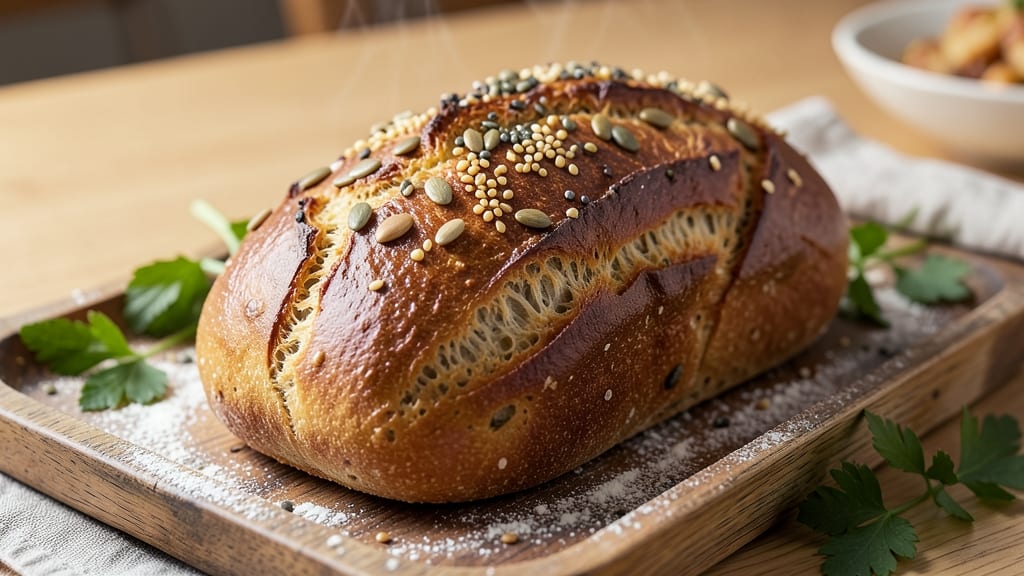
This 7-seed bread recipe delivers rustic texture and nutty depth in every slice, transforming simple ingredients into a loaf that rivals artisanal bakeries. The key lies in the seed blend—sunflower, pumpkin, sesame, and more—that adds both crunch and nutritional punch while creating that signature rustic chew. I've perfected this version after years of testing, balancing traditional methods with modern convenience.
The process begins with a straightforward dough that develops flavor through proper kneading and proofing, ensuring that dense, chewy texture we love in artisan bread.
What sets this apart is the seed preparation: toasting them lightly before mixing unlocks deeper flavors and prevents them from absorbing too much moisture during baking. The result? A loaf with crispy edges, tender crumb, and pockets of nutty crunch in every bite.
Baking at 375°F for 40-45 minutes creates that perfect golden crust while keeping the interior moist and flavorful. The seeds distribute evenly throughout, creating visual appeal and textural contrast with each slice.
This recipe works beautifully as a side for soups, a base for sandwiches, or simply toasted with butter—proof that homemade bread can be both impressive and approachable.
For those adapting to plant-based diets, simply replace butter with olive oil and use flax eggs if needed—no compromise on flavor or texture. The beauty of this recipe lies in its versatility while maintaining that authentic artisan quality. Let's get started on creating your perfect loaf.
Ingredients for 7 seed bread
Simple flours, toasted seeds, and yeast create a loaf with rustic texture and nutty depth.
| Ingredient | Amount | Notes |
|---|---|---|
| All-Purpose Flour 🌾 | 5 cups | Unbleached preferred for lighter texture |
| Whole Wheat Flour 🌾 | 1 cup | Adds hearty texture and nutrition |
| Active Dry Yeast 🍞 | 2 ¼ tsp | Ensure yeast is fresh for proper rise |
| Granulated Sugar 🍚 | 1 tbsp | Feeds yeast for optimal fermentation |
| Salt 🧂 | 2 tsp | Diamond Crystal preferred for accurate measurement |
| Unsalted Butter 🧈 | ½ cup | Cold for proper dough development |
| Sunflower Seeds 🌻 | ½ cup | Toasted until fragrant for enhanced flavor |
| Pumpkin Seeds 🎃 | ½ cup | Toasted lightly to prevent moisture absorption |
| Sesame Seeds 🌱 | ¼ cup | Toasted for nutty aroma and crunch |
| Flaxseeds 🌾 | ¼ cup | Toasted to complement other seeds |
| Chia Seeds 🌱 | ¼ cup | Toasted for subtle crunch and omega-3s |
| Poppy Seeds 🌸 | ¼ cup | Toasted to enhance sweetness |
| Warm Water 💧 | 1 ¼ cups | 110°F for optimal yeast activation |
| Extra-Virgin Olive Oil 🫒 | 1 tbsp | For dough enrichment and seed coating |
The seed blend is the heart of this recipe, and toasting them lightly before mixing unlocks their full flavor potential. Sunflower and pumpkin seeds provide robust crunch, while sesame and flaxseeds add delicate nuttiness. Purchase seeds from bulk bins at Whole Foods or Trader Joe's for optimal freshness, and store them in the freezer to preserve their flavor. The flours should be sifted together before mixing to ensure an even distribution of seeds throughout the dough. For those with dietary restrictions, King Arthur Flour offers gluten-free blends that work beautifully in this recipe.
No sunflower seeds? Substitute with additional pumpkin or sesame seeds—the texture remains similar, though the flavor profile shifts slightly. If you're short on time, pre-toasted seeds from the bulk section work fine, though freshly toasted seeds deliver superior flavor. The yeast must be active dry and fresh; if your package is older than a few months, test it in warm water with sugar to confirm it bubbles within 10 minutes. For a lighter loaf, replace up to 1 cup of whole wheat flour with all-purpose flour. The olive oil can be swapped for melted coconut oil for a plant-based option, though it may slightly alter the dough's texture.
Store the dough in an airtight container in the refrigerator for up to 24 hours before baking to allow for slower fermentation, which enhances flavor. Once baked, the bread keeps well at room temperature for 3-4 days in a bread box or wrapped in a clean kitchen towel. For longer storage, slice the loaf and freeze individual portions for up to 3 months. Toasting slices before serving revives their crispness and highlights the nutty crunch of the seeds. This loaf freezes beautifully at any stage—whether as dough, shaped but unproofed, or fully baked—making it ideal for meal prep.
Why You'll Love This Recipe
- No-Knead Magic: I swear by this—just mix, let it rise, and bake. The whole wheat and all-purpose blend gives that perfect chew without requiring me to punch dough for 10 minutes. Honestly, my lazy Sundays just got a whole lot easier.
- Nutty Crunch Surprise: That mix of seeds—sunflower, sesame, flax, you name it—adds a texture you won’t find in plain bread. One bite and you’ll forget it’s "healthy" because it’s just ridiculously good.
- Meal Prep MVP: Slice it fresh, toast it later. I keep a loaf wrapped in the fridge for days—perfect for quick sandwiches, charcuterie boards, or even croutons. (Yes, even on a Tuesday night.)
- Budget-Friendly Staple: Whole wheat flour and pantry staples mean this costs pennies per serving. Plus, the yeast does all the work, so no fancy ingredients sneaking up on your grocery bill. My wallet thanks me weekly.
Step-by-step instructions for 7 seed bread
This rustic loaf delivers perfect texture and flavor through precise technique and patience.
Toast the Seeds for Maximum Flavor
Spread all the seeds—sunflower, pumpkin, sesame, flax, chia, and poppy—on a baking sheet in a single layer. Toast in a 350°F oven for 8-10 minutes until they're fragrant and lightly golden. Stir halfway through for even browning. This step prevents moisture absorption and enhances their nutty profiles.
Remove from oven and let cool completely before adding to the dough. The seeds should smell toasty and aromatic—this is your cue they're ready. I like to grind the flaxseeds and chia seeds lightly with a mortar and pestle after toasting to release their oils, but this is optional.
Activate the Yeast and Mix the Dough
In a large bowl, whisk together the 1.25 cups warm water (110°F), 1 tbsp granulated sugar, and 2.25 tsp active dry yeast. Let sit for 5-10 minutes until frothy—this confirms the yeast is alive and active. If it doesn't bubble, your yeast may be dead, and you'll need to start over.
In a separate large bowl, combine the 5 cups all-purpose flour and 1 cup whole wheat flour. Make a well in the center and add the yeast mixture, 2 tsp salt, and the ½ cup cold unsalted butter cut into small cubes. Mix with a wooden spoon until a shaggy dough forms.
Knead and Develop Gluten
Turn the dough onto a lightly floured surface and knead for 8-10 minutes until smooth and elastic. I press down with the heel of my hand and fold the dough over itself, repeating this motion. The dough should spring back slowly when pressed—this indicates proper gluten development.
Return the dough to the bowl, drizzle with 1 tbsp extra-virgin olive oil, cover with a damp towel, and let rise in a warm place for 1-1.5 hours or until doubled in size. The dough should feel light and airy when pressed gently. If it rises too quickly, your kitchen may be too warm—adjust accordingly.
Incorporate Seeds and Shape the Loaf
Punch down the risen dough and transfer it to the floured surface. Gently fold in the toasted seeds using a dough scraper. Be careful not to overwork the dough—just distribute the seeds evenly throughout. Shape into a round loaf or a free-form rustic boule, tucking the edges under as you go.
Place the shaped dough in a lightly oiled loaf pan or on a parchment-lined baking sheet. Cover again and let rise for another 30-45 minutes until puffy. The dough should have expanded noticeably and feel springy to the touch. Preheat your oven to 375°F while the dough rises.
Bake to Golden Perfection
Bake the bread for 30-35 minutes until the top is deep golden brown and sounds hollow when tapped on the bottom. For extra crust development, brush the top with water after 15 minutes in the oven. The internal temperature should reach 190-200°F.
Remove from the oven and let cool on a wire rack for at least 30 minutes before slicing. The bread will continue to firm up as it cools, and the seeds will crisp slightly. Slice thickly to showcase the nutty crunch and rustic texture. Store wrapped at room temperature for up to 3 days or freeze for longer storage.
Pro Tips For Making 7 Seed Bread
- Bloom the Yeast First: Skip mixing yeast straight into flour—it’ll underperform. Instead, dissolve it in warm water (110°F) with a pinch of sugar first, then wait 5-10 minutes until frothy. I learned this the hard way when my dough took three hours to rise because the yeast was sluggish from dry flour.
- Soften the Seeds: Toast the seeds in a dry pan for 2-3 minutes before adding them to the dough. This prevents them from absorbing too much moisture and turning mushy—plus, it adds a nutty depth. (Yes, even if you’re impatient like me, don’t skip this.)
- Knead Until Springy: The dough should bounce back slowly when poked, not stick to your fingers. Whole wheat flour absorbs more water, so resist the urge to add extra—just knead for 8-10 minutes by hand or 5-6 minutes in a mixer. Overworking it makes the bread dense.
- Proof in a Warm Spot: Place the dough in a lightly oiled bowl, cover it with a damp towel, and let it rise in the oven with the light on (or near a sunny window). The gentle heat speeds up fermentation without overproofing—my bread used to collapse because I left it in a cold kitchen.
Creative variations of these flavors
Herb-Infused Twist
Add 1 tbsp dried rosemary or 1 tsp dried thyme directly to the dough during the initial mixing for an aromatic herb-infused variation. I love using fresh rosemary sprigs from Whole Foods—simply chop them finely before adding.
The herbs pair beautifully with the toasted seeds, creating a fragrant loaf perfect for serving with roasted meats or Mediterranean-inspired dishes. 🌿
Sourdough Adaptation
For a tangy, artisanal take, replace the yeast with ½ cup active sourdough starter (fed and bubbly). Follow the same mixing and kneading process, but let the dough ferment at room temperature for 4-6 hours before shaping.
The longer fermentation develops deeper flavor complexity, and the seeds add delightful texture contrast. This version keeps for 5-6 days when stored properly. 🍞
Sweet Cinnamon Swirl
Create a sweet variation by adding 2 tbsp ground cinnamon and ¼ cup brown sugar to the dough. After shaping, create a well in the center and fill with a mixture of ¼ cup softened butter and 2 tbsp honey.
Fold the edges over to encase the filling, then bake as directed. The result is a moist, cinnamon-scented loaf perfect for breakfast toast or dessert. 🍯
Gluten-Free Option
Use a 1:1 gluten-free flour blend like King Arthur Measure for Measure and reduce the whole wheat flour to ½ cup. Add 1 tsp xanthan gum to improve texture. The seeds still distribute evenly, and the loaf maintains a satisfying chew.
For best results, let the dough rest for 10 minutes after mixing to help the gums hydrate properly. 🌾
Seed-Free Crust
For a decorative top layer, press ½ cup toasted seeds into the dough before the final rise. After shaping, place the loaf on a parchment-lined tray and gently press seeds into the surface.
Bake as usual, and you'll get a stunning visual contrast with a crunchy seed crust. This technique works beautifully for gifting loaves or special occasions. ✨
Whole Grain Boost
Replace 1 cup of all-purpose flour with 1 cup whole grain flour (like spelt or barley) for added nutrition and heartier texture. The extra fiber content enhances the rustic quality of the bread.
I find that toasting the whole grains separately for 5 minutes before mixing amplifies their nutty flavors. Store-bought whole grain flour works fine, but freshly milled grains deliver superior taste. 🌱
Nutrition facts
Frequently asked questions
Why toast the seeds before adding them to the dough?
Toasting seeds unlocks their full flavor potential and prevents them from absorbing too much moisture during baking. The light browning enhances their nutty aroma while maintaining that satisfying crunch. Plus, it creates a beautiful golden contrast in your finished loaf!
Can I make this bread without a bread pan?
Shape the dough into a free-form boule or batard and bake it on a parchment-lined sheet. For extra crust development, place a baking stone in your oven 30 minutes before baking. The seeds will distribute beautifully throughout, creating a rustic look perfect for artisan-style bread.
How do I know when the dough has risen enough?
Press your finger gently into the dough—if it springs back slowly (leaving a slight indent), it's ready. For the first rise, this should take 1-1.5 hours. The dough should double in size and feel light and airy. If it rises too quickly, your kitchen may be too warm—adjust accordingly.
What's the best way to store this bread?
Wrap the cooled loaf in a clean kitchen towel or place it in an airtight container. It stays fresh at room temperature for 3-4 days. For longer storage, freeze individual slices wrapped in plastic wrap—they'll stay crispy when toasted later. The seeds maintain their crunch best when stored properly!
Can I substitute any of the seeds?
Yes! If you're missing a seed, use an equal amount of another toasted seed like hemp or linseed. For a sweeter profile, add toasted coconut flakes instead of poppy seeds. The texture will remain similar, though the flavor will vary slightly. Always toast substitutes to enhance their flavor!