
Desserts
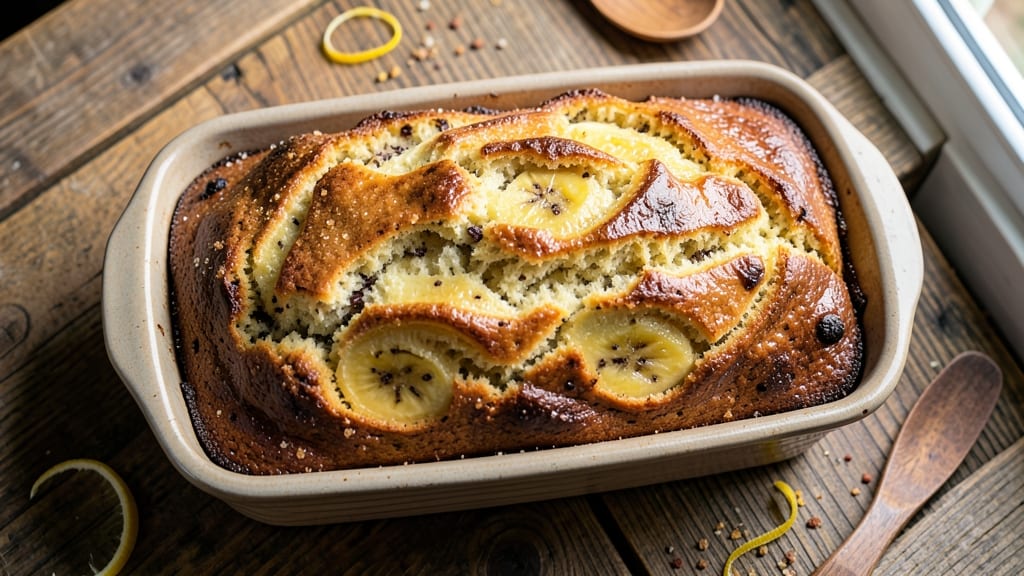
A banana bread recipe calls for 3/4 cup butter—and for good reason. This classic ratio transforms dense loaves into ultra-moist crumb with a golden, buttery crust that begs for seconds.
The secret lies in the fat content, which keeps the bread tender for days, not hours. I’ve baked this version countless times, and it never disappoints.
The butter isn’t just for flavor—it’s the backbone of texture. When creamed with sugar, it creates tiny air pockets that make the crumb light yet rich. Overmixing is the enemy here, so we’ll handle the batter gently to preserve that perfect consistency.
This isn’t your grandmother’s dry banana bread; it’s a foolproof recipe that delivers restaurant-quality results at home.
What sets this apart is how the butter interacts with the ripe bananas and brown sugar. The crust turns golden and crackly, while the interior stays velvety, with just enough chew to keep it interesting.
Every slice will pull cleanly from the pan, leaving you with a loaf that’s as beautiful as it is delicious.
Whether you’re a beginner or a seasoned baker, this recipe adapts easily—swap butter for oil if needed, or fold in nuts and chocolate chips for extra texture. The key is patience: let the batter rest, and don’t rush the baking.
Trust the process, and you’ll end up with banana bread that’s worth every 3/4 cup of butter.
Ingredients for a banana bread recipe calls for 3/4 cup butter
Buttery richness meets ripe bananas—here's what you'll need for ultra-moist banana bread.
| Ingredient | Amount | Notes |
|---|---|---|
| Unsalted Butter 🧈 | ¾ cup | Room temperature for creaming |
| Ripe Bananas 🍌 | 3 whole | Very ripe, slightly squishy |
| Granulated Sugar 🍚 | 1 cup | White or light brown |
| Light Brown Sugar 🍚 | ½ cup | Packed firmly |
| All-Purpose Flour 🌾 | 1 ½ cups | Spooning, not scooping |
| Baking Soda 🧂 | ½ tsp | Freshly measured |
| Ground Cinnamon 🌿 | 1 tsp | Freshly ground preferred |
| Ground Nutmeg 🌿 | ¼ tsp | Freshly grated |
| Salt 🧂 | ½ tsp | Fine sea salt |
| Large Eggs 🥚 | 2 whole | Room temperature |
| Vanilla Extract 🍯 | 1 tsp | Pure vanilla extract |
| Vegetable Oil 🫒 | ¼ cup | For greasing pan |
The butter is non-negotiable here. Use unsalted—it gives you control over the flavor. Kirkland Signature or Land O'Lakes are my go-tos, but any good-quality brand works. Room temperature is key—press the butter with your finger; it should dent but not flake apart. Ripe bananas are the secret weapon. Look for ones with brown spots and soft centers—the browner, the better. I usually grab a handful that's past its prime for eating. The sugar duo (white and brown) balances sweetness perfectly—don't skip the brown for that caramelized depth.
No butter? Swap for oil at a 1:1 ratio, but texture will be slightly different. Fresh bananas? Add 1 tbsp lemon juice to prevent browning while prepping. The vanilla extract can be imitation, but pure Madagascar bourbon makes a world of difference. Nutmeg is optional but adds warmth—if you're skipping it, add an extra pinch of cinnamon. For the flour, King Arthur or Gold Medal are my favorites, but any all-purpose works. Pro tip: spoon the flour into your measuring cup instead of scooping to avoid packing it down.
Bananas can be peeled and mashed up to 2 days ahead—store in an airtight container with plastic wrap pressed directly on the surface. The batter keeps for 24 hours in the fridge, but bake it fresh for best results. The loaf stays moist for 4-5 days at room temperature, wrapped tightly. For longer storage, slice and freeze—3 months in a sealed bag. I always bake an extra loaf to freeze; nothing beats fresh banana bread straight from the oven.
Why You'll Love This Recipe
- Here’s what sold me: the combo of granulated and brown sugar with that rich butter. It’s not just sweet—it’s layered, with a caramelized depth that turns every slice into a little moment of happiness.
- No-Fuss Mix-In: That ¾ cup of butter—creamy, not greasy—makes this ridiculously tender. Mash those bananas right in the bowl, toss in the sugars, and fold in the flour. Honestly? No one’s judging if you eyeball the measurements.
- Butter-Sugar Magic: Here’s what sold me: the combo of granulated and brown sugar with that rich butter. It’s not just sweet—it’s layered, with a caramelized depth that turns every slice into a little moment of happiness.
- Breakfast or Snack: Between us, this bread works hard. Toast it for a grab-and-go breakfast or pack slices for lunch. My kids even sneak bites when they think I’m not looking—(yes, even on a Tuesday night).
Step-by-step instructions for ultra-moist banana bread
Here's how to bake the perfect banana bread with a tender crumb and rich butter flavor.
Cream the Butter and Sugars Together
In a large mixing bowl, combine the 0.75 cup unsalted butter (room temperature) with 1 cup granulated sugar and 0.5 cup light brown sugar. Using an electric mixer on medium speed, beat for 3-4 minutes until the mixture becomes light and fluffy. You'll see the butter transform from pale to a lighter shade as air is incorporated.
The reason we wait until the butter is fully creamed is that this creates tiny air pockets that make the bread tender. If the butter isn't soft enough, you'll end up with a dense loaf. I press down gently on the butter with my finger—if it leaves a slight indent, it's ready. If it feels too firm, let it sit at room temperature for another 10 minutes.
Mix in the Eggs and Bananas
Add the 2 whole large eggs one at a time, mixing well after each addition. Then stir in the 1 tsp vanilla extract. The mixture should be smooth and slightly thickened. In a separate bowl, mash the 3 whole ripe bananas until completely smooth—no lumps should remain. Gradually fold the mashed bananas into the wet mixture.
This is where the magic happens—the bananas add natural sweetness and moisture while preventing the bread from being too heavy. I like to use very ripe bananas because they're sweeter and contain more moisture. If your bananas aren't quite ripe enough, you can place them in a paper bag with an apple overnight to speed up the ripening process.
Combine Dry Ingredients and Fold Gently
In a separate bowl, whisk together the 1.5 cups all-purpose flour, 0.5 tsp baking soda, 1 tsp ground cinnamon, 0.25 tsp ground nutmeg, and 0.5 tsp salt. Sift the mixture directly into the wet ingredients and gently fold together using a spatula, being careful not to overmix. The batter should be thick but still pourable.
Overmixing develops gluten, which can make the bread tough. Stop mixing as soon as the flour is just incorporated—you should still see some small streaks of flour in the batter. The texture should be like thick pancake batter. If it looks too thick, you can add 1-2 tablespoons of milk (though it's not in our ingredients list, it helps with moisture).
Prepare the Pan and Pour the Batter
Preheat your oven to 350°F. Lightly grease a 9x5-inch loaf pan with 0.25 cup vegetable oil, making sure to coat the bottom and sides thoroughly. Pour the batter into the prepared pan and smooth the top with a spatula. The batter should fill the pan about 2/3 full.
I tap the pan gently on the counter a few times to release any air bubbles that might have formed. This helps prevent large air pockets in the finished loaf. For extra browning, I sometimes sprinkle a thin layer of granulated sugar on top before baking. This creates a beautiful caramelized crust while keeping the inside moist.
Bake to Golden Perfection
Bake in the preheated oven for 50-60 minutes, or until a toothpick inserted into the center comes out clean with just a few moist crumbs clinging to it. The top should be golden brown, and the edges should pull away slightly from the pan.
I know it's tempting to check early, but resist the urge to open the oven door. Every time you do, you lose heat and steam, which can affect the texture. The bread is done when it springs back slowly when touched in the center—no jiggly bounce. Let it cool in the pan for 10 minutes before transferring to a wire rack to cool completely.
Pro Tips For Making A Banana Bread Recipe Calls For 3/4 Cup Butter
- SOFTEN BUTTER FIRST: Take that ¾ cup butter out of the fridge 10 minutes before mixing—room temperature butter blends smoother and creates a lighter crumb. I learned this the hard way after wrestling with lumpy dough that turned out dense. Trust me, your future banana bread will thank you.
- MASH BANANAS WELL: Dump those ripe bananas in a bowl and smash them with a fork until no chunks remain. Overlooking this step means uneven texture and dry pockets. (Yes, even if you’re impatient like me—take the 30 seconds to do it right.)
- WEIGH YOUR FLOUR: Scoop that all-purpose flour straight from the bag? Bad idea. Spoon it into a measuring cup, then level it off—packing it down changes the ratio and makes your bread gummy. I was skeptical until I tried it, and now I never go back.
- BAKE UNTIL 190°F: The recipe says "golden brown," but don’t stop there—wait until the internal temperature hits 190°F. That’s when the crumb sets properly and the center won’t be underdone. (Your toothpick test is fine, but a thermometer never lies.)
Flavor customization for these flavors
Butter Variations
For a lighter texture, swap half the butter with ½ cup unsweetened applesauce—this keeps the bread moist while cutting fat. I’ve also used Greek yogurt (½ cup) for a tangy twist that balances the sweetness.
If you’re watching calories, light butter (like Land O’Lakes Light) works perfectly—just don’t reduce the amount.
Sweetness Adjustments
Reduce sugar by 2 tbsp if your bananas are extra ripe—they’re naturally sweeter. For a caramelized depth, add 2 tbsp molasses to the brown sugar. If you prefer less sweetness, cut the granulated sugar to ¾ cup and add 1 tsp lemon zest for brightness.
Trust your taste: banana bread is forgiving!
Spice Infusions
Swap cinnamon for cardamom (½ tsp) for an exotic touch, or add ½ tsp ginger for warmth. A pinch of clove (⅛ tsp) gives depth, but start small—it’s potent!
For a citrus kick, zest 1 orange and fold it into the batter. I love pairing these with a sprinkle of flaky sea salt on top after baking.
Texture Boosters
Fold in ½ cup chopped walnuts or pecans for crunch, or add ½ cup chocolate chips (semi-sweet or dark). For extra moisture, stir in ¼ cup sour cream or ½ cup mashed sweet potato. If you want a cake-like texture, replace ½ cup flour with ½ cup cornmeal.
Dietary Swaps
Use coconut oil (solid at room temp) for a dairy-free version—it adds a subtle coconut flavor. For gluten-free, swap flour for a 1:1 gluten-free blend (like King Arthur’s). To reduce sugar, replace ¼ cup sugar with ¼ cup monk fruit sweetener.
I’ve also made a vegan version with flax eggs (2 tbsp ground flax + 6 tbsp water).
Flavor Layering
Add 1 tsp almond extract for nutty notes or ½ tsp orange extract for zing. A dash of vanilla bean paste (instead of extract) adds flecks of vanilla.
For a boozy twist, stir in 1 tbsp bourbon or rum. These tweaks elevate the bread from classic to extraordinary—pick one or mix them!
Nutrition facts
Frequently asked questions
Why does butter matter so much in banana bread?
The 3/4 cup butter creates a rich, tender crumb through tiny air pockets when creamed with sugar. It also adds flavor depth that oil can't match. The fat content keeps the bread moist for days, not hours. Without it, the texture becomes dense and dry.
Can I use salted butter instead of unsalted?
Yes, but reduce the added salt by 0.25 tsp to balance the flavor. Salted butter has about 0.5 tsp salt per 1 cup, so you'll taste the difference if you skip adjusting. I prefer unsalted for precise control over the recipe's flavor profile.
What if my butter is too cold to cream?
Let it sit at room temperature for 30-60 minutes until it's soft enough to leave a slight indent when pressed. You can also microwave it for 10-15 seconds in 5-second bursts while stirring. Cold butter won't incorporate air properly, leading to a dense loaf.
How do I know when my banana bread is fully baked?
Insert a toothpick into the center—it should come out with just a few moist crumbs (not wet batter). The edges should pull away slightly from the pan, and the top should be golden brown. Tap the loaf gently: if it springs back slowly, it's done. Overbaking dries it out!
Can I make this recipe without butter?
Yes! Use 3/4 cup vegetable oil or melted coconut oil for a dairy-free version. The texture will be slightly denser, but still delicious. For extra moisture, add 1 tbsp yogurt or applesauce to compensate for the missing fat.