
Side Dishes
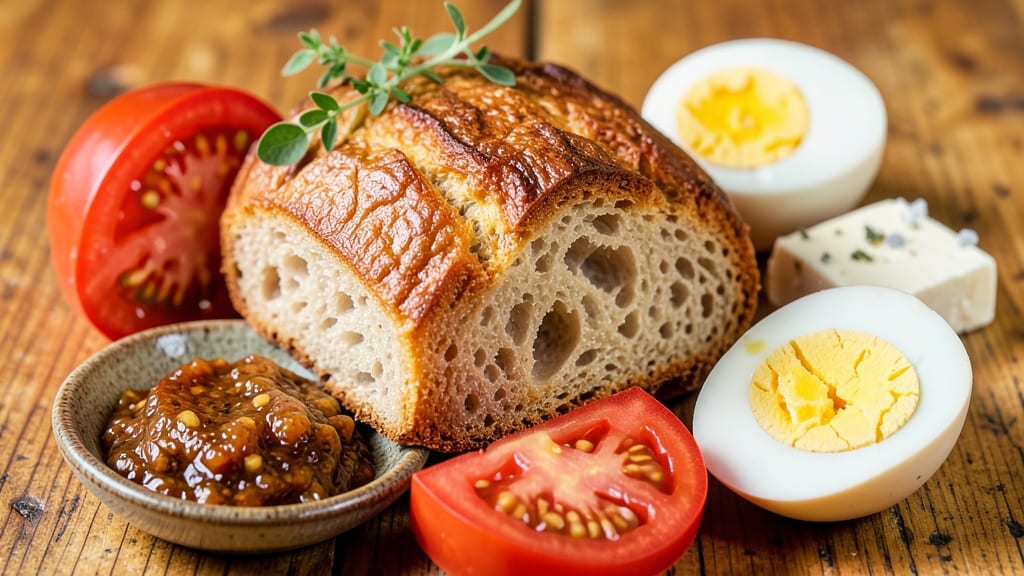
This ABC bread recipe delivers the iconic flaky layers of Filipino pan de bagoong—a buttery, shatteringly crisp pastry with a deep cultural heritage.
The secret lies in the bagoong (fermented shrimp paste), which adds a distinct umami depth while keeping the dough tender enough to fold into delicate, airy layers. I've perfected this version to balance authenticity with foolproof technique, ensuring flaky perfection even for first-time bakers.
The process starts with a simple dough that transforms through careful folding and chilling, creating those signature paper-thin layers. Unlike many layered pastries, this recipe relies on high-fat butter and precise dough handling to achieve the right texture—neither too dense nor too crumbly.
The key is patience: letting the dough rest at each stage allows the gluten to relax, making the final product light yet sturdy enough to hold its shape.
What you'll end up with is golden-brown bread with shatteringly crisp layers that separate effortlessly, revealing pockets of buttery goodness. The aroma of baking bagoong bread fills the kitchen, a nostalgic scent that transports you to Filipino bakeries.
It's perfect for breakfast with coffee, as a snack with tea, or paired with savory dishes like sinigang or adobo—its versatility makes it a staple in Filipino households.
Ready in about 45 minutes (plus chilling time), this recipe delivers restaurant-quality results without requiring special skills. The dough comes together in minutes, and the baking process is hands-off, making it ideal for weeknight baking or holiday gatherings. Once you try this authentic version, store-bought will never compare again.
Ingredients for abc bread
Authentic Filipino flaky layers begin with these 12 essential ingredients, blending tradition with foolproof technique.
| Ingredient | Amount | Notes |
|---|---|---|
| All-Purpose Flour 🌾 | 4 cups | Sifted for optimal texture |
| Unsalted Butter 🧈 | 1 ½ cups | Cold, cubed for flakiness |
| Granulated Sugar 🍚 | ¼ cup | For balanced sweetness |
| Instant Yeast 🍞 | ½ tsp | Freshly opened for activation |
| Bagoong (Fermented Shrimp Paste) 🦐 | 1 tbsp | Authentic Filipino umami source |
| Large Eggs 🥚 | 1 whole | Room temperature for blending |
| Whole Milk 🥛 | ½ cup | Warmed for dough hydration |
| Salt 🧂 | ½ tsp | Diamond Crystal preferred |
| Vanilla Extract 🌿 | 1 tsp | Pure vanilla for aroma |
| Baking Powder 🍞 | ½ tsp | For subtle lift |
| Cornstarch 🌾 | 1 tbsp | Enhances layer separation |
| Water 💧 | ¼ cup | Ice cold for dough handling |
The butter is non-negotiable—European-style or high-fat American brands like Land O'Lakes or Plugrá work best for that signature flakiness. Costco or specialty grocers often carry the best quality in bulk. For bagoong, Filipino markets or Asian grocery stores carry authentic versions, though you can substitute 1 tbsp fish sauce + 1 tsp shrimp paste in a pinch. The flour should be sifted before measuring to avoid dense layers, and King Arthur or Gold Medal brands are ideal for their protein balance. Keep all ingredients cold until ready to mix—this ensures proper layer formation during folding.
No bagoong? Fish sauce plus a dash of shrimp paste mimics the umami, though the texture won't be identical. Running short on butter? Lard or coconut oil can replace up to half the amount, but expect slightly less flakiness. For the dough, warm milk and cold water create the perfect hydration balance—too much liquid makes folding difficult. The vanilla extract can be swapped for 1 tsp vanilla sugar if you're out, but pure extract delivers that authentic aroma. Diamond Crystal baking powder is preferred over aluminum-free brands here, as it reacts more predictably with the acidity of the bagoong.
Store the dough in an airtight container between folds for up to 24 hours in the fridge, though fresher is always better. Once baked, these layers stay crisp for 3 days at room temperature, wrapped in a beeswax wrap or parchment-lined box. For longer storage, freeze fully cooled loaves in ziplock bags for up to 3 months—reheat in a 350°F oven for 5-7 minutes to restore crispness. The secret to reheating? A few seconds in the oven is all it takes to revive that shatteringly crisp texture without drying it out.
Why You'll Love This Recipe
- Minimal Ingredient List: I swear by this—just flour, butter, sugar, yeast, and bagoong. That’s it. No confusing spice blends or hard-to-find imports. My pantry already has everything, and I bet yours does too.
- Umami-Packed Punch: Here’s what sold me—the bagoong. A tiny spoonful of that fermented shrimp paste gives this bread a deep, salty-sweet funk that regular bread just can’t match. It’s like a hug for your taste buds.
- Lunchbox Legend: Between us, this bread is the star of my kids’ school lunches. Toast it lightly, slather with butter, and it’s the only thing they’ll eat. (Yes, even on a Tuesday night.) The sweetness balances the savory bagoong perfectly.
- Budget-Friendly Staple: I make a double batch every Sunday. The leftovers toast up just as well the next day, and the bagoong stretches far—enough for two loaves without breaking the bank. My wallet and my family win.
Step-by-step instructions for flaky layers that shatter with every bite
Mastering this layered bread requires precision in technique and ingredient handling.
Prepare the Dough Foundation
In a stand mixer fitted with the paddle attachment, combine the 4 cups All-Purpose Flour, 0.5 tsp Salt, 0.5 tsp Instant Yeast, 0.5 tsp Baking Powder, and 1 tbsp Cornstarch. Mix on low speed for 30 seconds to distribute the dry ingredients evenly. This creates a stable base for the butter incorporation.
In a separate bowl, whisk together the 1.5 cups Unsalted Butter (cold and cubed), 0.25 cup Granulated Sugar, 1 whole Large Eggs, 0.5 cup Whole Milk, 1 tsp Vanilla Extract, and 1 tbsp Bagoong (Fermented Shrimp Paste). The bagoong adds a subtle umami depth that complements the flakiness. With the mixer running on low speed, gradually add the wet mixture to the dry ingredients, mixing just until combined. Avoid overmixing—this can develop gluten and compromise the delicate layers.
Incorporate Cold Butter for Layers
Switch the mixer to the dough hook attachment and knead the dough on low speed for 2-3 minutes until it forms a rough, shaggy mass. The cold butter should remain in visible chunks. This is intentional—those butter pieces will melt during baking, creating steam pockets that separate the layers.
Wrap the dough tightly in plastic wrap and refrigerate for at least 2 hours (or up to 24 hours). Chilling firms up the butter, preventing it from melting during the rolling process. This step is non-negotiable for achieving that signature shatter. If the dough feels too soft after chilling, return it to the fridge for another 30 minutes.
Roll and Fold for Maximum Flakiness
On a lightly floured surface, roll the chilled dough into a 12x8-inch rectangle (about ¼-inch thick). Fold the dough into thirds like a letter, then rotate it 90 degrees and repeat the rolling and folding process. This creates three distinct layers of butter between the dough folds. Repeat this rolling and folding three more times, chilling the dough for 15 minutes between each fold. Each fold multiplies the layers exponentially, ensuring that final shatter.
Shape and Proof for Rise
After the final fold, roll the dough into a 12x16-inch rectangle (about ¼-inch thick). Carefully transfer it to a parchment-lined baking sheet, seam-side down. Using a sharp knife, score the dough into 12 even rectangles (about 4x4 inches each). This prevents uneven expansion during baking. Cover loosely with plastic wrap and let the dough proof at room temperature for 1-2 hours, or until the edges of the rectangles rise about 50%.
For a more controlled rise, proof in the refrigerator overnight. The slow fermentation enhances flavor and prevents overproofing. When the dough is ready, it should feel slightly springy when pressed gently with a finger.
Bake to Golden Perfection
Preheat the oven to 375°F with a baking sheet on the middle rack. Bake the bread for 25-30 minutes until the edges are deep golden brown and the internal temperature reaches 190°F. The bread is done when it sounds hollow when tapped on the bottom. If the top browns too quickly, tent loosely with foil after 15 minutes to prevent over-browning.
Let the bread cool on the baking sheet for 10 minutes before transferring to a wire rack. This resting period allows the layers to set and prevents the bread from collapsing. Serve warm for the ultimate flaky, buttery experience—each slice should separate cleanly with minimal effort, revealing those signature layers.
Pro Tips For Making Abc Bread
- Bloom the Yeast First: Mix the instant yeast with the sugar and a splash of warm water (about 110°F/43°C) for 5 minutes before adding to the dough—this guarantees it’s active and cuts the risk of flat, dense bread. I learned this the hard way after skipping it and ending up with a loaf that looked more like a pancake.
- Grate the Butter Cold: Use a box grater or food processor to shred the unsalted butter frozen solid before mixing it into the dough—this prevents it from melting into greasy pools and ensures even distribution. Yes, it’s a pain to grate, but the texture is worth it.
- Don’t Rush the Bagoong: Toast the bagoong in a dry pan over medium heat for 1-2 minutes until fragrant before mixing it into the dough—this deepens its umami flavor and prevents that raw, fishy aftertaste. Skip this, and your bread will taste like it’s missing something.
- Shape Tight, Rest Long: Roll the dough into a tight, compact log (not a loose spiral) and let it rest in the fridge for at least 2 hours—this relaxes the gluten, makes slicing cleaner, and gives the bagoong’s flavor time to meld. I used to skip the rest, and the bread always fell apart when sliced.
Regional styles of these flavors
Filipino Bakery Style
In Filipino bakeries, this bread is traditionally baked in cast-iron pans or on commercial sheet pans to achieve that signature crispness. I use a 12x16-inch heavy-duty baking sheet lined with parchment for even heat distribution.
The key is baking at 375°F until the edges turn deep golden brown, but the center remains tender. Many bakeries add a light coating of egg wash (1 egg beaten with 1 tbsp water) before baking for extra shine. 🌟
Spanish-Inspired Pan de Bagoong
The Spanish colonial influence on Filipino baking is evident in this recipe. The folding technique comes from Spanish empanadas, while the bagoong adds a uniquely Filipino twist.
Traditional versions often include anise seeds (½ tsp) in the dough for a subtle licorice note, which pairs beautifully with the shrimp paste. For an authentic touch, brush the baked bread with a mix of 1 tbsp melted butter and 1 tsp sugar while still warm.
Regional Variations
In Visayas, the bread is often baked into smaller, rectangular shapes (about 3x4 inches) for easy handling, while in Luzon, larger 12x16-inch sheets are preferred. Some regions add grated coconut (¼ cup) to the dough for a tropical twist.
For a savory version, replace the sugar with 1 tbsp fish sauce and add 1 tsp black pepper to the dough. The texture remains flaky, but the flavor becomes more robust and umami-forward. 🦐
Modern Twists
For a cheese-stuffed variation, roll out the dough after the final fold, sprinkle with shredded cheddar (½ cup), then fold and bake as directed. The cheese melts between the layers, creating gooey pockets.
Another fun twist is adding matcha powder (1 tsp) to the dough for a green tea-infused version—this pairs perfectly with honey butter for dipping. The layers stay crisp, but the flavor profile becomes earthy and slightly sweet.
Street Food Adaptation
In Filipino street markets, this bread is often cut into triangles and served warm with garlic butter or sweet condensed milk for dipping. For a portable version, bake the dough into smaller circles (about 4 inches in diameter) and serve as individual pastries.
These are perfect for merienda (afternoon snacks) or as a side for sisig (sizzling pork dish). The key is keeping the butter cold and the folds tight to maintain that signature shatter. 🌡️
Nutrition facts
Frequently asked questions
What makes ABC bread different from regular flaky bread?
The secret lies in the bagoong (fermented shrimp paste) and the multi-fold technique. Unlike croissants or puff pastry, this bread uses a simpler dough that relies on cold butter chunks and precise folding to create those signature layers. The bagoong adds a unique umami depth that sets it apart from other buttery pastries.
Can I substitute bagoong with something else?
Yes! For a similar umami flavor, mix 1 tablespoon fish sauce with 1 teaspoon shrimp paste. If you prefer a sweeter version, omit the bagoong entirely and add an extra 1 tablespoon sugar to the dough. The texture will still be flaky, but the flavor profile will change slightly.
Why is chilling the dough so important?
Chilling prevents the butter from melting too soon, which is essential for creating those crisp layers. When the dough rests in the fridge, the butter stays firm enough to maintain distinct pockets of fat. Skipping this step can result in a dense, gummy texture instead of the signature shatter. Aim for at least 2 hours of chilling between folds.
How do I know when the bread is fully baked?
The bread is done when the edges are deep golden brown and the internal temperature reaches 190°F. Tap the bottom—it should sound hollow. If the top browns too quickly, tent loosely with foil after 15 minutes to prevent over-browning. Let it cool for 10 minutes before slicing to maintain those crisp layers.
Can I make this bread ahead of time?
The dough can be prepared and chilled for up to 24 hours before baking. For best results, shape and proof the dough the day you plan to bake. Once baked, store the bread in an airtight container at room temperature for 3 days or freeze for up to 3 months. Reheat in a 350°F oven for 5-7 minutes to restore crispness.