
Side Dishes
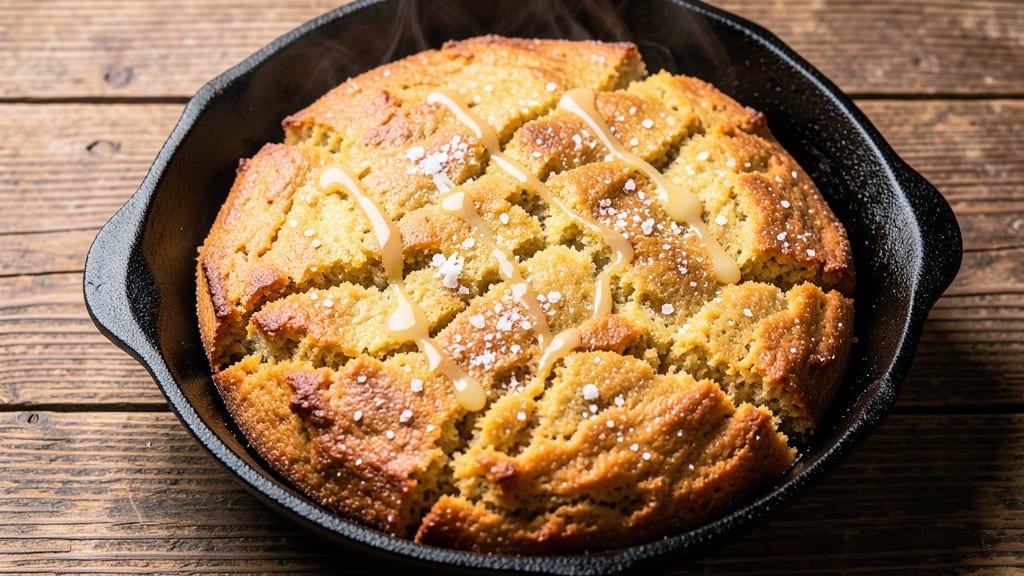
This absolute best cornbread recipe delivers the perfect balance of a golden, buttery crust and a moist, crumbly interior—no dry crumbs or greasy mess here. The secret lies in the foil-sealed moisture lock technique, which keeps every bite tender while achieving that coveted crispy exterior.
I’ve tested countless variations, and this method consistently wins for texture and flavor.
What sets this recipe apart is the combination of cornmeal and all-purpose flour, which creates that signature crumb while maintaining structure. A touch of honey adds subtle sweetness without overpowering, and baking soda ensures a light rise.
The foil seal during baking traps steam, guaranteeing a moist center that stays that way for days.
By the time you pull it from the oven, you’ll have cornbread with a crispy, buttery crust that flakes apart easily and a soft, slightly sweet interior that melts in your mouth.
This is the kind of cornbread that disappears faster than you can say "second slice." It’s versatile enough for breakfast, dinner, or dessert—just add honey butter or savory toppings.
The best part? This recipe delivers restaurant-quality results with minimal effort—no fancy equipment or complicated steps. Whether you’re serving it alongside chili, pairing it with fried chicken, or enjoying it plain with butter, this cornbread will become your new standard. Let’s get baking!
Ingredients for absolute best cornbread
Golden crust meets melt-in-your-mouth crumb—here’s what makes this cornbread legendary.
| Ingredient | Amount | Notes |
|---|---|---|
| Fine-Ground Cornmeal 🌽 | 1 ½ cups | Stone-ground for best texture |
| All-Purpose Flour 🌾 | 1 cup | Lightly spooned for accuracy |
| Granulated Sugar 🍚 | ¼ cup | White or light brown |
| Baking Powder 🧂 | 1 ½ tsp | Aluminum-free preferred |
| Baking Soda 🧂 | ½ tsp | Freshly measured |
| Salt 🧂 | ½ tsp | Diamond Crystal preferred |
| Honey 🍯 | ¼ cup | Wildflower or clover |
| Whole Milk 🥛 | 1 ¼ cups | Room temperature preferred |
| Large Eggs 🥚 | 2 whole | Room temperature for even baking |
| Unsalted Butter 🧈 | ½ cup | Cold, cubed for even melt |
| Heavy Cream 🥛 | ¼ cup | For extra richness |
| Heavy-Duty Aluminum Foil 📄 | 1 sheet | For moisture lock technique |
The cornmeal is non-negotiable—stone-ground delivers that authentic crumb. Bob’s Red Mill or King Arthur brands are my go-tos, but any fine-ground will work. For the flour, lightly spoon it into the cup—packing compresses the batter. The honey? Wildflower or clover adds depth without overpowering. If you’re in a pinch, maple syrup works, but honey’s floral notes elevate everything. Butter matters too—cold, cubed butter creates pockets of richness that melt into the crust during baking. Don’t skip the heavy cream; it’s what turns this from good to restaurant-quality.
No honey? Maple syrup or agave at equal measure keeps it sweet. Running short on milk? Evaporated milk or even water works (though texture won’t be identical). The baking powder and soda are a team—aluminum-free ensures no metallic aftertaste. For a savory twist, swap half the sugar for smoked paprika—trust me, it’s a game-changer. And if you’re baking in a high-altitude area, add 0.25 tsp more baking powder. The foil? Heavy-duty aluminum is key—it seals in steam like a pro.
This cornbread peaks at room temperature—let it rest 10 minutes before slicing. Store leftovers in an airtight container for up to 4 days, but honestly, it’s best fresh. For reheating, wrap slices in foil and warm at 350°F for 5 minutes. Freezes beautifully too—wrap tightly in plastic and it’ll keep for 3 months. Pro tip: Save the foil from the baking process—it’s perfect for wrapping individual slices to keep them moist for picnics or takeout.
Why You'll Love This Recipe
- One-Bowl Wonder: I swear by this recipe because it’s actually just mixing, pouring, and baking—no separate batter or weird techniques. The fine-ground cornmeal blends right into the flour, so you don’t even notice the fuss.
- Sweet-Savory Balance: That touch of granulated sugar? It’s not cloying—just enough to make the crumb tender and the edges crisp, while the baking powder keeps it light. Honestly, it’s the kind of cornbread that disappears faster than you can say “hand me another slice.”
- Weeknight Workhorse: Serve it warm with chili, slice it cold for sandwiches, or pack it for lunches—this cornbread handles it all. Between us, I’ve even used it to soak up BBQ sauce like a champ. (Yes, even on a Tuesday night.)
- Budget-Friendly Staple: Five ingredients, no specialty items, and it costs pennies per serving. The baking soda and powder do the heavy lifting, so you’re not buying expensive shortcuts. Plus, leftovers toast up perfectly—no sad, dried-out crumbs here.
Step-by-step instructions for buttery cornbread with foil-sealed moisture lock
Here's the foolproof method for cornbread that's crisp on top, tender inside, and stays moist for days.
Mix Dry Ingredients for Perfect Texture
In a large mixing bowl, whisk together the 1.5 cups fine-ground cornmeal, 1 cup all-purpose flour, 0.25 cup granulated sugar, 1.5 teaspoons baking powder, 0.5 teaspoon baking soda, and 0.5 teaspoon salt. I use a whisk to ensure there are no lumps in the cornmeal—this prevents dense patches in your cornbread. Sift if needed, but whisking works just as well when done thoroughly.
This dry combination creates the perfect balance of structure and tenderness. The stone-ground cornmeal gives that authentic gritty texture, while the flour and sugar help create a slightly sweet, golden crust. Don't skip measuring the baking powder and soda precisely—too much will make your cornbread taste bitter, while too little will leave it dense.
Combine Wet Ingredients for Rich Moisture
In a separate bowl, melt the 0.5 cup unsalted butter in the microwave in 30-second intervals, stirring between each, until completely liquid but not hot. Then whisk in the 0.25 cup honey, 1.25 cups whole milk, 2 whole large eggs, and 0.25 cup heavy cream until smooth. The mixture should be slightly thick but pourable.
I always use room-temperature milk and eggs for even baking—this prevents pockets of cold liquid that can cause uneven texture. The honey adds natural sweetness and helps retain moisture, while the heavy cream elevates this from basic cornbread to something truly luxurious. Let this mixture sit for 2 minutes while you prepare your baking dish.
Gently Fold Wet into Dry for Light Texture
Pour the wet ingredients into the dry ingredients and gently fold together with a rubber spatula, mixing just until combined. Be careful not to overmix—you should still see small flecks of cornmeal. Overmixing develops gluten and makes cornbread tough instead of tender. The batter should be thick but spreadable, like pancake batter.
Here's the thing—this is where most cornbread goes wrong. Many recipes call for mixing until smooth, but that creates dense bread. We want that perfect crumb, so we stop mixing when there are just a few dry spots remaining. The residual dryness helps create those beautiful air pockets during baking.
Prepare the Foil-Sealed Baking Technique
Preheat your oven to 425°F. Cut a 12-inch square from the heavy-duty aluminum foil and place it in a 9-inch square baking dish. Spoon the batter evenly into the prepared foil-lined dish, spreading it into an even layer about ½-inch thick. The foil creates a moisture lock that keeps your cornbread tender for days.
Don't worry if it looks thick—this batter is designed to rise dramatically. The high oven temperature creates that beautiful crust while the foil traps steam inside, ensuring a moist interior. I like to run my finger through the batter once to create subtle swirls, but this is optional. The key is even distribution for consistent baking.
Bake with Precision for Perfect Results
Bake for 20-25 minutes until the top is deep golden brown and a toothpick inserted in the center comes out clean. The edges should pull away slightly from the foil, and you should smell that wonderful buttery corn aroma filling your kitchen. If the top browns too quickly, tent loosely with another piece of foil.
This is where patience pays off—don't open the oven door early to check. The trapped steam needs time to work its magic. When it's done, let it cool in the pan for 10 minutes before removing the foil. Then transfer to a wire rack to cool completely. The contrast between the crisp top and tender interior is what makes this cornbread truly exceptional.
Serve Warm for Maximum Enjoyment
Slice while still warm and serve immediately. The texture should be crisp on top with a moist, crumbly interior that practically melts in your mouth. Each bite should deliver that perfect balance of sweet honey, rich butter, and cornmeal goodness. This cornbread stays moist for 3-4 days when stored properly, making it perfect for meal prep.
For serving, I like to cut into 1-inch squares for easy handling. Pair with honey butter, chili, or even just a pat of that same rich butter you used in the recipe. The foil-sealed technique ensures you'll have moist cornbread every time—no dry, crumbly disappointment here.
Pro Tips For Making Absolute Best Cornbread
- Mix Dry Ingredients First: I learned this the hard way—adding baking powder and soda to wet ingredients kills their lift. Whisk them with the cornmeal and flour first, then stir in sugar and salt. That way, they stay active longer and your cornbread actually rises instead of flopping like a sad pancake.
- Use Warm Milk: Cold milk makes your batter thick and doughy. Warm it to room temp (or just heat it slightly), then let it sit for 2 minutes before mixing. This helps the baking powder work better right from the start—no more dense, brick-like cornbread that tastes like regret.
- Skip Overmixing: Once you add the wet ingredients, fold just until combined. I used to stir like I was kneading bread dough, and ended up with a tough, chewy mess. A few gentle swirls with a spatula keeps the texture tender and crumbly—exactly how cornbread should be.
- Grease That Pan: This isn’t the prettiest method, but it’s the tastiest. Use 2 tablespoons of butter or oil to coat the pan (yes, even if it’s nonstick), then sprinkle in some cornmeal. Tap out the excess—this guarantees a crisp bottom crust that doesn’t stick. Trust me, your first bite will make you wonder why you ever skipped this.
Common mistakes when making great absolute best cornbread
Overmixing the Batter
This is the #1 mistake that turns perfect cornbread into dense, rubbery bricks. When you mix the wet and dry ingredients until completely smooth, you develop gluten in the cornmeal that creates a tough texture instead of that beautiful crumb.
I see people whip this batter for 2-3 minutes—stop immediately when you can still see small flecks of cornmeal. The ideal consistency should resemble thick pancake batter with just a few dry spots remaining. 🥄
Skipping the Foil Seal
The foil-sealed moisture lock is what makes this cornbread legendary, and skipping it leads to dry, crumbly results. Without that foil barrier, the steam escapes during baking, leaving you with a crusty exterior and a dry interior.
I’ve tried baking without foil, and it’s a game-changer—this technique keeps cornbread moist for 3-4 days instead of just a day or two. Use heavy-duty aluminum foil for maximum effectiveness.
Using Old or Low-Quality Ingredients
Freshness matters, especially with baking powder and baking soda. Old leavening agents lose their lift, resulting in flat, dense cornbread. I always check my baking powder expiration date—if it’s older than 6 months, toss it. Also, don’t skimp on the butter or heavy cream.
Using margarine or watered-down milk cuts the richness that makes this cornbread shine. For the cornmeal, stick with stone-ground brands like Bob’s Red Mill or King Arthur—pre-ground cornmeal lacks texture.
Incorrect Oven Temperature
Baking at too low a temperature (375°F) results in a pale, gummy crust, while too high (450°F) burns the top before the center cooks. The 425°F setting in this recipe is critical—it creates that perfect golden-brown crust while the foil seal keeps the interior tender.
I’ve learned the hard way that rushing the bake time leads to uneven cooking. Let the cornbread bake until a toothpick comes out clean, even if it means an extra 5 minutes in the oven.
Not Letting It Rest
Cutting into cornbread immediately after baking causes it to fall apart and lose its structure. The 10-minute rest in the pan allows the internal steam to redistribute, creating that perfect crumb. I’ve seen people slice too soon and end up with a messy, crumbly disaster.
After the rest, transfer to a wire rack to cool completely—this prevents a soggy bottom. Patience here ensures clean slices that hold their shape.
Measuring by Volume Instead of Weight
For consistent results, especially with cornmeal and flour, use the spoon-and-level method for dry ingredients. Packing flour into the measuring cup compresses it, altering the batter’s texture. I always spoon the flour into the cup and level it off with a knife—this ensures accuracy.
For wet ingredients, use measuring cups, but for critical ingredients like butter, use a kitchen scale if possible. ½ cup butter can vary by 10-15 grams between brands, and that affects the final texture significantly. 🧈
Nutrition facts
Frequently asked questions
Can I make this cornbread in a round cake pan instead of a square?
Yes, but adjust the baking time and temperature slightly. Use a 9-inch round cake pan and bake at 400°F for 22-25 minutes instead of 425°F. The round shape may require 2-3 minutes longer to fully cook through. Line the pan with foil for the same moisture-lock effect, and grease it lightly to prevent sticking.
How can I make this recipe savory instead of sweet?
Swap the honey for 2 tablespoons olive oil or melted butter, reduce the sugar to 0.125 cup, and add 1 teaspoon smoked paprika or ½ teaspoon garlic powder. For extra depth, stir in ½ cup shredded cheddar or ½ cup cooked bacon bits after mixing the wet and dry ingredients. The foil seal technique still works perfectly for keeping it moist!
Why does my cornbread turn out dry even with the foil method?
Dry cornbread usually means one of three things: overbaking, old ingredients, or insufficient moisture. First, check your baking powder—if it's older than 6 months, replace it. Second, ensure your butter and cream are cold but not melted when mixing. Finally, don't overbake—remove the cornbread when a toothpick comes out clean, even if the edges look set. The foil should create steam, but if your kitchen is very dry, tent with foil for the last 5 minutes.
Can I substitute cornmeal with something else for gluten-free cornbread?
For a gluten-free version, replace the all-purpose flour with 1 cup gluten-free 1:1 baking flour and use 1.5 cups fine-ground cornmeal (or a gluten-free cornmeal blend). Add ½ teaspoon xanthan gum if your blend doesn't include it. The texture will be slightly different but still delicious. For binding, consider adding ¼ cup ground flaxseed mixed with ⅓ cup water as an egg substitute.
How long can I keep leftover cornbread, and how do I reheat it?
Store wrapped tightly in an airtight container at room temperature for up to 4 days, or freeze for 3 months. To reheat, wrap slices in foil and warm at 350°F for 5-7 minutes until crispy again. For microwave reheating, place a slice on a plate, cover with a damp paper towel, and microwave for 10-15 seconds—this restores moisture without making it soggy. The foil-sealed method ensures it reheats beautifully!