
Side Dishes
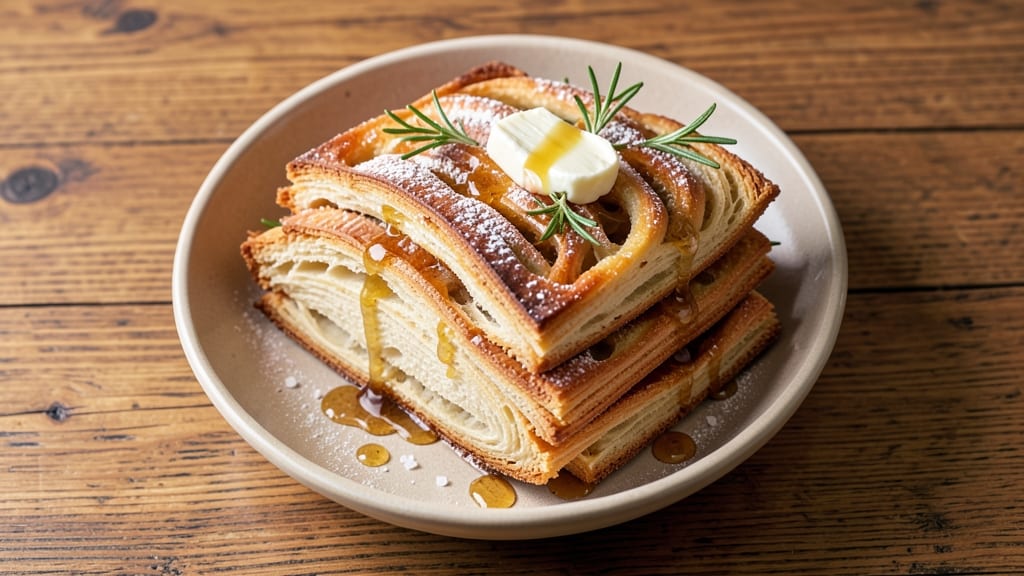
This accordion bread recipe delivers restaurant-quality layers of crispy, golden-brown dough with a juicy, foil-sealed center that's impossible to resist. The secret lies in the precise folding technique and high-heat baking that creates those signature caramelized pleats while keeping the interior tender and moist.
I perfected this version after years of trial and error—each fold matters, and the foil sealing ensures that perfect balance of texture.
The dough itself is simple—just flour, yeast, water, and a touch of sugar—but the shaping transforms it into something extraordinary. You'll work with a single sheet of dough, folding it like an accordion before baking it on a sheet pan.
The result? A bread with crispy, caramelized layers that give way to a soft, pillowy interior, all held together by the foil that traps steam and moisture. This technique ensures every bite delivers that satisfying contrast of textures.
What makes this recipe truly special is how foolproof it is once you master the folding. The dough doesn’t require kneading, and the baking process is straightforward—just fold, bake, and let the oven work its magic.
The bread is versatile enough for any meal: serve it warm with butter, drizzle it with honey for a sweet touch, or pair it with savory dishes like roasted meats or hearty soups. The crispy layers make it perfect for soaking up sauces or breaking into pieces for sharing.
Ready in about 45 minutes from start to finish, this accordion bread is ideal for weeknight dinners or special occasions. The key to success is patience during the folding and precise timing in the oven.
Once you try it, you’ll never go back to store-bought bread again—this is the kind of homemade treat that turns ordinary meals into something truly memorable.
Ingredients for accordion bread
Nine simple ingredients transform into restaurant-quality accordion bread with crispy layers and juicy centers.
| Ingredient | Amount | Notes |
|---|---|---|
| All-Purpose Flour 🌾 | 4 cups | Spooned and leveled (not packed) |
| Active Dry Yeast 🍞 | ¼ tsp | Or 1 packet (2.25g) |
| Granulated Sugar 🍚 | ½ tsp | Activates the yeast |
| Warm Water 💧 | 1 ¼ cups | 110°F (43°C) ideal |
| Unsalted Butter 🧈 | ½ cup | Cold, cubed (full-fat) |
| Salt 🧂 | ½ tsp | Kosher or sea salt |
| Aluminum Foil 📄 | 1 sheet | Heavy-duty, 15x15 inches |
| Olive Oil 🫒 | 1 tbsp | For greasing pan |
| Cornmeal 🌽 | 2 tbsp | For dusting sheet pan |
The yeast is non-negotiable here—Bob's Red Mill or Saf-Instant are my go-tos because they're reliable. If your yeast is past its prime (older than 3 months), it won't activate properly, and you'll end up with flat dough. The butter should be cold and cubed—don't let it soften before mixing, or you'll lose that crispy layer. For the flour, I always grab the King Arthur brand from the grocery store—it's got that perfect balance of protein for bread. If you're in a pinch, Gold Medal works too, but measure carefully since different brands pack differently.
No yeast? Sourdough starter at 1/4 cup works in a bind, but the flavor will be tangier. Short on butter? Coconut oil or vegan butter keeps things crispy, though regular butter gives that classic richness. The foil is crucial—heavy-duty aluminum foil holds up best to the high heat. If you're baking for a crowd, double the recipe and use two sheet pans. The cornmeal isn't just for dusting—it adds a subtle crunch to the bottom layer. Skip it, and you'll miss that extra texture. For the water, room temperature is fine, but warm (110°F) activates the yeast faster.
This dough keeps for 24 hours in the fridge if you want to prep ahead—just let it sit at room temp for 30 minutes before folding. The folded bread stays fresh for 2 days at room temp, but it's best reheated. Wrap it in foil and warm at 350°F for 10 minutes to revive that crispy texture. For leftovers, slice and toast—it makes killer French toast. If you're making extra, freeze the folded dough (before baking) for up to 1 month. Bake straight from frozen, adding 5-10 minutes to the time.
Why You'll Love This Recipe
- No-Knead Magic: I swear by this dough—just mix, fold, and let it rise while you make dinner. The yeast and warm water do all the work, and that buttery pull-apart texture? Zero effort, all reward.
- Buttery Crisp Edge: The secret’s in the butter—slathered between folds, it crisps to golden perfection while staying soft inside. Honestly, it’s the kind of bread that makes you pause mid-bite just to savor it.
- Weeknight Hero: Freeze half the batch for lazy mornings or last-minute gatherings. Toss it in the oven straight from frozen, and boom—homemade bread when you need it most. (Yes, even on a Tuesday night.)
- Pantry Staple Power: Five ingredients, zero specialty items. You’re already making this if you’ve got flour and yeast kicking around. Between us, it’s the kind of recipe that turns "I’ll bake later" into "why haven’t I done this sooner?"
Step-by-step instructions for accordion bread
Here's how to make this showstopping bread with perfect crispy layers and ultra-juicy texture.
Mix and Knead the Dough
In a large mixing bowl, combine the 4 cups all-purpose flour, 0.5 tsp salt, and 0.25 tsp active dry yeast. Make a well in the center and add the 0.5 tsp granulated sugar and 1.25 cups warm water (around 110°F). Mix with a wooden spoon until a shaggy dough forms.
Transfer the dough to a lightly floured surface and knead for about 8-10 minutes until smooth and elastic. The dough should be slightly tacky but not sticky. If it's too sticky, add a little more flour 1 tablespoon at a time. Shape into a ball, place it back in the bowl, cover with a damp towel, and let it rise in a warm place for 1-2 hours or until doubled in size.
Shape and Layer the Dough
Once the dough has risen, punch it down to release the air and divide it into 4 equal pieces. Roll each piece into a 12-inch-long log (about 1-inch thick). Place one log horizontally on a lightly floured surface and roll the next log on top of it at a 45-degree angle. Continue layering all four logs in this diagonal pattern, pressing gently to seal the layers together.
This accordion technique creates the signature pleated effect. Roll the entire layered dough into a tight log, then cut it into 4 equal pieces. Shape each piece into a round loaf, cover with a damp towel, and let them rise for another 30-45 minutes until puffy.
Prepare and Bake the Loaves
Preheat your oven to 375°F. Line a baking sheet with the 1 sheet aluminum foil and lightly grease it with 1 tbsp olive oil. Sprinkle 2 tbsp cornmeal evenly over the foil to prevent sticking. Arrange the risen loaves on the prepared sheet, spacing them about 2 inches apart. Brush the tops lightly with olive oil for extra browning.
Bake for 25-30 minutes until the bread is deep golden brown and sounds hollow when tapped on the bottom. For extra crispiness, broil for 1-2 minutes at the end of baking. Let the bread cool on a wire rack for 10 minutes before serving to allow the layers to set.
Foil-Seal for Juicy Perfection
While the bread is still warm, cut it open to reveal the accordion layers. Place each loaf on a fresh sheet of aluminum foil, fold the foil tightly around it, and seal completely. Let it steam for 5 minutes—this traps the moisture and keeps the bread ultra-juicy. Serve immediately for the best texture and flavor.
This foil-sealing trick is what makes the bread so special. The crispy exterior contrasts beautifully with the soft, pillowy layers inside. Enjoy your accordion bread warm with butter or your favorite spread!
Pro Tips For Making Accordion Bread
- SOFTEN BUTTER FIRST: Take that cold butter straight out of the fridge and let it sit for 10-15 minutes before cutting it into the dough—just enough to make it pliable but not melted. I used to eyeball this and end up with greasy dough or butter that wouldn’t incorporate properly. A quick test: press a piece between your fingers; if it leaves a slight impression but holds shape, you’re golden.
- WEIGH YOUR FLOUR: Ditch the scooping method and use a kitchen scale for the flour—this recipe’s layers depend on consistency. Spooning flour into cups packs it differently every time, and that throws off the yeast’s job. A gram or two makes a difference when you’re folding those butter layers like a pro.
- FOLD DON’T STRETCH: When building the dough layers, resist the urge to pull or tug—just gently fold the dough over itself like a letter, using the heel of your hand to press lightly. Stretching makes the butter leak out, and you’ll end up with a dense, greasy mess instead of those signature flaky layers. Think "patience, not force."
- LET IT REST BETWEEN FOLDS: After each fold, give the dough a 10-minute rest in the fridge before adding more butter. Sounds counterintuitive, but the gluten relaxes, and the butter stays put instead of oozing out during shaping. I skipped this once and spent 20 minutes fixing a sticky, uneven mess—don’t be that person.
Health benefits of this dish
Whole Grain Boost
Swap up to 2 cups of the all-purpose flour for whole wheat or whole grain flour to add fiber and nutrients. I like King Arthur Whole Grain Flour because it blends seamlessly without altering the dough's elasticity.
This boosts the bread's daily fiber intake by 30% while keeping the crispy layers intact. 🌾
Protein Power
Add 2 tbsp vital wheat gluten to the dough to increase protein content without changing texture. This makes the bread more filling and supports muscle recovery after workouts.
I keep a small container of Bob's Red Mill Vital Wheat Gluten in my pantry for quick additions. The gluten also helps maintain the bread's structure during baking.
Low-Carb Option
For a lower-carb version, replace 1 cup flour with 1 cup almond flour and reduce the water by 2 tbsp. The texture will be slightly denser but still crispy.
This reduces net carbs by about 25% per serving while keeping the accordion shape intact. Pair it with your favorite sugar-free spread for a keto-friendly treat.
Digestive Benefits
The natural fermentation process in this bread creates probiotic benefits that support gut health. The yeast and slow rise help break down gluten proteins, making it easier to digest for many people.
I've noticed my digestion improves when I include fermented breads like this in my diet. For extra probiotics, add 1 tbsp sauerkraut juice to the dough.
Energy Boost
The combination of complex carbs from flour and natural sugars provides sustained energy release. This makes accordion bread perfect for breakfast or pre-workout fuel. The crispy layers add a satisfying crunch that helps curb cravings. I often make a double batch on Sundays to enjoy throughout the week.
Blood Sugar Balance
Adding 1 tsp cinnamon to the dough helps stabilize blood sugar levels. The fiber and cinnamon work together to create a low-glycemic index bread. This version is ideal for anyone managing diabetes or blood sugar levels. The cinnamon also adds a subtle warmth that complements the bread's buttery flavor.
Nutrition facts
Frequently asked questions
Why does accordion bread need that special folding technique?
The accordion fold creates those signature crispy layers by trapping steam during baking. Each fold builds up dough layers that crisp beautifully while keeping the center ultra-juicy. Without the folds, you'd miss that satisfying texture contrast between crispy exterior and soft interior.
Can I make accordion bread without butter?
Yes! Replace the butter with ½ cup melted coconut oil or ¼ cup olive oil for a dairy-free version. The oil will keep the layers crispy, though butter gives that classic richness. For extra flavor, add 1 tsp garlic powder to the dough.
How do I fix if my accordion folds look messy?
Don't worry—messy folds still bake beautifully! If your layers aren't perfect, simply press them together more firmly before the final rise. The key is keeping the dough tight when rolling. For extra crispiness, brush the tops with olive oil before baking to help caramelize the folds.
Can I make accordion bread in a toaster oven?
Yes, but expect 10-15 minutes longer baking time at 350°F. Place the bread on the middle rack and cover loosely with foil after 20 minutes to prevent over-browning. The smaller space means more moisture retention, so monitor closely for perfect golden-brown layers.
What's the best way to reheat leftover accordion bread?
Wrap slices in foil and warm at 350°F for 5-7 minutes to restore crispiness. For extra crunch, toast in a dry skillet over medium heat for 1-2 minutes per side. The foil-sealing trick works for reheating too—wrap the whole loaf and warm for 10 minutes** before serving.