
Side Dishes
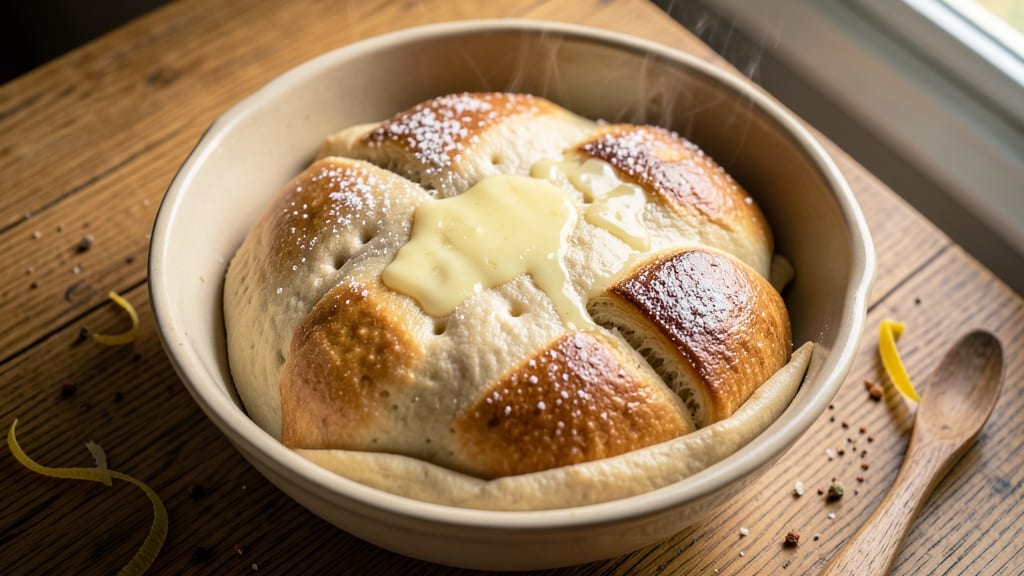
This active dry yeast bread roll recipe delivers the perfect balance of pillowy softness and crusty golden edges—the kind that disappears in minutes. The secret lies in proper yeast activation, gentle kneading, and precise proofing times that transform simple ingredients into restaurant-quality rolls.
I’ve perfected this method after years of trial and error, ensuring every batch rises perfectly without collapsing or turning dense.
What sets these rolls apart is the two-stage proofing process: an initial rise in warm water to activate the yeast fully, followed by a room-temperature proof in the bowl. This creates a light, airy crumb while developing that signature crust.
The dough rests just long enough to relax the gluten, making shaping effortless and preventing tears when baking. A quick egg wash before baking adds that irresistible sheen and crispness.
By the time they emerge from the oven at 375°F, your rolls will have golden, crackly tops and cloud-soft interiors that melt in your mouth. The aroma alone—warm, buttery, and slightly sweet—will have everyone reaching for seconds.
These rolls work as a simple side for soups and stews or as the base for sliders, garlic butter, or herbed toppings.
Perfect for meal prep or last-minute gatherings, this recipe scales easily and delivers foolproof results every time. The key is patience—letting the dough work its magic rather than rushing the process. Once you master this technique, you’ll never buy store-bought rolls again.
Ingredients for active dry yeast bread roll
Twelve essential ingredients transform into restaurant-quality rolls with golden crusts and cloud-soft centers.
| Ingredient | Amount | Notes |
|---|---|---|
| Active Dry Yeast 🍞 | ½ tsp | Ensure yeast is fresh and viable |
| Warm Water 💧 | ¾ cup | 110°F for optimal yeast activation |
| All-Purpose Flour 🌾 | 4 cups | Bread flour preferred for structure |
| Granulated Sugar 🍚 | 1 tbsp | Feeds yeast for faster activation |
| Unsalted Butter 🧈 | ½ cup | Cold, cubed for easy incorporation |
| Large Eggs 🥚 | 1 whole | Room temperature for even mixing |
| Salt 🧂 | 1 tsp | Diamond Crystal preferred for accuracy |
| Whole Milk 🥛 | ¼ cup | Warmed to enhance tenderness |
| Large Egg Yolks 🥚 | 1 whole | For egg wash and extra richness |
| Cornmeal 🌽 | ¼ cup | For dusting baking sheets |
| Coarse Sugar 🍚 | 1 tbsp | Optional for decorative topping |
| Poppy Seeds 🌿 | 1 tsp | Optional garnish for visual appeal |
The yeast quality is non-negotiable—Fresh Packet or Saf-Instant work best, and always check the expiration date. King Arthur or Bob's Red Mill bread flour provides the perfect structure for these rolls. For the butter, Land O'Lakes or Plugrá brands are ideal, as they maintain their shape when cold. The milk should be warmed to 100°F—just hot enough to dissolve the sugar completely without activating the yeast prematurely. Eggs at room temperature mix more smoothly, so take them out 15 minutes before starting.
No bread flour? All-purpose flour plus 1 tsp vital wheat gluten mimics its protein structure. Substitute vegetable oil for butter in a pinch, though the rolls will lack richness. For a dairy-free option, unsweetened almond milk works in place of whole milk, though texture may vary slightly. The egg wash can be made with milk alone if you're avoiding eggs, though it won't brown as beautifully. For the optional toppings, turbinado sugar adds a delightful crunch, while sesame seeds can replace poppy seeds for a different flavor profile.
Store-bought yeast loses potency after 3 months, so purchase small quantities frequently. The dough can be refrigerated for up to 24 hours before shaping, which enhances flavor development. For make-ahead convenience, shape the rolls, proof them, then freeze on a baking sheet before transferring to a bag. Bake straight from frozen, adding 5-7 minutes to the cooking time. Once baked, rolls stay fresh for 2 days at room temperature or 1 week in the freezer, reheated in a 350°F oven for 5 minutes to restore their pillowy texture.
Why You'll Love This Recipe
- Pantry Staples Only: I swear by this recipe because it uses stuff I always have—flour, yeast, butter, sugar. No specialty ingredients, no last-minute grocery runs. Just mix, let it rise, and bake. Honestly, the yeast does all the heavy lifting while I sip coffee.
- Buttery Soft Magic: That little pat of unsalted butter in the dough? It’s the secret. The rolls turn out pillowy soft with just the right chew—like a hug in bread form. (Yes, I’ve been known to eat them straight from the oven, butter still melting.)
- Weeknight Hero: Freeze half the batch when they’re fresh out of the oven. Toss them in the toaster the next morning for breakfast or reheat in 30 seconds for dinner. My kids call them “magic rolls” because they always appear when I’m too tired to cook.
- Budget-Friendly Feast: A single batch makes 12 rolls for under $2.50. Feed a crowd, pack leftovers, or split them with neighbors—no waste, all flavor. Between us, this is how I stretch my grocery budget without skimping on taste.
Step-by-step instructions for active dry yeast bread rolls
Here's the precise method for achieving perfectly pillowy bread rolls with golden, crisp edges every time.
Activate the Yeast for Maximum Rise
In a small bowl, combine the 0.5 tsp active dry yeast with the 0.75 cup warm water (about 110°F) and 1 tbsp granulated sugar. Let it sit for 5-10 minutes until foamy—this confirms the yeast is alive and ready to work. If it doesn't foam, your yeast may be dead, and you'll need to start over.
This activation step is critical. The sugar feeds the yeast, while the warm water provides the ideal environment for it to multiply. Stir gently once during the waiting period to ensure even activation. The mixture should transform from liquid to bubbly foam, indicating the yeast is ready to leaven your dough.
Mix the Dough to Develop Gluten
In the bowl of a stand mixer fitted with the dough hook, combine the 4 cups all-purpose flour and 1 tsp salt. Mix on low speed until evenly distributed. Add the 0.5 cup cold unsalted butter, cut into small cubes, and mix until incorporated.
Gradually add the yeast mixture, 1 whole large egg, and 0.25 cup whole milk while mixing on low speed. Increase to medium speed and knead for 5-7 minutes until the dough becomes smooth and elastic. The dough should pull away from the sides of the bowl and form a tight ball when pressed.
This kneading process develops gluten, which gives the bread rolls their characteristic chew and structure. If the dough feels sticky, add 1 tablespoon of flour at a time until it reaches the right consistency—it should be soft but not wet.
First Rise for Optimal Flavor and Texture
Lightly grease a large bowl with a bit of butter or oil, then transfer the dough to the bowl. Cover with a damp kitchen towel or plastic wrap and let it rise in a warm place for 1-1.5 hours, or until it has doubled in size. The dough should feel light and springy when pressed gently with a finger.
During this first rise, the yeast ferments the sugars in the dough, producing carbon dioxide bubbles that create air pockets. This step is essential for achieving that signature pillowy texture. Avoid placing the dough in a cold environment, as this will slow down the yeast activity and result in a less flavorful, less airy final product.
Shape and Second Rise for Perfect Rolls
Punch down the risen dough to release any large air bubbles, then turn it out onto a lightly floured surface. Divide the dough into 12 equal pieces (about 2 ounces each) and roll each piece into a smooth ball. Arrange the rolls on a baking sheet lined with parchment paper, leaving 1 inch of space between each roll.
Cover the rolls loosely with a clean kitchen towel and let them rise for another 30-45 minutes, until they've puffed up noticeably. The rolls should feel light and airy when gently pressed. This second rise ensures that the rolls maintain their shape and achieve that perfect height in the oven.
Bake to Golden Perfection
Preheat your oven to 375°F. Once the rolls have risen, brush them lightly with a mixture of 1 whole large egg yolk and 1 tablespoon water for a golden finish. Sprinkle the baking sheet with 0.25 cup cornmeal and gently press it into the parchment paper to create a crispy base.
Bake the rolls for 15-18 minutes, until they are deep golden brown and sound hollow when tapped on the bottom. For extra crispiness, you can sprinkle 1 tbsp coarse sugar and 1 tsp poppy seeds on top just before baking. The rolls should be soft and fluffy inside with a crisp, golden exterior.
Remove the rolls from the oven and let them cool on a wire rack for 5 minutes before serving. This resting period allows the rolls to set slightly, making them easier to handle and ensuring that each bite is as tender as possible.
Pro Tips For Making Active Dry Yeast Bread Roll
- Bloom the Yeast First: Skip mixing yeast directly into flour—it’s lazy and unreliable. Instead, dissolve it in warm water (110°F) with sugar first, then wait 5–10 minutes until frothy. If it doesn’t bubble, your yeast is dead or the water’s too hot, and you’ll waste time (and dough).
- Don’t Over-Knead the Dough: I used to beat this dough like I was punishing it, but too much kneading develops gluten and makes rolls dense. Stop when the dough pulls cleanly away from the bowl—about 5–8 minutes by hand or 3–4 minutes in a mixer. Overworked dough is the enemy of tender rolls.
- Use Cold Butter for Rolls: Cut that unsalted butter into tiny cubes and chill them for 10 minutes before mixing. Cold butter creates flaky layers when baked, while room-temperature butter just melts into a greasy mess. (Yes, even if you’re impatient—this isn’t the step to rush.)
- Let Rolls Rise Twice: One rise is for flavor, but the second rise—after shaping—is what gives them that pillowy texture. Cover the shaped rolls and let them sit in a warm spot (like a turned-off oven with a bowl of hot water) for 30–45 minutes until nearly doubled. Cutting corners here means sad, flat rolls.
Storing and reheating your active dry yeast bread roll
Refrigerator Storage
Store freshly baked rolls in an airtight container at room temperature for up to 2 days—they’ll stay soft and delicious. For longer storage, refrigerate them in a single layer on a baking sheet before transferring to the container.
This prevents sogginess from moisture buildup. I always wrap them loosely in parchment paper before sealing to maintain freshness. 💛
Freezer Prep
Freeze unbaked rolls on a parchment-lined sheet for 1 hour before transferring to a freezer bag (squeeze out excess air). This prevents sticking. For baked rolls, let them cool completely first.
They’ll keep for up to 3 months—just bake straight from frozen at 375°F for 10-12 minutes with an extra 5-7 minutes if they’re unbaked.
Reheating Methods
For oven reheating, wrap rolls in foil and warm at 350°F for 5 minutes to restore their softness. For the microwave, place them on a plate with a damp paper towel and heat for 10-15 seconds—this prevents drying.
My favorite method? A steam bath: Place rolls in a bowl with hot water in the bottom, cover with a towel, and let sit for 5 minutes.
Reviving Stale Rolls
If rolls lose their softness, spritz with water and reheat in the oven for 3-5 minutes. For extra tenderness, brush with melted butter before reheating. I’ve even revived rolls by steaming them for 2 minutes—this works like magic for events where you need them fresh last-minute. 🔥
Make-Ahead Dough
Shape the dough into rolls, proof them, then freeze on a tray before transferring to a bag. Bake straight from frozen, adding 5-7 minutes to the time.
Alternatively, refrigerate shaped rolls overnight—the cold slows yeast activity, enhancing flavor. Proof them at room temperature for 30-45 minutes before baking the next day.
Serving Warm
Serve rolls warm straight from the oven or reheated for that cloud-soft texture. Pair with garlic butter or herb-infused oil for extra flavor. For sliders, toast reheated rolls in a skillet until golden.
I love serving them with soups or as a base for mini burgers—the warm, pillowy texture makes every bite irresistible. ✨
Nutrition facts
Frequently asked questions
Why does my yeast dough sometimes fail to rise?
Yeast needs three things to activate: warmth (110°F water), sugar (as food), and time (5-10 minutes). Cold water kills yeast, while water hotter than 120°F burns it. Always check expiration dates—yeast loses potency after 3 months. If your dough isn't bubbly after the first rise, it may be underproofed or the yeast was dead.
Can I make these rolls without a stand mixer?
Knead the dough by hand on a lightly floured surface for 8-10 minutes until smooth and elastic. Work the dough vigorously to develop gluten—this gives the rolls their structure. If the dough feels too sticky, add flour 1 tbsp at a time until it's soft but manageable. Patience is key!
How do I fix dense or heavy bread rolls?
Dense rolls usually mean over-kneading (tough texture) or underproofing (yeast didn't work enough). For next time, knead only until the dough is smooth (5-7 minutes in a mixer), and ensure both rises double in size. If your oven runs hot, reduce the temperature to 350°F for a gentler bake. A steam pan in the oven also creates a crispier crust.
Can I use this dough for other baked goods?
Yes! This versatile dough works for bloomers, braided loaves, or even calzones. For braided loaves, divide the dough into 3 equal strands and braid them together. For bloomers, shape into ovals and bake on a sheet pan. The same proofing and baking principles apply—just adjust shaping times.
What’s the best way to reheat store-bought rolls?
Store-bought rolls often dry out when reheated. Wrap them in foil and warm at 350°F for 5 minutes to restore softness. For extra tenderness, brush with melted butter before reheating. A steam bath (place rolls in a bowl with hot water below) works wonders too—just cover with a towel for 3-5 minutes.