
Side Dishes
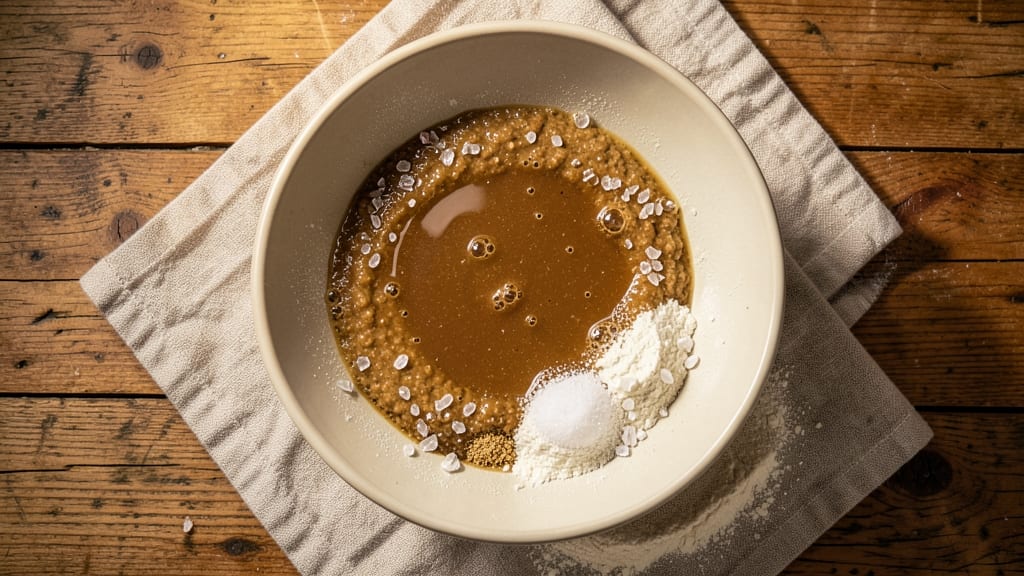
Transforming the sourdough discard into a light, airy loaf by adding sourdough discard to bread recipe is the perfect way to reduce waste while elevating your bread game. This recipe turns what would otherwise be tossed out into a flavorful, textured loaf that rivals artisanal bakery bread—no fancy equipment required.
The key lies in balancing hydration and fermentation, which creates that signature open crumb and complex flavor.
What sets this bread apart is how the discard’s natural acidity enhances the crust while contributing to a tender, slightly chewy crumb. Unlike traditional bread recipes, this one incorporates discard directly into the dough, cutting down on active dry yeast and relying instead on the wild yeast already present.
The result? A loaf with depth and character that’s impossible to achieve with commercial yeast alone.
By the time your loaf emerges from the oven, you’ll have a golden, crackling crust with a crumb so open it practically melts in your mouth.
The tangy notes from the discard mellow slightly during baking, leaving behind a bright, slightly sour edge that pairs beautifully with butter, soup, or jam. This recipe is ideal for bakers who want to experiment without risking failure—it’s forgiving yet impressive.
The best part? You can adjust the discard-to-flour ratio based on how much you have on hand, making it a flexible solution for any sourdough keeper. Let’s get started on creating a loaf that’s as sustainable as it is delicious.
Ingredients for add sourdough discard to bread
Unleash your sourdough's potential with these precise ingredients for a loaf that’s both sustainable and spectacular.
| Ingredient | Amount | Notes |
|---|---|---|
| Active Sourdough Discard 🍞 | 1 cup | Unfed discard with bubbles (100% hydration) |
| All-Purpose Flour 🌾 | 3 ½ cups | Bread flour preferred for structure |
| Active Dry Yeast 🍞 | ¼ tsp | Optional for extra lift (omit if discard is active) |
| Granulated Sugar 🍚 | ½ tsp | Feeds yeast for initial fermentation |
| Warm Water 💧 | 1 ½ cups | 105°F-110°F for ideal yeast activation |
| Kosher Salt 🧂 | 1 ½ tsp | Diamond Crystal preferred for accuracy |
| Olive Oil 🫒 | 2 tbsp | Extra-virgin for richness (not essential) |
| Honey 🍯 | 1 tbsp | Enhances crust browning and flavor |
| Cornmeal 🌽 | ¼ cup | For dusting proofing basket or parchment |
| Ice Water ❄️ | ¼ cup | For final dough shaping and tension |
The sourdough discard is the star here—look for a well-bubbled, active discard (100% hydration) from your starter. If yours is sluggish, feed it 24 hours ahead for extra vigor. King Arthur or Caputo bread flour gives the best structure, but all-purpose works in a pinch. For the yeast, I usually skip it if my discard is active, but adding 0.25 tsp active dry yeast ensures consistent rise. The warm water should be just shy of boiling—test it with your finger (should feel like bathwater). Whole Foods or local bakeries often sell high-quality bread flour if you’re not baking often.
No sourdough discard? Use 1 cup plain yogurt or buttermilk as a tangy substitute, but the flavor won’t be identical. Short on bread flour? White whole wheat flour at 50% replacement adds nuttiness. The honey can be swapped for maple syrup or agave—just reduce to 1 tbsp if using agave (it’s sweeter). For a lighter crumb, add 1 tbsp vital wheat gluten to the flour. The olive oil is optional but adds tenderness; if you skip it, brush the dough with melted butter after shaping for shine. The ice water might sound odd, but it’s key for dough tension—don’t skip it!
This dough is best baked fresh, but you can prep it up to 24 hours ahead—just refrigerate the shaped loaf (covered) and let it come to room temp before baking. For storage, wrap the cooled loaf in beeswax wrap or a cotton towel to keep it soft. Freeze slices for 3 months—toast straight from frozen. Pro tip: Save your discard scraps from shaping the dough—combine with a little flour and water to make mini discard pancakes or muffins. Every bit counts!
Why You'll Love This Recipe
- No Waste, No Stress: I keep a jar of discard in my fridge anyway—this recipe turns it into golden, crusty bread with zero extra shopping. Just mix, let it rise, and bake. That’s it. No guilt, no fuss, just good bread.
- Tangy, Toasty Magic: The discard gives this bread a depth you won’t find in store-bought loaves—slightly sour, slightly sweet, with that chewy crumb. Honestly, it’s the kind of flavor that makes you pause mid-slice and think, “Wait, I made this?”
- Weeknight Wonder: Toss it in the oven while you prep dinner—it bakes in under an hour. Leftovers? Toast them for breakfast or pack them for lunch. My kids grab it straight from the fridge for sandwiches, and I don’t even have to reheat it.
- Budget-Boosting Staple: A loaf costs pennies to make, and it keeps for days. Freeze slices for quick toast or crumbs for meatballs. Between us, this is how I stretch my grocery budget without sacrificing taste—no sad, dense bread here.
Step-by-step instructions for tangy sourdough bread with light crumb
This method transforms discard into a loaf with crisp crust and airy interior—no fancy equipment needed.
Combine Discard, Yeast, and Hydration
In a large bowl, mix the 1 cup active sourdough discard with the 1.5 cups warm water (test temperature—it should feel like bathwater). Add the 0.5 tsp granulated sugar and 0.25 tsp active dry yeast (if using), then stir gently. Let this sit for 15-20 minutes until you see small bubbles forming on the surface—this confirms fermentation is active. If your discard is already bubbly and active, skip the yeast entirely.
While waiting, measure out the 3.5 cups all-purpose flour and 1.5 tsp kosher salt in a separate bowl. The salt will dissolve completely in the wet mixture, so don't worry about pre-mixing it with the flour. This initial hydration step is crucial—it jumpstarts the fermentation process and creates a smooth, elastic dough later.
Mix and Knead the Dough
Gradually add the flour and salt to the discard mixture, stirring with a wooden spoon until a shaggy dough forms. Once combined, turn it out onto a lightly floured surface and knead for 8-10 minutes by hand (or use a stand mixer with a dough hook for 5-6 minutes). You're looking for a smooth, slightly tacky dough that springs back when poked—this indicates proper gluten development.
Here's the thing—sourdough discard dough is more forgiving than yeasted dough, but it still needs structure. If the dough feels too sticky after kneading, add 1 tablespoon of flour at a time until it's just manageable. Wrap the dough tightly in plastic wrap and let it rest at room temperature for 1 hour. This resting period relaxes the gluten and makes shaping easier later.
Bulk Fermentation and Shaping
After the initial rest, punch down the dough gently to release any air bubbles, then shape it into a loose round (like a ball). Place it back in the bowl, cover with a damp towel, and let it ferment at room temperature for 3-4 hours or until it has roughly doubled in size. You'll know it's ready when the dough feels light and springs back slowly when poked.
During this time, preheat your oven to 425°F and prepare a baking sheet by dusting it with 0.25 cup cornmeal. The cornmeal creates a crispy, golden base for your loaf. If you're using a proofing basket, dust it generously with cornmeal now—this prevents sticking and gives the bread its signature texture.
Final Proof and Baking
Once the dough has risen, shape it into a tight boule (round) or batard (oval) by folding the edges toward the center and tucking them under. Place it seam-side up on your prepared baking sheet or in the cornmeal-dusted proofing basket. Let it rise for another 30-45 minutes until it has puffed noticeably and feels firm to the touch.
While the dough proofs, create steam in your oven by placing a baking sheet on the lower rack and pouring in 0.25 cup ice water. This steam is essential—it creates that signature crisp crust. Bake the bread for 30-35 minutes until it's deep golden brown and sounds hollow when tapped on the bottom. For extra shine, brush the crust with 1 tbsp honey mixed with 1 tablespoon water after 20 minutes of baking.
Cool and Enjoy
Remove the bread from the oven and let it cool on a wire rack for at least 1 hour before slicing. This resting period allows the crumb to set and prevents a gummy texture. The crust should be crisp and slightly tangy from the sourdough, while the interior should be light and airy with an open crumb structure.
Slice the bread and serve warm with butter or olive oil—you'll notice the complex flavor from the discard, balanced by the sweetness of the honey and the crisp texture from the cornmeal. Store leftovers wrapped in a cloth bag at room temperature for up to 3 days, or freeze for longer storage. This bread improves overnight as the flavors meld further.
Pro Tips For Making Add Sourdough Discard To Bread
- WEIGH THE DISCARD: Sourdough discard is deceptive—what looks like a cup can actually be closer to 120-140g. Use a kitchen scale for accuracy, especially if your recipe relies on ratios. I learned this the hard way when my loaf turned dense because I eyeballed it.
- HYDRATE THE YEAST FIRST: Mix the yeast, sugar, and warm water (95-105°F) separately for 5 minutes before adding to the flour and discard. This ensures the yeast is active and ready to work—skipping this step often leads to slow or uneven rises.
- LET THE DOUGH REST: After mixing, let the dough sit covered for 30 minutes before shaping. This relaxes the gluten, making it easier to handle and preventing a tough crumb. I used to skip this, and my bread always felt gummy.
- USE COLD WATER FOR FINAL SHAPE: If your kitchen is warm, chill the shaped dough in the fridge for 12-24 hours before baking. The slow fermentation deepens flavor and improves texture—no need for a Dutch oven if you bake it straight from the fridge at 375°F for 40-45 minutes.
Serving suggestions for this dish
Butter Pairings
This tangy sourdough loaf practically begs for a pat of cultured butter—I reach for Plugrá European-style butter because its high fat content (86%) melts beautifully and enhances the crust's flavor.
For a richer option, try Brown Butter Compound Butter (mix ½ cup softened butter with 1 tbsp honey, 1 tsp lemon zest, and ½ tsp sea salt), then chill until firm before slicing. Spread a thin layer on warm slices for that perfect buttery crunch. 🧈
Soup Companions
Pair your loaf with roasted tomato soup or minestrone—the bread's crisp crust soaks up broth beautifully while its open crumb holds up to hearty soups. For a lighter option, try gazpacho or chilled cucumber soup, where the bread's tangy notes complement the cool, fresh flavors.
I like to serve it alongside olive oil and balsamic vinegar for dipping, which adds another layer of depth to each bite.
Breakfast Spreads
Transform this bread into a breakfast star with ricotta cheese and honey—spread ¼ cup ricotta on a slice, drizzle with 1 tbsp honey, and finish with crushed pistachios for crunch.
For a savory twist, top with smoked salmon, everything bagel seasoning, and a smear of herb cream cheese. The sourdough's tang cuts through the richness perfectly, making it a satisfying morning meal.
Cheese Board Essentials
This bread is a game-changer on cheese boards—its crisp crust holds up to soft cheeses like brie or goat cheese, while the open crumb pairs well with aged cheddar or blue cheese.
I arrange slices with cured meats (like prosciutto or salami), fig jam, and walnuts for a balanced mix of textures and flavors. The sourdough's acidity also cleanses the palate between rich cheeses, making it the perfect neutral base.
Sandwich Potential
Use thick slices for gourmet sandwiches—try a Caprese with fresh mozzarella, tomato, basil, and a drizzle of balsamic glaze. For a hearty option, layer with grilled chicken, avocado, and spicy mayo.
The bread's structure holds up to wet ingredients without falling apart, and its tangy flavor adds complexity to any filling. Toast the slices lightly before assembling to enhance the crust's crispness.
Dessert Twist
For a sweet finish, serve with dark chocolate (70% or higher) and a glass of red wine—the bread's crust pairs surprisingly well with bitter chocolate.
You can also make sourdough discard croutons by cubing leftover bread, tossing with olive oil, cinnamon, and brown sugar, then baking at 350°F for 10-12 minutes until crispy. These add texture to salads or desserts like panna cotta or ice cream. 🍫
Nutrition facts
Frequently asked questions
Can I use sourdough discard that's been in the fridge for a week?
Fresh discard works best, but you can revive older discard by mixing it with equal parts flour and water (e.g., 1 cup discard + 1 cup flour + 1 cup water) and letting it sit at room temperature for 4-6 hours until bubbly. If it smells strongly alcoholic or has no bubbles, it's too weak—start fresh with active discard. The longer discard sits, the more its flavor intensifies, but it should still contribute tangy notes to your bread.
What if my discard isn't bubbly when I start?
If your discard lacks bubbles, it may be dormant. Feed it 1:1:1 ratio (discard:flour:water) and let it sit for 4-6 hours at room temperature until active. For this recipe, you can still proceed but add 0.25 tsp extra yeast to ensure proper rise. The bread will still taste good, though the flavor may be milder. Always check for bubbles before using discard in recipes.
Can I make this bread without a proofing basket?
Shape the dough into a boule or batard and place it on a parchment-lined baking sheet dusted with cornmeal or rice flour. For extra height, use a Dutch oven (preheated with the bread) for the first 20 minutes of baking. Without a basket, focus on creating tension during shaping—fold the dough edges tightly to prevent spreading. The crust may be slightly less dramatic but still delicious.
Why did my bread turn out dense instead of airy?
Dense bread usually results from underproofing (not enough fermentation time) or over-kneading (breaking gluten strands). Let the dough rise until it's 50-75% larger and springs back slowly when poked. For extra lift, try adding 1 tsp baking soda to the dough (mix it in during the last 30 minutes of bulk fermentation). Also, ensure your discard is active—weak discard won't develop enough gas for a light crumb.
How can I use up extra discard if I don't have enough for a full loaf?
Scale the recipe down to ½ cup discard (reduce flour to 1.75 cups and water to ¾ cup) for a small loaf or muffins. Alternatively, mix discard with 1:1 flour to make discard pancakes or waffles—just add 1 egg and ½ cup milk per 1 cup discard-flour mix. The tangy flavor works beautifully in both sweet and savory applications, like discard crackers or even pizza dough!