
Breakfast & Brunch
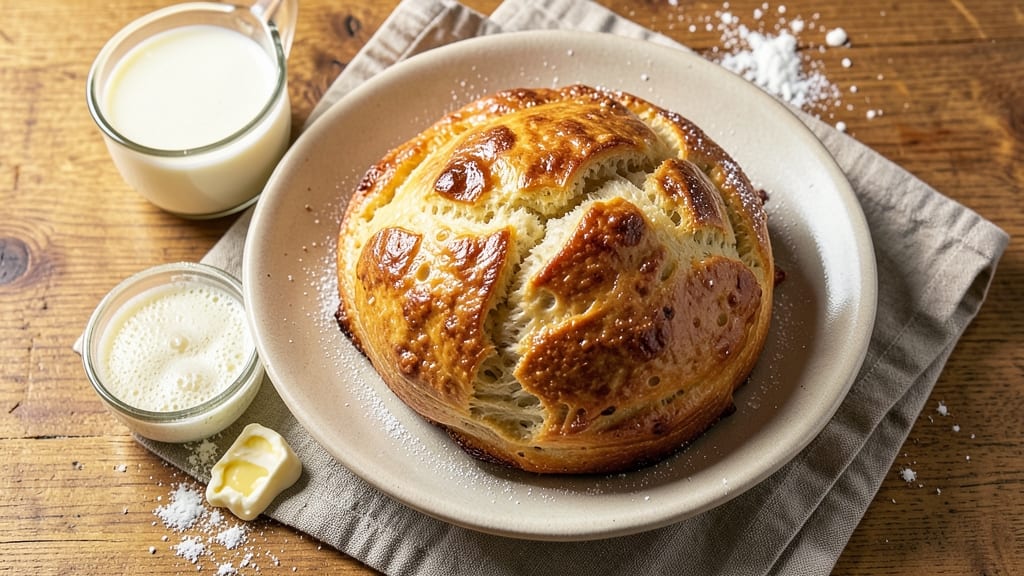
Adding egg to this bread recipe transforms ordinary bread into something extraordinary—moist crumb and crispy crust that bakes up like art. This recipe reveals how a single egg can elevate your loaf, whether you're making a tender sandwich bread or flaky dinner rolls.
The secret lies in how eggs interact with gluten and moisture during mixing and baking, creating structure without heaviness.
What makes this technique special is the balance: eggs add richness and browning while keeping the interior soft. For sandwich bread, we incorporate the egg during kneading to distribute it evenly, while for rolls, we brush an egg wash on top for that golden finish.
The result? Bread with a crispy exterior that gives way to a tender, moist interior—every slice feels like a revelation.
This method works for both beginners and experienced bakers, as it simplifies the process without sacrificing quality. No special equipment is needed—just a few simple steps that guarantee professional results. Whether you're making a classic loaf or experimenting with sweet brioche, the egg's magic is undeniable.
The beauty of this approach is its versatility. Use it for crispy-topped dinner rolls, soft sandwich bread, or even flaky croissants—the egg adapts to your needs. Once you master this technique, you'll never make bread without it again. Let's get started on perfecting your loaf.
Ingredients for adding egg to bread
Eggs transform ordinary dough into golden, crispy bread with a tender crumb.
| Ingredient | Amount | Notes |
|---|---|---|
| Large Eggs 🥚 | 2 whole | Room temperature for even distribution |
| All-Purpose Flour 🌾 | 4 cups | Bread flour for higher protein content |
| Active Dry Yeast 🍞 | 2 ¼ tsp | Instant yeast if preferred |
| Granulated Sugar 🍚 | ¼ cup | White or brown sugar |
| Unsalted Butter 🧈 | ½ cup | Cold, cubed for easier mixing |
| Whole Milk 🥛 | ¾ cup | Warm to body temperature |
| Salt 🧂 | 1 tsp | Diamond Crystal kosher salt |
| Granulated White Sugar 🍚 | 1 tbsp | For egg wash |
| Large Egg Yolk 🥚 | 1 whole | Separated for egg wash |
| Cornmeal 🌽 | ¼ cup | For dusting bread pan |
| Water 💧 | ½ cup | Warm for yeast activation |
The eggs are the magic here—room temperature is key for even distribution in the dough. Whole eggs work best for structure, but a single yolk can replace one whole egg if you're watching fat content. For the yeast, King Arthur or Bob's Red Mill are my go-tos—they activate reliably. The butter should be cold when you mix it in, but soft enough to cream with the sugar. If your kitchen runs warm, chill the butter cubes for 10 minutes before using. The milk needs to be warm to the touch (about 110°F) to activate the yeast quickly without killing it—stick your finger in to test.
No whole eggs? Two egg whites plus one yolk works in a pinch, though you'll lose some richness. Running short on butter? Olive oil or coconut oil can substitute at the same weight, though texture will differ slightly. The sugar in the egg wash is optional but worth it—it caramelizes beautifully for that golden crust. For a lighter loaf, add 1/4 cup yogurt to the dough. Need a softer texture? Increase the milk by 2 tablespoons. The cornmeal isn't just for dusting—it adds a subtle crunch to the crust, especially on rolls.
Store any leftover dough in the fridge for up to 24 hours, covered tightly. For longer storage, shape the dough into a log, wrap in plastic, and freeze for up to 3 months. Thaw overnight in the fridge before baking. The egg wash keeps for 24 hours in the fridge—just whisk it back up before brushing. Baked bread? Room temperature is best for that crispy crust—take it out 10 minutes before serving. Leftovers? Toast them—they reheat beautifully with a sprinkle of powdered sugar for sweet rolls.
Why You'll Love This Recipe
- No-Yeast Struggle: I swear by this trick—just mix the yeast with warm water, sugar, and a pinch of flour first. Let it foam for 5 minutes, then fold in the egg and butter. No waiting, no guesswork, just done. My lazy mornings thank me every time.
- Rich Without Effort: That single egg makes all the difference—it keeps the bread tender but adds a subtle richness you’d pay extra for at a bakery. The butter melts into the dough so smoothly, you’ll forget you didn’t spend hours kneading.
- Weeknight Wonder: I make a double batch on Sundays, slice it, and freeze the extras. Toast straight from frozen? Yes, please. It’s my go-to for quick lunches or when I need to feed a crowd without stressing.
- Budget Bakery Hack: Five ingredients, zero frills—this is how I stretch my grocery budget without sacrificing flavor. The egg and butter give it that artisanal touch, but the flour and yeast keep it affordable. My wallet and taste buds win.
Step-by-step instructions for enriched bread with perfect texture
Eggs transform basic bread into something extraordinary—crispy crusts and tender crumbs every time.
Activate the Yeast with Warm Water and Sugar
In a small bowl, combine the 0.5 cup warm water (about 110°F) with the 2.25 tsp active dry yeast and 0.25 cup granulated sugar. Let it sit for 5-10 minutes until frothy—this confirms the yeast is alive and ready to work. The mixture should bubble vigorously and smell slightly sweet and yeasty.
If it doesn't foam within 10 minutes, your yeast may be dead. Start over with fresh yeast, as this is the foundation of your bread's rise. Once active, proceed immediately to avoid overproofing.
Mix the Dough with Butter and Eggs for Richness
In a large bowl, whisk together the 4 cups all-purpose flour and 1 tsp salt. Create a well in the center and pour in the yeast mixture, 0.75 cup warm whole milk, and 0.5 cup cold cubed unsalted butter. Mix with a wooden spoon until a shaggy dough forms.
Add 1 whole large egg and 1 whole large egg yolk (room temperature) to the bowl. Using your hands, knead the dough for 8-10 minutes until smooth and elastic. The eggs add moisture and structure, creating a softer crumb. If the dough feels too sticky, add 1 tablespoon flour at a time until it comes together without sticking.
Knead and Let the Dough Rest for Optimal Texture
Transfer the dough to a lightly floured surface and knead for another 5 minutes, folding and pressing to develop gluten. The dough should be smooth and slightly springy when pressed gently—it should bounce back slowly. This step ensures a light, airy crumb and crispy crust.
Place the dough in a lightly greased bowl, cover with a damp towel, and let it rise in a warm place for 1-1.5 hours, or until doubled in size. The eggs help retain moisture during this proofing stage, preventing a dry crumb. Poke the dough gently—if it springs back slowly, it's ready for shaping.
Shape and Proof for the Final Rise
Punch down the dough to release air, then shape it into a loaf or your preferred form. Place it in a 9x5-inch loaf pan dusted with 0.25 cup cornmeal to prevent sticking. Cover loosely with plastic wrap and let it rise again for 30-45 minutes until it domes slightly above the pan.
The cornmeal adds texture and prevents the bread from sticking, while the egg wash (whisk 1 whole large egg yolk with 1 tbsp granulated white sugar) applied now ensures a golden, crispy crust. Brush the top generously before baking.
Bake to Golden Perfection
Preheat your oven to 375°F. Bake the bread for 30-35 minutes until the crust is deep golden brown and the internal temperature reaches 190°F. The eggs in the dough help create a tender crumb while the sugar in the wash promotes browning.
For extra crispiness, place the loaf on a wire rack and let it cool for 10 minutes before slicing. The contrast of a crispy crust and moist interior is what makes this bread irresistible. Serve warm with butter or jam for the ultimate experience.
Pro Tips For Making Adding Egg To Bread
- WHISK EGGS COLD: Crack eggs straight from the fridge into a bowl with a pinch of salt—this keeps them from cooking too fast when they hit the warm dough. I learned this the hard way after scrambling eggs into my bread batter and ending up with a dense, gummy mess.
- PROOF YEAST IN WARM WATER: Use water heated to 110°F (43°C)—not boiling, not lukewarm, but the temperature you can comfortably hold your finger in for 5 seconds. Overheating kills the yeast, and underheating makes it sluggish, which throws off the whole rise.
- SKIP THE SUGAR RUSH: If your dough feels sluggish after adding eggs, resist the urge to dump in extra sugar to "fix" it. Too much sugar feeds the yeast too fast, causing a rapid rise that collapses when baked. Stick to the recipe and let the eggs do their job—moisture and structure, not sugar boost.
- KNEAD LESS, REST MORE: After mixing in the eggs, knead just until the dough comes together—about 3-4 minutes by hand. Over-kneading develops gluten too much, making the bread tough. Let it rest 10 minutes under a towel before shaping; this relaxes the gluten and makes the final texture tender.
Pro cooking tips for this dish
Egg Distribution Secrets
For even texture, whisk the eggs thoroughly before adding them to the dough. I crack them directly into the mixing bowl with the butter and milk to create an emulsion—this helps distribute fat and moisture evenly.
If you're making rolls, brush the tops with the remaining egg wash (1 whole egg yolk + 1 tbsp sugar) just before baking for that signature golden crust. 🥚
Gluten Development
Eggs help strengthen gluten structure, but you still need proper kneading. After adding the eggs, knead the dough for 8-10 minutes by hand or use a stand mixer with a dough hook on medium speed for 5-6 minutes.
The eggs add moisture, so the dough will feel softer—this is normal. If it sticks too much, add flour 1 tbsp at a time until it comes together smoothly.
Moisture Control
The eggs prevent dryness during proofing, but don't overdo it. For this recipe, 2 eggs is perfect for a 4-cup flour base. If you're scaling up, maintain a ratio of 1 egg per 2 cups flour.
For extra tenderness, replace 1 tbsp of the milk with 1 tbsp melted butter—this adds richness without heaviness.
Crust Perfection
An egg wash isn't just decoration—it's what creates that irresistible crispy crust. Whisk the egg wash until frothy and brush it on 5 minutes before baking for maximum browning.
For rolls, use a pastry brush to apply it generously to the tops. Pro tip: Add 1 tsp honey to the wash for extra shine and sweetness. 🌟
Temperature Matters
Room-temperature eggs mix better and distribute evenly. Pop them in a bowl of warm water for 10 minutes if they're straight from the fridge. Cold eggs can create pockets of uneven texture in the dough.
Also, ensure your oven is fully preheated to 375°F—this helps the egg wash caramelize properly for that perfect crust.
Troubleshooting
If your dough feels too sticky after adding eggs, let it rest for 10 minutes before kneading again. This allows the gluten to relax. For a denser texture, reduce the eggs to 1 whole egg and add 1 extra tbsp flour.
If the crust isn't browning enough, increase the sugar in the wash to 2 tbsp or bake for 2-3 extra minutes.
Nutrition facts
Frequently asked questions
Why does adding egg make bread softer?
Eggs add moisture and fat to the dough, which keeps the crumb tender during baking. The proteins in eggs also help strengthen gluten, creating a lighter texture without heaviness. For this recipe, the 2 eggs create a perfect balance of moisture and structure.
Can I substitute eggs in this bread recipe?
Yes! For a 1:1 replacement, use 1/4 cup applesauce or 2 tbsp ground flaxseed mixed with 3 tbsp water per egg. However, eggs provide unique browning and moisture properties, so the texture may differ slightly. For best results, stick with eggs for that signature crispy crust and tender crumb.
How does egg wash affect the crust?
The egg wash (whisked 1 egg yolk + 1 tbsp sugar) creates a golden, crispy crust through caramelization. Brush it on 5 minutes before baking for maximum browning. For extra shine, add 1 tsp honey to the wash. This step is especially important for rolls or loaves where visual appeal matters!
Will this recipe work without eggs?
Technically yes, but the texture will be denser and less moist. Eggs contribute 15-20% of the moisture and help with gluten development. Without them, you might need to add 2 extra tbsp milk and increase kneading time by 3-5 minutes to compensate. The crust will also be less crispy.
Can I make this bread without butter?
Yes! Replace the 0.5 cup butter with 0.5 cup neutral oil (like vegetable or canola) or 0.4 cup melted coconut oil. The bread will still be tender, though the flavor and texture will differ slightly. For a richer taste, consider using 2 tbsp olive oil + 0.3 cup butter as a compromise.