
Side Dishes
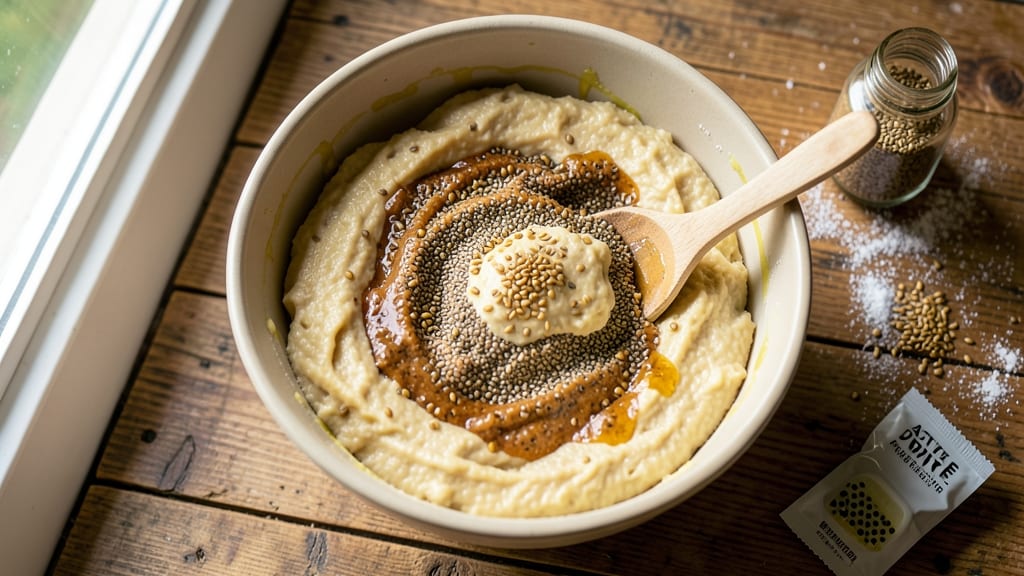
Adding flaxseed to your bread recipe unlocks a world of nutrition and texture that regular loaves simply can't match. The key lies in properly incorporating the seeds to ensure they stay evenly distributed and don't burn during baking—something most recipes overlook.
This method preserves their omega-3 benefits while creating a heartier, more satisfying crumb structure that even gluten-free bakers will appreciate.
The process begins with grinding the flaxseed slightly before mixing, which prevents clumping and ensures each bite contains those valuable nutrients. We'll work with a standard bread formula but adjust hydration levels to accommodate the seeds' moisture-absorbing properties.
The result? A loaf with subtle nutty undertones, improved shelf life, and a satisfying density that makes every slice feel substantial.
What makes this approach different is the attention to seed distribution—using a dough mixer with a dough hook creates a uniform texture where seeds are locked into the crumb rather than concentrated in pockets.
This technique works equally well for sandwich bread, rolls, or even dinner rolls, giving you versatility without sacrificing quality. The flaxseed doesn't just add nutrition; it transforms the bread's character entirely.
Once baked, you'll notice the crust develops a slightly deeper color while maintaining a soft interior—proof that flaxseed enhances both appearance and texture. For an extra boost, consider brushing the cooled loaf with flaxseed oil or sprinkling additional seeds on top.
This method ensures you get all the benefits without compromising on taste or texture, making it the smart upgrade your bread recipes deserve.
Ingredients for adding flaxseed to bread
Four cups flour plus strategic flaxseed integration create a loaf with superior nutrition and texture.
| Ingredient | Amount | Notes |
|---|---|---|
| All-Purpose Flour 🌾 | 4 cups | Unbleached preferred for better texture |
| Ground Flaxseed 🌰 | ½ cup | Freshly ground for maximum nutrition |
| Whole Flaxseeds 🌰 | ¼ cup | For additional texture and crunch |
| Active Dry Yeast 🍞 | 2 tsps | Or 1 packet instant yeast |
| Granulated Sugar 🍚 | 1 tbsp | Or maple syrup for vegan option |
| Unsalted Vegetable Oil 🫒 | ¼ cup | For proper hydration balance |
| Warm Water 💧 | 1 ¼ cups | 110°F for optimal yeast activation |
| Salt 🧂 | 1 ½ tsps | Diamond Crystal preferred |
| Flaxseed Oil 🫒 | 1 tbsp | For brushing after baking |
| Sesame Seeds 🌱 | 1 tbsp | Optional for additional texture |
| Cornmeal 🌽 | ¼ cup | For bread pan preparation |
The flaxseed is the game-changer here. Bob's Red Mill or Trader Joe's organic flaxseed delivers the best quality, with a slightly nutty flavor that enhances the bread's character. For the ground flaxseed, freshly grind whole seeds in a coffee grinder right before mixing—this preserves omega-3s and prevents oxidation. The whole flaxseeds should be toasted lightly in a dry pan for 3-4 minutes to deepen their flavor without burning. King Arthur Unbleached Flour works exceptionally well for this recipe, as its high protein content complements the seeds' moisture-absorbing properties. Yeast quality matters too—Red Star Active Dry Yeast is my go-to for consistent results.
No flaxseed oil? Avocado oil or walnut oil work as substitutes, though flaxseed's distinct flavor is ideal. Running short on whole flaxseeds? Chia seeds at double the amount provide similar texture benefits. The sesame seeds are optional but add a delightful crunch—toasted sesame oil can replace them if you prefer. For the yeast activation, water temperature is critical: too hot kills the yeast, too cold slows fermentation. Use a thermometer if possible. The cornmeal layer in the pan prevents sticking and creates that coveted rustic bottom crust. If you're making gluten-free bread, Bob's Red Mill 1:1 Gluten-Free Flour Blend works well with these proportions.
This dough benefits from a 12-24 hour cold fermentation in the fridge, which enhances flavor and texture. Store the baked loaf wrapped in a clean kitchen towel at room temperature for 3-4 days or freeze for up to 3 months for maximum freshness. The flaxseed oil brushing should be done immediately after baking while the crust is still warm. For reheating, wrap the bread in foil and warm in a 350°F oven for 5-7 minutes. The seeds' moisture content means this bread stays fresh longer than traditional loaves—ideal for meal prep or gifting.
Why You'll Love This Recipe
- Here’s what sold me: this bread stays fresh for five days in the fridge, and the flaxseed keeps it from turning stale. Pack slices with peanut butter or cheese—my kids actually finish their lunches now.
- No-Fuss Mix-In: I swear by this trick—just toss ground flaxseed straight into the dough with the flour. No fancy prep, no special tools, and honestly? The texture stays soft for days without gummy aftertaste.
- Nutty Crunch Surprise: Between us, the whole flaxseeds add this unexpected bite that makes every bite feel like a little reward. Toast them first for 2 minutes—trust me, it’s worth the 60 seconds.
- Lunchbox Hero: Here’s what sold me: this bread stays fresh for five days in the fridge, and the flaxseed keeps it from turning stale. Pack slices with peanut butter or cheese—my kids actually finish their lunches now.
Step-by-step instructions for nutrient-boosted flaxseed bread
Here's how to incorporate flaxseed without compromising texture or flavor.
Prepare the Flaxseed Substitution
In a small bowl, combine the 0.5 cup ground flaxseed with the 1.25 cups warm water (about 110°F). Let this mixture sit for 5 minutes while you prepare the rest of your ingredients. This creates a gel-like consistency that mimics eggs, binding the dough while adding fiber and omega-3s. The ground flaxseed should absorb the water completely, forming a thick paste. If it remains too liquid after 5 minutes, add 1 tablespoon more ground flaxseed to achieve proper viscosity.
This substitution works because flaxseed's soluble fiber forms a gel when combined with water, replicating the structural role of eggs in traditional bread recipes. The texture will be slightly denser but still light and airy when properly baked. I always use freshly ground flaxseed for maximum nutritional benefits—pre-ground flaxseed loses potency over time. Set this mixture aside until ready to use in the dough.
Mix the Dough with Flaxseed Integration
In a large mixing bowl, whisk together the 4 cups all-purpose flour, 1.5 teaspoons salt, 2 teaspoons active dry yeast, and 1 tablespoon granulated sugar. This dry combination creates a uniform base where the flaxseed can be evenly distributed. Make a well in the center and pour in the 0.25 cup unsalted vegetable oil along with the flaxseed "egg" mixture you prepared earlier. The oil helps maintain proper hydration balance, preventing the flaxseed from making the dough too dry.
Using a wooden spoon or dough whisk, gradually incorporate the wet ingredients into the dry mixture, stirring until a shaggy dough forms. The flaxseed gel will make the dough slightly stickier than usual, but don't add extra flour at this stage—it's important to maintain the proper hydration for optimal rise. Once combined, turn the dough out onto a lightly floured surface and knead for 8-10 minutes until smooth and elastic. The flaxseed adds density, so the dough will feel slightly heavier than traditional bread dough.
First Rise with Flaxseed Considerations
Shape the dough into a loaf and place it in a greased 9x5-inch loaf pan that's been dusted with 0.25 cup cornmeal on the bottom. The cornmeal prevents sticking and adds a subtle crunch to the crust. Cover the pan with a damp kitchen towel and let the dough rise in a warm place for 1 to 1.5 hours, or until it has nearly doubled in size. The flaxseed's moisture content may slightly accelerate the rise, so monitor it closely during this period.
During the rise, the yeast will activate more vigorously due to the flaxseed's natural enzymes. You'll notice the dough expands more quickly than traditional bread dough, but it should still reach the same volume. If the dough rises too quickly and collapses, it's a sign the environment was too warm—ideal yeast activity occurs at 75-80°F. Once properly risen, preheat your oven to 375°F with a baking stone or inverted baking sheet inside to create steam for a better crust.
Bake with Flaxseed Oil Enhancement
Brush the risen dough with 1 tablespoon flaxseed oil and sprinkle 1 tablespoon sesame seeds evenly over the top. The flaxseed oil adds rich flavor and enhances the bread's nutritional profile, while the sesame seeds provide additional texture contrast. Bake for 30-35 minutes until the internal temperature reaches 190-200°F and the crust is deep golden brown. The flaxseed bread will have a slightly denser crumb than traditional bread but excellent moisture retention.
I recommend using an instant-read thermometer for accuracy—the flaxseed's moisture content can sometimes delay proper doneness. When the bread is done, remove it from the pan immediately and place it on a wire rack to cool completely. The cooling process allows the flaxseed's nutrients to fully distribute throughout the loaf, resulting in a more flavorful and nutritious final product. The bread will keep well at room temperature for 3-4 days or can be frozen for up to 3 months.
Pro Tips For Making Adding Flaxseed To Bread
- GRIND FRESHLY, USE IMMEDIATELY: I learned this the hard way—store-bought ground flaxseed loses potency fast. If you’re adding it to dough, grind whole flaxseeds yourself right before mixing and use the meal within 20 minutes. The oil in pre-ground flax oxidizes quickly, turning your bread bitter or dull.
- TOAST WHOLE FLAXSEEDS FIRST: Skip the raw whole flaxseeds in your dough—they’ll sit like tiny rocks and won’t soften. Lightly toast them in a dry pan over medium heat for 3–4 minutes until fragrant, then grind them. This also mellows their earthy bite, making the bread taste cleaner.
- LET THE DOUGH REST LONGER: Flaxseed absorbs moisture like a sponge, so resist the urge to rush kneading. After adding ground flax to your dough, let it sit covered for 15–20 minutes before shaping. This gives the flour time to hydrate evenly, preventing a dense, gummy crumb.
- REDUCE SUGAR BY HALF: Flaxseed’s natural oils make dough rise faster, so you don’t need as much sugar to feed the yeast. Cut the granulated sugar to 50% of the recipe—it’ll still brown beautifully in the oven, but your bread won’t turn out overly sweet or gummy.
Perfect pairings for adding flaxseed to bread
Nutty Spread Pairings
This flaxseed bread pairs beautifully with almond butter or cashew butter—their creamy texture contrasts perfectly with the bread's hearty crumb. I like to spread 2 tablespoons of almond butter on thick slices and top with sliced banana and a sprinkle of chia seeds for extra nutrition.
For a savory option, try tahini mixed with lemon juice and garlic powder—the sesame notes in the bread complement the tahini beautifully. 🌰
Savory Toppings
Transform your flaxseed bread into a dinner roll by topping it with avocado mash, sliced radishes, and everything bagel seasoning. The flaxseed's nutty depth balances the creaminess of avocado while the seasoning adds a tangy crunch.
For a quick sandwich, layer with hummus, sliced cucumber, and roasted red peppers—the flaxseed's moisture retention keeps the bread fresh longer than regular bread. 🥗
Sweet Breakfast Combinations
Use this bread as a base for flaxseed pancakes or oatmeal toast.
Spread with maple syrup and walnut butter, then top with sliced strawberries for a breakfast that's packed with fiber and omega-3s. I also love making flaxseed waffles with this dough—just pour the batter onto a waffle iron and cook until golden.
The flaxseed's nutty flavor enhances the sweetness perfectly. 🍓
Cheese Board Enhancements
Add this bread to your next charcuterie board alongside aged cheddar, brie, and smoked gouda. The flaxseed's subtle nuttiness pairs well with sharp cheeses, while the bread's density holds up against creamy spreads like fig jam or whipped goat cheese.
For a vegan option, include nutritional yeast and marinated artichokes—the flaxseed's earthy notes complement both beautifully. 🧀
Beverage Pairings
Pair your flaxseed bread with chamomile tea or green tea to highlight its nutty undertones. For coffee lovers, a cold brew with oat milk enhances the bread's richness without overpowering its natural flavor.
If you prefer hot beverages, try golden milk (turmeric latte) to complement the flaxseed's earthy notes. The warmth of the drink balances the bread's slightly dense texture. ☕
Meal Prep Applications
Use this flaxseed bread for sandwiches with turkey or vegan deli slices, spinach, and Swiss cheese. The flaxseed's moisture retention keeps the sandwich fresh for 3-4 days in the fridge.
For lunchbox prep, pair slices with peanut butter, apple slices, and dark chocolate chips—a balanced combo of protein, fiber, and sweetness. The flaxseed's nutrients make it ideal for school lunches or workday meals. 📦
Nutrition facts
Frequently asked questions
Why does the recipe call for both ground and whole flaxseeds?
The ground flaxseed creates a gel-like consistency that replaces eggs and binds the dough, while the whole flaxseeds add texture and crunch. The ground version provides maximum nutrition and moisture retention, while the whole seeds give each bite a satisfying contrast. For best results, lightly toast the whole seeds before adding them to deepen their flavor.
Can I substitute chia seeds for flaxseeds in this bread?
Yes, but you'll need double the amount of chia seeds (so 1 cup total instead of 0.5 cup). Chia seeds form a similar gel when mixed with water, but they have a slightly different texture and flavor profile. For the best results, let the chia gel sit for 10 minutes before mixing into the dough to ensure proper thickening. The bread will still be nutritious but may have a slightly different mouthfeel.
How do I prevent the flaxseed from burning during baking?
Bake at 375°F or lower and use a baking stone or inverted sheet pan to create steam for even cooking. The flaxseed's oil content makes it prone to burning, so monitor the bread closely after 25 minutes. If the crust browns too quickly, tent the loaf with foil. For extra protection, brush the dough with flaxseed oil only after it's been in the oven for 10 minutes—this seals the surface and prevents dark spots.
Will this flaxseed bread work in a gluten-free version?
Use a 1:1 gluten-free flour blend like Bob's Red Mill, and increase the ground flaxseed to 0.75 cup for better binding. The flaxseed's moisture-absorbing properties help compensate for gluten's absence. For texture, add 1 tablespoon psyllium husk powder to the dry ingredients. The result will be a dense but flavorful loaf that holds up well to toast or sandwiches.
How long should I let the flaxseed bread cool before slicing?
Wait at least 1 hour before slicing to allow the flaxseed's nutrients to fully distribute and the crumb to set properly. The bread will be slightly softer when warm, but cooling prevents the seeds from releasing too much moisture, which can make the slices gummy. For even better texture, store the bread in an airtight container with a slice of apple or lemon to absorb excess moisture.