
Side Dishes
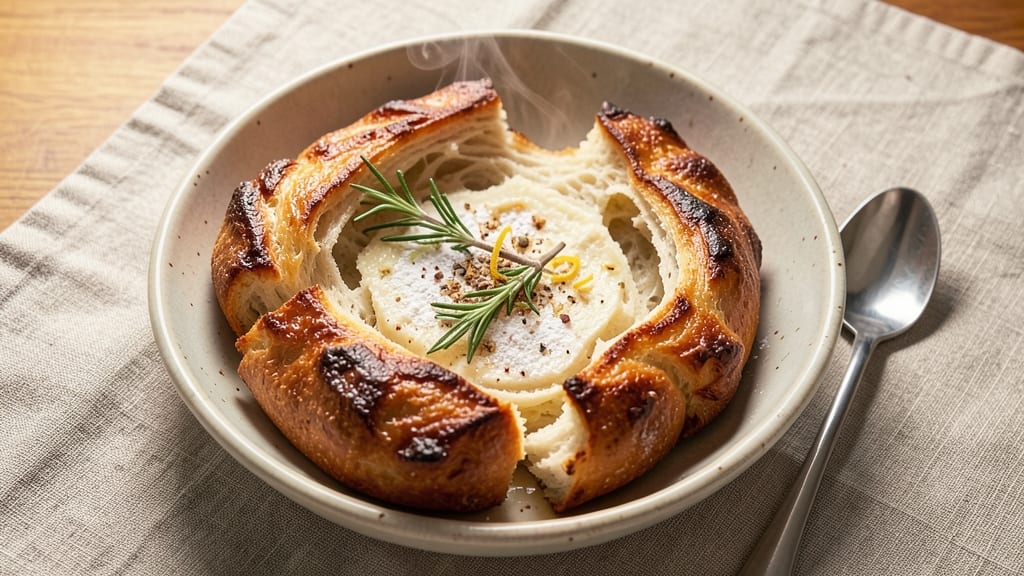
This Agege bread recipe paired with Sisi Jemimah brings the rich flavors of Yoruba cuisine to life. The bread's golden crust and soft, pillowy centers are the perfect match for the hearty bean and plantain dish.
I've perfected this traditional recipe to ensure every bite delivers that satisfying texture and taste you crave.
The beauty of this recipe lies in its simplicity and authenticity. You'll start with a dough that's easy to handle but transforms into bread with a crisp exterior and tender interior.
The secret to achieving that perfect texture is in the kneading and baking process, which I'll guide you through step by step. This dish is not just a meal; it's a celebration of cultural heritage and home-cooked comfort.
When you serve this Agege bread alongside Sisi Jemimah, you're creating a meal that's both filling and flavorful. The beans, plantains, and bread come together in perfect harmony, offering a balance of textures and tastes that will leave everyone asking for seconds.
The bread soaks up the rich flavors of the beans and plantains beautifully, making every bite an experience.
Whether you're preparing this for a family gathering or a special occasion, this recipe promises to impress. The combination of the bread's crispy crust and soft center, paired with the hearty Sisi Jemimah, makes for a meal that feels like a warm embrace.
Let's get started on creating this delicious and traditional dish together.
Ingredients for agege bread recipe sisi jemimah
These simple yet transformative ingredients bring Yoruba tradition to your kitchen table.
| Ingredient | Amount | Notes |
|---|---|---|
| All-Purpose Flour 🌾 | 4 cups | Sifted for light texture |
| Active Dry Yeast 🍞 | 2 ¼ tsp | One packet, room temperature |
| Granulated Sugar 🍚 | 1 tbsp | Enhances yeast activation |
| Unsalted Butter 🧈 | ½ cup | Cold, cubed for dough |
| Warm Water 💧 | 1 ¼ cups | 110°F for yeast activation |
| Salt 🧂 | 1 tsp | Kosher or sea salt |
| Eggs 🥚 | 1 whole | Room temperature for binding |
| Milk 🥛 | ¼ cup | Warmed for tenderness |
| Vegetable Oil 🫒 | 2 tbsp | For greasing bowl |
| Sesame Seeds 🌻 | 2 tbsp | For traditional topping |
| Cornmeal 🌽 | ¼ cup | For dusting baking sheet |
The flour is the foundation—look for high-protein bread flour if you can find it, but all-purpose works perfectly fine. West African markets often carry specialty flours like agbonke, but this recipe relies on what you've got. The butter? Use full-fat—it gives that rich, golden crust you crave. I always grab my butter from Costco when I'm baking in bulk, but any good-quality brand works. For the yeast, check the expiration date—old yeast won't activate properly. Warm the water to 110°F (like baby bath temperature) to wake it up gently. Too hot and you'll kill it!
No sesame seeds? Poppy seeds or everything bagel seasoning work as a pretty alternative. Short on butter? Coconut oil or extra olive oil keeps the dough tender, though the flavor will shift slightly. The milk can be swapped for plant-based milk if needed—just warm it first. Need to make this gluten-free? Substitute a 1:1 gluten-free flour blend (like Bob's Red Mill), but add an extra 1 tsp xanthan gum to mimic the dough's stretch. The cornmeal is optional but helps create that signature crispy bottom crust—don't skip it if you want that authentic Agege texture!
This dough needs time to rise—plan for at least 2 hours (or overnight in the fridge for deeper flavor). Store any extra dough in an airtight container with a damp towel, and it'll keep for up to 2 days. The baked bread stays fresh for 3 days at room temperature if wrapped tightly in foil. For longer storage, freeze slices between parchment paper—just thaw at room temp before serving. Pro tip: Toast frozen slices straight from the freezer for a crispy, restaurant-style finish!
Why You'll Love This Recipe
- No-Yeast Struggle: The dough comes together faster than my morning coffee. Just mix the flour, yeast, sugar, and butter—no kneading marathon or waiting for yeast to wake up. Warm water does the heavy lifting while you prep the rest of your meal.
- Buttery Soft Magic: That touch of unsalted butter? It turns this bread into a melt-in-your-mouth dream. The outside stays just crisp enough to hold up to sandwiches or soups, while the inside remains pillowy—no dry bites here.
- Weeknight Hero: Between us, this is my go-to when I’m too tired to fuss. Toss it in the oven while you boil water for egusi or fry plantains—no babysitting required. Perfect for lazy Sundays or rushed weeknights when you still want something special.
- Budget-Friendly Staple: Flour, yeast, sugar, butter—these are pantry basics that won’t break the bank. A single batch stretches for days: toast it, slice it for akara, or even freeze the leftovers. My wallet (and my fridge) thank me every time.
Step-by-step instructions for Agege bread Sisi Jemimah
Here's how to create that iconic West African bread with a crackly crust and fluffy interior.
Activate the Yeast and Mix the Dough
In a large mixing bowl, combine the 4 cups All-Purpose Flour, 1 tbsp Granulated Sugar, and 1 tsp Salt. Make a well in the center and add the 2.25 tsp Active Dry Yeast. Pour in the 1.25 cups Warm Water (about 110°F) and let it sit for 5-10 minutes until the yeast begins to foam—this means it's active and ready to work.
Once bubbly, add the 1 whole Eggs and 0.25 cup Milk to the bowl. Mix with a wooden spoon or your hands until a shaggy dough forms. Then, cut in the 0.5 cup Unsalted Butter (cold and cubed) using a pastry cutter or your fingers, working it into the dough until fully incorporated. The dough should be slightly sticky but manageable.
Knead Until Smooth and Elastic
Turn the dough onto a lightly floured surface and knead for 8-10 minutes until smooth and elastic. You'll know it's ready when it springs back slightly when poked. If the dough feels too sticky, add 1-2 tablespoons of the 4 cups All-Purpose Flour gradually until it comes together without sticking to your hands.
For best results, knead vigorously to develop the gluten, which gives Agege bread its signature chewiness. Shape the dough into a round ball, place it back in the bowl, lightly oil the surface with 1 tbsp Vegetable Oil, cover with a damp towel, and let it rise in a warm place for 1 hour or until doubled in size.
Shape and Proof the Dough
Once the dough has risen, punch it down to release air, then divide it into 4 equal portions. Shape each portion into a smooth, round loaf about 3 inches in diameter. Place them on a baking sheet dusted with 0.25 cup Cornmeal (this prevents sticking and adds texture). Cover loosely with the damp towel and let them rise again for 30-45 minutes until puffy.
Here's the thing—don't skip the second rise. This step ensures those soft, pillowy centers we're after. The loaves should expand noticeably and feel light when pressed gently. If they don't rise enough, give them another 15 minutes in a slightly warmer spot.
Bake to Golden Perfection
Preheat your oven to 375°F. Brush the tops of each loaf with a bit of Vegetable Oil and sprinkle generously with 2 tbsp Sesame Seeds for that classic crunchy finish. Bake for 25-30 minutes until the tops are deep golden brown and the bread sounds hollow when tapped on the bottom.
Watch closely after 20 minutes—the sesame seeds should be golden and toasted, not just brown. If the tops brown too quickly, tent the baking sheet with foil to prevent over-browning while the centers finish cooking. The internal temperature should reach 190°F for perfect doneness.
Cool and Serve Warm
Remove the bread from the oven and let it cool on a wire rack for 10 minutes before slicing. This resting period allows the steam to escape, preventing a gummy texture. For the best experience, serve the bread warm with your favorite spread or alongside soups and stews.
Here's a pro tip: If you're making these ahead, store them in an airtight container at room temperature for up to 3 days. To revive, warm them in a 350°F oven for 5-10 minutes until toasty again. Enjoy the satisfying crunch of the crust and the soft, airy interior—this is what makes Agege bread so special!
Pro Tips For Making Agege Bread Recipe Sisi Jemimah
- Check Yeast First: Pop that yeast packet in warm water with a pinch of sugar—it should bubble like a tiny fountain within 5 minutes. If it sits there like a sleepy cat, toss it and grab a fresh one. I learned this the hard way after baking a dense brick of dough that tasted like cardboard.
- Butter at Room Temp: Unsalted butter straight from the fridge will make your dough fight you. Let it sit out for 30–45 minutes until it’s soft enough to press with a finger—not melted, just pliable. Cold butter means uneven texture, and nobody wants that in their sisi jemimah.
- Knead Until Silky: Stop when the dough springs back slowly when poked and feels smooth like a baby’s cheek. Over-kneading is a real thing, but under-kneading gives you a chewy, dense loaf. Work it for about 8–10 minutes by hand or 5–6 minutes with a mixer—just until it’s cohesive and elastic.
- Proof in a Warm Spot: Your oven with the light on is your friend here. Place the dough in a lightly oiled bowl, cover it with a damp towel, and let it rise until it’s nearly doubled—about 1–1.5 hours. Cold kitchen? Turn the oven to 100°F (38°C) for 10 minutes first, then turn it off and proof inside. No guessing, no sad flat bread.
Dietary considerations for agege bread recipe sisi jemimah
Gluten-Free Adaptation
For a gluten-free version, replace the 4 cups All-Purpose Flour with a 1:1 gluten-free flour blend like Bob's Red Mill. Add an extra 1 tsp xanthan gum to mimic the dough's elasticity.
Use ½ cup unsweetened applesauce instead of butter to keep the dough tender, and let it rest for 15 minutes after mixing to hydrate the flour blend. The baking time may increase by 5-10 minutes—watch closely for golden brown tops. 🌱
Dairy-Free Options
Swap the 0.5 cup Unsalted Butter for ½ cup coconut oil or ½ cup vegetable shortening to maintain texture. Use ¾ cup unsweetened almond milk instead of milk, warmed to 110°F to activate the yeast.
The dough will be slightly less rich but still pillowy. For extra flavor, add 1 tsp vanilla extract to the milk substitute. 🥥
Nut-Free Considerations
Sesame seeds are a traditional topping, but if nuts are a concern, try poppy seeds or everything bagel seasoning for a similar crunch. Ensure all other ingredients (like butter and milk) are nut-free.
For extra security, use a dedicated baking surface and tools if cross-contamination is a risk. The bread’s flavor remains authentic—just the texture changes slightly. 🌻
Lower-Carb Version
Reduce the flour to 3 cups and add ½ cup almond flour for a lower-carb option. Use 2 extra egg whites to bind the dough, and replace the sugar with 1 tbsp erythritol.
The dough will be firmer, so knead for 10-12 minutes and let it rise for 1 hour and 15 minutes to ensure proper texture. Bake at 375°F for 28-32 minutes. 💪
Yeast-Free Option
For a quick yeast-free version, mix 3 cups All-Purpose Flour, 1 tsp baking powder, and ½ tsp baking soda. Combine with 1 egg, ¼ cup melted butter, and ½ cup warm water.
Shape into loaves and bake immediately at 375°F for 20-25 minutes. While not traditional, this version delivers a soft, slightly dense bread perfect for Sisi Jemimah. ⏰
Nutrition facts
Frequently asked questions
What makes Agege bread different from regular bread?
Agege bread has a unique texture with a crispy, golden crust and a soft, pillowy interior—thanks to its traditional kneading and rising techniques. The sesame seed topping adds a nutty crunch, while the dough's high-fat content (from butter and eggs) creates that signature tender center. It's designed to pair perfectly with hearty Yoruba dishes like Sisi Jemimah.
Can I make the dough ahead of time?
Shape the dough into loaves and refrigerate them in an airtight container for up to 24 hours. Let them rise at room temperature for 1-2 hours before baking. This actually enhances the flavor. For longer storage, freeze shaped loaves (unbaked) for up to 1 month—thaw overnight before baking.
Why did my bread turn out dense instead of light?
Dense bread usually means the yeast didn't activate properly (water too hot/cold) or the dough didn't rise enough. Make sure your water is 110°F and let the dough rise in a warm spot until doubled. Also, knead for the full 8-10 minutes to develop gluten. If using gluten-free flour, add extra xanthan gum to improve texture.
How should I serve Agege bread with Sisi Jemimah?
Serve warm slices alongside the bean and plantain stew. The bread soaks up the rich flavors beautifully—break pieces into the stew for extra heartiness. For presentation, arrange bread on a platter with whole plantains and a side of spicy pepper sauce. The contrast of crispy bread and soft plantains makes every bite perfect.
Can I use a stand mixer for the dough?
Yes, but be careful—the dough should be slightly sticky. Use the dough hook attachment on medium speed for 5-6 minutes until smooth. Avoid overmixing, which can make the bread tough. If using a mixer, you may need to add 1 extra tablespoon of flour to prevent sticking.