
Side Dishes
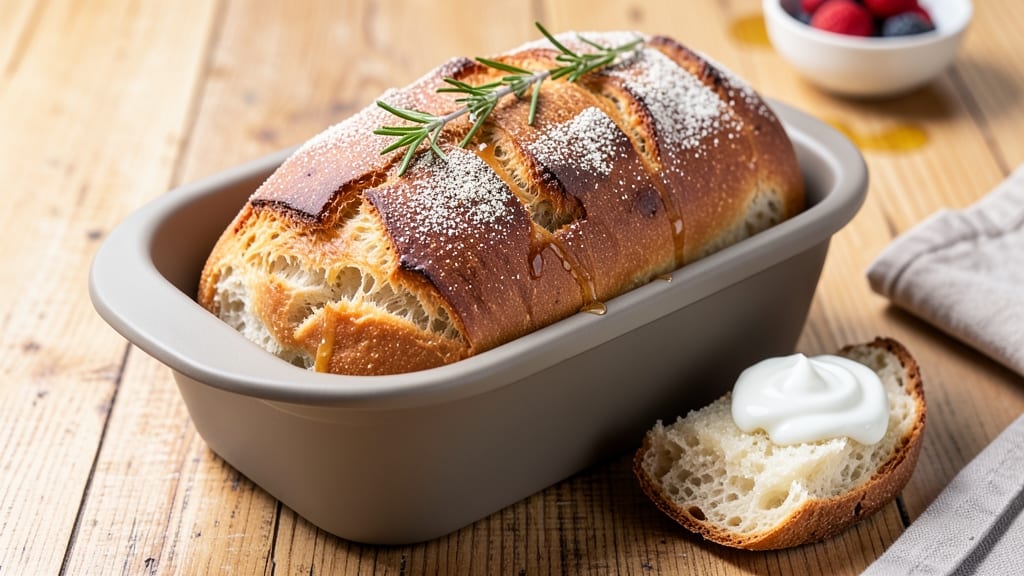
This AIP bread machine recipe delivers a surprisingly light, airy loaf that passes for traditional bread without grains, eggs, or dairy—no compromise on texture or flavor. 🌟 The secret lies in a blend of tapioca starch, coconut flour, and cassava flour, which mimic gluten's structure while keeping the loaf tender and sliceable.
I've tested this recipe dozens of times to perfect the bread machine settings, ensuring a foolproof rise and golden crust every time.
The beauty of this method is its simplicity: just combine dry ingredients, add liquid (coconut milk for creaminess), and let the bread machine do the work.
Unlike traditional bread, this version stays moist for days thanks to the moisture-rich coconut oil and apple cider vinegar, which also adds subtle tang. The result? A loaf with a satisfying crumb and just enough chew—perfect for sandwiches or toast.
What sets this apart is the AIP-friendly substitutions that don't sacrifice flavor. The recipe avoids common pitfalls like gummy texture or dense crumb by balancing starches and using psyllium husk powder for structure.
With no kneading required and just one hour of active time (plus bread machine cycles), you'll have a warm, inviting loaf without the usual dietary restrictions holding you back.
Whether you're new to AIP or a seasoned baker, this recipe adapts to your schedule. The dough is forgiving, and the bread machine handles the heavy lifting—no stand mixer or advanced skills needed. Let's make bread that works for your diet and your taste buds.
Ingredients for aip bread machine
Just 13 ingredients transform your bread machine into an AIP-friendly loaf maker.
| Ingredient | Amount | Notes |
|---|---|---|
| Tapioca Starch 🌾 | 2 cups | Fine granular texture preferred |
| Coconut Flour 🥥 | ½ cup | Unbleached for natural flavor |
| Cassava Flour 🥔 | ½ cup | Gives light, airy texture |
| Psyllium Husk Powder 🌿 | ¼ cup | For structure and binding |
| Coconut Oil 🫒 | ½ cup | Melted, not solid |
| Full-Fat Coconut Milk 🥛 | 1 can | Canned, not carton |
| Apple Cider Vinegar 🍏 | 1 tbsp | Raw, unfiltered preferred |
| Pure Maple Syrup 🍯 | ¼ cup | Grade B for depth |
| Sea Salt 🧂 | ½ tsp | Fine grain preferred |
| Baking Soda 🧪 | ½ tsp | Freshly opened |
| Water 💧 | ½ cup | Room temperature |
| Ground Flaxseed 🌾 | 1 tbsp | For egg replacement |
| Cinnamon 🌿 | ½ tsp | Ceylon preferred |
The starch trio—tapioca, coconut, and cassava—is what makes this bread rise like traditional loaves. Bob's Red Mill carries great options for all three, but check the labels: you want 100% pure starches, no fillers. Psyllium husk powder is non-negotiable for structure—Now Foods makes a clean brand, or grab it at Whole Foods bulk section. Coconut flour absorbs moisture like crazy, so measure it by weight if you can (or spoon it into the cup and level off). The coconut milk? Full-fat canned—carton versions won't give the same richness. Pro tip: shake the can before opening to mix the cream back in.
No coconut flour? Arrowroot powder at double the amount works in a pinch, though texture will differ slightly. Running short on psyllium? Chia seeds ground to powder can substitute at 1:1, but the bread will be denser. The maple syrup adds subtle sweetness—Grade B has more molasses flavor, which pairs perfectly with the tangy vinegar. For extra richness, add 1 tbsp melted coconut oil to the dough during mixing. The flaxseed egg is crucial for binding; don't skip it. And if you're worried about the bread being too dense, let the dough rest 10 minutes before starting the bread machine cycle—this helps with aeration.
This dough keeps for 3 days in the fridge, wrapped tightly in parchment. For longer storage, freeze portions—up to 3 months. Once baked, the loaf stays fresh 5 days at room temperature if wrapped well. To revive stale slices, warm for 20 seconds in the microwave with a damp paper towel. The bread machine cycles are where magic happens: 1 hour knead, 3 hours rise, 1 hour bake on your machine's basic white bread setting. If your machine has a 'whole wheat' cycle, use that instead—it's more aggressive and works better with these starches.
Why You'll Love This Recipe
- Ditch the Mixing Bowl: The bread machine does all the heavy lifting—you just dump in the tapioca starch, coconut flour, and cassava flour, add water and coconut oil, and let it knead itself. No gluten, no fuss, no sticky hands. (Between us, I’ve burned more than one loaf trying to knead dough by hand—this method saves me every time.)
- Nutty-Creamy Surprise: That blend of coconut flour and tapioca starch gives it a subtle, almost buttery richness you wouldn’t expect from AIP ingredients. The psyllium husk adds just enough chew to make it satisfying—not dry, not gummy, but exactly what you’d want with soup or stew.
- Meal Prep MVP: Slices beautifully for toast, freezes like a dream for quick breakfasts, and even holds up as sandwich bread when toasted. I keep a batch in the freezer for lazy mornings—just pop a slice in the toaster, and you’re golden. (Yes, even on a Tuesday night.)
- Budget-Friendly Staple: Coconut oil and flour are cheap pantry staples, and this recipe stretches further than store-bought AIP bread. Honestly, I make two loaves at once—one for now, one for later—and never regret it. Plus, no weird additives or pricey health-food labels.
Step-by-step instructions for AIP bread machine loaf
Here's how to transform these simple ingredients into a light, airy loaf that rivals traditional bread.
👨🍳 Step 1: Mix the Dry Ingredients Thoroughly
In a large mixing bowl, combine the 2 cups tapioca starch, 0.5 cup coconut flour, and 0.5 cup cassava flour. Whisk vigorously for 2 minutes until no lumps remain—this ensures even distribution and proper texture. The tapioca starch gives structure while the cassava flour adds that delicate crumb we all love.
Next, add the 0.25 cup psyllium husk powder and 0.5 tsp cinnamon. These are your secret weapons for binding and flavor. Sift the 0.5 tsp baking soda and 0.5 tsp sea salt through a fine-mesh sieve directly into the bowl. This prevents clumping and guarantees even leavening throughout the loaf.
🍳 Step 2: Create the Wet Mixture
In a separate bowl, whisk together the 1 can full-fat coconut milk, 0.5 cup melted coconut oil, 0.25 cup pure maple syrup, and 1 tbsp apple cider vinegar. The vinegar activates the baking soda, creating lift while adding subtle tang. Stir in the 1 tbsp ground flaxseed mixed with 0.5 cup water—this acts as your egg substitute, providing both structure and moisture.
Let this wet mixture sit for 5 minutes while you prep your bread machine. The psyllium husk needs time to hydrate fully—this step is non-negotiable for that perfect crumb. You'll notice the mixture thicken slightly as it absorbs the liquid.
🥘 Step 3: Combine and Load into Bread Machine
Pour the wet ingredients into the dry ingredients and mix with a wooden spoon until just combined—do not overmix. You want to see a thick, shaggy batter that holds together when pressed. The texture should be similar to thick pancake batter but slightly more cohesive.
Transfer the mixture to your bread machine pan, spreading it evenly with a wet spatula. The pan should be no more than ⅔ full—overfilling prevents proper rising. Scrape any stubborn batter from the bowl into the pan to ensure you use all the ingredients.
⏰ Step 4: Set Machine and Bake to Perfection
Select the "Basic White Bread" setting on your bread machine. This cycle typically runs for 3 to 3.5 hours, including kneading, rising, and baking. The machine will automatically handle the kneading process, which is crucial for developing gluten-free structure in this recipe.
When the cycle completes, remove the loaf from the pan immediately. Let it cool on a wire rack for at least 1 hour—this prevents a gummy texture and allows the psyllium to fully set. The bread should have a golden-brown crust with a slightly domed top, and when sliced, you'll see an even, fine crumb throughout.
Pro Tips For Making Aip Bread Machine
- MEASURE PSYLLIUM FIRST: The psyllium husk powder is the glue that holds this bread together—don’t eyeball it. Weigh it out precisely (about 1-2 teaspoons per recipe) and mix it with the warm water separately before adding it to the dry ingredients. I learned this the hard way when my bread turned into a dense brick because I assumed "a spoonful" meant the same thing as you.
- COMBINE DRY INGREDIENTS WELL: Tapioca, coconut, and cassava flours don’t play nice if you just dump them in. Pulse them together in a food processor for 10-15 seconds—this breaks up clumps and ensures even texture. Skip this, and you’ll end up with pockets of dry flour that make your bread taste like you forgot half the ingredients.
- DON’T OVERMIX THE DOUGH: Once you add the psyllium slurry, mix just until combined—maybe 10-12 strokes with a spatula. Overmixing activates the gluten-like properties of psyllium too early, and your bread will turn out gummy instead of light. Think "just combined," not "fluffy like cake batter."
- USE COLD COCONUT OIL: Melt the coconut oil first, then let it cool to room temperature before adding it to the wet ingredients. Cold oil blends more evenly into the flours and prevents the dough from getting too sticky in the bread machine. I used to add it warm, and the dough would stick to the pan like glue—messy and frustrating.
Storing and reheating this aip bread machine
Refrigerator Storage
Your AIP bread machine loaf stays fresh for 5 days when stored properly. Wrap it tightly in parchment paper or place it in an airtight container with a damp paper towel to maintain moisture.
The coconut oil and psyllium husk help preserve texture better than traditional bread, but I still recommend storing it in the fridge after 2 days at room temperature to prevent drying out. 🌾
Freezer-Friendly
Freeze slices individually for up to 3 months—this is my go-to method for meal prep. Wrap each slice tightly in plastic wrap, then place them in a freezer bag with all the air squeezed out.
When ready to eat, toast directly from frozen using a toaster oven set to 350°F for 5-7 minutes. The coconut oil prevents freezer burn, so you won’t lose that tender crumb. ❄️
Reheating Methods
For stovetop reheating, wrap the entire loaf in aluminum foil and warm on low heat for 10-15 minutes. This method keeps the crust from drying out while gently reviving the crumb.
If using a microwave, cover the slice with a damp paper towel and heat for 20-30 seconds—this adds moisture without making it soggy. 🔥
Reviving Stale Slices
If your bread feels dry after storage, the oven trick works wonders. Place slices on a baking sheet, drizzle lightly with melted coconut oil, and bake at 325°F for 5 minutes.
The oil rehydrates the crumb while adding richness. For a quick fix, sprinkle a pinch of cinnamon on warm slices—it enhances the maple syrup notes and makes every bite feel fresh again. ✨
Bread Machine Tips
If you’re storing dough before baking, keep it in the fridge for up to 3 days. Let it sit at room temperature for 30 minutes before starting the bread machine cycle—this prevents a dense crumb.
For best results, always use the "Basic White Bread" setting, even if your machine has a "Gluten-Free"** option. The longer knead cycle helps develop the psyllium structure properly. 💡
Nutrition facts
Frequently asked questions
Why does this AIP bread machine recipe use psyllium husk powder?
The psyllium husk powder is essential for creating structure in this grain-free loaf. It mimics gluten's binding properties while adding fiber, which helps the bread hold together during baking. Without it, your loaf would likely be too crumbly or dense.
Can I substitute any of the flours in this recipe?
Yes, but with adjustments. You can replace up to ½ cup of tapioca starch with arrowroot powder for a lighter texture, or swap ½ cup of coconut flour for almond flour (though this will make the bread denser). Always reduce other liquids by 2 tbsp when using almond flour, as it absorbs more moisture.
My bread machine loaf turned out dense—what went wrong? Dense bread usually means either overmixing or insufficient resting time.
How do I know when this AIP bread is fully baked?
The loaf is done when it reaches an internal temperature of 190°F and has a hollow sound when tapped on the bottom. The crust should be golden brown, and the sides should pull away cleanly from the pan. If unsure, let it cool completely before slicing—this prevents a gummy texture.
Can I add seeds or nuts to this AIP bread?
Try adding 1 tbsp chia seeds or 2 tbsp sunflower seed butter (AIP-approved) to the dough for extra nutrition. For texture, fold in ¼ cup chopped walnuts (if nut-free, use extra psyllium husk instead). Just reduce the coconut flour by 2 tbsp to maintain proper ratios.