
Side Dishes
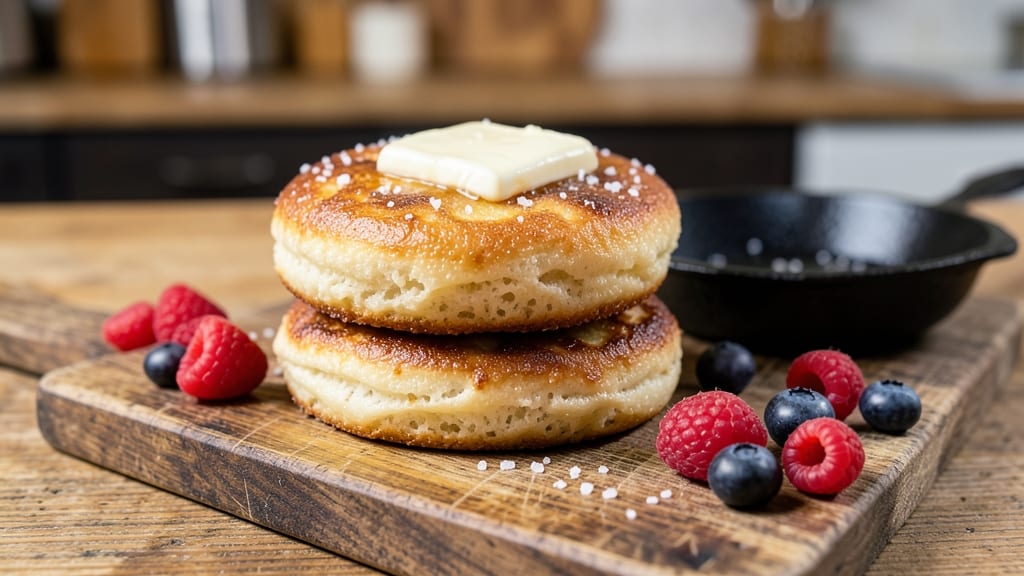
This Alaska Native fry bread recipe carries generations of tradition in every golden, crisp edge. 🌟 Born from resilience during the forced relocation of Indigenous peoples, this dish transformed simple ingredients into something extraordinary—soft, pillowy centers wrapped in buttery, deep-fried perfection.
The secret lies in the dough's balance of flour, yeast, and fat, which creates that signature contrast between tender inside and crispy exterior.
What makes this recipe special is its cultural significance as a staple in Alaska Native communities. Originally created using whatever ingredients were available, it became a symbol of survival and celebration. Today, it remains a beloved dish served at gatherings, powwows, and family meals.
The dough requires just five basic ingredients and minimal effort, yet delivers restaurant-quality results that taste even better when shared.
By the time you pull the last piece from the hot oil, you'll have achieved that perfect balance—crisp enough to hold its shape yet tender enough to melt in your mouth. The aroma alone will fill your kitchen with warmth, transporting you to the heart of Alaska's culinary traditions.
Whether served plain, topped with honey, or paired with savory toppings, this fry bread is more than just a side dish—it's a taste of history.
The beauty of this recipe is its versatility. Use it as a base for breakfast tacos, a side for hearty stews, or even a sweet treat with jam and whipped cream.
The instructions are straightforward, ensuring you can recreate this cultural classic with confidence. Let's bring this tradition to your table.
Ingredients for alaska fry bread
Five simple ingredients transform into Alaska's beloved cultural classic—crispy outside, pillowy inside.
| Ingredient | Amount | Notes |
|---|---|---|
| All-Purpose Flour 🌾 | 4 cups | Sifted for best texture |
| Active Dry Yeast 🍞 | 1 package | Single serving size (0.25 oz) |
| Warm Water 💧 | 1 cup | 110°F for yeast activation |
| Granulated Sugar 🍚 | 1 tbsp | Feeds yeast for rise |
| Salt 🧂 | 1 tsp | Kosher or sea salt |
| Unsalted Butter 🧈 | ½ cup | Cold, cubed for crisp edges |
| Vegetable Oil 🫒 | 4 cups | For deep-frying (peanut oil preferred) |
| Honey 🍯 | ¼ cup | Optional topping (local preferred) |
| Powdered Sugar 🍚 | ¼ cup | Optional topping |
| Jam 🍓 | ½ cup | Optional topping (berry preferred) |
The flour is your foundation—King Arthur or Gold Medal work best for that perfect texture. Yeast can be tricky, so check the expiration date—old yeast won't activate properly. For the butter, use European-style if you can find it (higher fat content = extra crisp edges). The oil matters too—peanut oil has the highest smoke point, but vegetable oil works fine. Most grocery stores carry it in the baking aisle, or grab a gallon at Costco for big batches. If you're making this for a crowd, double the recipe—it disappears fast at gatherings.
No yeast? Instant yeast works 1:1, but active dry is traditional. Short on butter? Lard or shortening gives similar crispiness (though less flavor). Want to skip the honey topping? Maple syrup or cinnamon sugar work beautifully instead. The jam can be whatever you've got—berry preserves or even Nutella if you're feeling indulgent. Pro tip: if your dough feels too sticky, add 1 tbsp more flour. Too dry? A splash of warm water helps. And if your fry bread isn't crispy enough? Hotter oil next time—aim for 350°F.
Freshly made fry bread stays warm for about 30 minutes if wrapped in a clean kitchen towel. For leftovers, store in an airtight container at room temperature for 2 days—reheat in a toaster or oven at 350°F for 5 minutes. Freezing works too: wrap individual pieces in foil and freeze for up to 3 months. To serve, I like to keep a small bowl of honey and jam on the table so everyone can customize their pieces. This dish tastes even better shared, so make extra—you'll want seconds.
Why You'll Love This Recipe
- Pantry Magic: I swear by this recipe because it uses what’s already in my cupboard—flour, yeast, sugar, salt, and water. No fancy ingredients, just pure, crispy satisfaction with minimal shopping.
- Golden Crisp Secret: That perfect balance of sugar and yeast gives it a caramelized edge when fried. The outside’s shatteringly crisp, while the inside stays pillowy—like a hug from a food truck.
- Weeknight Crowd-Pleaser: I make a double batch on Sundays and freeze half. By Friday, it’s reheated in seconds—great for game days, potlucks, or when I’m too tired to cook but still need to feed everyone.
- Budget Stretch: A single bag of flour and a packet of yeast stretch to feed my whole family for days. It’s cheaper than takeout, way healthier, and still tastes like a treat worth making again and again.
Step-by-step instructions for Alaska Native fry bread
Here's how to make golden, crispy fry bread with that perfect buttery center—just like the traditional recipe.
👨🍳 Step 1: Activate the Yeast for a Light Dough
In a large bowl, combine the 1 cup warm water (around 110°F) with the 1 tbsp granulated sugar and 1 package active dry yeast. Let it sit for 5-10 minutes until it becomes frothy—this means your yeast is alive and ready to work. If it doesn't bubble, your yeast might be dead, and you'll need to start over.
While waiting, sift the 4 cups all-purpose flour and 1 tsp salt into the same bowl. Mix everything together with a wooden spoon until it forms a shaggy dough. The dough should be sticky but manageable—don't add extra flour or it won't rise properly. Cover the bowl with a clean kitchen towel and let it rest for 30 minutes in a warm spot.
🍳 Step 2: Knead and Shape the Dough
After the dough rests, turn it out onto a lightly floured surface and knead it for 5-7 minutes until smooth and elastic. You're looking for a dough that springs back when poked—this tells you it's properly developed. If it feels too sticky, wet your hands slightly to prevent sticking.
Divide the dough into 12 equal pieces (about 2 ounces each) and roll each piece into a ball. Cover them again with the towel and let them rest for another 15 minutes. This final rest ensures even cooking and that signature crispy exterior. I like to work with one piece at a time to keep the others covered and warm.
🔥 Step 3: Fry to Golden Perfection
Heat the 4 cups vegetable oil in a deep skillet or Dutch oven to 350°F. Use a thermometer to monitor the temperature—it should stay steady at this heat. Once hot, carefully add one dough ball and fry for 1-2 minutes per side until deep golden brown. You'll know it's ready when it releases easily from the pan and sounds hollow when tapped.
Transfer the fried bread to a paper towel-lined plate to drain excess oil. Repeat with the remaining dough balls, maintaining the oil temperature between 340-360°F. If the oil gets too cool, your bread will absorb too much grease and won't crisp up properly. Work in batches to keep the oil temperature consistent.
🥘 Step 4: Serve Warm with Traditional Toppings
Keep the fried bread warm in a 200°F oven while you fry the rest. For serving, brush the warm bread with melted 0.5 cup unsalted butter for that classic buttery flavor. Then drizzle with 0.25 cup honey and dust with 0.25 cup powdered sugar for a sweet treat.
For a savory option, spread with 0.5 cup jam or serve alongside honey, powdered sugar, or even savory toppings like scrambled eggs or chili. The bread is best served immediately while still crispy and warm—this is when it's at its absolute best. Enjoy straight from the fryer for that perfect contrast of crispy edges and soft, pillowy centers!
Pro Tips For Making Alaska Fry Bread
- Use a thermometer for water: I learned this the hard way—yeast hates extremes. Your warm water should hit 105–110°F (not eyeballing it). Too hot and it kills the yeast; too cold and it won’t activate. A cheap instant-read thermometer solves this forever.
- Let the dough rise twice: The first rise is obvious, but skip the second at your peril. After punching down, let it rest another 30–45 minutes at room temp. This relaxes the gluten so your fry bread puffs evenly instead of cracking like a brittle biscuit.
- Don’t overcrowd the pan: I used to pile them high, thinking more = faster. Wrong. Fry in batches of 2–3 at most, or the oil temp drops and you end up with soggy, greasy bread. A 12-inch skillet works best—no need for a giant Dutch oven.
- Add a pinch of baking powder: Your grandma’s recipe probably doesn’t mention this, but trust me: a ¼ teaspoon lifts the bread without overpowering it. The yeast does most of the work, but this extra boost ensures a lighter, airier texture—especially if your flour is heavy or old.
Wine and beer pairings for this recipe
Sweet Honey Pairings
Alaska Native fry bread shines brightest with local wildflower honey—its floral notes complement the bread's buttery richness perfectly. I recommend Alaskan honey from brands like Alaska Honey or Honeyville for that authentic touch. For a modern twist, drizzle with maple syrup or agave nectar instead. 🍯
Savory Chili Match
This dish pairs wonderfully with Native American chili—the crispy bread soaks up the smoky flavors beautifully. I love using Anasazi chili (a traditional blend with pinto beans and venison) or store-bought Tony Chachere's for convenience.
Serve warm bread alongside chili for a hearty meal that feels like a family gathering.
Coffee or Tea Balance
For a morning treat, serve fry bread with strong black coffee or chamomile tea—the warmth of the drink cuts through the richness. I prefer Alaska-grown coffee from Alaska Coffee Traders for that local connection.
A sprinkle of cinnamon on the bread adds extra coziness when paired with hot beverages. ☕
Spiced Rum or Berry Wine
For an adult pairing, try spiced rum like Captain Morgan or Alaskan birch syrup-infused vodka for a sweet contrast. If you prefer wine, a dry Riesling or Pinot Noir enhances the bread's buttery notes without overpowering. Serve with blackberry jam for a fruity balance that feels like dessert. 🍷
Breakfast Taco Twist
Transform fry bread into breakfast tacos by topping with scrambled eggs, crumbled bacon, and salsa. The crispy edges hold the fillings perfectly. I like using Alaska-grown eggs from local farms for that fresh taste. This savory version is a crowd-pleaser at brunch gatherings. 🍳
Nutrition facts
Frequently asked questions
Why does traditional Alaska fry bread have such a thick crust?
The signature crispy edges come from frying the dough balls in hot oil (350°F) until golden brown. The high heat quickly caramelizes the exterior while keeping the inside soft and pillowy. This technique creates that perfect contrast between textures, which is why it's a staple at gatherings—every bite feels indulgent!
Can I make this recipe without yeast?
Yes, but the texture will differ. Replace the yeast with 1 tsp baking powder and 1 tsp baking soda for a quick version that rises immediately. The bread will be lighter but won't have the same airy, traditional quality. For authenticity, stick with yeast—it's worth the 30-minute wait for that classic taste.
How do I fix dough that's too sticky?
If your dough feels too wet, add 1 tablespoon flour at a time until it's just workable. Avoid over-kneading or the bread will turn tough. For extra crispiness, chill the dough balls for 15 minutes before frying—they'll hold their shape better and brown faster in the oil.
What's the best way to reheat leftover fry bread?
For crispy results, reheat in a 375°F oven for 3-5 minutes on a wire rack. Avoid microwaving—it makes the bread soggy. To revive stale pieces, brush with melted butter and warm in the oven until golden again. Leftovers stay fresh for 2 days at room temperature.
Is there a gluten-free version of this recipe?
Traditional fry bread relies on wheat flour for its texture, but you can substitute with a 1:1 gluten-free flour blend (like Bob's Red Mill). Add ½ tsp xanthan gum to mimic the elasticity. Expect a slightly denser result, but it'll still be delicious! For cultural authenticity, stick with regular flour—this dish honors Native traditions.