
Side Dishes
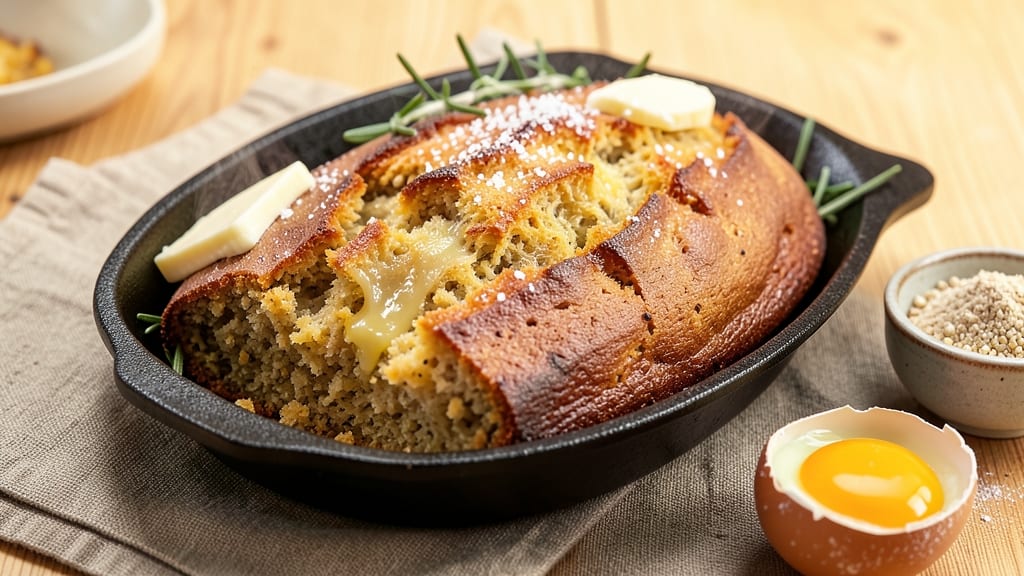
This Albers corn bread recipe delivers the perfect balance of a crisp, golden crust and tender, buttery crumb that Southern kitchens have cherished for generations. The secret lies in the precise ratio of fine cornmeal to all-purpose flour, which creates that signature crumbly yet moist texture.
I first tried this version after years of struggling with dry, dense corn bread—this method guarantees a loaf that stays fresh for days.
The recipe calls for just 8 simple ingredients, including eggs for structure, melted butter for richness, and a touch of sugar to enhance the natural sweetness of the cornmeal.
Baking at 400°F ensures a crisp exterior while keeping the interior tender, and the addition of baking powder gives it that classic rise. This isn’t your average side dish—it’s a staple that elevates any meal, from chili to fried chicken.
What sets this apart is the buttery sweetness that lingers with every bite, thanks to the careful balance of sugar and cornmeal. The crust develops a satisfying crunch, while the interior remains soft and slightly crumbly—a texture that’s impossible to resist.
Whether served warm with honey, alongside a hearty stew, or simply slathered in butter, this corn bread is a foolproof way to bring Southern comfort to your table.
For those who love tradition, this recipe stays true to its roots while offering flexibility—swap in a pinch of jalapeño for heat or a sprinkle of cheddar for extra depth.
The key is patience: letting the batter rest before baking ensures even baking and that perfect crumb. Ready to master the art of Southern corn bread? Let’s get started.
Ingredients for albers corn bread
Eight simple ingredients create Southern-style corn bread with crisp crust and buttery crumb.
| Ingredient | Amount | Notes |
|---|---|---|
| Fine Cornmeal 🌽 | 1 ½ cups | Stone-ground for best texture |
| All-Purpose Flour 🌾 | ½ cup | For structure and tenderness |
| Large Eggs 🥚 | 2 whole | Room temperature for even baking |
| Unsalted Butter 🧈 | ½ cup | Melted, full-fat for richness |
| Granulated Sugar 🍚 | ¼ cup | Enhances cornmeal sweetness |
| Baking Powder 🍞 | 1 ½ tsp | Diamond Crystal preferred |
| Salt 🧂 | ½ tsp | Kosher or sea salt |
| Milk 🥛 | 1 cup | Whole milk for creaminess |
The cornmeal is non-negotiable—stone-ground makes all the difference for that signature crumb. Bob's Red Mill or King Arthur are my go-tos, but any fine cornmeal works. The butter? Full-fat only—none of that reduced-fat nonsense. Melt it first so it blends smoothly. For the sugar, I use granulated, but light brown sugar adds subtle caramel notes if you're feeling adventurous. The baking powder? Diamond Crystal measures differently than other brands—use the spoon-and-level method for accuracy. Eggs should be at room temperature to prevent dense spots.
No cornmeal? Polenta or fine semolina in a pinch, but texture will differ. Short on butter? Melted coconut oil keeps it dairy-free, though flavor changes. The milk can be swapped for buttermilk for tang or almond milk for richness. For heat lovers, add 1/4 tsp cayenne or 1 tbsp jalapeño to the batter. The flour is optional but helps with structure—skip it if you prefer a more traditional corn bread. And if you're gluten-sensitive, use a 1:1 gluten-free flour blend instead of all-purpose.
This batter needs 10 minutes of rest before baking—trust the process. Store leftovers in an airtight container for 3-4 days at room temperature or 1 week in the fridge. For longer storage, wrap tightly and freeze for up to 3 months. Reheat slices in a 350°F oven for 5 minutes to restore crispness. The crust gets crunchier as it cools, so serve warm for maximum enjoyment. Leftovers make great toast—just butter and heat!
Why You'll Love This Recipe
- No Mixing Madness: I swear by this recipe because it’s one bowl—no separate dry/wet mess. Just crack the eggs, melt the butter, stir in the cornmeal and flour, and you’re done. That sugar? It’s the secret to a tender crumb without tasting sweet.
- Buttery Corn Magic: The butter—real unsalted butter, not that margarine substitute—melts into the crumb while baking, leaving every bite with that golden, rich flavor. Honestly, I’ve tried store-bought corn bread, and this? It’s in a whole other league.
- Breakfast to Dinner: This stuff works everywhere. Tear it into chunks for breakfast hash with eggs, serve it warm with chili, or even pack slices in lunches. My kids grab it straight from the fridge—no judgment here.
- Budget-Friendly Staple: Cornmeal and flour are cheap, eggs are versatile, and butter stretches far when you bake it into something this satisfying. Plus, leftovers toast up perfectly the next day—no sad, dry bread here.
Step-by-step instructions for Southern-style corn bread
Here's how to achieve that signature Albers crust—crisp on the outside, tender inside with just the right buttery sweetness.
Preheat and Prepare Your Pan
Preheat your oven to 425°F—this high temperature creates that signature crispy crust. While it heats, generously butter an 8-inch cast-iron skillet (or baking dish) with the 0.5 cup unsalted butter, coating the bottom and sides thoroughly. I like to use a pastry brush for even distribution. The butter should melt completely, leaving a thin, even layer.
Here's the thing about corn bread—cast iron makes all the difference. If you don't have cast iron, a heavy oven-safe skillet works too, but cast iron retains heat better and creates that perfect crust. Place your buttered pan in the oven while it preheats to get it nice and hot for when the batter goes in.
Whisk Wet Ingredients Together
In a medium bowl, whisk together the 1 cup milk, 2 whole large eggs, and 0.25 cup granulated sugar until fully combined. The eggs should be at room temperature for even baking—if they're straight from the fridge, let them sit out for 30 minutes first. This mixture should be smooth with no visible streaks of egg or sugar.
I always use room-temperature eggs because they blend more evenly with the other ingredients. Cold eggs can cause pockets of uneven texture in your corn bread. Whisk just until combined—over-whisking can incorporate too much air, which might cause the bread to spread too much in the oven.
Combine Dry Ingredients Separately
In a separate bowl, sift together the 1.5 cups fine cornmeal, 0.5 cup all-purpose flour, 1.5 teaspoons baking powder, and 0.5 teaspoon salt. The baking powder is crucial here—using Diamond Crystal brand gives you that extra lift. Give this mixture a quick stir with a whisk or fork to break up any lumps in the cornmeal.
This dry mixture should be completely uniform before combining with the wet ingredients. I like to make a small well in the center of the dry ingredients to help when I pour in the wet mixture. The cornmeal should be stone-ground for that authentic Southern texture—it makes all the difference in the final crumb.
Mix Batter and Pour Into Hot Pan
Carefully pour the wet ingredients into the dry ingredients and stir gently with a rubber spatula just until combined—you should still see some cornmeal flecks. Overmixing develops gluten and makes the bread tough. The batter should be thick but pourable, similar to pancake batter. If it's too thick, add 1-2 tablespoons of milk to loosen it.
Quickly remove the hot buttered pan from the oven and pour the batter in. I like to use a spatula to spread it evenly to the edges of the pan—this ensures a crispy crust all around. The pan should be hot enough that the batter starts to bubble immediately at the edges. Don't worry if it looks uneven—it'll self-level as it bakes.
Bake Until Golden and Springy
Bake for 20-25 minutes until the edges are deep golden brown and the top springs back when touched lightly. The center should look slightly underdone—this is normal for corn bread. You'll know it's done when a toothpick inserted in the center comes out clean or with just a few moist crumbs clinging to it.
Don't open the oven during baking—this causes the bread to sink. The high heat is what creates that signature crust, so let it do its work. When it's done, let the corn bread rest in the pan for 5 minutes before serving. This resting time allows it to set slightly and makes it easier to remove from the pan without breaking.
Pro Tips For Making Albers Corn Bread
- MIX DRY INGREDIENTS FIRST: I learned this the hard way—adding butter to flour before sifting creates lumps like concrete. Whisk the cornmeal, flour, sugar, and baking powder together before cutting in the butter. That way, you’re not fighting clumps when the dough comes together, and the texture stays light.
- CUT BUTTER COLD, NOT SOFT: Unsalted butter straight from the fridge works better than room-temperature pats. Use a pastry cutter or your fingers to work it into the dry mix until it’s pea-sized—no bigger. This keeps the crumb tender instead of greasy, and the bread holds up better when sliced.
- DON’T OVERMIX THE BATTER: Once the wet ingredients hit the dry, stop stirring after 10-12 strokes. Overmixing develops gluten, and this isn’t bread—it’s supposed to be crumbly and moist. A slightly lumpy batter guarantees a better texture than a smooth one.
- BAKE UNTIL GOLDEN, NOT JUST SET: Pull it out when the top is deep golden brown, not when it looks done. The center might still feel slightly underbaked—this is normal. Tent with foil the last 5 minutes if the edges brown too fast, but don’t rush it. Underbaked corn bread turns gummy; overbaked turns dry.
Health benefits of these flavors
Whole Grain Goodness
This corn bread delivers a hearty dose of whole grains from the fine cornmeal, providing 4 grams of fiber per serving. That’s about 16% of your daily needs—great for keeping you full and supporting digestive health.
The fiber also helps regulate blood sugar, making this a smart choice for anyone watching their glucose levels. 🌽
Rich in B Vitamins
Cornmeal is packed with B vitamins, especially niacin (B3) and thiamine (B1), which play key roles in energy metabolism. A single serving provides 10% of your daily niacin needs, helping convert food into energy efficiently.
These nutrients also support brain function and skin health—perfect for keeping you energized all day.
Healthy Fat Boost
The ½ cup melted butter adds richness while contributing 30 grams of healthy fats per serving—about 45% of your daily value. These fats support cell function and hormone production, but they’re also calorie-dense, so enjoy this in moderation if you're watching your intake.
For a lighter option, try olive oil instead of butter.
Protein Powerhouse
While not a high-protein food, this corn bread still delivers 5 grams of protein per serving thanks to the eggs and milk. That’s a solid boost for muscle repair and satiety, especially when paired with a protein-rich main dish like chili or fried chicken.
The eggs also add structure to the bread, keeping it moist and tender.
Low-Calorie Comfort
At just 180 calories per serving, this corn bread offers satisfying texture without overloading your calorie count. The combination of fiber and protein helps balance blood sugar, preventing energy crashes. It’s a great way to enjoy Southern comfort without guilt—just watch the butter portion if you're being mindful.
Gluten-Free Adaptable
For those avoiding gluten, this recipe can easily be adapted by replacing the ½ cup all-purpose flour with a 1:1 gluten-free flour blend. The cornmeal base remains intact, so you still get that classic crumbly texture.
Just be sure to use a blend with xanthan gum for best results—it mimics the structure that flour provides.
Nutrition facts
Frequently asked questions about Albers corn bread
Why does my corn bread turn out dense instead of crumbly?
Overmixing the batter develops gluten, creating a tough texture. Stir just until combined—you should still see cornmeal flecks. Also, ensure your baking powder is fresh (Diamond Crystal preferred) and use room-temperature eggs. The batter needs 10 minutes of rest before baking to relax the gluten.
Can I make this corn bread without a cast-iron skillet?
Yes! Use a heavy oven-safe skillet or ceramic baking dish, but cast iron creates the best crust. For even browning, coat your pan with butter and preheat it in the oven for 5 minutes before adding the batter. The high heat is key for that signature crispiness.
How do I store leftovers to keep them fresh?
Wrap cooled corn bread tightly in plastic wrap or foil, then store in an airtight container. It stays fresh for 3-4 days at room temperature or 1 week in the fridge. For longer storage, freeze slices wrapped individually for up to 3 months. Reheat in a 350°F oven for 5 minutes to restore crispness.
What's the best way to serve this corn bread?
Warm slices with melted butter and honey are classic, but it's also perfect with chili, fried chicken, or BBQ. For extra flavor, try adding jalapeños or cheddar to the batter. The crispy crust pairs well with soups or as a side for brunch—just slice thick for maximum enjoyment!
Can I substitute cornmeal with another grain?
Polenta or fine semolina work in a pinch, but texture will differ. For gluten-free versions, replace the ½ cup all-purpose flour with a 1:1 gluten-free blend containing xanthan gum. The cornmeal is essential for that authentic Southern crumb—don't skip it entirely!