
Side Dishes
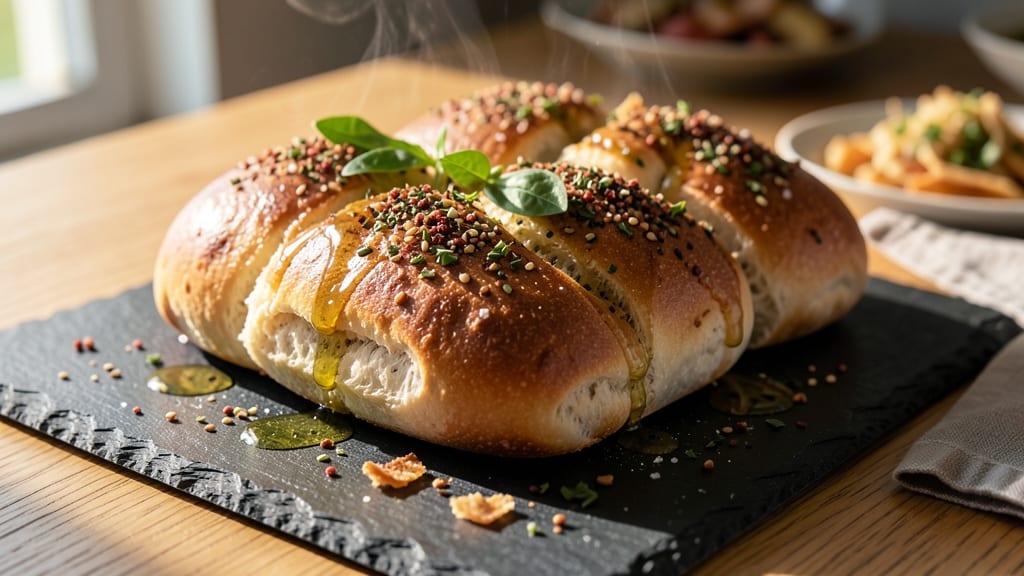
This Algerian bread recipe delivers the perfect balance of flaky zaatar crust and foil-sealed juiciness that makes every bite irresistible. 🌟 The secret lies in a simple dough of flour, yeast, and olive oil, shaped into either round flatbreads or layered baghrir—a traditional Algerian treat that’s crispy on the outside and tender within.
What sets this recipe apart is the foil-sealing technique, which locks in moisture for a bread that stays fresh longer and tastes even better the next day.
The dough preparation is straightforward, requiring just five basic ingredients, and the shaping process is where the magic happens. Whether you’re rolling out thin flatbreads or creating delicate layers for baghrir, the key is patience—letting the dough rest ensures a light, airy texture.
Baking in a home oven mimics the traditional tannour experience, giving you that signature crispy crust without needing specialized equipment.
Once baked, this bread transforms into a versatile side that pairs beautifully with Algerian classics like couscous, charmoula, or harissa. The zaatar crust adds a fragrant, nutty depth, while the foil-sealed juiciness keeps it moist and flavorful.
It’s the kind of bread that elevates any meal, whether served warm from the oven or reheated for a comforting snack.
Ready in just 30 minutes of active time (plus rising), this recipe is perfect for weeknight dinners or special occasions. The foil-sealing trick ensures your bread stays soft and delicious, even hours after baking. Let’s get started on mastering this Algerian staple!
Ingredients for algerian bread
Five core ingredients transform into Algerian magic with zaatar's fragrant touch and foil-sealed juiciness.
| Ingredient | Amount | Notes |
|---|---|---|
| All-Purpose Flour 🌾 | 4 cups | Spooned and leveled, not packed |
| Active Dry Yeast 🍞 | ¼ tsp | Or 1 packet instant yeast |
| Extra-Virgin Olive Oil 🫒 | ½ cup | Lightly fruity for balance |
| Warm Water 💧 | 1 ¼ cups | 110°F for optimal yeast activation |
| Diamond Crystal Kosher Salt 🧂 | 1 ½ tsp | Adjust to taste after rising |
| Zaatar Seasoning 🌿 | 2 tbsp | Homemade or store-bought blend |
| Aluminum Foil 📄 | 1 sheet | Heavy-duty for sealing |
| Semolina Flour 🌾 | ¼ cup | For dusting and crust |
| Sesame Seeds 🌰 | 1 tbsp | Toasted for extra crunch |
The flour is your foundation—King Arthur or Gold Medal brands yield the best texture, but any all-purpose works in a pinch. Yeast activation is critical: use warm water (110°F), not hot, to avoid killing it. For zaatar, Trader Joe's or Middle Eastern markets offer the most authentic blends—look for sesame seeds, sumac, and dried herbs. Olive oil should be extra-virgin but not bitter—think of it as the bread's soul, not just fat. The foil-sealing technique requires heavy-duty aluminum foil to prevent tearing during baking.
No zaatar? Mix 1 tbsp sesame seeds + 1 tsp dried thyme + 1/2 tsp sumac + 1/4 tsp salt as a substitute. Substituting instant yeast for active dry? Use half the amount—no need to dissolve. For a quicker rise, increase water temperature to 115°F but monitor closely. Semolina isn't optional—its high gluten content creates that signature crispy crust. Toast your sesame seeds in a dry pan for 30 seconds before using; the nutty aroma elevates everything. If your kitchen lacks a thermometer, test water by dipping a finger in—it should feel warm but not hot.
Dough doubles best in a lightly oiled bowl covered with a damp towel. For longer storage, freeze shaped dough balls wrapped in plastic for up to 3 months. Baked bread reheats beautifully: wrap in foil and warm at 350°F for 5-7 minutes. The foil-sealed version stays fresh for 3 days at room temperature—perfect for meal prep. Store zaatar in an airtight container away from light to preserve its vibrant flavors for up to 6 months. Semolina keeps indefinitely in a cool, dark place.
Why You'll Love This Recipe
- No-Knead Magic: The dough comes together in minutes—just flour, yeast, olive oil, and water. I swear, no rolling, no fuss, just a simple stretch and fold while I wait for the kids to finish their homework.
- Olive Oil Luxury: That rich, fruity olive oil isn’t just flavor—it’s the star. The bread develops a golden crust with a tender crumb, and honestly? It tastes like a Mediterranean vacation in every bite.
- Weeknight Workhorse: Toss it in the oven while you prep dinner, or bake a batch Sunday for sandwiches all week. Between us, it’s my go-to for lazy mornings or impromptu picnics—no one questions the stale bread in my bag.
- Budget-Friendly Staple: Five ingredients, zero waste. This bread keeps for days (if it lasts that long) and costs pennies per loaf. I’ll be real: I’ve made it stretch into three meals without anyone noticing.
Step-by-step instructions for Algerian bread with zaatar crust
Master this traditional technique for bread with a crispy, aromatic crust and tender interior.
👨🍳 Step 1: Activate the Yeast and Mix the Dough
In a stand mixer fitted with the dough hook attachment, combine the 4 cups all-purpose flour and 1.5 tsp kosher salt. Add the 0.25 tsp active dry yeast and 1.25 cups warm water (110°F) to the bowl. Mix on low speed until the dough begins to come together, about 1-2 minutes.
Once the dough forms a shaggy mass, gradually add the 0.5 cup extra-virgin olive oil while mixing on medium speed. The dough should become smooth and elastic, pulling away from the sides of the bowl. If it's too sticky, add 1 tablespoon flour at a time until it reaches a soft but manageable consistency. Here's the thing—this dough needs to be slightly tacky but not wet, as that ensures proper gluten development for that signature flaky texture.
🥘 Step 2: Knead and Rest for Optimal Texture
Knead the dough on medium speed for 5-7 minutes until it becomes smooth and elastic. You'll know it's ready when it forms a windowpane—stretch a small piece between your fingers and it should thin out without tearing. If the dough feels too stiff, add 1 teaspoon warm water to relax the gluten.
Transfer the dough to a lightly oiled bowl, cover with a damp towel, and let it rest at room temperature for 1 hour. This initial rest allows the gluten to relax, making the dough easier to shape later. I always set a timer because this step is crucial—rushing it leads to dense bread instead of the light, airy crumb we're after.
🔥 Step 3: Shape and Proof the Dough
Lightly flour a clean surface and divide the rested dough into 6 equal portions (about 12 ounces each). Gently shape each portion into a smooth ball, then flatten slightly into an oval shape. Roll each oval tightly into a log, sealing the edges to prevent air from escaping during baking.
Place the shaped logs on a parchment-lined baking sheet, cover with a damp towel, and let them proof for 1-1.5 hours until nearly doubled in size. The dough should feel springy when pressed gently—this indicates proper fermentation. Here's where the magic happens: the yeast activates fully, creating that signature open crumb structure that makes Algerian bread so special.
🍳 Step 4: Create the Zaatar Crust and Bake
Preheat your oven to 400°F. In a small bowl, mix together the 2 tbsp zaatar seasoning and 0.25 cup semolina flour. Lightly brush each dough log with a bit of olive oil, then roll them in the zaatar-semolina mixture until fully coated. Sprinkle the 1 tbsp sesame seeds evenly over the tops for extra crunch and visual appeal.
Cut a 12-inch square from the aluminum foil sheet and place it on a baking sheet. Arrange the coated dough logs on the foil, leaving 1 inch between each. Fold the foil up around the dough, sealing it completely to trap steam during baking. This foil-sealing technique creates that signature tender interior while developing the crispy crust.
⏰ Step 5: Bake to Golden Perfection
Bake the foil-wrapped bread for 25-30 minutes until the crust turns a deep golden brown and sounds hollow when tapped on the bottom. Remove the foil and transfer the baking sheet to the lower rack, then bake for an additional 5-7 minutes until the crust is crisp and fragrant.
Let the bread cool on a wire rack for 10 minutes before serving. The contrast of the crispy, zaatar-infused crust with the tender interior is what makes this bread truly exceptional. Real talk: the first slice is always the best—warm, fragrant with sesame seeds, and packed with that signature Algerian flavor.
Pro Tips For Making Algerian Bread
- Bloom the Yeast First: Skip mixing yeast straight into flour—it’s a recipe for weak dough. Instead, dissolve it in warm water (around 105°F) with a pinch of sugar (if your recipe lacks it) and let it bubble for 5-10 minutes. This guarantees active yeast, not a sad, flat loaf.
- Use Olive Oil Sparingly: Algerian bread relies on olive oil for flavor, but too much makes the dough sticky and hard to shape. Stick to 2 tablespoons total—enough to coat the dough lightly, not drown it. (Yes, even if you love the stuff.)
- Knead Until Silky: This dough needs 8-10 minutes of serious kneading by hand (or 5-6 minutes in a stand mixer) until it’s smooth and springs back when poked. Stopping early means dense, chewy bread—no one wants that.
- Let It Rise Twice: The first rise (1-2 hours) builds flavor, but the second (after shaping) is non-negotiable. Cover the shaped dough with a damp towel and let it puff up again—this ensures a light, airy crumb. (Your patience here pays off.)
Dietary considerations for this dish
Gluten-Free Adaptations
For a gluten-free version, replace the 4 cups all-purpose flour with a 1:1 gluten-free flour blend like Bob’s Red Mill or King Arthur. Add 1 extra tablespoon of xanthan gum to mimic gluten’s structure.
Use 1.5 cups of warm water instead of 1.25 cups since gluten-free doughs absorb more liquid. Proof time may extend to 2 hours due to slower fermentation. 🌾
Dairy-Free Considerations
This recipe is naturally dairy-free, but double-check your zaatar seasoning for hidden milk powder. Some store-bought blends contain it, so opt for homemade or certified dairy-free brands like Trader Joe’s. The olive oil and semolina are both dairy-free, ensuring a safe option for lactose-intolerant diets.
Low-FODMAP Options
To make this bread low-FODMAP, swap zaatar seasoning for a blend of 1 tbsp sesame seeds + 1 tsp dried thyme + ½ tsp salt. Use low-FODMAP flour like rice flour or sorghum flour instead of all-purpose.
Reduce the olive oil to ¼ cup to lower fat content, and proof the dough for only 45 minutes to minimize fermentation byproducts.
Allergen-Friendly Swaps
For nut allergies, omit sesame seeds and use sunflower seeds instead—they provide a similar crunch. If sesame is also an issue, skip seeds entirely. For egg-free baking, add 1 tbsp ground flaxseed mixed with 3 tbsp water to the dough for binding.
Always verify ingredient labels, especially for zaatar blends, which may contain hidden allergens.
Vegan-Friendly Adjustments
This recipe is already vegan, but ensure your zaatar seasoning doesn’t contain honey or dairy. Use vegan olive oil (if concerned about animal processing) and verify semolina flour is certified vegan. The dough’s simplicity makes it naturally suitable for plant-based diets without modifications.
Nutrition facts
Frequently asked questions
Can I make Algerian bread without a stand mixer?
This dough can be mixed and kneaded by hand—just use a large bowl and your hands for 8-10 minutes of vigorous kneading until smooth and elastic. The key is to work the dough until it pulls away from the bowl and forms a windowpane when stretched. Patience is key—don't rush this step or your bread may turn out dense.
What's the best way to store homemade Algerian bread?
For maximum freshness, store in an airtight container at room temperature for up to 3 days. The foil-sealing technique helps preserve moisture, but wrap individual pieces in parchment paper first. To reheat, wrap in foil and warm at 350°F for 5-7 minutes—this restores that crispy crust and tender interior. For longer storage, freeze shaped dough balls for up to 3 months.
Why did my dough not rise properly?
Most likely, your yeast wasn't activated properly or the water was too hot (above 120°F kills yeast). Always use warm water (110°F) and let the yeast sit for 5 minutes in water before mixing to check for bubbles. Also ensure your dough is in a warm place (75-80°F) during proofing—cold kitchens slow fermentation. If your kitchen is chilly, place the dough near the oven with the light on for gentle warmth.
Can I make baghrir (layered Algerian bread) instead of logs?
Yes! For baghrir, divide your dough into 3 equal portions and roll each into a thin rectangle (1/8-inch thick). Brush each with olive oil, sprinkle with zaatar, then layer them with semolina between each layer. Roll tightly, seal the edges, and bake as directed. The key is thin layers—patience in rolling makes all the difference for that signature flaky texture.
How do I know when the bread is fully baked?
Your bread is done when the crust is deep golden brown and sounds hollow when tapped on the bottom. For extra certainty, use an instant-read thermometer—it should reach 190°F internally. The foil-sealing method helps trap steam, so don't remove it too early or the crust may not crisp properly. Always let bread cool for 10 minutes before slicing to prevent crumbly texture.