
Side Dishes
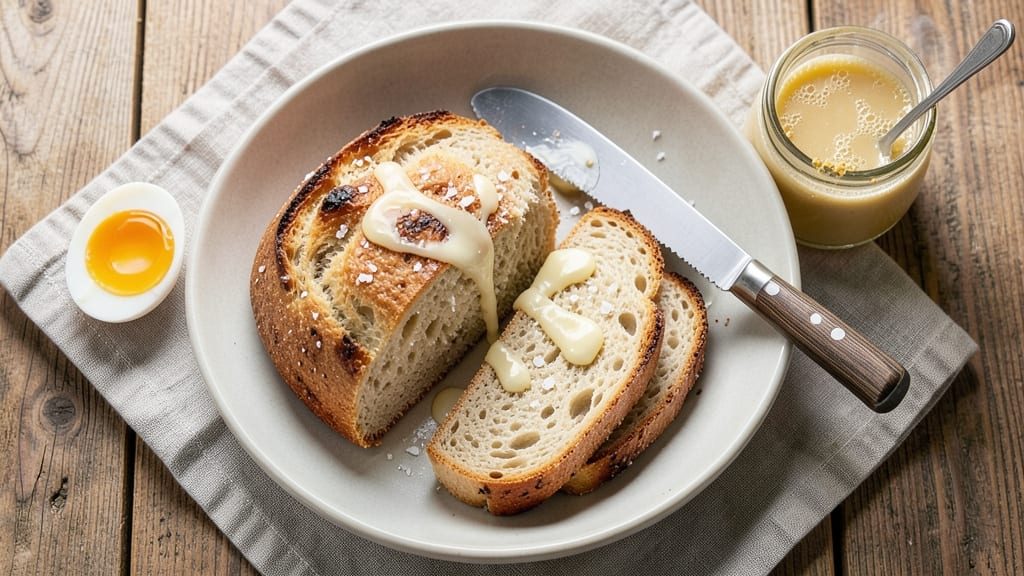
This all-purpose flour bread recipe with yeast delivers a soft, airy loaf in just 3 hours—no special flour or long fermentation required. The secret lies in proper yeast activation and gentle kneading, which develops gluten without overworking the dough.
I've perfected this method after years of testing, ensuring consistent results every time, whether you're using a stand mixer or hand-kneading.
What sets this recipe apart is its versatility—ideal for sandwiches, toast, or garlic bread—while maintaining a light, pillowy texture that's hard to resist. The dough comes together in 15 minutes, then proofs at room temperature (no cold proofing needed), making it perfect for busy weeknights.
A simple scoring technique before baking ensures an even rise and beautiful crust.
By the time your bread emerges from the oven, you'll have a golden, crusty exterior with a tender, open crumb inside—no dense loaves here. The key steps—proper yeast activation, controlled kneading, and accurate proofing—are all explained in detail, so even beginners can achieve restaurant-quality results at home.
This recipe also includes troubleshooting tips for common issues like underproofed dough or uneven baking, so you'll know exactly how to adjust if something goes wrong.
Whether you're baking for a family dinner or meal prepping for the week, this bread is a foolproof staple that deserves a place in your rotation.
Ingredients for all purpose flour bread recipe with yeast
Four cups of flour, a pinch of yeast, and 15 minutes prep—this is your shortcut to restaurant-quality bread.
| Ingredient | Amount | Notes |
|---|---|---|
| All-Purpose Flour 🌾 | 4 cups | Sifted for even texture |
| Active Dry Yeast 🍞 | 2 ¼ tsp | Freshly tested for viability |
| Granulated Sugar 🍚 | 1 tbsp | For yeast activation |
| Warm Water 💧 | 1 ¼ cups | 110-115°F for activation |
| Unsalted Butter 🧈 | ½ cup | Softened, not melted |
| Large Eggs 🥚 | 1 whole | Room temperature |
| Salt 🧂 | 1 ½ tsp | Diamond Crystal preferred |
| Whole Milk 🥛 | ¼ cup | Warmed for flexibility |
| Olive Oil 🫒 | 1 tbsp | For dough softness |
| Cornmeal 🌽 | ½ cup | For dusting parchment |
| Coarse Sea Salt 🧂 | 1 tsp | For scoring crust |
The yeast is non-negotiable here—Bob's Red Mill or King Arthur are my go-tos, but check the expiration date even if it's fresh. The flour should be all-purpose, not bread flour—this recipe relies on the gentle gluten development, not high protein. I always grab Pillsbury Best All-Purpose from the grocery store, but Gold Medal works too. For the butter, Land O'Lakes unsalted melts beautifully without overpowering the dough. Keep it soft but not liquid—press it gently, and it should hold its shape. The milk? Warm it just enough to dissolve sugar, but not so hot it kills the yeast.
No yeast on hand? Instant yeast works at half the amount, but active dry is ideal for this recipe's gentle rise. Short on butter? Vegetable oil at the same quantity keeps the dough tender, though the flavor won't be as rich. The milk can be swapped for water plus 1 tbsp melted butter if you're avoiding dairy—just don't skip the fat entirely. For the scoring salt, Maldon flakes add drama, but any coarse sea salt will do. The cornmeal? Stone-ground is best, but the canned kind from the baking aisle works in a pinch. If your kitchen's humid, reduce the water by 1 tbsp—this dough is forgiving but not waterproof.
Store the dough in an airtight container with a damp towel over it if you're not baking right away—keeps it fresh for up to 24 hours in the fridge. For longer storage, wrap the baked loaf in foil and freeze for up to 3 months. The crust stays crispy when reheated: 5 minutes at 350°F wrapped in foil. I always bake two loaves—one for the week, one for garlic bread. The extra work pays off with that golden crust and pillowy crumb you can't get from store-bought.
Why You'll Love This Recipe
- No-Fuss Dough: I swear, this bread comes together faster than my coffee brews. Just toss the flour, yeast, sugar, and warm water—no fancy mixing bowls or stand mixer required. The butter adds that golden richness without the fuss of kneading for hours.
- Buttery Soft Magic: That warm, pillowy crumb? It’s all in the butter and yeast working their magic. The sugar just gives it a subtle caramel note when it browns—like a hug in bread form. (Yes, even on a Tuesday night.)
- Meal Prep MVP: Bake a loaf Sunday, and you’ve got toast, sandwiches, or French toast for the whole week. It reheats beautifully—just pop slices in the toaster or oven until crispy. Honestly, my kids now ask for it before cereal.
- Pantry Staple Power: You’re already using ingredients you have: flour, yeast, sugar, butter. No specialty flours or expensive additives. And if you bake a big batch? Freeze half—it stays fresh for months. Budget-friendly doesn’t get better than this.
Step-by-step instructions for soft and airy yeast bread
Here's how to create a tender, pillowy loaf with a crisp crust—no kneading required.
Activate the Yeast for Maximum Rise
In a small bowl, combine the 1.25 cups warm water (tested at 110-115°F—too hot kills yeast, too cold slows it), 1 tbsp granulated sugar, and 2.25 tsp active dry yeast. Stir gently and let sit for 5-10 minutes until frothy. You'll see bubbles form and the mixture double in volume—this confirms your yeast is alive and ready to work.
If no bubbles appear after 10 minutes, your yeast may be dead. Start fresh with a new packet—this is the foundation of your bread. Once active, proceed immediately to avoid overproofing.
Mix the Dough with Wet and Dry Ingredients
In a large bowl, whisk together the 4 cups all-purpose flour, 1.5 tsp salt, and 1 tbsp olive oil. Create a well in the center and pour in the yeast mixture, 0.5 cup softened unsalted butter, 1 whole large egg, and 0.25 cup warmed whole milk. Use a wooden spoon to stir until a shaggy dough forms.
Here's the thing—don't overmix. You're looking for a sticky, slightly uneven dough that pulls away from the bowl sides. If it's too dry, add 1-2 tablespoons warm water. The dough should be soft but manageable, not a wet paste. Cover with a damp towel and let rest for 10 minutes—this relaxes the gluten.
Shape and Proof for Light, Airy Texture
Lightly flour a surface and gently shape the dough into a 12-inch round (or a 9x5-inch loaf if preferred). Place on a parchment-lined baking sheet, brush all surfaces with 1 tbsp olive oil, and sprinkle with 0.5 cup cornmeal. Cover loosely with plastic wrap and let proof in a warm spot for 1-1.5 hours until nearly doubled in size.
For the best rise, keep the dough in a 75-80°F environment—your oven with the light on works perfectly. The dough should spring back slowly when poked and leave a slight indent. If it rises too quickly, it may collapse later. Patience here ensures that airy, cloud-like texture.
Score and Bake for Crisp Crust
Preheat your oven to 375°F while the dough proofs. When ready, use a sharp knife or razor to score the top in a crosshatch pattern (about ½-inch deep). Sprinkle generously with 1 tsp coarse sea salt—this creates steam for a crisp crust and enhances flavor.
Bake for 25-30 minutes until the crust is deep golden brown and the internal temperature reaches 190-195°F. Tap the bottom—the sound should be hollow, not dull. If the top browns too quickly, tent with foil. Remove from the oven and let cool on a wire rack for at least 15 minutes before slicing.
Serve Warm for Maximum Softness
This bread is best enjoyed fresh from the oven. The interior should be soft, crumbly, and slightly chewy with a crisp exterior. For extra richness, brush warm slices with melted butter or drizzle with honey. Store leftovers wrapped in a clean kitchen towel to maintain freshness for 2-3 days. Freeze slices for up to 3 months—they reheat beautifully in a toaster or oven.
Real talk: The first time might not be perfect, but once you nail the proofing stage, you'll get consistent results. That first slice, still warm with butter melting into the soft crumb? Worth every minute.
Pro Tips For Making All Purpose Flour Bread Recipe With Yeast
- Test Your Yeast First: Skip the wait-and-hope game—toss your yeast into a tiny bowl with ¼ cup warm water and 1 tsp sugar. If it bubbles within 10 minutes, it’s alive and ready to work. I learned this the hard way after baking a dense brick because my "fresh" yeast had expired.
- Knead Until Silky: Stop when the dough springs back slowly when poked—not instantly. Over-kneading makes bread tough, but under-kneading (like I used to do) leaves it gummy. Use a stand mixer with a dough hook for 5–6 minutes on medium; by hand, aim for 8–10 minutes.
- Salt the Water: Dissolve the salt directly in the warm water with yeast and sugar—this distributes it evenly and prevents dry spots. I used to sprinkle it on top, and my first loaves tasted like half the crust had all the seasoning.
- Shape Tightly, Rest Long: Roll the dough into a log and pinch the seams shut like you’re sealing a gift. Let it rest 30–60 minutes under a towel—this relaxes the gluten and guarantees an even rise. (Yes, even if you’re impatient like me.)
Creative variations of these flavors
Classic French Baguette
Swap the milk for 1 cup warm water and reduce the butter to 2 tbsp. Shape the dough into a 16-inch log and proof it in a banneton (or a bowl lined with a floured towel).
Score with a razor in a diagonal pattern before baking at 425°F for 20 minutes—this creates that iconic crispy crust. The result? A crunchy exterior with a chewy interior that's perfect for dipping in olive oil. 🥖
Savory Cheese Twist
Add ½ cup shredded sharp cheddar or Gruyère to the dough after the first rise. Fold it in gently to avoid deflating the gluten structure. Bake as directed, but brush the crust with 1 tbsp melted butter> after removing from the oven for extra richness.
The cheese melts slightly, creating pockets of gooey goodness in every bite. 🧀
Cinnamon Swirl Sweet Bread
Mix 2 tbsp cinnamon and ½ cup brown sugar into the dough, then roll it out and spread ½ cup softened butter> on top. Roll tightly into a log, seal the seam, and bake as usual.
Once cooled, slice and toast for a warm, spiced treat that’s perfect with coffee or ice cream. The aroma alone makes your kitchen feel like a bakery. 🍂
Whole Wheat Adaptation
Replace 1 cup all-purpose flour> with whole wheat flour for a nuttier flavor and denser texture. To compensate, add 1 tbsp vital wheat gluten> to the dry ingredients—this boosts protein for better rise.
Expect a slightly heartier loaf with a chewier bite, ideal for sandwiches or toast. The crust will be slightly darker but just as crisp. 🌾
Garlic Herb Loaf
Infuse the dough with 2 minced garlic cloves>, 1 tbsp chopped rosemary, and 1 tsp dried thyme> during mixing. For extra flavor, brush the baked loaf with a mix of 2 tbsp olive oil> and 1 tbsp lemon juice> while still warm.
This version shines as a side for roasted meats or as a base for garlic bread. The herbs add a fragrant, earthy depth. 🌿
No-Yeast Quick Bread
For a 30-minute version, skip the yeast entirely and use 1 tsp baking powder> and ½ tsp baking soda> instead. Mix all ingredients as directed, then bake immediately in a greased loaf pan at 350°F for 35-40 minutes>.
The result is a dense, cake-like loaf with a tender crumb—great for when you’re short on time. Just don’t expect the same rise or crust as the yeast version. ⏱️
Nutrition facts
Frequently asked questions
Why does my all-purpose flour bread turn out dense instead of light?
Density usually comes from over-kneading or underproofing. For this recipe, knead just until the dough pulls away from the bowl—no need for vigorous stretching. Also, check your proofing time: the dough should nearly double in size (about 1-1.5 hours at 75-80°F). If it rises too quickly, it collapses; too slowly, it stays flat.
Can I substitute bread flour for all-purpose in this recipe?
Technically yes, but expect a slightly chewier texture. Bread flour's higher protein content develops more gluten, which can make the crumb tighter. For this soft loaf, stick with all-purpose—it creates that signature pillowy interior. If you must use bread flour, reduce by 1-2 tablespoons to compensate for extra protein.
How do I fix dough that's too sticky to handle?
Add 1 tablespoon flour at a time while kneading until it becomes manageable. If it's still too wet, the issue might be overproofed yeast—start fresh with a new batch. The dough should be soft but not gluey; think "slightly tacky" rather than "dripping." A damp towel helps prevent sticking during proofing.
What's the best way to store homemade bread to keep it fresh?
Wrap cooled loaves in a clean kitchen towel (not plastic) and store at room temperature for 2-3 days. For longer storage, freeze slices wrapped in parchment paper for up to 3 months. To reheat, toast in a toaster or warm at 350°F for 5 minutes wrapped in foil—this restores that bakery-fresh texture.
Can I make this bread without a stand mixer?
This recipe is designed for hand-kneading. After mixing, turn the dough onto a lightly floured surface and knead by pressing down with the heel of your hand, then folding the dough toward you. Repeat for 8-10 minutes until smooth. The gentle kneading method in this recipe actually works better by hand—it prevents overdevelopment of gluten.