
Side Dishes
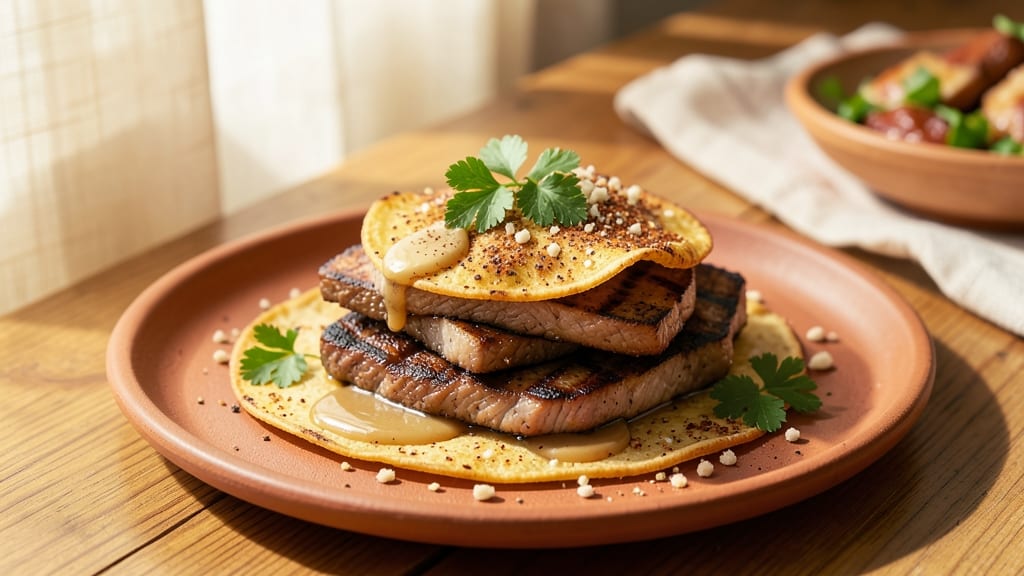
This alligator bread recipe delivers the perfect balance of crispy tortilla crunch and foil-sealed juicy centers that make every bite unforgettable. The secret lies in a precise breading technique and careful frying—transforming tough alligator meat into tender, flavorful slices that hold up to the crunchy exterior.
What sets this dish apart is the foil-sealing method, which locks in moisture while developing that signature crispy texture.
The process begins with a light, crispy tortilla crumb coating that contrasts beautifully with the tender meat inside. We'll use a simple breading station technique to ensure even coverage, followed by a precise frying method at 360°F to achieve that golden-brown crust.
The foil-sealing step is where the magic happens—it traps steam and renders fat back into the meat, guaranteeing juicy, flavorful bites every time.
What you'll end up with is a dish that's equal parts restaurant-quality and home-cooked comfort. The crispy tortilla crunch gives way to tender, savory alligator meat that practically melts in your mouth.
This recipe is perfect for serving as a main dish or hearty appetizer, especially when paired with classic Cajun or Creole sides like spicy remoulade or a fresh green salad.
Whether you're introducing alligator to new diners or perfecting your technique, this method delivers consistent results. The key is patience during breading and careful temperature control while frying—small details that make all the difference. Let's get started on creating this showstopping dish.
Ingredients for alligator bread
Transform tough alligator into restaurant-quality bites with this precise breading and foil-sealing technique.
| Ingredient | Amount | Notes |
|---|---|---|
| Alligator Meat 🐊 | 1 ½ lb | Freshly cut, 1/2-inch thick slices |
| Corn Tortillas 🌽 | 8 whole | Small, cut into 1-inch squares |
| All-Purpose Flour 🌾 | 1 cup | For breading station |
| Cajun Seasoning 🌶️ | 2 tbsp | High-quality, smoky blend |
| Garlic Powder 🧄 | 1 tbsp | Freshly ground preferred |
| Onion Powder 🧅 | 1 tbsp | For depth of flavor |
| Vegetable Oil 🫒 | 3 cups | High smoke point for frying |
| Aluminum Foil 📄 | 1 sheet | Heavy-duty, 12x12 inches |
| Salt 🧂 | 1 tsp | Kosher or sea salt |
| Black Pepper 🌶️ | ½ tsp | Freshly cracked |
| Lemon Juice 🍋 | 1 tbsp | Freshly squeezed |
| Fresh Parsley 🌿 | ¼ cup | Chopped, for garnish |
| Butter 🧈 | 2 tbsp | Unsalted, for basting |
| Hot Sauce 🔥 | 1 tbsp | Optional, for serving |
The alligator meat is critical here—fresh cuts from a specialty butcher ensure optimal texture. Look for uniform 1/2-inch slices with minimal connective tissue. Costco or local Cajun markets often carry pre-cut alligator, but if sourcing whole, ask for the tail section—it's the most tender. The tortillas should be small and sturdy; Mission or La Tortilla Factory brands work best for even crumbling. For the seasoning blend, Tony Chachere's or Slap Ya Mama deliver authentic Cajun depth, but a homemade mix of paprika, cayenne, thyme, and oregano works if you prefer customization.
No corn tortillas? Flour tortillas cut into squares provide a similar texture, though the flavor won't match. Substituting the Cajun seasoning? Mix 1 tbsp paprika, 1 tsp smoked paprika, 1/2 tsp cayenne, 1 tsp dried thyme, and 1 tsp dried oregano for a close approximation. The vegetable oil must be high smoke-point—Avocado or peanut oil are ideal, but never olive oil. For the foil sealing, heavy-duty foil is non-negotiable—regular foil tears under the heat. If you're vegetarian, substitute the alligator with firm tofu or king oyster mushrooms cut to the same thickness.
Pre-cut alligator freezes beautifully—portion and vacuum-seal for up to 3 months to preserve texture. The tortilla crumbs lose crispiness after 2 days, so make them fresh or store in an airtight container with a silica packet to absorb moisture. Once breaded, the coated pieces can be refrigerated for 4 hours max before frying. For the foil-sealed centers, the magic happens at 360°F for exactly 4 minutes—set a timer, as overcooking turns the meat rubbery. Leftover foil-sealed pieces reheat well in a 350°F oven for 10 minutes, though the crunch is best fresh.
Why You'll Love This Recipe
- One-Pan Wonder: I swear by this for lazy nights—just sear the alligator strips, toss them in a quick flour-garlic-Cajun mix, and slap them between tortillas on the same skillet. No oven, no mess, no excuses.
- Cajun Kick: That deep, smoky heat from the Cajun seasoning? It turns ordinary tortillas into something ridiculously good—crispy outside, tender inside, with a bite that lingers. Honestly, I’ll take this over fast food any day.
- Tailgate Champion: Between us, this is my secret weapon for game days. The alligator strips hold up perfectly in a cooler, and the tortillas? They’re sturdy enough to handle tailgate chaos. Feed a crowd without stressing.
- Budget-Friendly Protein: Alligator meat is lean and affordable, and a little goes a long way. I stretch a pound into four servings, and the flour-garlic crust makes it feel like a splurge. Leftovers? They reheat like a dream.
Step-by-step instructions for alligator bread with crispy tortilla crunch
Master this technique and you'll achieve the perfect balance of crispy tortilla exterior and tender alligator centers.
Prepare the Alligator Meat for Cooking
Begin by cutting the 1.5 lb alligator meat into ½-inch thick slices, ensuring each piece is uniform in thickness. This thickness guarantees even cooking and maximum tenderness. Pat each slice completely dry with paper towels—moisture is the enemy of crispy tortilla coatings.
In a medium bowl, combine the 1 cup all-purpose flour, 2 tbsp Cajun seasoning, 1 tbsp garlic powder, 1 tbsp onion powder, 1 tsp salt, and ½ tsp black pepper. Whisk until the spices are evenly distributed throughout the flour. This dry rub will create the flavor foundation for your alligator bread.
Create the Crispy Tortilla Breading
Cut the 8 whole corn tortillas into 1-inch squares, yielding approximately 64 pieces. Spread these evenly on a baking sheet and bake at 350°F for 8-10 minutes until completely dry and crisp. This step is crucial—dry tortillas absorb moisture better and create that signature crunch.
While the tortillas bake, heat 3 cups vegetable oil in a deep skillet to 350°F. The oil should shimmer but not smoke. This temperature is perfect for frying the tortilla pieces without burning them. Test the oil with a small piece of tortilla—it should sizzle and turn golden in 30 seconds.
Bread and Fry the Alligator
Working in batches to avoid overcrowding, dip each alligator slice into the flour mixture, pressing gently to adhere the seasoning. Then, quickly coat each piece with the crispy tortilla squares, pressing them firmly onto all sides. You want a thick, even layer—this creates that signature "bread" texture.
Carefully slide the breaded alligator into the hot oil and fry for 3-4 minutes per side until the tortilla coating is deep golden brown and the alligator reaches an internal temperature of 145°F. Use tongs to flip—don't overcrowd the pan, or the oil temperature will drop and the coating won't crisp properly.
Foil-Seal for Juicy Centers
Remove the fried alligator from the oil and transfer it to a 12x12-inch sheet of heavy-duty aluminum foil. Fold the foil tightly to seal the alligator slices inside, trapping the heat and moisture. This foil-sealing technique is what transforms tough meat into tender, juicy centers while maintaining that crispy exterior.
Place the foil-sealed package in a 375°F oven for 10-12 minutes. The residual heat will continue cooking the alligator while keeping it moist. You'll know it's done when the tortilla coating remains crispy and the alligator is fork-tender with no resistance.
Finish and Serve
Remove the alligator from the foil and transfer it to a serving platter. Drizzle with 2 tbsp melted butter and 1 tbsp freshly squeezed lemon juice to enhance the flavors. Garnish with ¼ cup chopped fresh parsley for a pop of color and freshness.
Serve immediately with 1 tbsp hot sauce on the side for those who prefer extra heat. The contrast of crispy tortilla exterior and tender alligator center, combined with the smoky Cajun seasoning, makes this dish unforgettable. Each bite delivers that perfect balance of textures and flavors we promised.
Pro Tips For Making Alligator Bread
- SEAR THE ALLIGATOR FIRST: Don’t skip browning the meat—cut it into ½-inch strips and sear in a screaming-hot skillet with oil for 3-4 minutes per side until deeply caramelized. I learned this the hard way when my first batch tasted bland; the crust locks in flavor and keeps the tortillas from getting soggy.
- DRY THE TORTILLAS: Warm your corn tortillas just enough to soften, then pat them dry with a paper towel before assembling. Moisture is the enemy here—wet tortillas turn to mush when fried, and nobody wants a greasy, limp sandwich.
- LAYER THE BREAD SMALL: Build mini "breads" (2-3 tortillas max) instead of one giant stack—it cooks faster, stays crispier, and lets you test seasoning without committing to a whole batch. My first attempt with a tower collapsed mid-fry; lesson learned.
- USE A THERMOMETER: Fry the alligator bread in oil at 350°F (175°C)—any hotter, and the outside burns before the inside cooks. A cheap thermometer is worth it; I used to guess and ended up with either raw centers or carbonized crusts.
Wine and beer pairings for these flavors
Cajun-Inspired Reds
This dish practically begs for a bold red wine with enough body to stand up to the smoky Cajun seasoning. I reach for a Zinfandel from California—look for one from the Dry Creek Valley region—with its dark fruit flavors and peppery finish that complement the tortilla crunch.
The alcohol helps cut through the richness while the tannins balance the dish's heat. 🍷
Crisp White Contrasts
For a refreshing contrast, try a Sauvignon Blanc with citrus notes—Sancerre from the Loire Valley works beautifully. The bright acidity cleanses your palate between bites, while the herbal undertones echo the garlic and parsley in the recipe.
If you prefer something richer, a Viognier with its floral aromas adds an unexpected elegance to the dish.
Local Louisiana Beers
When it comes to beer pairings, nothing beats a cold Abita Amber from Louisiana. This malty amber ale has just enough caramel sweetness to balance the smoky Cajun flavors while its moderate hop bitterness complements the tortilla crunch.
For a lighter option, try St. Arnold's Summer Beer—its crisp, citrusy profile refreshes the palate without overpowering the dish. 🍺
Spicy Remoulade Cocktail
For a fun twist, mix 1 oz bourbon, ½ oz hot sauce, and ½ oz lemon juice with ice, then top with chilled sparkling water.
The spicy kick mirrors the Cajun seasoning while the effervescence cuts through the richness. Garnish with a lemon twist for that perfect balance of heat and acidity.
Sweet Tea Pairing
Don't overlook the classic Southern staple: sweet tea. The natural sweetness of the tea enhances the smoky, savory flavors of the alligator bread while providing a refreshing contrast. For extra flair, add a splash of peach nectar to deepen the sweetness and complement the Cajun spices.
This pairing is especially popular in Louisiana and brings out the dish's rustic charm.
Nutrition facts
Frequently asked questions
Why does this recipe use tortilla crumbs instead of traditional breadcrumbs?
The tortilla crumbs create a unique texture that's crispier and more flavorful than regular breadcrumbs. Corn tortillas add a subtle sweetness and sturdy bite that pairs perfectly with the smoky Cajun seasoning. Plus, they absorb moisture differently, helping maintain that satisfying crunch even after frying.
Can I make this recipe ahead of time?
You can prep the breaded alligator pieces up to 4 hours ahead and refrigerate them, but frying should happen fresh for best results. The foil-sealing technique works best with freshly fried pieces to maintain crispiness. For make-ahead convenience, try baking the tortilla crumbs in advance and storing them in an airtight container.
What's the best way to store leftovers?
Store leftovers in an airtight container for up to 3 days in the fridge. Reheat in a 350°F oven for 10 minutes to restore crispiness. The foil-sealed centers reheat beautifully, though the crunch will be slightly softer. For longer storage, freeze the breaded pieces before frying and cook straight from frozen.
How do I know when the alligator is fully cooked?
Use a meat thermometer to check for 145°F internal temperature—this ensures safe consumption while maintaining tenderness. The tortilla coating should be golden brown and crispy. If the meat feels slightly resistant when pierced, it needs 1-2 more minutes of foil-sealing in the oven.
What sides pair best with this dish?
Classic Cajun sides like dirty rice, creamy coleslaw, or grilled vegetables complement the smoky flavors perfectly. For a lighter option, try a fresh green salad with lemon vinaigrette. The crispy tortilla texture also pairs wonderfully with cool, creamy dips like remoulade or tartar sauce.