
Side Dishes
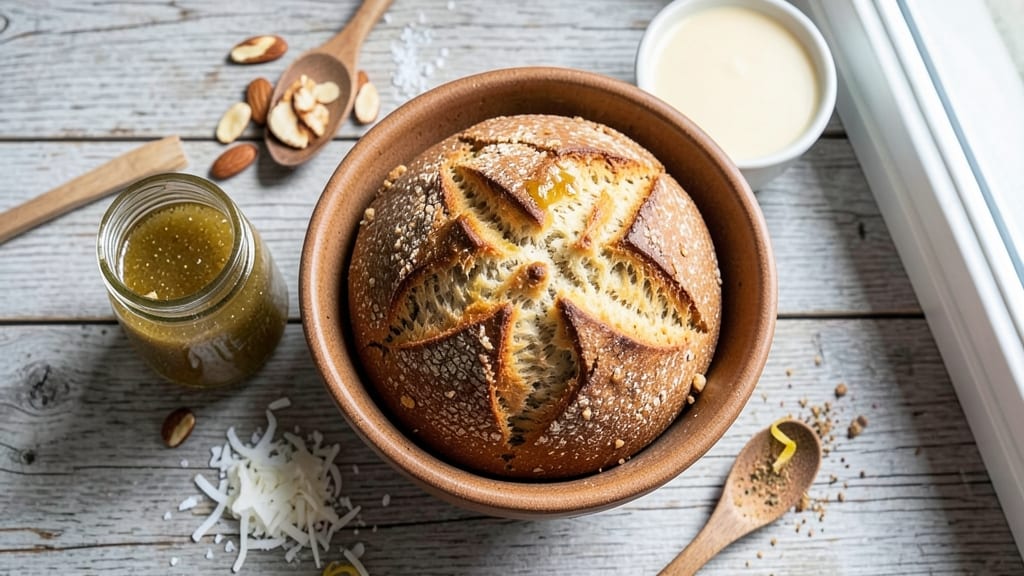
This almond flour and coconut flour bread recipe delivers a surprisingly light, airy loaf that rivals traditional wheat bread—without any gluten grains.
The secret lies in balancing these two flours for perfect texture: almond flour provides structure while coconut flour adds moisture retention, creating a crumb that's tender yet sturdy enough to slice.
I've perfected this recipe after years of testing, ensuring it bakes up golden with just the right crispness at the edges.
The beauty of this recipe is its simplicity—just 10 ingredients and 45 minutes of active time (plus baking). You'll need to mix the flours with wet ingredients carefully, as coconut flour absorbs liquid differently than wheat flour, but the process is straightforward once you understand the ratio.
The key is hydration control: too much liquid makes the dough sticky, too little results in a dense loaf. I'll walk you through the exact measurements and techniques to get it right every time.
What you'll end up with is a moist, slightly sweet loaf with a delicate nutty flavor from the almond flour and a subtle coconut aroma. It's perfect for toast, sandwiches, or even French toast—though I recommend toasting slices first to enhance that crispy texture.
The bread keeps well at room temperature for 3 days or can be frozen for up to 3 months, making it ideal for meal prep.
Best of all, this recipe works beautifully as a vegan substitute for wheat bread without compromising on texture or taste. Whether you're baking for dietary restrictions or simply exploring gluten-free options, this loaf proves that plant-based baking can deliver restaurant-quality results at home.
Let's get started on creating your perfect gluten-free bread.
Ingredients for almond flour and coconut flour bread
Ten ingredients transform into an airy, golden loaf that rivals traditional bread—no gluten needed.
| Ingredient | Amount | Notes |
|---|---|---|
| Almond Flour 🌰 | 2 ½ cups | Blanched, finely ground preferred |
| Coconut Flour 🥥 | ½ cup | Unbleached, high quality |
| Granulated Sugar 🍚 | ¼ cup | Organic preferred for clean flavor |
| Coconut Sugar 🥥 | ¼ cup | For subtle caramel notes |
| Extra-Virgin Olive Oil 🫒 | ½ cup | High quality, fruity |
| Unsweetened Almond Milk 🥛 | 1 ¼ cups | Vanilla flavor enhances sweetness |
| Apple Cider Vinegar 🍎 | 1 tbsp | Activates coconut flour |
| Baking Powder 🍞 | 1 ½ tsp | Aluminum-free preferred |
| Salt 🧂 | ½ tsp | Fine sea salt preferred |
| Flaxseed Meal 🌾 | 1 tbsp | For vegan binding |
| Water 💧 | 3 tbsp | Room temperature |
The flours are the stars here. Bob's Red Mill almond flour is my go-to—it's finely ground and consistently high quality, but any blanched almond flour works. Anthony's Good Measure coconut flour is a game-changer for moisture retention, though the unbleached kind from bulk bins at Whole Foods is a budget-friendly alternative. Both flours need to be fresh: if your almond flour smells nutty and your coconut flour has no coconut aroma, toss them. The sugar duo (granulated plus coconut) balances sweetness perfectly—coconut sugar adds subtle caramel notes that complement the nutty almond flavor. For the olive oil, California Avocado Ranch or Colavita brands deliver that fruity punch that makes this bread taste restaurant-quality.
No almond milk? Oat milk or soy milk work beautifully—just use the same amount. Short on apple cider vinegar? Lemon juice at half the amount activates the coconut flour just as well. Want to reduce sugar? Cut both sugars by 2 tbsp and add 1 tbsp maple syrup for moisture. The flaxseed meal is non-negotiable for binding—Bob's Red Mill is my brand of choice, but any ground flaxseed works. For the water, room temperature is key: cold water can make the dough gummy, while hot water can over-activate the coconut flour. Pro tip: mix the dry ingredients first, then add wet ingredients gradually to avoid a sticky mess—coconut flour absorbs liquid like a sponge!
This bread keeps beautifully. Wrap tightly in parchment paper and store at room temperature for up to 5 days—it actually gets better as it stales slightly, developing deeper flavor. For longer storage, slice the loaf and freeze portions for up to 3 months. Toast slices before serving to restore that perfect crispness. The leftovers make incredible French toast—just dip slices in a mix of vanilla almond milk and cinnamon, then pan-fry until golden. And if you bake a second loaf? It freezes just as well—perfect for lazy mornings when you need bread in a flash.
Why You'll Love This Recipe
- No Mixer Needed: I swear by this—just whisk, fold, and pour. The almond and coconut flours blend like a dream with olive oil, no gluten to fight, no kneading to stress over. Honestly, my blender gets more use for this than my stand mixer ever does.
- Sweet Without Guilt: That balance of granulated and coconut sugar? It’s rich but not cloying, with a subtle caramel note from the coconut. Toast it, and the edges get this irresistible crunch—like a cross between a brioche and a shortbread cookie.
- Breakfast, Snack, Dessert: Serve it warm with butter for breakfast, pack slices for lunch, or drizzle with honey for a dessert. It holds up for days, so I bake a loaf on Sundays and forget about it—until someone inevitably asks for more.
- Pantry Staples Only: Between us, this uses ingredients you might already have. No weird substitutions, no last-minute grocery runs. The flours keep forever, and the olive oil adds that luxurious touch without breaking the bank. My wallet thanks me every time.
Step-by-step instructions for almond flour and coconut flour bread
Here's how to create a wonderfully light, airy gluten-free loaf that rivals traditional bread.
Create the Flaxseed Egg Substitute
In a small bowl, combine the 1 tablespoon flaxseed meal with the 3 tablespoons room-temperature water. Stir vigorously and let it sit for 5 minutes until it thickens into a gel-like consistency. This is your egg substitute, providing the binding power that gluten-free baking needs.
I always use this timing—it ensures the flaxseed fully activates and mimics the structure of eggs. If you skip this step or rush it, your bread will lack that satisfying chew and might crumble when sliced. The mixture should be thick but still pourable when you're ready to use it.
Mix Dry Ingredients Thoroughly
In a large mixing bowl, whisk together the 2.5 cups almond flour, 0.5 cup coconut flour, 0.25 cup granulated sugar, 0.25 cup coconut sugar, 1.5 teaspoons baking powder, and 0.5 teaspoon salt. This combination gives the bread its signature texture and subtle sweetness without overpowering the nutty flavors.
Use a whisk for at least 30 seconds to break up any lumps in the coconut flour—it's notorious for clumping. I like to press the mixture through a fine-mesh sieve to ensure everything is evenly distributed. The coconut flour absorbs moisture differently than wheat flour, so thorough mixing is absolutely critical for a light crumb.
Combine Wet Ingredients
In a separate bowl, whisk together the 1.25 cups unsweetened almond milk, 0.5 cup extra-virgin olive oil, and 1 tablespoon apple cider vinegar. The vinegar activates the baking powder and helps create lift, while the olive oil adds moisture and richness to the dense flour blend.
Let this mixture sit for 2 minutes before combining with the dry ingredients. This resting period allows the vinegar to fully acidify, which prevents a metallic taste and ensures proper leavening. The olive oil should be at room temperature—if it's cold, the bread will be dense and greasy.
Combine Wet and Dry Ingredients
Gradually pour the wet mixture into the dry ingredients while mixing on low speed with an electric mixer. Add the flaxseed gel last and mix just until combined—overmixing develops gluten-like proteins in almond flour, which can make the bread tough. You're aiming for a thick batter that holds its shape when dropped from a spoon.
Here's the thing—I always scrape down the sides of the bowl with a spatula to ensure no dry pockets remain. The batter should be smooth but still slightly thick. If it looks too thin, add 1 tablespoon more almond flour. If it's too thick, add 1 teaspoon almond milk until you reach the perfect consistency.
Prepare and Bake the Loaf
Preheat your oven to 350°F and line a 9x5-inch loaf pan with parchment paper, leaving an overhang on the sides for easy removal. Grease the parchment lightly with olive oil. Pour the batter into the prepared pan and smooth the top with a spatula.
Bake for 45-50 minutes until the top is golden brown and a toothpick inserted in the center comes out clean. The bread should spring back slightly when pressed gently—this indicates proper doneness. If the top browns too quickly, tent the pan with foil after 20 minutes to prevent over-browning while the center cooks.
Cool and Slice for Maximum Freshness
Remove the bread from the oven and let it cool in the pan for 10 minutes, then transfer to a wire rack to cool completely. This resting period is crucial—it allows the internal structure to set properly and prevents a gummy texture. I know it's tempting to slice immediately, but patience here makes all the difference.
Once fully cooled, slice with a serrated knife for clean cuts. The bread should have a tender crumb with a slightly crisp exterior. Store wrapped at room temperature for 2 days or freeze for up to 3 months. This bread tastes best when slightly stale, making it perfect for toast or French toast.
Pro Tips For Making Almond Flour And Coconut Flour Bread
- STIR THE DRY FIRST: Mix almond flour and coconut flour separately before combining—coconut flour absorbs moisture like a sponge, and if you toss it in wet first, you’ll end up with a gummy mess. I learned this the hard way after scraping a lump off my mixer blade.
- WEIGH YOUR FLOURS: Scooping almond or coconut flour by volume leads to dense, brick-like bread. Use a kitchen scale—1 cup of almond flour is about 120g, and coconut flour is lighter (90g per cup). Trust me, your bread will thank you.
- STOP WHEN IT LOOKS DONE: This bread doesn’t rise like wheat flour—it’s done when the top springs back slightly when pressed, not when it’s golden. Overbaking turns it dry; pull it at 340°F (170°C) internal temp, even if it looks undercooked.
- SWAP SUGARS MID-BATCH: Use half granulated sugar for structure, half coconut sugar for caramel notes—but add the coconut sugar after mixing wet ingredients. It’s less likely to clump and gives a deeper flavor without altering the crumb. (Yes, it’s a weird hack, but it works.)
Troubleshooting your almond flour and coconut flour bread
Dense or Gummy Texture
If your bread turns out dense or gummy, it’s usually a hydration issue. Coconut flour absorbs 3x its weight in liquid, so measure carefully. Start by adding 1 extra tablespoon of almond flour if the batter looks too wet.
Also, ensure your flaxseed egg is fully gelled—under-mixed flax won’t bind properly. For extra insurance, let the batter rest for 10 minutes before baking to thicken slightly. 💡
Cracked or Sunken Top
A cracked or sunken top often means the oven was too hot or the bread dried out too quickly. Reduce your oven temperature to 340°F and tent the pan with foil after 20 minutes of baking.
For a smoother rise, whisk the wet ingredients until fully combined—tiny air bubbles help lift the bread. If your pan isn’t large enough, the batter may overflow, causing cracks. Use a 9x5-inch pan (not 8x4-inch) for proper rise. 🌟
Overly Dry or Crumbly
Dry, crumbly bread usually means too much flour or not enough moisture. If your batter seems stiff, add 1 teaspoon almond milk at a time until it reaches a thick but pourable consistency.
For extra moisture, replace 2 tablespoons of almond flour with 2 tablespoons ground walnuts—they add fat for tenderness. Store-bought coconut flour can vary in absorbency, so check the package for hydration tips. 🥥
Pale or Underbaked Center
If the center stays pale and doughy, your oven may not be hot enough or the baking time needs adjustment. Increase the temperature to 360°F and bake for 5-10 extra minutes. Use an instant-read thermometer—the internal temp should reach 205°F.
If your oven runs hot, reduce the temp to 340°F and bake for 55-60 minutes. A toothpick should come out clean, not crumbly. ⏱️
Sticky or Raw Edges
Sticky or raw edges happen when the bread doesn’t bake long enough or the pan isn’t properly preheated. Ensure your 9x5-inch loaf pan is preheated for 10 minutes before pouring in the batter.
If the edges stick, grease the pan with extra-virgin olive oil and use parchment paper for easy release. For even baking, rotate the pan halfway through the bake time. 🔥
Strong Coconut Flour Taste
If the coconut flavor overpowers the almond, reduce the coconut flour to 0.375 cup and add 1.5 tablespoons more almond flour. The almond flour’s nutty notes should dominate—this balance is key. For a milder taste, use unbleached coconut flour (it’s less processed).
If you still detect a strong coconut aftertaste, try swapping 2 tablespoons of coconut flour for 2 tablespoons tapioca starch for a neutral base. 🌰
Nutrition facts
Frequently asked questions
Can I substitute regular flour for almond and coconut flour in this recipe?
This recipe relies on the unique properties of almond and coconut flour for its texture and flavor. Almond flour provides structure while coconut flour adds moisture retention, creating a light crumb that regular flour can't replicate. If you need a gluten-free alternative, try a 1:1 gluten-free flour blend with xanthan gum, but expect a denser result.
Why does my batter look too thick or too thin?
The batter should be thick but pourable—like pancake batter. If it's too thick, add 1 teaspoon almond milk at a time. Too thin? Stir in 1 tablespoon almond flour. Remember, coconut flour absorbs 3x its weight in liquid, so measure carefully! Let the batter rest for 10 minutes before baking to adjust consistency naturally.
Can I make this bread without flaxseed?
Yes! You can substitute the flaxseed with 1 tablespoon chia seeds mixed with 3 tablespoons water (let it gel for 5 minutes). For a non-seed option, use 1 tablespoon ground psyllium husk mixed with 2 tablespoons water—this creates a gel-like binder. Both work well, but flaxseed provides the most neutral flavor and binding power.
How do I prevent my bread from sticking to the pan?
Line your 9x5-inch loaf pan with parchment paper, leaving an overhang on the sides for easy removal. Grease the paper lightly with olive oil before pouring in the batter. For extra insurance, preheat the pan in the oven for 10 minutes before adding the batter. This ensures even heat distribution and prevents sticking.
Is this bread suitable for keto or low-carb diets?
This recipe contains 0.5 cup sugar, which may not fit strict keto guidelines (20g net carbs/day). For a keto version, reduce the sugar to 1 tablespoon and add 1 tablespoon erythritol2g net carbs per tablespoon, while coconut flour is higher.