Side Dishes
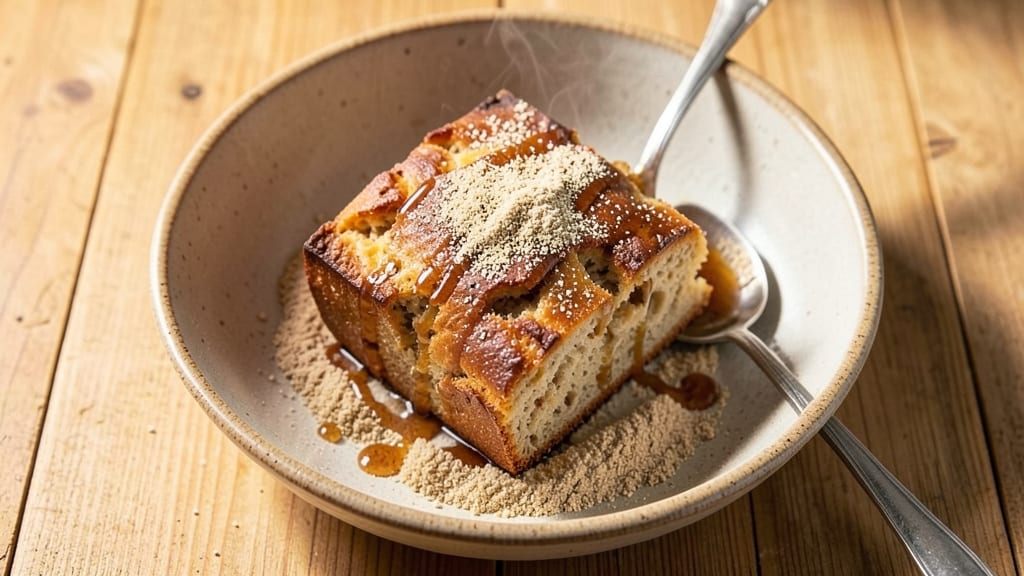
This almond flour and psyllium husk bread recipe delivers the perfect balance of nutty richness and airy texture—without gluten or heavy density. The psyllium husk acts as a natural binder, creating a structure that holds up beautifully while keeping each slice light and tender. I developed this recipe after struggling to find a vegan almond flour bread that didn’t crumble or taste overly dry, and this version solves those problems completely.
The magic happens in the hydration and resting phases—psyllium absorbs moisture to form a gel-like network, which mimics gluten’s structural role. This allows the bread to rise gently and develop a satisfying crumb without collapsing.
The almond flour adds depth and a subtle sweetness, while a touch of apple cider vinegar enhances the rise and balances the nutty flavor. With just 10 ingredients and 30 minutes of active prep, you’ll have a loaf that’s as impressive as it is easy.
By the time you pull it from the oven, you’ll have a golden, slightly domed loaf with a crisp crust and a soft, moist interior that’s perfect for toast or sandwiches. The psyllium ensures it stays fresh longer than traditional almond flour bread, making it ideal for meal prep.
Slice it while still warm for the best texture, and store leftovers in an airtight container for up to 5 days—or freeze for extended freshness.
For extra flavor, consider adding 1 tablespoon of seeds (like sunflower or pumpkin) or a sprinkle of dried herbs before baking. This recipe adapts seamlessly to dietary needs while delivering a bread that’s worth the effort. Let’s get baking!
Ingredients for almond flour bread recipe with psyllium husk
Ten simple ingredients transform into a loaf that’s light, nutty, and holds its shape—no crumbles here!
| Ingredient | Amount | Notes |
|---|---|---|
| Almond Flour 🌰 | 3 cups | Finely ground, blanched preferred |
| Psyllium Husk Powder 🌿 | 2 tbsp | Pure, unsweetened, high-quality |
| Tapioca Starch 🥔 | ½ cup | For elasticity and chewiness |
| Apple Cider Vinegar 🍏 | 1 tbsp | Raw, unfiltered for tang |
| Water 💧 | 1 ¼ cups | Room temperature preferred |
| Maple Syrup 🍁 | ¼ cup | Pure, grade B for depth |
| Salt 🧂 | 1 ½ tsp | Fine sea salt preferred |
| Active Dry Yeast 🍞 | 1 tsp | Vegan-certified for safety |
| Sunflower Seeds 🌻 | ¼ cup | Optional, for crunch |
| Olive Oil 🫒 | 2 tbsp | Extra-virgin for richness |
Psyllium husk is the game-changer—Bob’s Red Mill or Now Foods have the best quality. Skip the pre-mixed blends with additives; pure psyllium absorbs moisture perfectly for that gluten-like structure. Almond flour? Blue Diamond or Anthony’s Goods are my go-tos—they’re finely ground and consistent. Tapioca starch is key for that satisfying chew; Bob’s Red Mill again, or any reputable brand at the grocery store. The yeast needs to be vegan-certified—Fleischmann’s or Red Star both work, just double-check the label. For the seeds, Trader Joe’s has great bulk bins if you want to experiment with different varieties.
No psyllium husk? Flaxseed meal at double the amount works in a pinch, though texture won’t be identical. Swap maple syrup for agave nectar if you prefer, but maple’s molasses notes complement the almond flavor. Olive oil out of stock? Avocado oil is a neutral substitute. The yeast is non-negotiable—no baking powder or baking soda can replace its lift. For extra flavor, toss in 1 teaspoon of dried rosemary or thyme with the seeds. And if you’re feeling fancy, toasted sesame seeds add a beautiful contrast to the golden crust.
This loaf keeps 5 days in an airtight container at room temperature, but honestly? It’s best fresh. For longer storage, slice and freeze—toast straight from frozen for crispy results. The psyllium helps it stay moist longer than traditional almond flour bread, so you won’t find dry, crumbly slices here. Double the recipe and freeze half—perfect for meal prep. And if you’re worried about the psyllium going bad, store it in the fridge once opened; it lasts 6-12 months that way.
Why You'll Love This Recipe
- Five-Ingredient Magic: I swear, this bread comes together with just a bowl and a spoon—no mixer, no kneading, no stress. The psyllium husk does all the heavy lifting while I sip my coffee, and honestly? That’s my kind of baking.
- Nutty Yet Neutral: The almond flour gives it a subtle richness without overpowering, and the apple cider vinegar adds just enough tang to keep it fresh-tasting. It’s the kind of bread that lets other flavors shine—think jam, butter, or even savory toppings—without stealing the show.
- Meal Prep MVP: Between us, this is the bread I keep in the fridge for days. Slice it, toast it, or pack it for lunches—it stays fresh longer than most store-bought loaves. (Yes, even on a Tuesday night when I forget to bake.)
- Budget-Friendly Staple: Almond flour might sound fancy, but a little goes a long way, and the psyllium husk stretches the dough perfectly. I make two loaves for the price of one regular loaf, and the leftovers? They disappear faster than I can say "second breakfast."
Step-by-step instructions for almond flour and psyllium husk bread
This gluten-free bread delivers a light, airy texture with nutty depth—perfect for sandwiches or toast.
Activate the Yeast and Mix Wet Ingredients
In a small bowl, combine the 1.25 cups water (room temperature), 1 tbsp apple cider vinegar, 0.25 cup maple syrup, and 1 tsp active dry yeast. Let this sit for 5-10 minutes until frothy—this confirms the yeast is alive and ready to work. The mixture should bubble gently, signaling it’s active.
In a separate large bowl, whisk together the 3 cups almond flour, 0.5 cup tapioca starch, 1.5 tsp salt, and 2 tbsp olive oil. The almond flour should feel slightly coarse, but the tapioca starch helps bind everything for a tender crumb. Add the yeast mixture to the dry ingredients and stir until just combined—you’ll see a thick, sticky batter form.
Incorporate Psyllium Husk and Sunflower Seeds
Sprinkle the 2 tbsp psyllium husk powder over the batter and stir vigorously for 2-3 minutes until fully dissolved. The psyllium acts like a natural gluten substitute, creating elasticity and helping the bread rise. The mixture will thicken noticeably—this is normal and essential for structure.
Fold in the 0.25 cup sunflower seeds (if using) by hand, reserving a few for topping. The seeds add crunch and a subtle nutty contrast to the tender crumb. For even distribution, gently press the seeds into the batter rather than stirring—this prevents clumping and ensures they’re spread throughout.
Let the Dough Rest for Maximum Rise
Transfer the batter to a greased 9x5-inch loaf pan and smooth the top with a wet spatula. Cover loosely with plastic wrap or a damp towel and let it rest at room temperature for 1 hour. This step allows the psyllium to fully hydrate and the yeast to work its magic, creating a lighter texture.
During this time, the batter will rise slightly and may look less dense. Avoid pressing or prodding it—this can deflate the structure. If your kitchen is cold, place the pan in a slightly warm spot (like near a turned-off oven with the light on) to encourage a better rise.
Bake Until Golden and Hollow-Sounding
Preheat your oven to 350°F and bake the bread for 45-50 minutes, until the top is golden brown and a toothpick inserted in the center comes out clean. The bread should also sound hollow when tapped on the bottom—this confirms it’s fully baked.
For extra browning, brush the top with a little water or olive oil after 30 minutes in the oven. The psyllium helps create a crispy crust while keeping the interior moist. If the edges brown too quickly, tent the pan with foil to prevent over-browning while the center finishes baking.
Cool and Slice for Perfect Texture
Remove the bread from the oven and let it cool in the pan for 10 minutes before transferring to a wire rack. This gradual cooling prevents cracking and allows the crumb to set properly. The bread will still be warm but firm enough to handle.
Slice with a serrated knife for clean cuts—this bread is dense enough that a regular knife can dull quickly. Serve warm for the best texture, or store wrapped at room temperature for up to 3 days. The nutty flavor and light crumb make it perfect for toast, sandwiches, or even French toast!
Pro Tips For Making Almond Flour Bread Recipe With Psyllium Husk
- Mix the Psyllium First: Mix the psyllium husk powder with warm water (not hot) for 5 minutes before adding anything else—it thickens like glue. I learned this the hard way when my first batch turned out gummy because I rushed it.
- Weigh Your Almond Flour: Use a kitchen scale for almond flour—spooning it in by volume leads to dry, dense bread. A gram off means a texture shift, and you’ll notice it.
- Skip the Overmixing: Stir the batter just until combined—overmixing develops gluten-like strings in the psyllium, making the bread tough. Think "damp clumps," not smooth.
- Bake at 350°F, Not Higher: Cranking the oven to 375°F dries out the crust before the center sets. Stick to 350°F and tent with foil halfway through if the top browns too fast—your bread will stay moist.
Regional styles of this dish
Southern U.S. Style
In the Southern U.S., this almond flour bread gets a warm welcome as a gluten-free alternative to classic cornbread or biscuits. The psyllium husk helps it hold together like traditional Southern breads, while the nutty almond flavor pairs perfectly with smoky BBQ sauces or peanut butter and honey.
Try brushing the warm loaf with a mix of 2 tbsp melted butter and 1 tbsp maple syrup before serving—it’s a Southern favorite. 🌶️
For a true Southern twist, add 1 tsp cinnamon and ½ tsp nutmeg to the dry ingredients, then top with a sprinkle of crushed pecans before baking. This version works beautifully as a side for fried chicken or shrimp and grits, offering a lighter, nutty alternative to heavier breads.
Mediterranean Adaptation
In Mediterranean cuisine, almond flour bread is often enriched with herbs and citrus for brightness. Replace the sunflower seeds with 1 tbsp dried oregano or thyme, and add 1 tsp lemon zest to the batter for a zesty kick.
A drizzle of olive oil and a sprinkle of flaky sea salt after baking elevates the flavors, making it perfect with grilled vegetables or hummus.
For an authentic touch, bake the bread in a clay baking dish (like those used for focaccia) instead of a loaf pan. Brush the top with extra-virgin olive oil after baking and sprinkle with toasted pine nuts for a crunchy finish.
Serve with a side of tzatziki or olive tapenade for a Mediterranean-inspired meal.
Nordic-Inspired Twist
In Nordic baking, psyllium husk is a common gluten-free binder, and almond flour adds a subtle sweetness that pairs well with cardamom and cinnamon.
For a Nordic-style loaf, add ½ tsp ground cardamom and ½ tsp cinnamon to the dry ingredients, then top with a mix of linseeds and sunflower seeds before baking. The warm spices complement the nutty almond flavor beautifully.
Serve this bread with smoked salmon and cream cheese, or use it to make open-faced sandwiches with roasted mushrooms and a dollop of sour cream. The psyllium’s structure holds up well to Nordic-style toppings, making it a versatile addition to breakfast or lunch. 🌟
Mexican-Inspired Version
For a Mexican-inspired take, add 1 tsp cumin and ½ tsp smoked paprika to the dry ingredients, then fold in ¼ cup chopped cilantro and 2 tbsp toasted pumpkin seeds.
Brush the baked loaf with a mix of 1 tbsp olive oil and 1 tsp lime juice for a bright, tangy finish. This bread pairs perfectly with tacos, quesadillas, or black bean bowls.
The psyllium husk ensures the bread stays sturdy enough to hold up to bold flavors, while the almond flour adds a subtle sweetness that balances the spices. For extra flair, sprinkle the top with chopped scallions or dried chili flakes before baking. 🌶️
Nutrition facts
Frequently asked questions
Why does this recipe use psyllium husk instead of other gluten-free binders?
Psyllium husk creates a natural, elastic structure that mimics gluten's properties perfectly for almond flour bread. When mixed with water, it forms a gel that helps the loaf rise and hold its shape without crumbling. Unlike xanthan gum or flaxseed, psyllium also adds moisture retention, keeping your bread tender for days.
Can I make this bread without yeast?
Yes, but the texture will be denser. Replace the yeast with 1 tbsp baking powder and 1 tsp baking soda for a quick-rise version. The psyllium will still provide structure, but you'll lose that light, airy crumb. Bake at 375°F for 35-40 minutes instead.
How do I prevent the bread from sticking to the pan?
Grease your 9x5-inch loaf pan thoroughly with olive oil, then dust with almond flour before pouring the batter. For extra insurance, line the pan with parchment paper cut to fit. The psyllium makes this bread naturally moist, so proper pan prep is key to easy removal.
What if my batter is too thick or too thin?
If too thick, add 1-2 tbsp water at a time until it reaches a thick pancake consistency. Too thin? Stir in 1-2 tbsp almond flour until it forms a cohesive batter. The psyllium needs proper hydration, so aim for a batter that holds its shape but still flows easily when poured.
Can I use this bread for sandwiches?
This recipe creates a sturdy yet tender loaf perfect for sandwiches. Toast lightly before assembling to prevent sogginess. The nutty flavor pairs beautifully with fillings like avocado, hummus, or smoked salmon. For extra hold, brush slices with olive oil before assembling.