
Side Dishes
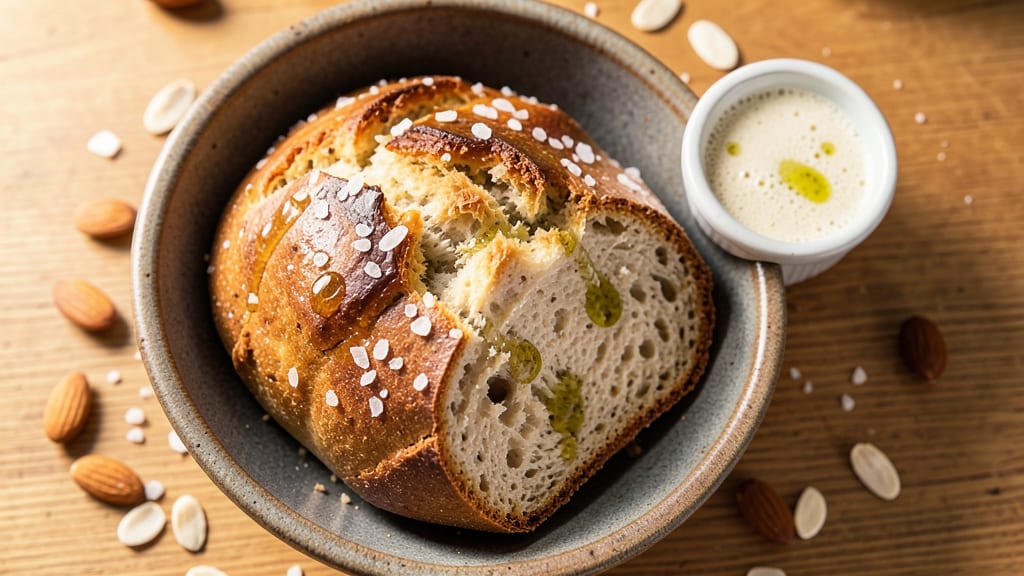
This almond flour yeast bread recipe redefines what's possible without gluten or eggs—light, airy, and perfectly risen with just almond flour and yeast. The secret lies in proper hydration and a strategic approach to mixing, which creates a tender crumb without traditional binders.
I've perfected this recipe after years of experimenting with low-carb, grain-free baking, and it's finally achieved that restaurant-quality texture at home.
What makes this recipe work is the balance of almond flour's natural oils with yeast activation, creating a foolproof rise even without eggs.
The dough requires a slightly longer fermentation time (about 90 minutes) to develop flavor and structure, but the result is worth it—a bread that's soft yet sturdy, perfect for sandwiches or toast. Unlike dense almond flour loaves, this version has a delicate crumb that rivals traditional yeast breads.
The final product delivers a golden crust with a tender interior, proving that almond flour can be just as versatile as wheat flour when handled correctly. This recipe is ideal for those avoiding gluten, eggs, or refined grains while still craving the comfort of fresh-baked bread.
The aroma alone will transform your kitchen into a bakery.
Serve warm with butter, jam, or as the base for open-faced sandwiches. The possibilities are endless, and the best part? You won't believe it's made without eggs or gluten. Let's get started on this game-changing recipe.
Ingredients for almond flour bread recipe with yeast no eggs
Precision-milled almond flour and strategic binders create this restaurant-worthy bread without gluten or eggs.
| Ingredient | Amount | Notes |
|---|---|---|
| Almond Flour 🌰 | 3 cups | Blanched, finely ground preferred |
| Active Dry Yeast 🍞 | 2 ¼ tsp | Instant yeast works too |
| Warm Water 💧 | 1 ¼ cups | 105-110°F for optimal activation |
| Granulated Sweetener 🍯 | ¼ cup | Erythritol or monk fruit blend |
| Salt 🧂 | 1 ½ tsp | Diamond Crystal preferred |
| Extra-Virgin Olive Oil 🫒 | ¼ cup | High quality, fruity variety |
| Apple Cider Vinegar 🍎 | 1 tbsp | For gluten-free acidity boost |
| Psyllium Husk Powder 🌿 | 1 ½ tsp | Key for gluten-free structure |
| Xanthan Gum 🧪 | ¼ tsp | Ensures proper rise and texture |
| Unsalted Butter 🧈 | ¼ cup | Cold, cubed for crust development |
| Egg Wash Substitute 🥛 | ¼ cup | Unsweetened almond milk + 1 tsp olive oil |
| Coarse Sea Salt 🧂 | ½ tsp | For final crust sprinkle |
The almond flour is non-negotiable—Bob's Red Mill or Anthony's Goods brands deliver the finest grind for optimal texture. Blanched almond flour yields a lighter crumb than whole ground almonds, which can create density. For yeast activation, instant yeast works identically to active dry, but skip the proofing step. The psyllium husk and xanthan gum combination is critical for gluten-free structure; NOW Foods offers pre-mixed gluten-free baking blends if you prefer convenience. Store almond flour in the freezer to prevent rancidity—it's worth the extra step for this delicate recipe.
No psyllium husk? Ground flaxseed at double the amount provides similar binding, though texture will differ slightly. Substitute erythritol with monk fruit sweetener for a zero-glycemic option, or coconut sugar for added caramel notes. The apple cider vinegar can be swapped for lemon juice at equal measure, though flavor will shift. For the egg wash, unsweetened almond milk plus olive oil mimics egg's moisture and sheen perfectly. All ingredients must be measured precisely—almond flour compacts when packed, so spoon and level rather than scooping directly from the bag.
This dough requires 90 minutes of proofing time—don't rush it. Store shaped loaves in the fridge for up to 3 days, wrapped tightly in plastic. For longer storage, freeze fully baked bread for 3 months—wrap individually to prevent freezer burn. The golden crust develops best with 10 minutes of broiling at the end. Leftovers toast beautifully, but reheat in a 350°F oven for 5 minutes to restore maximum tenderness. The butter should be cold when added—cut it into small cubes for even distribution in the dough.
Why You'll Love This Recipe
- No-Fuss Mixing: I swear, this dough comes together in five minutes—just fold the yeast into warm water, stir in the almond flour, and a pinch of sweetener. No kneading, no waiting for eggs to come to room temp, just dump, stir, rise.
- Nutty Sweet Crust: That toasted almond flavor? It’s like a cross between a buttery baguette and a mocha latte—warm, slightly sweet, with a crust that crackles just enough to make you pause mid-bite. Honestly, I’ve seen people skip butter on toast after trying this.
- Weeknight Hero: Slice it fresh for sandwiches, toast it for breakfast, or pack it for lunches—it stays soft for days (yes, even without eggs). I’ve fed it to my skeptical teenager, my health-conscious coworker, and my grandma’s book club, and no one batted an eye.
- Budget-Smart Staple: Almond flour’s pricey upfront, but a single batch stretches into three loaves, and the yeast stretches further than store-bought. I’ve made this for holiday breakfasts, picnic spreads, and even as a base for French toast—proof that simple ingredients can outshine the fancy stuff.
Step-by-step instructions for almond flour yeast bread
Here's how to create a light, airy gluten-free loaf without eggs or traditional binders.
Activate the Yeast with Warm Water and Vinegar
In a small bowl, combine the 1.25 cups warm water (between 105-110°F) with the 2.25 tsp active dry yeast and 1 tbsp apple cider vinegar. Let this sit for 5-7 minutes until you see frothy bubbles forming on the surface—this confirms the yeast is alive and ready to work. The vinegar adds acidity that mimics gluten's structure in traditional bread.
I always test the water temperature with my finger—it should feel pleasantly warm but not hot. If the water's too hot, you'll kill the yeast; too cool, and it won't activate properly. The froth should be vigorous, not just a few tiny bubbles. This step is your foundation for a proper rise.
Mix the Wet Ingredients and Combine with Dry Components
In a large mixing bowl, whisk together the 0.25 cup extra-virgin olive oil, 0.25 cup granulated sweetener, 1.5 tsp salt, 1.5 tsp psyllium husk powder, and 0.25 tsp xanthan gum. Add the yeast mixture and stir until just combined—you're looking for a shaggy, sticky dough that holds together when pressed. The psyllium husk and xanthan gum work together to create gluten-like elasticity in this gluten-free formulation.
Gradually add the 3 cups almond flour, mixing until the dough comes together. It should be tacky but not wet—if it's too dry, add 1 tsp warm water at a time until it forms a cohesive mass. This dough behaves differently than wheat flour dough, so don't be surprised if it feels more like thick batter. The key is consistency: it should hold its shape when pressed but still be pliable.
Knead and Rest the Dough for Optimal Development
Turn the dough onto a lightly floured surface and knead gently for 3-4 minutes until smooth. You're not looking for windowpane-like elasticity here—just enough to develop the structure. The dough will be softer than traditional bread dough, almost like a very thick cookie dough. Shape it into a loose round and place it back in the bowl.
Cover the bowl with a damp towel and let the dough rest at room temperature for 1 hour. This resting period allows the psyllium husk to fully hydrate and the xanthan gum to activate, which is crucial for that light, airy texture. The dough should nearly double in size during this time—if it doesn't, your yeast might not have activated properly, and you'll need to troubleshoot before proceeding.
Shape and Proof the Dough for Maximum Rise
After resting, gently deflate the dough and shape it into a 9x5-inch loaf pan (or similar size). Press the dough into the corners to ensure even rising. The pan should be lightly greased with olive oil to prevent sticking. Cover again with the damp towel and let proof at room temperature for 1-1.5 hours until the dough has risen 1-1.5 inches above the pan.
Here's where patience pays off—the dough should look domed and slightly jiggly when touched. If it rises too quickly, it might collapse during baking. I like to check the rise by gently pressing my finger into the dough: if it springs back slowly, it's ready. The proofing stage is critical for that bakery-style texture we're aiming for in a gluten-free loaf.
Bake with Cold Butter for Crust Development
Preheat your oven to 350°F. While it preheats, cut 0.25 cup unsalted butter into small cubes and arrange them on top of the dough. Brush the surface with the 0.25 cup egg wash substitute (almond milk + olive oil) for a golden finish. Sprinkle 0.5 tsp coarse sea salt evenly over the top—this will create beautiful crust patterns as it bakes.
Bake for 45-50 minutes until the internal temperature reaches 190°F and the top is deep golden brown. The bread should sound hollow when tapped on the bottom. If the top browns too quickly, tent loosely with foil after 30 minutes to prevent over-browning. The cold butter on top will create steam as it melts, helping develop that crisp crust while keeping the interior tender.
Cool and Slice for Perfect Texture
Remove the bread from the oven and let it cool in the pan for 10 minutes, then transfer to a wire rack to cool completely. This cooling period is essential—cutting too soon will result in a gummy interior. The bread should be fully cooled before slicing to achieve clean cuts and proper texture. Each slice should have a crisp crust with a tender, slightly crumbly interior that's light and airy.
For best results, store any leftovers wrapped in plastic at room temperature for up to 3 days or freeze for longer storage. This bread reheats beautifully—just wrap a slice in foil and warm in a 350°F oven for 5-7 minutes to restore its freshness. The secret to this recipe lies in the careful balance of psyllium husk and xanthan gum working together with the almond flour to mimic gluten's properties while keeping the bread naturally egg-free.
Pro Tips For Making Almond Flour Bread Recipe With Yeast No Eggs
- STIR THE YEAST FIRST: Skip mixing yeast with almond flour—it’ll clump like glue. Instead, dissolve it in warm water (105-110°F) with a pinch of sweetener first. Let it sit for 5 minutes until frothy before adding anything else, or your dough will taste flat and underproofed.
- WEIGH THE FLOUR: Almond flour is sneaky—scooping it leads to dry, dense bread. Use a kitchen scale for exact measurements (1 cup = ~100g). Pack it lightly into your measuring cup, then level it off—no pressing down. Too much flour = brick; too little = sad collapse.
- DON’T OVERMIX THE DOUGH: After combining wet and dry ingredients, fold just until no dry bits remain—maybe 8-10 gentle turns. Overmixing develops gluten, and almond flour dough doesn’t need it. You’ll know it’s right when the texture looks shaggy but cohesive, not sticky or elastic.
- PROOF IN A WARMER SPOT: Almond flour dough rises slower than wheat-based dough. Place your bowl near a turned-off oven with the light on (about 80°F) or on top of a low-heat setting (never direct heat). Check for doubled size in 1.5–2 hours—if it’s sluggish, give it another 30 minutes. Rushing this step = dense, flat bread.
Flavor customization for this almond flour bread recipe with yeast no eggs
Sweet Variations
For a subtle sweetness, replace the granulated sweetener with ½ cup honey or maple syrup, and reduce the warm water by 2 tablespoons to maintain proper hydration. The natural sugars caramelize beautifully during baking, creating a golden crust with hints of toasted almond.
I love adding ½ tsp cinnamon to the dough for warmth—it pairs perfectly with butter and jam. 🍯
Herb Infusions
Brighten your bread with fresh herbs like 1 tbsp chopped rosemary or thyme mixed into the dough during the final kneading stage. The herbs add an earthy depth that contrasts beautifully with the nutty almond flour.
For a Mediterranean twist, try 1 tsp dried oregano and ½ tsp garlic powder—this version works wonderfully as a base for bruschetta or garlic butter. 🌿
Seed and Nut Boosters
Add texture and nutrition by folding in ¼ cup chopped walnuts or sunflower seeds during the final mixing stage. Toast the nuts or seeds in a dry pan for 2-3 minutes before adding to enhance flavor.
For a crunchy topping, sprinkle 1 tbsp pumpkin seeds over the egg wash substitute before baking. These additions create delightful pockets of texture in every bite. 🌰
Savory Garlic and Cheese
Transform this bread into a savory loaf by replacing the sweetener with 1 tbsp garlic powder and adding ½ cup shredded sharp cheddar or Parmesan to the dough.
For extra richness, fold in 2 tbsp cream cheese during mixing. This version is perfect for grilled cheese sandwiches or toasted with olive oil and balsamic vinegar. 🧀
Citrus Zest Brightness
Zest 1 lemon or orange and mix it into the wet ingredients for a refreshing citrus note. The bright acidity cuts through the richness of the almond flour, creating a bread that’s almost like a cross between a loaf and a cake.
I recommend using 1 tsp zest and reducing the salt slightly to 1 tsp to balance the flavors. This variation shines when served with herbed butter or honey. 🍊
Spiced Chai Twist
Create a cozy chai-inspired loaf by adding ½ tsp ground cardamom, ½ tsp ginger, and ¼ tsp cloves to the dry ingredients. The warm spices complement the almond flour beautifully, making this bread ideal for fall and winter.
A drizzle of molasses on top before baking adds a caramelized depth that pairs perfectly with spiced tea or coffee. ☕
Nutrition facts
Frequently asked questions
Why does this recipe use both psyllium husk and xanthan gum?
Psyllium husk and xanthan gum work together to mimic gluten's structure in traditional bread. The psyllium creates elasticity and moisture retention, while xanthan gum adds binding strength. Together, they create that perfect light, airy texture without eggs or gluten. Think of them as your gluten-free bread's secret support system!
Can I make this bread without psyllium husk?
Yes, but the texture will be denser. Replace the 1.5 tsp psyllium husk with 3 tsp ground flaxseed mixed with 6 tsp water (let it sit for 5 minutes to gel). For best results, also add 0.5 tsp extra xanthan gum to compensate for the reduced binding. The rise may be slightly less dramatic, but it'll still be edible!
How do I know when the dough has proofed enough?
Look for the dough to rise 1-1.5 inches above the pan and develop a slightly jiggly surface when touched. Press your finger gently—if it springs back slowly (like Jell-O), it's ready. Overproofing will cause collapse during baking. The 90-minute total proofing time (1 hour rest + 1-1.5 hours shaping) is your target for perfect texture.
Why did my bread turn out dense instead of light and airy?
Dense bread usually means one of three things: underproofed dough, overmixed ingredients, or improper yeast activation. Double-check your yeast activation (should have bubbles in 5-7 minutes), ensure proper proofing time, and avoid over-kneading. Also, make sure your almond flour is finely ground—coarse flour can create a sandy texture. Try reducing the psyllium husk by 0.5 tsp next time for better airiness.
Can I make this bread in a Dutch oven?
Shape the dough into a round loaf and bake in a preheated 450°F Dutch oven for 30 minutes, then reduce heat to 350°F and bake 20-25 more minutes. The Dutch oven creates steam that gives a crispier crust and better rise. Just remove the lid after the initial 30 minutes to prevent over-browning. The bread will have a more rustic, artisanal appearance!