
Side Dishes
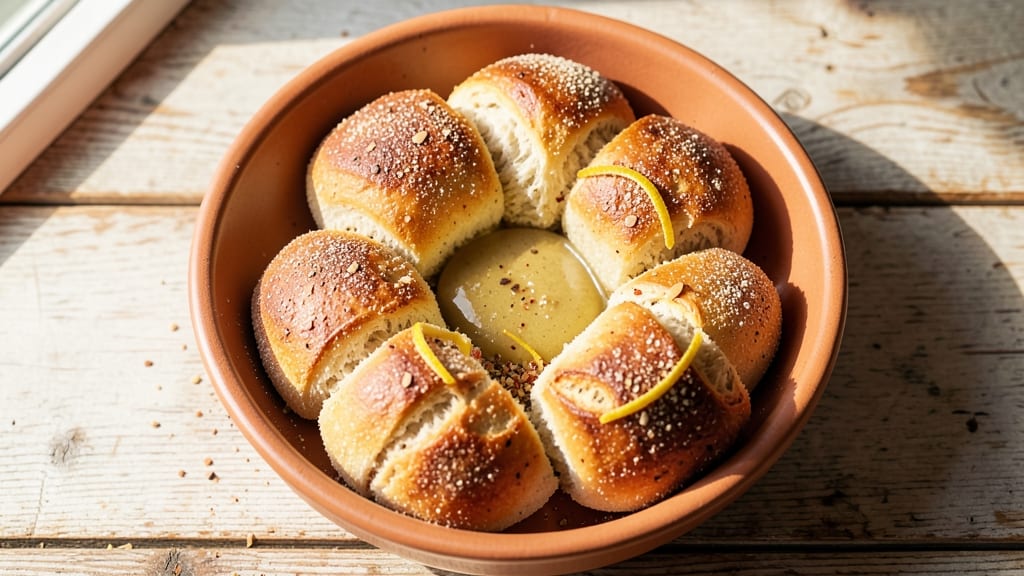
This almond flour bread rolls recipe delivers a nutty crust with pillowy soft centers—perfect for vegan diets without sacrificing texture. The secret lies in almond flour’s natural ability to retain moisture while creating a delicate crumb, transforming traditional bread rolls into something uniquely tender.
I’ve refined this recipe over countless batches to ensure they stay light and fluffy, never dense or crumbly.
The magic happens with a few key techniques: using egg substitutes that mimic the binding properties of eggs, incorporating xanthan gum for structure, and baking at a precise temperature to prevent over-browning.
These rolls pair beautifully with soups, stews, or as a base for savory spreads, offering a gluten-free option that doesn’t compromise on flavor or satisfaction.
What sets these apart is their versatility—they’re ideal for meal prep, holiday tables, or a cozy weeknight dinner. The almond flour adds a subtle nuttiness that complements both sweet and savory toppings, while the soft interior ensures every bite is a delight.
Ready in about 30 minutes of active time (plus rising), they’re simpler than you’d expect.
Whether you’re accommodating dietary restrictions or simply craving something different, these bread rolls prove that almond flour can be just as tender as traditional dough. The recipe includes tips for substitutions and troubleshooting, so even beginners can achieve restaurant-quality results at home. Let’s get started!
Ingredients for almond flour bread rolls
Twelve ingredients transform almond flour into pillowy, nutty bread rolls perfect for vegan diets.
| Ingredient | Amount | Notes |
|---|---|---|
| Almond Flour 🌰 | 2 ½ cups | Finely ground, unsweetened preferred |
| Tapioca Starch 🌾 | ½ cup | For chewy texture and binding |
| Unsweetened Applesauce 🍎 | ½ cup | Replaces eggs for moisture |
| Ground Flaxseed 🌱 | 2 tbsp | Mixed with water for egg substitute |
| Water 💧 | ½ cup | For flaxseed activation |
| Xanthan Gum 🧪 | ¼ tsp | Essential for gluten-free structure |
| Baking Powder 🍞 | 1 ½ tsp | Diamond Crystal preferred |
| Salt 🧂 | ½ tsp | Kosher or sea salt |
| Olive Oil 🫒 | ¼ cup | Extra-virgin for richness |
| Nutritional Yeast 🧀 | 2 tbsp | For cheesy flavor depth |
| Garlic Powder 🧄 | ½ tsp | Freshly ground preferred |
| Dried Rosemary 🌿 | ¼ tsp | Finely chopped for aroma |
| Dried Parsley 🌿 | ¼ tsp | For fresh herbal finish |
The almond flour is non-negotiable—Bob’s Red Mill or Anthony’s Goods brands yield the finest texture. Freshly ground flour makes all the difference, so avoid pre-ground almond flour that’s been sitting on shelves for months. Tapioca starch acts as the secret weapon here, creating that signature chewy bite while maintaining moisture. For the egg substitute, unsweetened applesauce provides moisture without altering flavor, while the flaxseed mixture mimics egg’s binding properties. Nutritional yeast isn’t just for flavor—it adds that umami richness that makes these rolls taste restaurant-quality.
No applesauce? Unsweetened coconut puree works in a pinch, though the texture will be slightly denser. Substituting flaxseed? Chia seeds at double the amount (1 tbsp chia + 3 tbsp water) or silken tofu blended smooth both work well. The baking powder must be fresh—test it by mixing with water; if it bubbles vigorously, it’s still potent. For the herbs, dried rosemary and parsley are essential for that aromatic depth, but if you’re feeling adventurous, thyme or oregano can add a different dimension. The olive oil should be extra-virgin and fruity—none of that cheap cooking oil nonsense.
Mix the wet ingredients first—this ensures the flaxseed has time to gel properly. Let the dough rest for 10 minutes before shaping, as almond flour dough behaves differently than traditional flour. For storage, keep shaped rolls in an airtight container lined with parchment paper for up to 3 days at room temperature or 1 month in the freezer. Reheat in a 350°F oven for 5-7 minutes to restore that fresh-baked texture. These rolls freeze beautifully—portion them individually before freezing for easy reheating.
Why You'll Love This Recipe
- No Mixer Needed: I swear by these—just stir, shape, and bake. The tapioca starch binds everything so well that even my "kneading is optional" policy works here. No dough stress, no sticky mess, just smooth almond flour magic.
- Taste Like Comfort: That applesauce isn’t just a binder—it adds this subtle sweetness that balances the nutty richness. The flaxseed gives a light, almost buttery crumb, and the crust? Golden and crispy enough to hold soup without falling apart.
- Weeknight Hero: Freeze half the batch fresh out of the oven, and you’ve got dinner covered for days. Toss them in a basket with butter for breakfast, or pop them straight from frozen into a skillet for garlic bread. I’ve used them for everything from sandwiches to soup bowls.
- Budget-Friendly Luxury: Almond flour gets a bad rep for being pricey, but these rolls prove it’s worth it—just a handful of ingredients stretch far. Plus, the applesauce and flaxseed cut costs while keeping the texture light. Fancy enough for company, simple enough for Tuesday.
Step-by-step instructions for almond flour bread rolls
Here's the method to achieve perfectly pillowy almond flour bread rolls with a nutty crust.
Create the Flaxseed Egg Substitute
In a small bowl, whisk together the 2 tablespoons ground flaxseed and ½ cup water. Let this mixture sit for 5 minutes until it thickens into a gel-like consistency. This is your egg substitute, providing the binding and moisture that traditional eggs would offer. The mixture should resemble raw egg whites in texture—smooth and slightly viscous.
While waiting, measure out the ½ cup unsweetened applesauce in a separate bowl. This ingredient replaces eggs for moisture while keeping the rolls tender. Both the flaxseed gel and applesauce work together to create the perfect gluten-free structure without compromising texture.
Combine Dry Ingredients for Optimal Texture
In a large mixing bowl, sift together the 2½ cups almond flour, ½ cup tapioca starch, 1½ teaspoons baking powder, ½ teaspoon salt, 2 tablespoons nutritional yeast, ½ teaspoon garlic powder, ¼ teaspoon dried rosemary, and ¼ teaspoon dried parsley. The sifting ensures even distribution of ingredients and prevents dense pockets in the final rolls. Use a whisk to break up any clumps in the almond flour, which can form due to its fine texture.
Next, stir in the ¼ teaspoon xanthan gum—this is crucial for binding the gluten-free dough. Without it, the rolls would crumble apart. The xanthan gum mimics the elasticity of gluten, giving these rolls their signature structure. Mix gently to avoid overdeveloping the dough, which could make the rolls tough.
Incorporate Wet Ingredients and Form the Dough
Add the flaxseed gel, applesauce, and ¼ cup olive oil to the dry ingredients. Using a silicone spatula, gently fold everything together until just combined—you should still see small streaks of flour. Overmixing introduces air, which can cause the rolls to spread excessively during baking. The dough will be thick and sticky, but not wet enough to require additional flour.
Once combined, cover the bowl with plastic wrap and refrigerate for 30 minutes. This chilling step allows the flavors to meld and the dough to firm up slightly, making it easier to handle. The cold dough also prevents premature spreading in the oven, ensuring your rolls maintain their shape.
Shape and Proof the Rolls
Preheat your oven to 350°F and line a baking sheet with parchment paper. On a lightly floured surface, divide the dough into 12 equal portions (about 2 tablespoons each). Roll each portion into a ball, then place them 2 inches apart on the prepared baking sheet. The spacing allows room for expansion during baking—these rolls will rise significantly.
Cover the rolls loosely with a clean kitchen towel and let them proof at room temperature for 20-25 minutes. They're ready when they've puffed up by about 50% and feel slightly springy to the touch. Avoid overproofing, which can lead to dense, flat rolls. The proofing stage is where the baking powder activates, creating the light, airy interior you're after.
Bake to Golden Perfection
Bake the rolls for 20-25 minutes until they're golden brown on top and a toothpick inserted into the center comes out clean. The rolls should sound hollow when tapped on the bottom—a sure sign of doneness. Rotate the baking sheet halfway through for even browning, especially if your oven has hot spots.
Remove from the oven and let the rolls cool on the baking sheet for 5 minutes before transferring to a wire rack. The residual heat will finish cooking them slightly, ensuring they're fully set. Serve warm for the best texture—these rolls have a crispy, nutty exterior and a soft, pillowy interior that melts in your mouth.
Pro Tips For Making Almond Flour Bread Rolls
- Mix the dough cold: Almond flour hates heat—it turns gummy fast. Work your dough in the fridge or over an ice bath while mixing, especially when adding the applesauce. I learned this the hard way after a batch turned into a sad, sticky lump. Cold hands, cold bowl, cold ingredients—keep everything chilled until the dough comes together.
- Weigh your almond flour: Scooping almond flour from the bag is a disaster—it packs differently every time, throwing off your ratios. Use a kitchen scale for precision, especially if you’re new to almond flour baking. A 10-gram difference in a small batch makes a noticeable texture shift. (Yes, even if you’re impatient like me.)
- Steam the rolls first: These rolls won’t brown like wheat flour ones—no matter how long you bake them. Start them in a cold oven with a tray of boiling water below for the first 10 minutes. The steam helps them rise properly and develop a faint crust before you finish baking. Skip this, and you’ll end up with dense, pale blobs.
- Use a bench scraper: Almond flour dough sticks like glue to your hands and utensils. A stiff bench scraper is your best friend for dividing and shaping the rolls—it cuts cleanly and saves you from wrestling with sticky dough. I used to fight with my fingers and ended up with uneven rolls. Now I just slide, scrape, and roll.
Serving suggestions for leftovers
Soup Pairings
These almond flour bread rolls shine with creamy soups like roasted butternut squash or lentil and coconut curry. The nutty crust contrasts beautifully with the sweetness of squash, while the soft interior soaks up rich broths.
I like to serve them warm with a drizzle of olive oil and a sprinkle of fresh thyme for extra aroma. 🍲
Savory Spreads
For a hearty appetizer, try whipped goat cheese with a touch of honey and black pepper, or garlic-herb hummus for a plant-based option. The rolls’ tender crumb holds up perfectly to these spreads without falling apart.
I also love sun-dried tomato pesto—its tangy flavor cuts through the richness of the almond flour. 🧀
Breakfast Adaptations
Transform these rolls into breakfast stars by topping them with sautéed apples and cinnamon, or avocado and chili flakes for a savory twist. The almond flavor pairs wonderfully with maple syrup and pecans, making them a great alternative to traditional biscuits.
Warm them straight from the oven for the best texture. 🍏
Meal Prep Hacks
Make a batch ahead and freeze them for quick meals. Reheat in a 350°F oven for 5-7 minutes until golden. I store shaped rolls in an airtight container lined with parchment paper for up to 3 days at room temperature.
These rolls reheat beautifully, making them perfect for soup nights or holiday gatherings. ✨
Dessert Twist
Drizzle warm rolls with melted dark chocolate and sea salt, or stuff them with sweetened almond butter and a sprinkle of cinnamon. The nutty base makes them a natural fit for dessert, especially when paired with fresh berries or vanilla ice cream.
Trust me, your guests will never guess they’re gluten-free! 🍫
Wine and Beer Pairings
A crisp Sauvignon Blanc complements the nutty flavor, while a hoppy IPA balances the richness of savory toppings. For a non-alcoholic option, sparkling apple cider adds a refreshing contrast. The effervescence cleanses the palate between bites, enhancing the rolls’ texture. 🍷
Nutrition facts
Frequently asked questions
Why do these almond flour bread rolls need xanthan gum?
Xanthan gum is essential for gluten-free baking—it mimics the elasticity of gluten, preventing the rolls from crumbling apart. Without it, the almond flour's natural structure won't hold together during baking. Just ¼ teaspoon creates that perfect chewy yet tender texture.
Can I make these rolls without tapioca starch?
You can substitute ½ cup arrowroot powder or cornstarch, but tapioca starch gives the best chewy texture. The starch helps bind moisture, preventing dryness in the almond flour base. If substituting, expect slightly denser rolls.
How do I prevent the rolls from spreading too much?
Chill the dough for 30 minutes before shaping, and place rolls 2 inches apart on the baking sheet. Avoid overproofing—they're ready when puffed 50% (about 20-25 minutes). A hot oven (350°F) also helps maintain shape.
Are these rolls truly vegan?
Yes! The recipe uses flaxseed gel and applesauce instead of eggs, and no dairy. Nutritional yeast adds a cheesy flavor without animal products. Always check your almond flour brand for cross-contamination warnings if severe allergies are a concern.
Can I make these rolls ahead of time?
Shape the rolls and refrigerate them in an airtight container for up to 3 days. For longer storage, freeze shaped rolls (unbaked) for 1 month350°F for 5-7 minutes until golden. Perfect for meal prep!