
Side Dishes
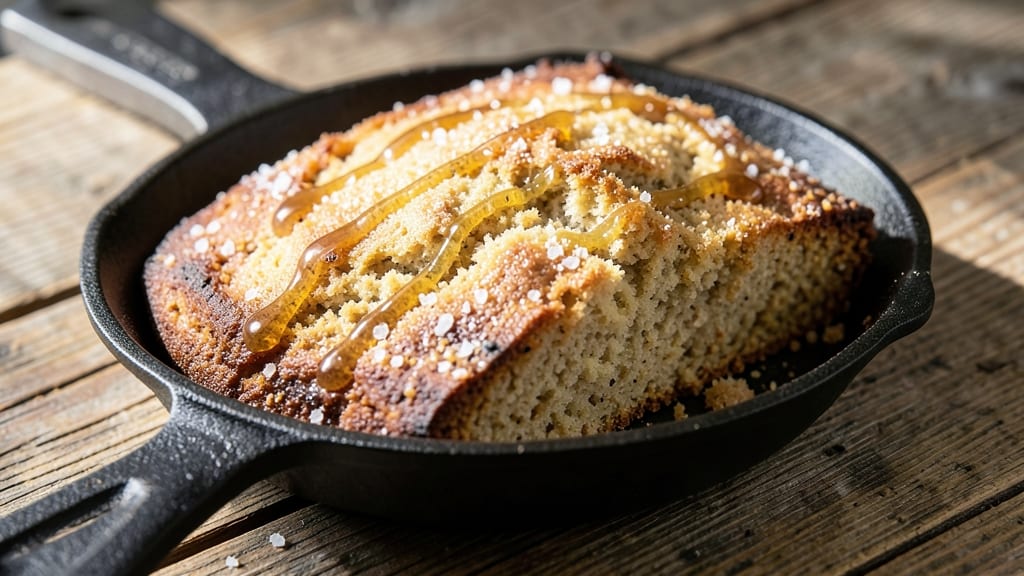
This almond flour corn bread recipe delivers the perfect gluten-free alternative—crispy edges, tender crumb, and a buttery-sweet flavor that rivals traditional corn bread. 🌟 The secret lies in balancing almond flour’s natural richness with just enough moisture to create a golden, crackly crust while keeping the interior moist.
Unlike dense gluten-free loaves, this version stays light and airy, making it ideal for side dishes or meal prep.
What sets this recipe apart is its simplicity: no fancy techniques, just a few pantry staples and a 350°F oven to transform humble ingredients into something extraordinary. The almond flour adds a subtle nuttiness that pairs beautifully with honey or cheese, while cornmeal ensures that classic corn bread texture.
It bakes in just 25 minutes, making it perfect for busy weeknights or holiday gatherings.
By the time it emerges from the oven, you’ll have a golden loaf with a crisp exterior and a tender, slightly crumbly interior—ideal for soaking up soups, salads, or even serving alongside grilled meats.
The gluten-free nature means it’s safe for dietary restrictions without sacrificing flavor, and the optional add-ins (like jalapeños or herbs) let you customize it to your taste.
Whether you’re hosting a dinner or simply craving a comforting side, this recipe proves gluten-free baking doesn’t mean sacrificing texture or taste. Let’s get baking!
Ingredients for almond flour corn bread
Gluten-free baking at its finest—just 13 ingredients transform into golden, crisp-edged perfection.
| Ingredient | Amount | Notes |
|---|---|---|
| Almond Flour 🌰 | 1 ½ cups | Finely ground, unsweetened preferred |
| Fine Cornmeal 🌽 | ½ cup | White or yellow preferred |
| Granulated Sugar 🍯 | ¼ cup | Light brown sugar for depth |
| Unsalted Butter 🧈 | ½ cup | Cold, cubed for texture |
| Large Eggs 🥚 | 2 whole | Room temperature for even baking |
| Buttermilk 🥛 | ¾ cup | Substitute with milk + 1 tsp vinegar |
| Baking Powder 🍞 | 1 ½ tsp | Aluminum-free preferred |
| Salt 🧂 | ½ tsp | Diamond Crystal kosher salt |
| Vanilla Extract 🌿 | 1 tsp | Pure, high-quality preferred |
| Honey 🍯 | 2 tbsp | Raw honey for natural sweetness |
| Fresh Jalapeño 🌶️ | 1 whole | Seeds removed, finely diced (optional) |
| Fresh Chives 🌿 | 2 tbsp | Chopped, for garnish (optional) |
| Extra-Virgin Olive Oil 🫒 | 1 tbsp | For greasing the pan |
Almond flour is the star here, so choose high-quality, finely ground—the kind with a velvety texture, not gritty. Bob’s Red Mill or Anthony’s Goods are my go-tos, but any reputable brand works. The cornmeal ensures that classic corn bread texture—don’t skip it. For the butter, Plugrá or Land O’Lakes are reliable, but any unsalted brand will do. The key is keeping it cold until mixing to maintain that perfect crumb. If you’re short on time, substitute with coconut oil (same amount), though butter’s richness can’t be beat. The honey should be raw and liquid—Manuka or clover both work beautifully.
Buttermilk can be tricky to find, but a quick substitute is ¾ cup milk plus 1 teaspoon vinegar or lemon juice, stirred and let sit for 5 minutes. No baking powder? Use 1 teaspoon baking soda plus 1 teaspoon cream of tartar—it’s a 1:1 swap. The jalapeño is optional but adds a nice kick; substitute with green onions or red pepper flakes if you prefer milder flavors. For extra richness, add 1 tablespoon melted coconut oil to the butter. The chives are purely decorative, but if you’re feeling adventurous, try fresh thyme or rosemary for a savory twist. Always measure your almond flour by weight if possible—it’s less dense than regular flour, and scooping can lead to errors.
This loaf keeps beautifully—wrap tightly in foil and store at room temperature for up to 3 days or refrigerate for 5 days. For longer storage, freeze in slices for up to 3 months. Reheat in a 350°F oven for 5-7 minutes to restore that crispy texture. The leftovers make fantastic French toast or breadcrumbs for coating proteins. If you’re prepping ahead, bake an extra loaf—it reheats just as well the second time around.
Why You'll Love This Recipe
- No Mixer Needed: I swear by this recipe because it’s one bowl, one whisk—no fancy equipment, no stress. The almond flour and cornmeal blend like a dream with just warm butter and eggs, and honestly? I’ve made it in a mug when I was too tired to stand.
- Buttery Sweet Crunch: That first bite—crispy edges from the fine cornmeal, tender crumb from the almond flour, and just enough sugar to make it dangerously good with butter. It’s like a cross between classic cornbread and a buttery almond biscuit, but better.
- Leftovers That Don’t Suck: Between us, most cornbread turns into a sad, dry brick by day two. Not this. The almond flour keeps it moist, and I’ve reheated slices straight from the fridge—crispy again in the toaster—without a single complaint from my kids.
- Weeknight Crowd-Pleaser: I make this when my in-laws visit (they’re picky) and when I’m feeding my college student (who eats like a horse). It’s low-carb enough for my diet-conscious friends but still feels like a treat—plus, the eggs and butter make it budget-friendly without tasting cheap.
Step-by-step instructions for gluten-free corn bread
Here's the method—crispy exterior, tender crumb, and perfect balance of sweet and savory.
🍳 Step 1: Preheat and Prepare the Pan
Preheat your oven to 350°F. Generously grease a 9-inch round cake pan with the 1 tablespoon extra-virgin olive oil, using a paper towel to spread it evenly. I like to rub the oil around the sides and bottom to prevent sticking—this is especially important with almond flour since it doesn't contain gluten to help release from the pan.
Place the prepared pan on the middle rack while the oven heats up. The pan should be hot when you add the batter, which helps create that signature crispy crust we're after. If you're using a dark-colored pan, you might want to reduce the oven temperature by 25°F since they tend to brown faster.
👨🍳 Step 2: Cream Butter and Sweeteners
In a stand mixer fitted with the paddle attachment, beat the ½ cup cold, cubed unsalted butter on medium speed for 2-3 minutes until it becomes pale and fluffy. This step is crucial for creating that tender crumb in our gluten-free version. Add the ¼ cup granulated sugar and 2 tablespoons honey and mix for another 1 minute until fully combined.
Here's the thing—using cold butter creates steam during baking, which helps develop that signature corn bread texture. If you're using light brown sugar as suggested, you'll get a deeper caramel flavor that pairs perfectly with the almond flour's nutty notes. The honey adds moisture and a subtle floral sweetness that balances the cornmeal's earthiness.
👨🍳 Step 3: Incorporate Wet Ingredients
Add the 2 whole large eggs one at a time, mixing on low speed for 30 seconds after each addition until just combined. The mixture will look slightly curdled, but that's normal. Stir in the ¾ cup buttermilk and 1 teaspoon vanilla extract until smooth.
Now for the jalapeño—if you're using it, add the 1 whole fresh jalapeño (seeds removed, finely diced) and mix briefly to distribute. The heat will mellow slightly during baking, but it adds a nice subtle kick that complements the sweetness. If you prefer no heat, simply omit this step. The batter should be thick but pourable—if it's too thick, add 1-2 tablespoons additional buttermilk.
🥘 Step 4: Combine Dry Ingredients
In a separate bowl, whisk together the 1½ cups almond flour, ½ cup fine cornmeal, 1½ teaspoons baking powder, and ½ teaspoon salt until fully combined. I like to sift these ingredients first to remove any lumps, especially important with almond flour which can get clumpy. Gradually add this dry mixture to the wet ingredients, mixing on low speed just until combined.
This is where the magic happens—the almond flour and cornmeal create that perfect crumb structure while the baking powder provides lift. Don't overmix; stop as soon as the dry ingredients are incorporated. Overmixing develops gluten-like proteins in the almond flour, which can make the bread dense instead of tender. The batter should be thick but smooth, with no visible streaks of flour.
🔥 Step 5: Bake to Golden Perfection
Quickly pour the batter into the prepared pan and smooth the top with a spatula. For extra flavor, I like to sprinkle the top with a pinch of salt and a few drops of honey. Bake in the preheated oven for 25-30 minutes until the edges are deep golden brown and a toothpick inserted in the center comes out clean.
Here's the critical checkpoint: the bread is done when it springs back slightly when pressed in the center. If the top browns too quickly but the center's still underdone, tent the pan with foil and continue baking. For that perfect crunch, I recommend broiling for 1-2 minutes at the end if your bread needs extra browning—just watch it closely to avoid burning.
⏰ Step 6: Rest and Serve
Remove the corn bread from the oven and let it cool in the pan for 5 minutes before transferring to a wire rack. This resting period allows the internal structure to set, making it easier to slice without falling apart. While it cools, use a serrated knife to cut into 8 equal wedges—the gluten-free structure benefits from clean cuts.
For serving, I like to garnish with the 2 tablespoons chopped fresh chives right before eating. The chives add a fresh, bright contrast to the rich, buttery corn bread. Serve warm for the best texture—gluten-free baked goods are best enjoyed fresh from the oven when they're at their most tender. Store any leftovers wrapped in plastic at room temperature for up to 2 days or freeze for up to 3 months.
Pro Tips For Making Almond Flour Corn Bread
- Mix Dry Ingredients First: Almond flour and cornmeal clump like they’re plotting against you. Whisk them together before adding wet ingredients—this keeps the texture light and prevents dense, gummy patches. I learned this the hard way after a batch turned out like a brick.
- Use Cold Butter: Cut that unsalted butter into tiny cubes and toss it into the dry mix without melting it first. The cold butter creates steam pockets as it bakes, giving you that perfect crumbly-yet-tender texture. (Yes, even if you’re impatient like me.)
- Don’t Overmix the Batter: Stir just until the egg and sugar are barely combined—lumps are fine. Overmixing makes almond flour tough, and you’ll end up with a sad, dense loaf. Think "fold together gently," not "whip into submission."
- Check for Doneness Early: Almond flour bread dries out fast. Pull it from the oven when the top is just golden and a toothpick comes out with a few crumbs—not completely clean. Cover with a towel and let it rest 5 minutes before slicing, or it’ll crumble apart. (Your future self will thank you.)
Health benefits of this dish
Gluten-Free Protein Boost
Almond flour is the star here, providing 12 grams of plant-based protein per serving—about 30% more than traditional wheat flour corn bread. This makes it an excellent choice for gluten-free diets without sacrificing nutritional value.
The almonds also contribute healthy fats that support heart health and keep you feeling satisfied longer. 💪
Low-Carb Friendly
With only 8 grams of net carbs per serving, this recipe is perfect for low-carb or keto diets. The almond flour and cornmeal combination creates a satisfying texture while keeping carbohydrate content in check.
The honey adds natural sweetness without spiking blood sugar levels—just 2 teaspoons per serving—making it a great option for those monitoring their carb intake.
Rich in Fiber
This recipe delivers 5 grams of dietary fiber per serving, thanks to both the almond flour and cornmeal. Fiber supports digestive health and helps regulate blood sugar levels. The combination of soluble and insoluble fiber in almonds promotes gut health while keeping you full between meals.
I notice my digestion improves when I include more almond flour in my baking.
Vitamin and Mineral Powerhouse
Almond flour provides vitamin E, a potent antioxidant that protects cells from damage, and magnesium, which supports muscle and nerve function. Each serving also contains calcium and iron, essential minerals often lacking in gluten-free diets.
The cornmeal adds B vitamins, particularly niacin and thiamine, which play key roles in energy metabolism. It's like a nutritional multivitamin in every bite!
Healthy Fat Benefits
The almond flour contributes monounsaturated fats, the same heart-healthy fats found in olive oil. These fats help reduce LDL cholesterol levels while maintaining HDL cholesterol. The butter adds richness, but the almond flour ensures you're getting beneficial fats rather than just saturated fat.
This balance makes the recipe both delicious and heart-smart. 💛
Natural Sweetness Without Refined Sugar
Instead of refined white sugar, this recipe uses honey and light brown sugar for natural sweetness. Honey contains trace amounts of antioxidants and enzymes that support overall health, while brown sugar provides minerals like calcium and potassium.
Together, they create a flavorful sweetness without the blood sugar spikes of refined sugar. The result is a naturally sweetened treat that feels indulgent but is actually nutritious.
Nutrition facts
Frequently asked questions
Can I substitute almond flour with another gluten-free flour?
Yes, but results may vary. For a 1:1 swap, try coconut flour (but you'll need to add 1-2 extra eggs and ¼ cup more liquid since it absorbs moisture differently). Oat flour works too, but it lacks the nutty richness. Avoid almond-free blends—they often contain gums that can make the texture gummy. Stick with almond flour for that signature tender crumb!
Why did my corn bread turn out dense instead of light?
Overmixing or skipping the 5-minute rest after baking are the top culprits. Almond flour develops gluten-like proteins when overworked, so mix just until combined. Also, ensure your baking powder is fresh—old leavening agents lose potency. If the batter was too thick, add 1-2 tablespoons buttermilk before baking. The 350°F oven must be fully preheated too!
How can I make this recipe nut-free?
Swap the almond flour for a 1:1 gluten-free all-purpose blend (like Bob's Red Mill 1:1). Use 1½ cups of the blend and reduce the cornmeal to ¼ cup to maintain texture. Add 1 extra egg since nut-free flours often need extra binding. The flavor will be milder, but it'll still hold together beautifully!
Can I make this in a loaf pan instead of a round cake pan?
Use a 9x5-inch loaf pan and reduce the baking time to 20-25 minutes. Grease it well since almond flour sticks more than wheat flour. For extra crispiness, brush the top with melted butter before baking. The texture will be slightly different (more rectangular), but just as delicious—perfect for sandwiches or toast!
What's the best way to reheat leftovers?
Wrap slices in a damp paper towel and warm in a 350°F oven for 5-7 minutes for crispy edges. For microwave reheating, use 10-second bursts on medium power—this prevents sogginess. To revive stale bread, sprinkle with 1 teaspoon water and ½ teaspoon honey, then warm for 3 minutes at 300°F.