
Side Dishes
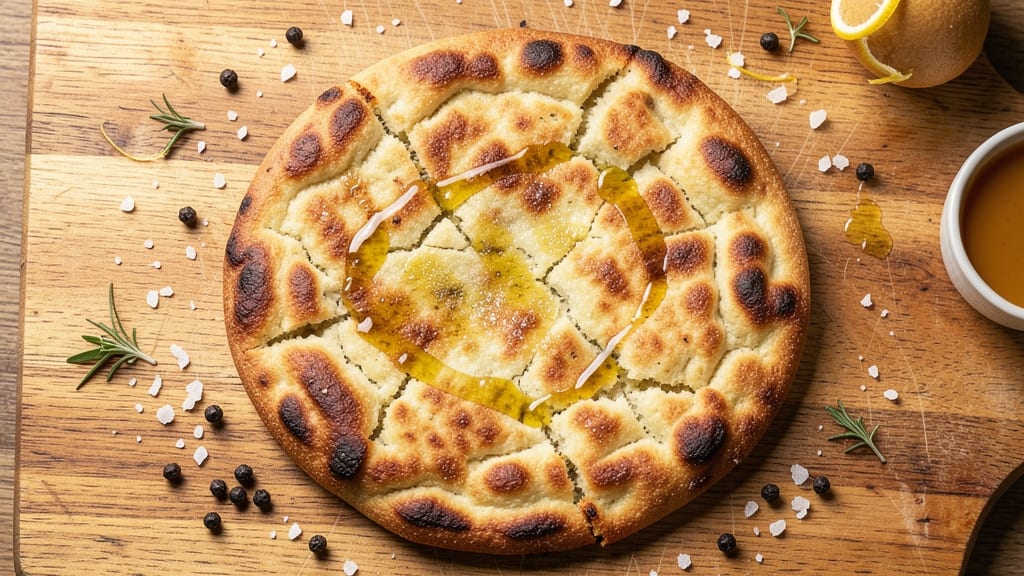
This almond flour flatbread bread recipe delivers the perfect balance of crispy crust and soft centers—all while being completely gluten-free. The secret lies in almond flour's unique texture, which creates a tender yet sturdy bread that holds up beautifully for dipping, wrapping, or serving alongside meals.
I developed this recipe after years of experimenting with gluten-free baking, and it finally achieves the restaurant-quality results I was chasing.
The beauty of almond flour flatbread is its versatility—it works as a side dish, wrap, or even a base for dips. Unlike traditional wheat-based flatbreads, this version requires no yeast or long fermentation, making it a quick yet impressive option for any meal.
The key is proper hydration and resting time, which ensures a light, airy crumb while maintaining that coveted crispy exterior. With just a handful of ingredients, you'll have a bread that's both nutritious and satisfying.
What makes this recipe truly special is how it transforms simple ingredients into something extraordinary. The almond flour provides natural richness and a subtle nutty flavor, while the crispy crust adds a satisfying crunch.
Whether you're serving it with hummus, using it as a wrap for sandwiches, or simply enjoying it on its own, this flatbread is a game-changer for gluten-free baking. The best part? It's foolproof and ready in under 30 minutes.
For added flavor, consider infusing the dough with herbs like rosemary or thyme, or even a touch of sweetness with cinnamon and honey for a dessert version. The possibilities are endless, but the foundation remains the same—crispy, soft, and utterly delicious. Let's get started on this gluten-free masterpiece!
Ingredients for almond flour flatbread bread
Gluten-free almond flour transforms into crispy, soft flatbread with just these twelve ingredients—no yeast, no waiting.
| Ingredient | Amount | Notes |
|---|---|---|
| Almond Flour 🌰 | 2 cups | Finely ground, unsweetened preferred |
| Tapioca Starch 🌾 | ¼ cup | For elasticity and binding |
| Extra-Virgin Olive Oil 🫒 | ½ cup | Cold-pressed for best flavor |
| Warm Water 💧 | ¾ cup | 100°F for optimal hydration |
| Apple Cider Vinegar 🍎 | 1 tbsp | For tangy depth and activation |
| Salt 🧂 | 1 tsp | Fine sea salt preferred |
| Baking Powder 🍞 | ½ tsp | Aluminum-free for gluten-free |
| Fresh Rosemary 🌿 | 1 tbsp | Finely chopped, optional herb |
| Sesame Seeds 🌻 | 2 tbsp | Toasted for nutty crunch |
| Black Sesame Seeds 🌻 | 1 tbsp | For decorative contrast |
| Maple Syrup 🍁 | 1 tbsp | For subtle sweetness |
| Ground Cinnamon 🌿 | ½ tsp | Optional for dessert variation |
Almond flour is the star here, so buy the finest grind you can find—pre-ground from brands like Bob's Red Mill or Anthony's Goods works perfectly. The tapioca starch is non-negotiable for that signature crispy crust; Bob's Red Mill sells it in bulk if you're making this often. For the olive oil, California-based brands like Corto or Lucini offer the best fruity notes. Warm water is critical—100°F ensures proper hydration without activating gluten-like proteins. The apple cider vinegar isn't just for flavor; it helps develop that light, airy crumb. Rosemary adds an aromatic depth, but skip it if you prefer a neutral base.
No almond flour? Sunflower seed flour at 1:1 ratio works in a pinch, though texture will differ slightly. Out of tapioca starch? Arrowroot powder is a 1:1 substitute. For the vinegar, lemon juice at double the amount provides a similar tang. The sesame seeds can be swapped for poppy seeds or crushed pistachios if you're avoiding sesame. For a sweeter version, agave nectar replaces maple syrup perfectly. The baking powder must be aluminum-free—Bob's Red Mill Gluten-Free Baking Powder is a reliable choice. If you're making this for dessert, add 0.25 tsp cinnamon and 0.5 tsp vanilla extract to the dough for a subtle sweetness.
This dough keeps for 3 days in the fridge wrapped tightly in plastic, but it's best used fresh. For longer storage, freeze the dough balls for up to 3 months—thaw overnight in the fridge before shaping. The flatbread reheats beautifully in a 350°F oven for 3-4 minutes to restore crispiness. Portion the dough into 1-ounce balls for consistent sizing—this ensures even cooking. For extra crispiness, brush the finished flatbread with a little olive oil before serving.
Why You'll Love This Recipe
- Five-Ingredient Magic: I swear, this recipe is one of those rare finds where you mix five things—almond flour, tapioca starch, olive oil, warm water, and a splash of vinegar—and boom, something delicious happens. No yeast, no waiting, no stress. Just stir, fold, and cook.
- Nutty-Creamy Crisp: That first bite? The outside gets this perfect golden crunch while the inside stays soft and subtly sweet from the almond flour. Honestly, it’s like a cross between naan and a buttery biscuit, but with none of the guilt.
- Lunchbox Hero: Between us, this flatbread is my go-to for packed lunches or quick dinners. Wrap it around grilled chicken, stuff it with hummus and veggies, or just eat it plain with olive oil and sea salt—it’s the kind of thing that makes you feel like you’ve actually cooked something impressive.
- Zero-Waste Win: The leftovers? They last forever if you store them right. Toss them in a paper bag to keep them soft, and they’re perfect for toast or sandwiches the next day. Plus, almond flour is pricey, but a little goes a long way—this recipe stretches further than you’d think.
Step-by-step instructions for almond flour flatbread bread
Master this gluten-free technique for a perfect balance of crispy edges and tender centers every time.
Combine Dry Ingredients for Optimal Texture
In a large mixing bowl, whisk together the 2 cups almond flour and 0.25 cup tapioca starch until completely homogeneous. The tapioca starch acts as a binder, creating that signature flatbread elasticity without gluten. I use a whisk for this step to prevent any clumping—almond flour can be finicky when dry.
Next, add the 0.5 tsp baking powder, 1 tsp salt, 0.5 tsp ground cinnamon (if using), and 1 tbsp finely chopped fresh rosemary. Mix again until all dry ingredients are evenly distributed throughout the almond flour. This ensures consistent flavor and texture in every bite of your flatbread.
Incorporate Wet Ingredients for Perfect Hydration
Create a well in the center of your dry mixture and add the 0.5 cup extra-virgin olive oil, 1 tbsp apple cider vinegar, and 1 tbsp maple syrup. The olive oil provides richness while the vinegar adds subtle tang that balances the sweetness of the maple syrup. Using warm water (0.75 cup at 100°F) is crucial here—it hydrates the almond flour without activating the baking powder too aggressively.
Gradually mix the wet ingredients into the dry, using a fork or rubber spatula, until you achieve a thick, cohesive dough. The mixture should hold together when pressed but still be slightly sticky. If it's too dry, add 1 teaspoon more warm water; if too wet, sprinkle in 1 tablespoon more almond flour. The ideal consistency is crucial for that perfect crispy crust and soft interior.
Rest the Dough for Improved Workability
Cover the mixing bowl with plastic wrap and allow the dough to rest at room temperature for at least 30 minutes. This resting period allows the almond flour to fully hydrate and the tapioca starch to activate, resulting in a more pliable dough. I often let mine rest for up to 1 hour if I have time—this makes rolling out the flatbreads significantly easier and prevents cracking during baking.
During this time, preheat your oven to 375°F and place a baking sheet on the middle rack. The oven should be fully preheated before you begin baking—this ensures even cooking and that coveted crispy crust. While the oven heats, prepare your work surface by lightly dusting it with 1 tablespoon almond flour to prevent sticking.
Shape and Bake for Crispy Perfection
Divide the rested dough into 4 equal portions (about ¼ cup each) and roll each portion into a 6-inch circle on your floured surface. Aim for even thickness—about ¼ inch—for consistent baking. The edges should be slightly thicker than the center to create that signature flatbread texture with crispy edges and a soft middle.
Transfer each rolled flatbread to the prepared baking sheet, spacing them about 1 inch apart. Brush the tops lightly with a mixture of 1 tablespoon olive oil and 1 teaspoon water for added crispiness. Sprinkle 1 tablespoon sesame seeds and ½ tablespoon black sesame seeds on each flatbread for that beautiful decorative contrast and nutty crunch.
Bake Until Golden and Crisp
Bake the flatbreads in the preheated 375°F oven for 12-15 minutes, rotating the baking sheet halfway through, until the edges are deep golden brown and the centers are just beginning to set. You'll know they're done when they sound hollow when tapped on the bottom—this indicates proper baking without overcooking.
Remove from the oven and let cool on the baking sheet for 5 minutes before transferring to a wire rack. The residual heat will continue to crisp the edges slightly. Serve warm with your favorite dips or spreads—these flatbreads are best enjoyed fresh from the oven when the contrast between the crispy exterior and soft interior is most pronounced.
Pro Tips For Making Almond Flour Flatbread Bread
- STIR LIKE YOU MEAN IT: Mix the almond flour and tapioca starch first—by hand—before adding liquids. I used to rely on a fork, but the dough ends up lumpy. A rubber spatula or your fingers break up those stubborn clumps better, especially when the tapioca starch clings like glue.
- WEIGH THE FLOUR, DON’T SCOOP: Almond flour’s density varies wildly by brand. Scooping leads to dry, crumbly flatbreads or gummy messes. Use a kitchen scale for precision—aim for 200g almond flour and 50g tapioca starch. (Yes, even if the bag says "1 cup.") Your flatbread will thank you with consistent texture.
- LET THE DOUGH REST—BUT NOT TOO LONG: After mixing, let the batter sit for exactly 10 minutes. This lets the tapioca starch hydrate properly, but don’t overdo it—beyond 15 minutes, the vinegar’s tang starts to fade, and the flatbread loses its lift. Set a timer. (I learned this after a batch of sad, flat pancakes.)
- USE A HEAVY SKILLET, NOT A NONSTICK: Cast iron or stainless steel conducts heat better than nonstick pans, which can make the flatbread stick even with oil. Heat the skillet until a drop of water sizzles and evaporates instantly—that’s the sweet spot. A little less oil (about 1 tsp per flatbread) works better here because the pan’s heat does the job.
Flavor customization for this dish
Herb-Infused Variations
Swap the rosemary for 1 tbsp finely chopped fresh thyme or 1 tsp dried oregano for a Mediterranean twist. For a Middle Eastern flavor, add 1 tbsp toasted cumin seeds and ½ tsp smoked paprika to the dry ingredients.
I love using fresh dill for a bright, citrusy note—just add 1 tbsp chopped dill to the wet ingredients along with the apple cider vinegar. 🌿
Sweet Dessert Twist
Transform your flatbread into a dessert by adding ½ tsp cinnamon and ½ tsp vanilla extract to the dough. For extra sweetness, increase the maple syrup to 2 tbsp and fold in ¼ cup chopped dates with the wet ingredients.
After baking, drizzle with 1 tbsp melted coconut oil and a sprinkle of crushed pistachios for a nutty crunch. These make perfect breakfast wraps or dessert with tea. 🍯
Spiced Savory Options
For a savory kick, mix ½ tsp garlic powder and ½ tsp onion powder into the dry ingredients. Add 1 tsp toasted coriander seeds (ground) for an Indian-inspired flavor. For a smoky version, use ½ tsp chipotle powder instead of cinnamon and add ½ tsp smoked salt to the dough.
These variations work beautifully with spicy dips like mango-habanero salsa or roasted red pepper hummus. 🌶️
Seed & Nut Toppings
Get creative with your toppings! Try pumpkin seeds and sunflower seeds for a neutral crunch, or crushed walnuts for extra richness. For a sweet version, sprinkle toasted coconut flakes and chopped dried apricots before baking.
I also love a mix of sesame seeds, poppy seeds, and flaky sea salt for a sophisticated finish. 🌻
Global Flavor Profiles
For an Italian-inspired version, add 1 tsp dried basil and ½ tsp lemon zest to the dough. A Moroccan twist includes ½ tsp ground ginger and ½ tsp turmeric, then top with toasted cumin seeds before baking.
For a Japanese-inspired flatbread, replace the rosemary with 1 tsp matcha powder (mixed into the dry ingredients) and top with white sesame seeds. Each variation brings a unique cultural touch to your gluten-free flatbread. 🗺️
Extra Crispy Techniques
Want even crispier flatbread? Brush the rolled-out dough with an egg wash (1 egg + 1 tbsp water) before baking, or use aquafaba for a vegan option.
For a restaurant-style finish, bake the flatbreads on a preheated cast-iron skillet over medium-high heat for 2-3 minutes per side after initial oven baking. This double-crisp method is perfect for serving with dips or as a wrap. 🔥
Nutrition facts
Frequently asked questions
Why does almond flour flatbread need tapioca starch?
The tapioca starch creates that signature crispy texture and elasticity that regular almond flour alone can't achieve. It acts as a binder, mimicking gluten's properties while keeping the flatbread tender inside and crispy outside. Without it, your flatbread would be more crumbly and less sturdy.
Can I make this without a food processor?
Just make sure your almond flour is finely ground—pre-ground from brands like Bob's Red Mill works perfectly. Mix all dry ingredients by hand in a bowl, then combine wet ingredients with a fork or rubber spatula. The dough should still form a cohesive ball, though it may be slightly grainier without processing.
How do I prevent the flatbread from cracking?
Let the dough rest for at least 30 minutes (up to 1 hour) before shaping. This allows the almond flour to fully hydrate and the tapioca starch to activate, preventing cracks. Also, roll the dough gently to ¼-inch thickness—thicker edges help create that crispy crust without tearing.
What's the best way to reheat leftover flatbread?
For crispy perfection, place flatbreads on a baking sheet and reheat in a 350°F oven for 3-4 minutes. For a quick fix, use a toaster oven or air fryer at 375°F for 2 minutes. Avoid microwaving—it makes the crust soggy instead of crispy!
Can I make this recipe nut-free?
Yes! Replace the almond flour with sunflower seed flour at a 1:1 ratio and increase the olive oil to ⅓ cup for moisture. The texture will be slightly denser but still delicious. For extra crispiness, brush with melted coconut oil before baking.