
Side Dishes
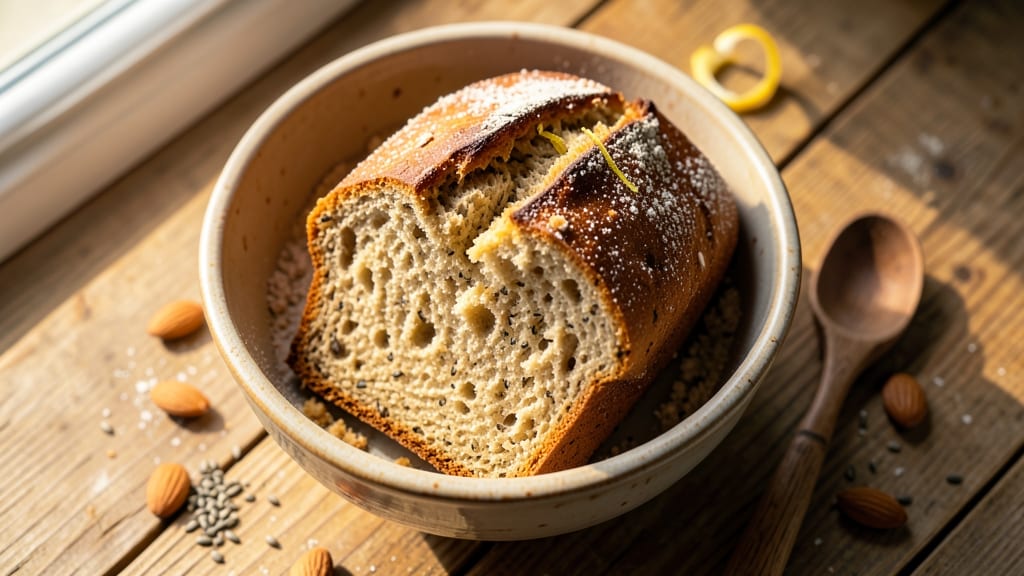
This almond flour soda bread delivers all the hearty satisfaction of classic soda bread—without a single grain of gluten. The secret lies in the magic of almond flour, which creates a tender crumb with a nutty crunch that pairs perfectly with soups, stews, or butter.
I developed this recipe after years of testing gluten-free breads, and it finally achieves that perfect rise and texture. What sets this apart is the foolproof method that ensures a light, airy interior with a crisp crust—no special equipment required.
The bread bakes up golden and fragrant, with just the right amount of chewiness from the almond flour. It’s also naturally sweet, making it a great option for breakfast or as a side to savory meals. The best part?
This recipe is versatile—add seeds, herbs, or even a touch of honey for extra flavor. It’s also egg-free (and can be made vegan with a flax egg), so it works for almost any dietary need.
The result is a loaf that’s as nutritious as it is delicious, with every slice packed with flavor. Perfect for meal prep, gifting, or enjoying fresh from the oven. Let’s get baking!
Ingredients for almond flour soda bread
Eight simple ingredients transform into a golden, nutty loaf—no gluten, no guilt, just pure flavor.
| Ingredient | Amount | Notes |
|---|---|---|
| Almond Flour 🌰 | 3 cups | Finely ground, blanched preferred |
| All-Purpose Flour 🌾 | ½ cup | For structure and rise |
| Granulated Sugar 🍚 | ¼ cup | Light brown sugar for depth |
| Baking Powder 🧂 | 1 ½ tbsp | Aluminum-free preferred |
| Salt 🧂 | 1 tsp | Fine sea salt preferred |
| Flaxseed Meal 🌾 | 2 tbsp | For flax egg substitute |
| Water 💧 | ¾ cup | Room temperature preferred |
| Apple Cider Vinegar 🍎 | 1 tbsp | For tangy rise |
| Vanilla Extract 🌸 | 1 tsp | Pure vanilla preferred |
| Ground Cinnamon 🌿 | ½ tsp | Warmth without overpowering |
| Sunflower Seeds 🌻 | ¼ cup | Optional for crunch |
| Sesame Seeds 🌾 | 2 tbsp | For topping |
| Olive Oil 🫒 | ¼ cup | Extra-virgin for richness |
The almond flour is the star here—Bob’s Red Mill or Anthony’s Goods are my go-tos for consistency. Blanched almond flour gives a lighter texture, but raw works too if that’s what you’ve got. The seeds? Trader Joe’s sells pre-mixed seed blends, but I usually grab sunflower and sesame separately. Pro tip: Toast your seeds for 5 minutes at 350°F before adding—they’ll be crunchier and more flavorful. The olive oil matters too—California avocado oil works, but stick with extra-virgin for that authentic taste.
No almond flour? Coconut flour at half the amount works in a pinch, but the texture will be denser. Swap sunflower seeds for pumpkin seeds or chopped walnuts if you prefer. The flax egg is non-negotiable for binding—ground flaxseed + water is the magic combo. No vanilla? Almond extract at half the amount gives a similar warmth. The baking powder is crucial for that classic soda bread rise—double-check it’s fresh (old baking powder = flat bread). And if you’re feeling fancy, add a pinch of cardamom for an unexpected twist.
This dough comes together in minutes but needs 30 minutes of rest before baking—don’t skip it! The loaf keeps well for 4 days in an airtight container at room temperature, or 1 week in the fridge. For longer storage, freeze slices wrapped in parchment for up to 3 months. Reheat in a toaster or oven for that fresh-from-the-oven crunch. Leftovers? Toss in a baggie—perfect for quick snacks or sandwiches. The best part? It reheats beautifully, so you’ll have warm bread all week long.
Why You'll Love This Recipe
- No-Fuss Mixing: I swear by this dough—just dump, stir, fold. The almond flour gives it that tender crumb without fuss, and the baking powder does all the rising work for you. Honestly, my kids think I’m cheating when they see how little effort this takes.
- Sweet & Nutty Crunch: That first bite? The almond flour delivers a subtle nuttiness that pairs perfectly with the soft, slightly sweet crumb. I’ll be real: it’s the kind of bread I’ll sneak extra slices of when no one’s looking.
- Lunchbox Hero: Slices stay fresh for days, making it my go-to for school lunches or office snacks. Toast it, pack it, or eat it plain—it’s the ultimate no-stress staple that actually tastes like you put effort in.
- Budget-Friendly Upgrade: Almond flour is pricier, but this recipe uses just enough to make it special without breaking the bank. The rest is basic flour and sugar, so you’re getting gourmet vibes for everyday prices. My wallet thanks me every time.
Step-by-step instructions for almond flour soda bread
Here's how to create a perfectly risen gluten-free loaf with that signature nutty crunch.
Create the Flax Egg Substitute
In a small bowl, combine the 2 tablespoons flaxseed meal with the 0.75 cup water. Stir well and let it sit for 5 minutes until it thickens into a gel-like consistency—this is your egg substitute. You'll see it transform from a loose mixture to a sticky, translucent gel that holds its shape.
This flax egg provides the binding that gluten-free baking typically lacks. If you notice any lumps, whisk them out—they'll create dense pockets in your bread. The mixture should be smooth and glossy, similar to raw egg whites but thicker. Set this aside while you prepare the rest of your ingredients.
Mix Dry Ingredients Thoroughly
In a large mixing bowl, whisk together the 3 cups almond flour, 0.5 cup all-purpose flour, 0.25 cup granulated sugar, 1.5 tablespoons baking powder, 1 teaspoon salt, and 0.5 teaspoon ground cinnamon. Use a whisk or fork to break up any lumps in the almond flour—it tends to clump when dry.
The almond flour gives this bread its signature nutty flavor and moist texture, while the all-purpose flour provides just enough structure for a proper rise. Mix until completely homogeneous—you should see no more than a few tiny specks of flour remaining. This step ensures even distribution of leavening agents throughout the batter.
Combine Wet Ingredients for Perfect Texture
In a separate bowl, mix the flax egg with the 0.25 cup olive oil, 1 tablespoon apple cider vinegar, and 1 teaspoon vanilla extract. The vinegar will create a slight tang that balances the sweetness, while the olive oil adds richness. Stir until fully combined—this should take about 30 seconds of vigorous mixing.
Here's the thing—don't overmix. You want the wet ingredients to be just combined, not frothy. The olive oil should be evenly distributed but still visible in tiny droplets. The batter will be thick but pourable—think of it like a very dense cake batter rather than traditional bread dough.
Mix and Fold for Optimal Rise
Pour the wet ingredients into the dry ingredients and gently fold together using a spatula. Start at the bottom of the bowl and fold upward, rotating the bowl as you go. You're looking for a shaggy, uneven batter—this is normal and actually helps create that signature open crumb structure. Add the 0.25 cup sunflower seeds and fold them in evenly.
This folding technique incorporates air without overdeveloping the gluten (which we're avoiding). The batter should be thick but still able to be spooned. If it looks too dry, add 1-2 teaspoons water at a time until it reaches a consistency where it holds together when pressed but still flows when poured.
Shape and Bake for Perfect Rise
Preheat your oven to 350°F and line a loaf pan with parchment paper. Transfer the batter to the prepared pan and smooth the top with a wet spatula. Sprinkle the 2 tablespoons sesame seeds evenly over the top—they'll add beautiful crunch and visual appeal when baked.
Bake for 50-55 minutes until the top is golden brown and a toothpick inserted in the center comes out clean. The bread should spring back slightly when pressed but still feel firm. I know it seems long, but this baking time ensures proper rise and even cooking throughout—especially with almond flour which can dry out quickly.
Cool and Serve for Best Results
Remove the bread from the oven and let it cool in the pan for 10 minutes before transferring to a wire rack. This resting period allows the internal structure to set properly. The bread will be warm but firm to the touch, with a beautiful golden crust and those sesame seeds looking perfectly toasted.
Slice while still slightly warm for the best texture—each piece should have a tender crumb with that signature nutty flavor from the almond flour. The interior should be moist but not gummy, with a slight open crumb structure that's perfect for soaking up jam or butter. Serve with your favorite tea or coffee for the ultimate gluten-free treat.
Pro Tips For Making Almond Flour Soda Bread
- Mix Almond Flour First: Dump the almond flour in the bowl before adding wet ingredients—this prevents clumping. I learned this the hard way when my first batch turned into a gummy mess because the flour absorbed too much liquid at once.
- Use Cold Buttermilk: Chill that buttermilk for at least 30 minutes before mixing—it keeps the gluten from overdeveloping in the almond-heavy dough. My grandmother swore by this, and she was right: the bread stays tender longer.
- Don’t Overmix the Dough: Stir just until combined—lumpy is fine. Overworking the dough with almond flour makes it dense. I was skeptical until I tried it: less effort, better texture.
- Bake Until Golden, Not Dark: Pull the bread at 190°F (180°C) internal temp—it’ll keep rising slightly. Waiting for deep brown crust means dry crumb. (Yes, even if you’re impatient like me.)
Make-ahead tips for this dish
Prep Ahead Strategy
This almond flour soda bread is perfect for meal prep—make it 2 days in advance for maximum flavor development. I always bake mine on Sunday so it's ready for the week. The bread keeps beautifully in an airtight container at room temperature, maintaining its moist texture and nutty aroma.
Just wrap it tightly in a beeswax wrap or foil before storing to prevent drying out. 🌰
Freezer-Friendly Slices
For long-term storage, slice the cooled loaf and wrap individual pieces in parchment paper, then place them in a freezer bag. These freeze perfectly for up to 3 months without losing texture.
When ready to eat, simply toast in a toaster or warm in the oven at 300°F for 5 minutes—they'll taste like they just came out of the oven. I keep a stash in my freezer for quick breakfast toast or sandwiches.
Make-Ahead Mixing
You can prep the dry ingredients mix up to 1 week in advance and store it in an airtight container in your pantry. When ready to bake, simply mix with the wet ingredients and proceed with the recipe.
I do this when I'm short on time—it cuts my active prep time by half! The wet ingredients should still be combined fresh, though, as the flax egg needs to be activated for proper binding. 💡
Batch Baking Tips
Double the recipe for a 9x5-inch loaf pan and bake two loaves at once for efficient meal prep. Use the same baking time but check at 45 minutes—almond flour can vary slightly in moisture content.
For even baking, rotate the pans halfway through. I like to make two loaves and freeze one immediately, keeping the other fresh for the week. This ensures I always have warm bread available without last-minute baking.
Reheating Secrets
For that fresh-from-oven experience, reheat slices in a skillet over medium heat for 1-2 minutes per side until golden brown. Alternatively, wrap slices in foil and warm in a 200°F oven for 10 minutes.
The key is low heat—high temperatures can dry out the almond flour. I find this method preserves the bread's moisture better than the microwave, which often leaves it rubbery. 🔥
Gift-Worthy Packaging
Wrap cooled loaves in brown kraft paper tied with twine for a rustic, giftable presentation. Add a sprig of fresh rosemary or a cinnamon stick for a festive touch. These make perfect hostess gifts or holiday treats—they travel well and keep for days without refrigeration.
I've given these to neighbors with food allergies, and they've always been a hit. The nutty flavor and gluten-free appeal make it universally enjoyable. ✨
Nutrition facts
Frequently asked questions
Can I make this bread without almond flour?
Yes, but the texture will change significantly. For a similar crumb, try coconut flour at half the amount (replace 1.5 cups almond flour with 0.75 cups coconut flour plus 2 extra tbsp water). For a wheat-based version, use 3 cups all-purpose flour and reduce the baking powder to 1 tbsp. The nutty flavor will be lost, but it'll still be delicious!
Why does my almond flour bread turn out dense?
Dense bread usually means one of three things: overmixing (which develops gluten), insufficient resting time, or too much flour. First, ensure you fold the batter gently—not stir vigorously. Let the dough rest for the full 30 minutes before baking. Finally, check your measurements—almond flour absorbs moisture differently than wheat flour. If needed, add 1-2 tbsp water to the wet ingredients. The key is patience and gentle handling!
How do I make this vegan?
This recipe is already vegan-friendly! The flax egg replaces traditional eggs perfectly. Just ensure all other ingredients (like vanilla extract) are plant-based. For extra richness, replace the olive oil with vegan butter or coconut oil. The bread will have the same moist texture and nutty flavor without any animal products.
Can I add cheese or herbs to this bread?
For a savory version, try adding 1 cup shredded cheddar or feta to the batter, or fold in 2 tbsp chopped rosemary or thyme before baking. For a sweet twist, swap sunflower seeds for chopped dried fruit like cranberries or apricots. Just be mindful of moisture—if adding wet ingredients (like cheese), reduce water by 1-2 tbsp to maintain the right consistency.
What's the best way to store leftovers?
Store in an airtight container at room temperature for up to 4 days—it stays fresh longer than wheat-based bread! For longer storage, slice and freeze individual pieces wrapped in parchment paper. Reheat in a toaster or oven at 300°F for 5 minutes until crispy. The almond flour helps preserve moisture, so you won't get that dry, stale texture. Perfect for meal prep!