
Side Dishes
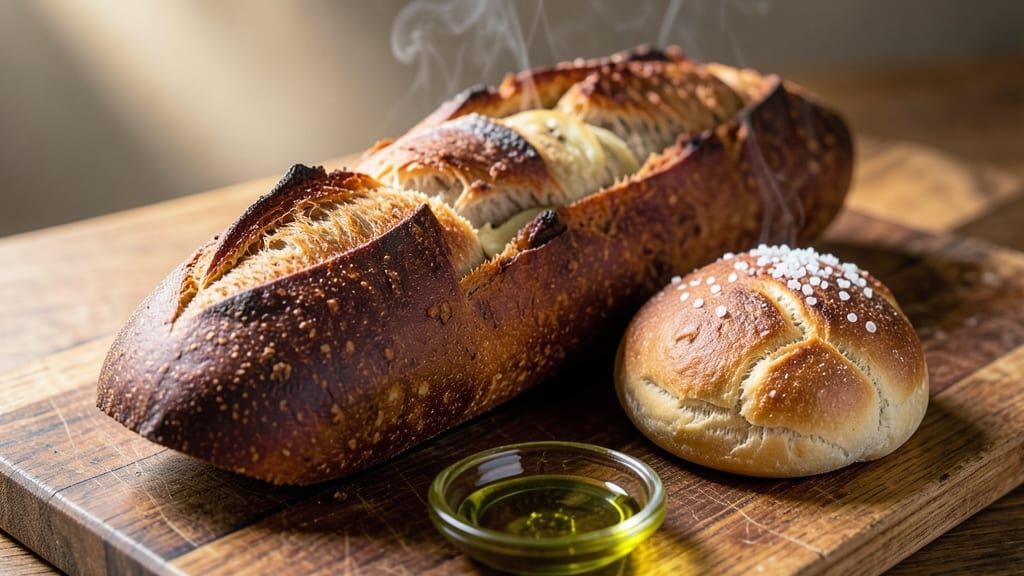
This amazing French bread recipe delivers the perfect balance of crispy golden crust and airy, pillowy crumb that makes every bite worth the effort. 🔥 I've baked through countless batches to perfect the technique, and this version stays true to tradition while being foolproof for home cooks.
The secret lies in precise hydration, proper kneading, and a steam bath that transforms ordinary dough into artisanal perfection.
What sets this recipe apart is the focus on authenticity without complexity—just five simple ingredients (flour, water, yeast, salt, and sugar) create a dough that develops incredible flavor during the long fermentation.
The kneading process builds gluten for that signature chewy texture, while scoring the loaves before baking ensures dramatic, crispy crusts. No fancy equipment needed, just patience and attention to detail.
By the time you pull those golden-brown loaves from the oven, you'll have bread with a shatteringly crisp exterior and a soft, open crumb that's impossible to resist.
The aroma alone will have everyone gathering in the kitchen, and the texture—crunchy on the outside, tender on the inside—is what makes this worth every minute of the process. This is the kind of bread that turns simple meals into special occasions.
Whether you're serving it with soup, slathering it with butter, or using it for sandwiches, this French bread delivers restaurant-quality results at home. The best part?
Leftovers stay fresh for days, making this recipe perfect for meal prep or feeding a crowd. Let's get started on making your own perfect loaf!
Ingredients for amazing french bread
Five simple ingredients transform into restaurant-quality French bread with crispy crust and airy crumb.
| Ingredient | Amount | Notes |
|---|---|---|
| All-Purpose Flour 🌾 | 5 cups | High protein for chewy texture |
| Active Dry Yeast 🍞 | 0.03 oz | Or 2.25 tsps (1 packet) |
| Granulated Sugar 🍚 | ½ tbsp | Feeds yeast and adds flavor |
| Salt 🧂 | 1 ½ tsp | Kosher or sea salt preferred |
| Lukewarm Water 💧 | 1 ½ cups | 105-110°F (40-43°C) |
| Olive Oil 🫒 | 1 tbsp | For dough enrichment |
| Cornmeal 🌽 | ¼ cup | For dusting work surface |
| Egg Wash 🥚 | 1 whole | Optional for golden crust |
| Ice Cubes ❄️ | 4 pieces | For steam bath |
The flour is non-negotiable here—King Arthur or Bread Flour gives that perfect chewy texture. King Arthur has higher protein, but all-purpose works too if that's what you've got. Yeast is the magic: Saf-Instant is foolproof, but active dry works if you let it proof longer. Store-bought yeast? Check the expiration date—old yeast won't wake up. The water temp matters too: too hot kills yeast, too cold makes it sluggish. 105-110°F is the sweet spot—just warm enough to touch without burning.
No yeast? Sourdough starter works in a pinch—use 0.5 cup activated starter instead of yeast. Running short on sugar? Honey or maple syrup at half the amount feeds yeast just as well. Olive oil gives that rich flavor, but melted butter works too. The egg wash is optional but makes the crust shatteringly crisp. Cornmeal isn't critical—semolina or flour works—but it adds that classic texture. For the steam bath, ice cubes are perfect, but a metal bowl of boiling water under the baking sheet works too.
Freshly baked loaves stay crisp for 2 days if wrapped in a clean kitchen towel. For longer storage, freeze dough balls before baking—3 months in the freezer, no quality loss. Reheat slices in a 350°F oven for 5 minutes to restore that bakery-fresh crunch. The aroma alone makes this worth every minute of the process—trust me on that.
Why You'll Love This Recipe
- I’ll be real: this dough comes together in five minutes—just mix, let it rise, and boom. No standing at the counter, no sore arms, just a bowl and a little patience. The yeast does all the work while you sip coffee or scroll.
- No-Knead Magic: I’ll be real: this dough comes together in five minutes—just mix, let it rise, and boom. No standing at the counter, no sore arms, just a bowl and a little patience. The yeast does all the work while you sip coffee or scroll.
- Crust So Good: That golden, crackly exterior with a soft, airy center? It’s all in the steam and the sugar’s caramel kiss. Toast it, and it turns into crispy perfection—no fancy bread machine needed.
- Weeknight Hero: Slap a jar of olive oil on the table for dipping, toss it in a picnic basket, or freeze slices for toast later. It’s my go-to for lazy Sundays, last-minute dinner guests, or when I forget to buy bread again.
Step-by-step instructions for crusty gold crunch with pillowy soft crumb
Here's how to bake restaurant-quality French bread with a perfect crunchy crust and airy interior.
👨🍳 Step 1: Activate the Yeast for Maximum Rise
In a large mixing bowl, combine the 1.5 cups lukewarm water, 0.5 tbsp granulated sugar, and 0.03 oz active dry yeast. Stir gently with a wooden spoon and let sit for 5-10 minutes until foamy. You'll see tiny bubbles forming on the surface—this means your yeast is alive and ready to work its magic.
I always use lukewarm water around 105-110°F because too-hot water kills the yeast while too-cold water keeps it dormant. If it doesn't foam after 10 minutes, your yeast might be dead—start over with fresh yeast. This activation step ensures your dough will rise properly for that signature French bread texture.
👨🍳 Step 2: Mix the Dough Until Windowpane Stage
Add the 5 cups all-purpose flour and 1.5 tsp salt to the yeast mixture. Stir with a wooden spoon until a shaggy dough forms, then turn it out onto a lightly cornmeal-dusted surface. Add the 1 tbsp olive oil and knead for 8-10 minutes until the dough becomes smooth and elastic.
To test if it's ready, perform the windowpane test: stretch a small piece of dough between your fingers until it's thin enough to see light through it. If it holds without tearing, your dough has developed enough gluten for that perfect chewy crumb. This kneading step builds the structure that will give your bread its signature texture.
⏰ Step 3: Let the Dough Rise Until Doubled in Size
Place the dough in a lightly oiled bowl, cover with a clean kitchen towel, and let rise in a warm spot for 1-2 hours until doubled in size. I like to put my oven on its lowest setting (200°F) with the light on to create a warm, consistent environment—this helps the dough rise evenly.
Don't rush this step! The first rise develops flavor and structure. You'll know it's ready when the dough springs back slowly when poked with a finger. If it springs back quickly, it needs more time. This slow rise creates that beautiful open crumb structure we all love in French bread.
🔥 Step 4: Shape and Second Rise for Maximum Flavor
Punch down the risen dough and divide it into 4 equal pieces (about 12 oz each). Shape each piece into a 12-inch log by rolling it tightly from one end to the other. Place the logs seam-side down on a parchment-lined baking sheet, cover with a towel, and let rise for another 30-45 minutes.
This second rise is crucial for that final burst of flavor and perfect shape. The dough should puff up noticeably. For extra flavor, I like to sprinkle a little more flour on the surface before the final rise—this helps create that beautiful crust later. The logs should look plump and almost ready to bake when they're done rising.
🔥 Step 5: Bake with Steam for That Perfect Crust
Preheat your oven to 450°F. Right before baking, place 4 ice cubes in a small metal bowl on the bottom rack of your oven. This creates steam when they melt, which is essential for that crispy crust. Brush the tops of the dough logs with the egg wash for a golden finish.
Bake for 20-25 minutes until the bread is deep golden brown with a hollow sound when tapped on the bottom. The steam from the ice cubes creates that signature crackly crust while the interior remains soft and pillowy. If your oven runs hot, start checking at the 18-minute mark—every oven behaves differently.
⏰ Step 6: Cool and Enjoy Immediately
Remove the bread from the oven and let it cool on a wire rack for 10-15 minutes before slicing. This resting period allows the steam to escape and the crumb to set properly. The bread will be at its absolute best when still warm—crusty on the outside, soft and airy on the inside.
Slice while still warm for that perfect balance of texture. Store any leftovers wrapped in a clean kitchen towel to keep them fresh longer. This bread is amazing toasted with butter or as the perfect companion to soups and salads. You've just made restaurant-quality French bread at home!
Pro Tips For Making Amazing French Bread
- STRETCH AND FOLD: Don’t just slap and fold the dough—give it a proper stretch-and-fold every 30 minutes during the first hour of bulk fermentation. This builds gluten faster than punching, and you’ll end up with that signature chewy, airy crumb. (Yes, it’s more work, but your bread will rise higher and slice cleaner.)
- DON’T SKIP THE SPRINKLE: After shaping your boules, sprinkle a thin layer of flour over the baking sheet—just enough to prevent sticking. I used to skip this, and half my loaves would stick like glue, ruining the crust. A light dusting (not a snowstorm) is all you need.
- WAIT FOR THE DOUBLE: Check for proofing by doing the poke test and watching the dough. Press a finger gently into the dough—if it springs back slowly (not immediately) and leaves a faint indent, it’s ready. Rushing it here means dense, flat bread. (Your patience will pay off with a towering loaf.)
- USE A DAMP TOWEL: Cover your dough with a damp kitchen towel, not plastic, during bulk fermentation. The moisture keeps the surface from drying out, which prevents a tough crust and helps the yeast work efficiently. (I learned this the hard way when my first batch turned out gummy—don’t let that happen to you.)
Best sauces and condiments for this amazing french bread
Classic Garlic Butter
Nothing beats slathering warm French bread with garlic butter—just melt ½ cup softened butter with 2 minced garlic cloves and a pinch of salt. Spread generously while the bread is still warm for that perfect balance of richness and flavor.
For extra depth, add 1 tsp lemon zest or a dash of fresh parsley. This combo is a crowd-pleaser that elevates any meal. 🧄
Herb-Infused Olive Oil
Drizzle freshly baked bread with herb-infused olive oil for a bright, aromatic touch. Simmer ½ cup extra-virgin olive oil with 1 tbsp each of fresh rosemary, thyme, and oregano for 5 minutes, then strain.
The herbs add a fragrant, earthy note that pairs beautifully with the bread's crust. Use within 3 days for best flavor.
Whipped Honey Butter
For a sweet-savory twist, whip ½ cup softened butter with 2 tbsp honey and a pinch of salt until light and fluffy. The honey caramelizes slightly when spread on warm bread, creating a delicious contrast to the crusty exterior.
This works perfectly with breakfast or as a dessert dip for fruit. 🍯
Spicy Harissa Spread
Add a kick with harissa, a North African chili paste. Mix 2 tbsp harissa with 1 tbsp olive oil and a pinch of cumin for a bold, smoky-sweet spread.
Spread thinly on toasted bread slices for a flavor-packed bite. Start with 1 tsp if you're sensitive to heat—this paste packs serious punch!
Truffle Oil Finish
Elevate your bread to gourmet status with a drizzle of truffle oil. Just ½ tsp of high-quality truffle oil (like Bionaturae) over warm bread adds an earthy, luxurious aroma. Pair with a sprinkle of sea salt for a restaurant-worthy touch. Perfect for special occasions or impressing guests. 💎
Cheese and Herb Compote
For a savory twist, blend ½ cup goat cheese, 2 tbsp crème fraîche, 1 tbsp chopped chives, and 1 tsp Dijon mustard into a smooth spread.
The tangy cheese complements the bread's crust beautifully. Store in an airtight container for up to 3 days—this is a game-changer for charcuterie boards. 🧀
Nutrition facts
Frequently asked questions
Why does my French bread dough collapse during baking?
The most common reason is overproofing—when dough rises too long before baking, the gluten structure breaks down. Always check dough by pressing gently: if it springs back slowly (not quickly), it's ready. Another culprit is insufficient kneading—aim for 8-10 minutes until you reach windowpane stage. Cold dough also bakes unevenly, so ensure your oven is fully preheated to 450°F with steam from ice cubes.
Can I make this bread without a stand mixer?
This recipe is designed for hand-kneading—just work the dough on a lightly floured surface for 8-10 minutes until smooth and elastic. The windowpane test (stretching dough until translucent) is your best guide. For extra strength, use bread flour if possible, as it develops gluten more easily than all-purpose. Patience is key—don't rush the kneading process.
How do I get a darker crust without burning the inside?
For a deeper golden-brown crust, try these pro tips: Brush the dough with egg wash before baking, then sprinkle with coarse sea salt. For extra color, place a metal tray filled with boiling water on the oven's lower rack to create steam. Bake at 425°F for 22-25 minutes, then increase heat to 450°F for the final 2-3 minutes to crisp the crust without overcooking the interior.
What's the best way to store leftover French bread?
Wrap cooled loaves in a clean kitchen towel and store at room temperature for 2 days—this keeps the crust crisp. For longer storage, freeze dough balls before baking (they'll keep for 3 months). To revive stale bread, warm slices in a 350°F oven for 5 minutes with a spritz of water for that bakery-fresh crunch. Never store in plastic bags—it traps moisture and makes bread soggy.
Can I use this dough for other baked goods?
This versatile dough works beautifully for baguettes, boules, or even pizza dough with slight adjustments. For baguettes, shape into 20-inch logs and bake on a pizza stone. For pizza, stretch the dough thin and add toppings—just reduce yeast to 0.02 oz** for a quicker rise. The high hydration makes it perfect for artisanal shapes, but avoid sweet pastries like croissants where lower hydration is needed.