
Desserts
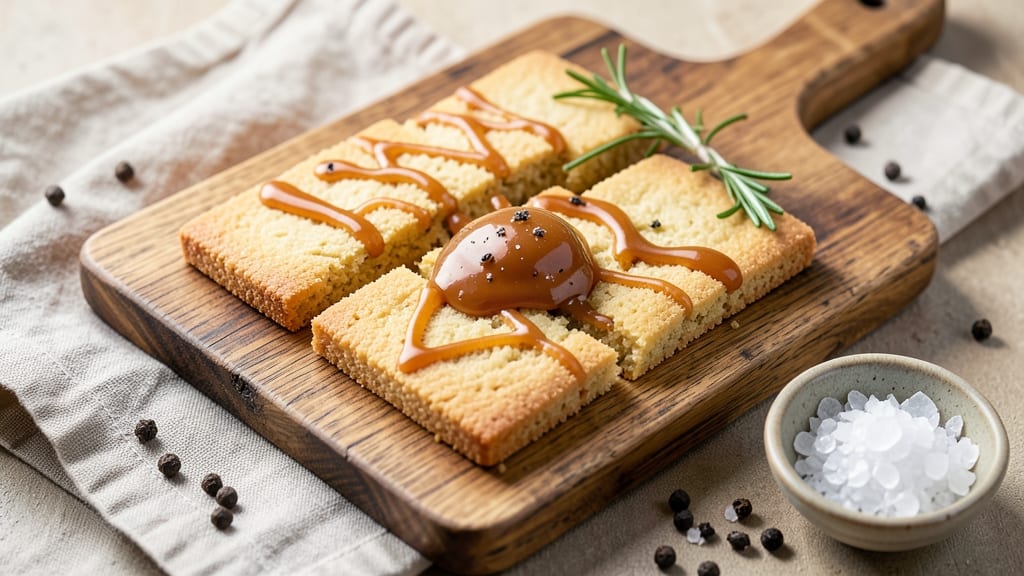
This amazing shortbread cookie recipe delivers the perfect balance of buttery crisp edges and melt-in-your-mouth centers—every bite is pure indulgence. 💛 I’ve perfected it over years of baking (and sneaking bites before they cool), and it’s now my go-to for holidays, gifts, and midnight cravings.
The secret? Cold butter and just the right amount of sugar for that signature tender-crisp texture.
What makes these shortbreads truly special is how simple yet transformative they are—just four ingredients (flour, butter, sugar, and a pinch of salt) come together to create cookies that taste like a hug from a British bakery.
No fancy techniques, no waiting for dough to rise, and no risk of burning. The key is chilling the dough before cutting, which ensures clean shapes and that signature shortbread snap.
By the time they emerge from the oven, your kitchen will smell like vanilla and butter, and the cookies will be golden at the edges with pale, buttery centers that practically dissolve.
They’re sturdy enough to hold their shape but tender enough to melt when you bite in—this is the kind of cookie that makes people ask for the recipe before they’ve even finished the first one.
Serve them warm with tea for the full British experience, or let them cool for gifting—these cookies stay fresh for days and taste even better the next day. Trust me, once you try this recipe, you’ll never go back to store-bought again. Let’s get baking!
Ingredients for amazing shortbread cookie
Four simple ingredients transform into buttery, melt-in-your-mouth shortbread cookies—perfect for holidays or sneaky treats.
| Ingredient | Amount | Notes |
|---|---|---|
| All-Purpose Flour 🌾 | 3 cups | Sifted for light texture |
| Unsalted Butter 🧈 | 1 lb | Cold, cubed for even baking |
| Granulated Sugar 🍚 | ½ cup | Superfine preferred for smoothness |
| Kosher Salt 🧂 | ½ tsp | Diamond Crystal preferred |
| Vanilla Extract 🌸 | 1 tsp | Pure vanilla for authentic flavor |
The butter is non-negotiable—cold and cubed is the secret to those crisp edges. Grab European-style butter if you want extra richness, or stick with a good American brand like Land O’Lakes. Flour matters too: King Arthur or Gold Medal give the best texture. Sugar can be super-fine for a smoother cookie, but regular granulated works in a pinch. I always double-check my salt—Diamond Crystal is less salty than Morton, so adjust if you're sensitive. Vanilla extract? Pure, not imitation—it makes all the difference.
No vanilla extract? Almond extract at half the amount works surprisingly well. Short on butter? Coconut oil solidifies like butter but has a slightly different flavor. Using self-rising flour? Skip the salt entirely. For a festive twist, add 1 tbsp lemon zest to the dough. And if you're feeling fancy, swap half the flour for almond flour—the cookies get even more tender. The dough will be crumbly, which is perfect—don’t overwork it.
Wrap the dough in plastic and chill for at least 2 hours (overnight is ideal). Cut into shapes with a fluted cookie cutter for that classic look, or use a knife for rustic edges. Bake on the middle rack for 12-15 minutes—they’ll look underdone but set as they cool. Store in an airtight container for up to 5 days, or freeze the dough for up to 3 months. Warm cookies taste best with tea, but they’re just as good cold—if they last that long!
Why You'll Love This Recipe
- Five-Ingredient Magic: The pantry already has everything—no last-minute grocery runs. Just measure, mix, press, bake. That’s it. I’ve made this while chatting on the phone, watching a movie, or pretending to work.
- Buttery Bliss: Cold butter and sugar get worked into flour until it’s like sand—then pressed into a pan and sliced. The result? Crisp edges that shatter, a melt-in-your-mouth center, and that vanilla whisper that makes it feel like a hug.
- Holiday or Snack Attack: These disappear at parties, but they’re also my 3 AM “I need something” fix. Pack them in lunchboxes, gift them in tins, or just eat the whole batch while pretending you’re being responsible.
- No-Waste Wonder: A single batch makes 16 cookies, and they stay fresh for a week in an airtight container. Freeze half for when you’re too tired to bake later—just thaw and enjoy. My wallet and future self thank me.
Step-by-step instructions for perfect shortbread cookies
Here's how to make buttery, melt-in-your-mouth shortbread with crisp edges every time.
👨🍳 Step 1: Mix Dry Ingredients for Light Texture
In a medium bowl, whisk together the 3 cups all-purpose flour and 0.5 tsp kosher salt until completely combined. I like to sift the flour first for an extra-light texture—this prevents dense cookies. Give it a good stir with a whisk or fork to break up any lumps in the flour.
Set this mixture aside while you prepare the butter and sugar. The reason we mix the dry ingredients first is to ensure even distribution of salt throughout the dough. This subtle seasoning balances the sweetness and enhances the buttery flavor in every bite.
🍳 Step 2: Cream Cold Butter and Sugar
In a large mixing bowl, combine the 1 lb cold, cubed unsalted butter and 0.5 cup granulated sugar. Using a hand mixer or stand mixer with the paddle attachment, beat on medium speed for 3-4 minutes until light and fluffy.
Here's the thing—cold butter is crucial. It creates tiny pockets of air that give shortbread its signature tender crumb. You'll know it's ready when the mixture nearly doubles in volume and looks pale and airy. If your butter starts to melt too quickly, chill the bowl for 5 minutes before continuing.
🥘 Step 3: Combine Wet and Dry Ingredients
Add the 1 tsp vanilla extract to the butter mixture and mix for 10 seconds until incorporated. Then gradually add the flour mixture, mixing on low speed just until combined. Be careful not to overmix—you want to preserve those air pockets we created earlier.
At this point, the dough should come together in a rough ball. If it's too crumbly, press it gently with your hands. The dough will be slightly sticky, but that's normal. Don't be tempted to add more flour—this will make your cookies tough instead of tender. Use the dough immediately or cover and refrigerate for up to 24 hours for even better flavor.
🔥 Step 4: Shape and Bake for Golden Perfection
Preheat your oven to 325°F. Line two baking sheets with parchment paper. Divide the dough into 24 equal portions (about 1.5 ounces each) and roll each into a ball. Place them 2 inches apart on the prepared baking sheets.
Flatten each ball slightly with your palm to create a ½-inch thick round. Bake for 18-22 minutes until the edges are golden brown and the tops look just slightly puffed. The centers should still look soft—this is what gives shortbread that melt-in-your-mouth quality. Rotate the pans halfway through for even baking.
⏰ Step 5: Cool and Enjoy (The Hardest Part!)
Remove the cookies from the oven and let them cool on the baking sheets for 5 minutes before transferring to a wire rack to cool completely. Here's where patience pays off—shortbread needs time to set properly. If you can't wait, they'll be warm and soft, but they'll firm up as they cool.
Once fully cooled, you'll have perfectly buttery shortbread cookies with crisp edges and tender centers. Store them in an airtight container for up to 1 week, though they rarely last that long in my house! The flavor actually improves as the butter mellows over time, so making a batch ahead is worth it.
Pro Tips For Making Amazing Shortbread Cookie
- CHILL THE DOUGH: I learned this the hard way—skipping the fridge makes shortbread spread like butter on a hot pan. Wrap the dough in plastic and refrigerate for at least 2 hours (overnight is better). The cold butter stays firm, and your cookies hold their shape instead of turning into sad, flat pancakes.
- USE COLD BUTTER: Your butter should be cool, not room temp—think "soft but still holds a dent." I used to pull it out too early, and my cookies lost that signature melt-in-your-mouth crumb. Cut it into cubes, let it sit in the fridge for 20 minutes, then pulse in the food processor. Trust me, this is the thing that matters most.
- WEIGH YOUR FLOUR: Scooping flour from the bag is a recipe for disaster—your cookies will be dense or crumbly. Use a kitchen scale and measure by weight (1 cup all-purpose flour ≈ 120g). Pack it lightly into the cup, then level it off. This keeps the texture consistent, batch after batch.
- SALT THE BUTTER: Shortbread relies on butter for flavor, so don’t skimp on salt. Mix in the kosher salt with the butter before adding the dry ingredients—this distributes it evenly. I was skeptical until I tried it: the flavor pops, and it balances the sweetness without tasting salty. (Yes, even if you’re impatient like me.)
Troubleshooting perfect results
Dough Too Crumbly
If your dough feels like it’s falling apart when you handle it, resist the urge to add more flour—this will make your cookies tough. Instead, try pressing the dough together gently with your hands or using a dough scraper to combine it.
The dough should be slightly sticky but hold together when shaped. If it’s still too dry, add 1 teaspoon of cold milk or heavy cream to help bind it. Chill the dough for 30 minutes after mixing to help it firm up before rolling. 💡
Cookies Spread Too Much
Overmixing or warm butter causes shortbread to spread excessively. To prevent this, ensure your butter is cold (it should still hold its shape when pressed) and mix just until combined.
Place the dough balls 2 inches apart on the baking sheet and flatten them to ½-inch thickness—thicker cookies spread less. Bake at 325°F for 18-22 minutes; higher heat or longer baking will cause excessive spreading. Rotate the pans halfway through for even baking.
Edges Not Crisp Enough
For that signature crisp edge, your oven needs to be fully preheated and the butter must stay cold until baking. If your cookies turn out soft-edged, try baking at a slightly higher temperature (350°F) for 10-12 minutes instead of the recommended 325°F.
Another trick is to bake them on the middle rack, where heat is most even. Let them cool on the baking sheet for 5 minutes before transferring—they’ll crisp up as they cool. If they’re still underdone, return them to the oven for 2-3 minutes at 300°F. 🔥
Cookies Taste Bland
Shortbread relies on high-quality ingredients for flavor. If yours taste flat, double-check your butter—European-style butter or cultured butter adds more depth. Enhance the flavor by adding ½ teaspoon of lemon zest or 1 teaspoon of almond extract to the dough.
A pinch of cardamom or cinnamon also works beautifully. Finally, ensure your vanilla extract is pure (not imitation) and use Diamond Crystal salt—it’s less salty than table salt, so you’ll need slightly more to taste.
Dough Sticks to Hands
If the dough is too sticky, it’s likely because the butter warmed up during mixing. Chill the dough for 30-60 minutes before shaping, which will help it firm up.
To prevent sticking, wet your hands slightly with cold water or use a light dusting of flour (just enough to coat, not drown). Avoid overworking the dough—shortbread is delicate, and too much handling can make it tough.
If it’s still sticky, add 1 tablespoon of cold milk or cream to help bind it without adding moisture. ❄️
Nutrition facts
Frequently asked questions
Why does shortbread dough need to chill before baking?
Chilling the dough for at least 2 hours (or overnight) is crucial for two reasons: it firms up the butter so the cookies hold their shape, and it prevents excessive spreading during baking. The cold dough also allows for cleaner cuts when shaping, giving you those perfect crisp edges. Think of it like resting meat—it makes all the difference in texture!
Can I make shortbread cookies without butter?
While butter is traditional, you can substitute with 1 cup of solid coconut oil (chilled) or 1 cup of shortening for a similar texture. However, the flavor won't be quite the same—shortbread relies on butter's rich, creamy taste. For a dairy-free option, use European-style butter substitutes like Miyoko's or Earth Balance, which mimic butter's behavior better than regular margarine.
How do I store shortbread cookies to keep them fresh?
Store them in an airtight container at room temperature for up to 5 days, or freeze the dough balls (unbaked) for 3 months. For extra freshness, place a slice of bread in the container—it absorbs moisture and keeps the cookies crisp. Warm cookies taste best with tea, but they actually develop deeper flavor as they sit, so they're perfect for gifting too!
Why do my shortbread cookies turn out dense instead of tender?
Dense cookies usually mean overmixing or warm butter. Mix just until combined (about 10 seconds after adding flour) and use cold butter that holds its shape when pressed. Another common mistake is adding too much flour—shortbread dough should be slightly crumbly but hold together. If it's still too dry, add 1 tsp cold milk or cream instead of flour.
What's the best way to cut shortbread for fancy shapes?
Use a fluted cookie cutter for classic edges, or a sharp knife dipped in flour for rustic shapes. For intricate designs, chill the dough longer (up to 4 hoursbench scraper to create clean lines. Press gently but firmly—shortbread is delicate! Pro tip: Sprinkle the cut edges with coarse sugar before baking for extra crunch.