
Side Dishes
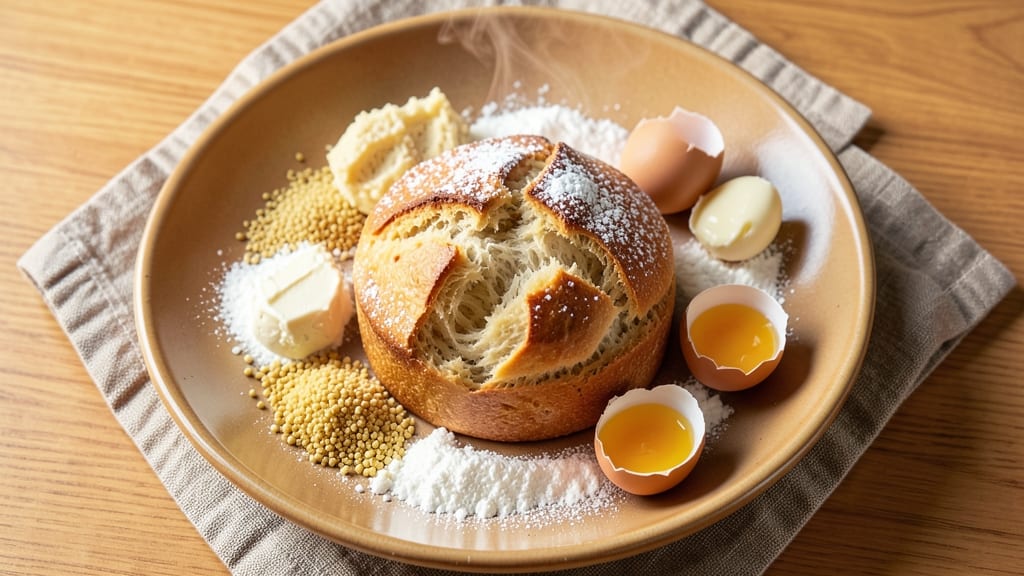
Ambrosia Bread transforms Southern citrus pudding into a pull-apart loaf that’s moist, fragrant, and packed with raisins, orange zest, and a hint of coconut—all baked into golden perfection. This recipe captures the essence of a classic Southern staple, where tender yeast dough cradles bursts of sweet, tangy flavor in every bite. The secret lies in a slow rise and careful layering of ingredients, ensuring that signature pull-apart texture and rich citrus notes shine through.
The dough begins with a simple yeast mixture, but it’s the citrus—bright orange zest and juice—that elevates it to something extraordinary. Raisins plump up during baking, while optional toasted coconut or nuts add texture for contrast.
What sets this apart is the traditional method of shaping the dough into a round loaf, allowing it to rise just enough to create those coveted cracks and a slightly domed top that’s impossible to resist.
Once baked, the bread yields to a knife with ease, revealing a tender crumb studded with raisins and infused with citrus aroma. The crust is just crisp enough to hold its shape, while the interior stays soft and fragrant.
This isn’t just dessert—it’s a celebration of Southern baking, where every slice tastes like a warm hug and a taste of nostalgia. The best part? It’s versatile enough for breakfast toast, afternoon tea, or a special dessert.
For an extra touch, brush the warm bread with a simple glaze of powdered sugar and orange juice, or serve it plain to let the natural sweetness and citrus shine.
Whether you’re baking for a family gathering or treating yourself to a taste of tradition, this recipe delivers the comfort and flavor of a true Southern classic. Let’s get started on creating something truly special.
Ingredients for ambrosia bread
Citrus zest, raisins, and coconut transform simple bread dough into a fragrant Southern masterpiece.
| Ingredient | Amount | Notes |
|---|---|---|
| Active Dry Yeast 🍞 | 2 ¼ tsp | One packet for convenience |
| Granulated Sugar 🍚 | ¼ cup | For yeast activation |
| Warm Water 💧 | 1 cup | 110°F for yeast activation |
| Unsalted Butter 🧈 | ½ cup | Softened, not melted |
| Large Eggs 🥚 | 2 whole | Room temperature |
| All-Purpose Flour 🌾 | 4 cups | Plus 2 tbsp for shaping |
| Sea Salt 🧂 | 1 tsp | Diamond Crystal preferred |
| Orange Zest 🍊 | 2 tbsp | From 1 large orange |
| Fresh Orange Juice 🍊 | ½ cup | Not from concentrate |
| Raisins 🍇 | 1 cup | Plump, not dried |
| Shredded Sweetened Coconut 🥥 | ½ cup | Toasted lightly |
| Powdered Sugar 🍚 | ¼ cup | For glaze |
| Vanilla Extract 🌸 | 1 tsp | Pure vanilla preferred |
The orange zest is non-negotiable—look for bright, vibrant peels from a navel orange at Whole Foods or your local market. Freshly grated makes all the difference; pre-grated zest loses its punch fast. Raisins should be plump, not dried out—soak them in warm water for 10 minutes if they're tough. For the coconut, Bob's Red Mill unsweetened shreds toast beautifully in a dry pan for 3-4 minutes until golden. The yeast? Active dry yeast works best—check the expiration date, as old yeast won't activate properly.
No fresh orange juice? Fresh-squeezed lemon juice works in a pinch, but the flavor will shift slightly. Raisins too dry? Soak them in warm orange juice for 15 minutes to plump them up. Substituting coconut? Toasted pecans or walnuts add a nice crunch, though they'll change the texture. For the flour, King Arthur or Gold Medal brands yield the best results—avoid bread flour if you want that tender crumb. The butter should be soft, not melted; microwave for 20 seconds if it's too firm.
This dough needs time—plan for at least 2 hours of rising at room temperature. Store shaped loaves in the fridge overnight for deeper flavor. The finished bread keeps well for 3 days at room temperature, wrapped tightly in foil. For longer storage, freeze slices between parchment paper for up to 3 months. Reheat slices in a 200°F oven for 5 minutes to restore freshness. The glaze? Mix powdered sugar with a splash of orange juice—brush on warm bread for that restaurant-quality finish.
Why You'll Love This Recipe
- No-Knead Magic: I mix the dough in 5 minutes—yeast, sugar, warm water, butter, and eggs—then let it rise while I make dinner. Honestly, the hardest part is waiting for it to puff up.
- Sweet Butter Bliss: That rich, caramelized sugar and melted butter combo? It’s like a hug for your taste buds. The crust gets crispy while the inside stays soft—exactly what you want in bread.
- Breakfast or Snack: Slice it warm for toast with jam, or pack it for lunch. Between us, it’s my go-to for quick meals when I’m starving but short on time.
- Budget-Friendly Staples: Five ingredients, zero fancy stuff. The yeast and sugar make it rise perfectly, and the butter and eggs add that luxurious feel without breaking the bank. Leftovers? They vanish fast.
Step-by-step instructions for Southern-style citrus pudding bread
This recipe transforms classic ambrosia flavors into a moist, citrus-infused loaf with a tender crumb.
Activate the Yeast with Warm Water and Sugar
In a small bowl, combine the 1 cup warm water (tested at 110°F) with the 0.25 cup granulated sugar and 2.25 tsp active dry yeast. Let the mixture sit for 5-10 minutes until it becomes frothy and bubbly. This indicates the yeast is active and ready to work.
If the mixture doesn't bubble after 10 minutes, your yeast may be inactive. Start fresh with a new packet—this is crucial for proper rise. Once properly activated, proceed immediately to avoid overworking the yeast.
Mix the Dough Ingredients Until Combined
In a large mixing bowl, combine the 4 cups all-purpose flour and 1 tsp sea salt. In a separate bowl, beat the 0.5 cup softened unsalted butter with the 2 whole large eggs until smooth. Add the yeast mixture, 0.5 cup fresh orange juice, 2 tbsp orange zest, and 1 tsp vanilla extract to the butter-egg mixture.
Gradually pour the wet ingredients into the dry ingredients while mixing with a wooden spoon or dough whisk. Stir until a shaggy dough forms—don't overmix. The dough will be sticky, which is normal given the high moisture content from the citrus and eggs.
Knead the Dough Until Smooth and Elastic
Turn the dough onto a lightly floured surface and knead for 8-10 minutes until smooth and elastic. If the dough feels too sticky, add 2 tbsp flour at a time until it becomes workable. Kneading develops gluten, which gives the bread its structure while maintaining the tender crumb we want.
Test for doneness by stretching a small piece of dough—it should resist tearing and spring back slowly. Once properly kneaded, place the dough in a lightly greased bowl, cover with a damp towel, and let rise in a warm place for 1-1.5 hours or until doubled in size.
Fold in Raisins and Coconut for Ambrosia Flavor
After the first rise, gently punch down the dough to release air. On a lightly floured surface, fold in the 1 cup raisins and 0.5 cup shredded sweetened coconut. Be careful not to overwork the dough—just distribute the fruit evenly throughout.
Shape the dough into a loaf by rolling it into a rectangle, then folding the sides inward to form a log. Place the shaped loaf in a greased 9x5-inch loaf pan, covering it again with a damp towel. Let rise for another 30-45 minutes until it reaches the top of the pan.
Bake Until Golden and Internal Temperature Reaches 190°F
Preheat your oven to 350°F. Brush the top of the loaf with 2 tbsp water (this creates a shiny crust). Bake for 35-40 minutes until the bread is golden brown and sounds hollow when tapped on the bottom. For accuracy, use an instant-read thermometer to confirm the internal temperature reaches 190°F.
Remove the bread from the oven and let it cool in the pan for 10 minutes, then transfer to a wire rack. While still warm, brush the top with a mixture of 0.25 cup powdered sugar and 1 tbsp orange juice for a sweet citrus glaze. Serve warm or at room temperature for the best texture and flavor.
Pro Tips For Making Ambrosia Bread
- Dissolve the Yeast First: I learned this the hard way—just tossing active dry yeast into warm water and sugar without letting it bloom first means it won’t activate fully, and your dough will take forever (or worse, fail entirely). Mix the yeast, sugar, and water in a small bowl, let it sit for 5-10 minutes until it’s foamy and bubbly before adding it to your wet ingredients. No, it’s not a huge time-saver, but it guarantees your dough will rise properly the first time.
- Use Room-Temp Butter: Cold butter in ambrosia bread creates pockets of unmelted fat that make your loaf dense and greasy—no one wants that. Take your unsalted butter out of the fridge 30-60 minutes before mixing, or even better, microwave it in 5-second bursts until just soft (but not liquid). The dough will be smoother, and your bread will have that perfect tender crumb without turning into a butter bomb.
- Don’t Overmix the Dough: I used to punch and fold that dough like I was kneading sourdough, thinking more work meant better gluten. Wrong. Ambrosia bread relies on a delicate balance of richness and structure—overmixing develops too much gluten, which makes it tough instead of tender. Mix just until the ingredients come together, then stop. The butter and sugar are doing enough heavy lifting here.
- Check for Doneness with a Thermometer: That golden-brown crust might look perfect, but ambrosia bread hides its true doneness. The internal temperature should hit 190-195°F (88-90°C) before pulling it out—any lower, and the center stays gummy. I know, I know, you don’t own a thermometer. Fine, tap the bottom: it should sound hollow, not muffled. But if you’re baking this more than once, the thermometer is worth the $10. Trust me.
Serving suggestions for this dish
Morning Breakfast Pairing
Serve warm slices of ambrosia bread with a generous dollop of whipped cream cheese and a drizzle of local honey for a Southern-style breakfast that feels like a vacation. 🍯 The citrus notes in the bread balance the creaminess perfectly, while the honey adds a floral sweetness.
I like toasting the bread lightly to enhance the crust’s texture—it’s like a cross between French toast and a citrus muffin.
Afternoon Tea Service
For an elegant tea-time spread, cut the bread into ½-inch thick slices and arrange on a tiered tray with Earl Grey tea and fresh berries. The raisins and coconut add a delightful texture contrast, while the orange zest keeps the flavors bright.
I’ve found that Dunkin’ Donuts’ English Breakfast tea bags pair beautifully with this bread—the tannins complement the citrus without overpowering it.
Dessert with Coffee
Transform this bread into a decadent dessert by serving it with a strong cup of coffee and a scoop of vanilla bean ice cream. The warm bread soaks up the melted ice cream beautifully, creating a dessert that feels indulgent yet balanced.
For extra flair, sprinkle toasted coconut flakes on top of the ice cream—it echoes the coconut in the bread and ties the flavors together.
Garnish and Presentation
Fresh orange slices or candied citrus peel make stunning garnishes that highlight the bread’s citrus profile. Arrange slices on a wooden board with a dusting of powdered sugar for a rustic yet elegant presentation.
I love using a mason jar to serve individual portions—it adds a charming, homestyle touch that guests will appreciate.
Make-Ahead Serving
Ambrosia bread reheats beautifully, making it perfect for meal prep. Wrap slices in parchment paper and store in an airtight container for up to 3 days. To serve, warm in a 200°F oven for 5 minutes or toast in a panini press for a crispy exterior.
Pair with chilled sparkling lemonade for a refreshing contrast to the warm bread.
Holiday Gift Idea
Package individual slices in cellophane bags tied with orange ribbon for a thoughtful holiday gift. Include a small jar of homemade orange marmalade for dipping—it’s a gift that feels personal and delicious. This combination makes for a memorable hostess gift or a sweet treat for neighbors during the holidays. 💛
Nutrition facts
Frequently asked questions
Why does ambrosia bread need such a long rising time?
The extended rising time—1-1.5 hours for the first rise and 30-45 minutes after adding fruit—allows the yeast to develop maximum flavor and creates that signature tender crumb. The citrus and eggs in the dough also require more time to properly hydrate and integrate, ensuring the raisins plump up and the coconut stays moist. Patience here makes all the difference!
Can I make ambrosia bread without coconut?
While coconut adds texture, you can substitute it with toasted pecans, walnuts, or even dried cranberries for a different flavor twist. Just reduce other liquids slightly if using nuts, as they absorb moisture. The key is balancing the textures—coconut gives a delicate crunch, but alternatives work beautifully too.
How do I fix dough that's too sticky?
If your dough feels too sticky, add 1 tablespoon flour at a time while kneading until it becomes workable. Avoid over-flouring, as this can make the bread dense. For extra help, chill the dough for 15 minutes before shaping—this firms it up and makes handling easier. The dough should be tacky but not wet.
Can I use a stand mixer for this recipe?
Yes! Use the dough hook attachment to knead for 5-6 minutes on medium speed until smooth and elastic. Be careful not to overmix, as this can develop too much gluten and make the bread tough. A stand mixer saves time but requires close attention to prevent overworking.
What if my bread doesn't rise enough?
If your bread doesn't rise properly, check your yeast first—it may be inactive. Try a new packet and ensure your water is 110°F (not too hot or cold). For better results, place the dough in a warm spot (like a turned-off oven with a bowl of hot water) to encourage rising. Also, avoid punching down the dough too aggressively during the second rise.