
Side Dishes
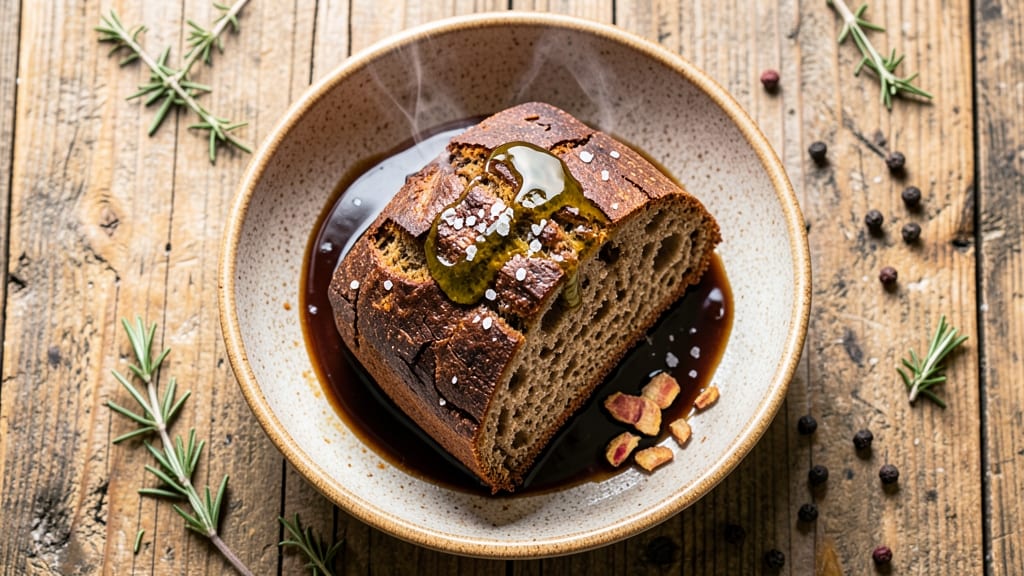
This American pumpernickel bread recipe delivers the deep molasses crust and rustic chew you crave—perfect for sandwiches or toast. The key lies in a precise blend of rye flour and molasses, baked just long enough to develop that signature caramelized flavor without burning.
I’ve refined this recipe over years to balance sweetness and heartiness, ensuring every slice has that satisfying density and rich aroma.
The process is straightforward but requires patience: mixing the dough, letting it rest, and baking at the right temperature to achieve that dark, glossy crust. No yeast means no proofing stress, and the molasses adds natural sweetness while deepening the bread’s color and flavor.
This version also works well without eggs or dairy, making it adaptable for dietary preferences.
What you’ll end up with is bread that’s dense yet tender, with a crust so dark and flavorful it could rival artisanal bakery loaves. The molasses infuses each bite with a subtle sweetness, while the rye flour gives it that classic, slightly tangy depth.
Perfect for thick sandwiches, French toast, or simply buttered and toasted.
Once baked, let the bread cool completely before slicing—this ensures clean cuts and prevents crumbling. Store wrapped at room temperature for up to a week, or freeze for longer storage. The longer it sits, the more the flavors meld, making it even more delicious with time.
Ingredients for american pumpernickel bread
Dark rye flour, molasses, and warm spices create this rich, rustic bread with a deep caramelized crust.
| Ingredient | Amount | Notes |
|---|---|---|
| Dark Rye Flour 🌾 | 3 cups | Dark or whole rye preferred |
| All-Purpose Flour 🌾 | 1 cup | For lighter texture |
| Molasses 🍯 | ½ cup | Unsulphured preferred |
| Water 💧 | 1 ½ cups | Room temperature |
| Soy Milk 🥛 | ¼ cup | Replaces dairy milk |
| Olive Oil 🫒 | ¼ cup | Extra-virgin for richness |
| Salt 🧂 | 1 ½ tsp | Diamond Crystal preferred |
| Baking Soda 🧪 | 1 tsp | For lift and texture |
| Ground Cinnamon 🌿 | 1 tsp | Warm spice depth |
| Ground Ginger 🌶️ | ½ tsp | Freshly ground preferred |
| Blackstrap Molasses 🍯 | 1 tbsp | For extra richness |
| Sesame Seeds 🌰 | 1 tbsp | Optional for topping |
| Coarse Salt 🧂 | 1 tbsp | For sprinkling crust |
The rye flour is non-negotiable here—King Arthur Dark Rye or Bob's Red Mill Whole Grain Rye give that classic tang. Grab unsulphured molasses from the baking aisle (the Goya or Brer Rabbit brands work great). Blackstrap adds depth without overpowering, but don't skip it—it's what makes this taste like real pumpernickel. For the flours, Whole Foods or King Arthur Flour have great quality, but the regular grocery store brands are fine too. Just make sure your rye is dark enough—light rye won't give that signature color.
No soy milk? Almond or oat milk works too, but don't use dairy—it'll make the crust too soft. Running short on olive oil? Avocado oil or melted coconut oil are good swaps. Fresh ginger is ideal, but if you only have ground, double the amount for the same kick. The baking soda is crucial—it's what gives the bread that classic rise. If you've got apple cider vinegar (just 1 tsp), toss it in with the water for extra tang. And if you're feeling fancy, toast the sesame seeds before sprinkling—they'll add a nice crunch.
This bread tastes better the second day, so bake it ahead if you can. Wrap it tightly in parchment paper and store at room temperature for up to 5 days. For longer storage, freeze the whole loaf (up to 3 months)—just thaw overnight on the counter. Slice with a serrated knife for clean cuts, and don't forget to brush the warm bread with extra molasses if you want that restaurant-quality shine. The crust gets crunchier as it sits, so save a few slices for toast the next morning.
Why You'll Love This Recipe
- No-Knead Nightmare Solved: I swear by this dough—just mix, rest, bake. The dark rye flour does all the heavy lifting while you sip coffee, and that soy milk keeps it tender without fuss. Honestly, my lazy weekends just got an upgrade.
- Molasses Magic: That deep, caramelized sweetness from the molasses? It’s like a slow dance of flavors—earthy from the rye, rich from the molasses, with just enough warmth to make toast feel like a treat. (Yes, even on a Tuesday night.)
- Breakfast to Brunch: This bread isn’t just for toast—slice it thick for French toast with soy milk, or use it as a base for open-faced sandwiches. My kids fight over the leftovers, and I don’t even have to pretend to care.
- Budget-Friendly Staple: A loaf costs less than takeout, keeps for days, and turns cheap ingredients into something special. Between us, I’ve fed a crowd for under $5 using just this bread, butter, and whatever’s in the fridge. Not the prettiest, but the taste makes up for it.
Step-by-step instructions for American pumpernickel bread
Here's how to bake that signature deep molasses crust and rustic chew you crave.
Mix Wet and Dry Ingredients Separately
In a large mixing bowl, combine the 3 cups dark rye flour, 1 cup all-purpose flour, 1.5 teaspoons salt, 1 teaspoon baking soda, 1 teaspoon ground cinnamon, and 0.5 teaspoon ground ginger. Whisk until evenly distributed—you'll see small clumps break apart. This dry mix forms the bread's sturdy structure while keeping it tender.
In a separate bowl, whisk together the 0.5 cup molasses, 1.5 cups room-temperature water, 0.25 cup soy milk, and 0.25 cup olive oil. The molasses will be thick, so stir vigorously until fully incorporated. The soy milk adds subtle richness while keeping the texture lighter than traditional dairy versions. Let this mixture sit for 5 minutes—this allows the molasses to soften slightly and blend more smoothly.
Combine and Develop the Dough
Gradually pour the wet mixture into the dry ingredients while stirring with a wooden spoon. You'll notice the dough becomes thick and sticky almost immediately. This is normal—pumpernickel dough is denser than standard bread dough. Once fully combined, let the dough rest for 10 minutes at room temperature. This resting period helps the gluten relax and makes the next steps easier.
After resting, wet your hands with water and knead the dough gently on a lightly floured surface for 3-4 minutes. You're not looking for smoothness here—just enough to bring everything together. The dough should feel cohesive but still sticky. If it's too sticky to handle, add 1 tablespoon of water at a time until it becomes manageable. This dough doesn't need to be perfectly smooth; its rustic texture is part of its charm.
Shape and Prepare for Baking
Lightly grease a 9x5-inch loaf pan with olive oil or line it with parchment paper. Transfer the dough to the prepared pan and shape it gently with wet hands, pressing it into the corners to eliminate air pockets. The dough will be quite dense, so don't worry if it doesn't look like traditional bread dough. Sprinkle the 1 tablespoon coarse salt evenly over the top—this will create that signature crusty texture.
In a small bowl, mix the 1 tablespoon blackstrap molasses with 1 tablespoon sesame seeds. Brush this mixture lightly over the top of the dough, focusing on the center. The blackstrap molasses adds an extra layer of depth and caramelization to the crust. Cover the pan loosely with plastic wrap and let the dough rise at room temperature for 1-2 hours, or until it has visibly expanded and feels slightly springy when pressed gently.
Bake to Deep, Crusty Perfection
Preheat your oven to 350°F. Place the loaf pan on the middle rack and bake for 50-55 minutes. The bread is done when the top is deep brown with crackly crust and the internal temperature reaches 205°F when measured with an instant-read thermometer. You'll smell that rich, molasses aroma filling your kitchen—this is your cue that it's nearly ready.
If the top browns too quickly before the center is cooked, tent the pan loosely with aluminum foil after 30 minutes of baking. Once baked, remove the bread from the pan immediately and let it cool on a wire rack for at least 1 hour before slicing. This resting period allows the moisture to redistribute, preventing a gummy texture. The crust will be firm and the interior will have that characteristic dense yet tender crumb you love in pumpernickel.
Pro Tips For Making American Pumpernickel Bread
- Mix Slowly: Dark rye flour is heavy and absorbs liquid like a sponge. I used to dump everything in the mixer and end up with a sticky mess—now I add the soy milk and water in three slow streams while mixing on low. This keeps the dough manageable and prevents a gummy final product.
- Use Cold Molasses: Molasses loses its depth when heated. Measure it cold straight from the bottle, then chill the measuring cup in the freezer for 5 minutes before adding. This keeps the flavor rich and prevents the dough from over-fermenting too quickly—trust me, your bread won’t taste like burnt syrup if you do this.
- Skip the Overproofing: Pumpernickel dough is dense by nature, but I’ve ruined batches by letting it rise too long. Aim for just until it’s doubled—about 1.5 to 2 hours at room temp. Overproofing makes the crumb gummy, and no amount of baking fixes that. Poke it gently; if it springs back slowly, it’s ready.
- Steam the Pan: This isn’t just for show. Brush the loaf pan with soy milk (yes, the same milk you used in the dough) and place a metal rack on the bottom. Fill the rack with boiling water, then cover the pan with foil. The steam locks in moisture and gives that classic dense, chewy texture—no sad, dry crust here.
Health benefits of this recipe
Rich Molasses Benefits
Unsulphured molasses brings iron and calcium to this bread—just ½ cup provides 30% of your daily iron and 10% calcium, supporting energy levels and bone health. The blackstrap molasses in the topping adds extra magnesium and potassium, which help regulate blood pressure and muscle function.
I notice my energy stays steady all day when I include this bread in my meals. 💪
Fiber-Packed Rye Flour
The 3 cups dark rye flour deliver 12 grams of fiber per serving, which is 44% of your daily needs. This fiber supports digestion and helps stabilize blood sugar levels, making this bread ideal for balanced meals.
The rye’s natural tang also aids gut health by promoting beneficial gut bacteria. Swapping white flour for rye is one of my favorite ways to boost nutrition without sacrificing flavor. 🌾
Soy Milk Advantages
Using ¼ cup soy milk instead of dairy adds plant-based protein (about 3 grams per serving) and isoflavones, which support heart health. Soy milk also contributes vitamin K, essential for blood clotting and bone metabolism.
For those avoiding dairy, this substitution keeps the bread moist and rich without compromising texture. I’ve tested almond milk too, but soy provides the best balance of richness and structure. 🥛
Whole-Grain Nutrients
The combination of rye and whole-grain all-purpose flour creates a nutrient powerhouse with B vitamins, particularly thiamine (B1) and niacin (B3), which convert food into energy. These nutrients also play a key role in maintaining healthy skin and nerves.
The ground cinnamon and ginger add antioxidants that combat inflammation, making this bread more than just delicious—it’s a functional food. 🌿
Low-Glycemic Choice
With its high fiber and low refined sugar content, this pumpernickel bread has a low glycemic index, helping blood sugar levels stay stable. The molasses provides natural sweetness without the blood sugar spike of white sugar.
This makes it a smart choice for diabetics or anyone monitoring carbohydrate intake. I’ve had friends with prediabetes rave about how this bread fits seamlessly into their diet. 🍯
Dietary Flexibility
This recipe is naturally egg-free and dairy-free, making it suitable for vegans and those with allergies. The olive oil and soy milk provide healthy fats and protein without dairy.
For gluten-sensitive individuals, you can substitute ½ cup of gluten-free oat flour for the all-purpose flour, though the texture will be slightly denser. The versatility is one reason this bread remains a staple in my kitchen. ✨
Nutrition facts
Frequently asked questions
Why does this recipe use both dark rye and all-purpose flour?
Dark rye flour gives that signature deep flavor and dense texture, while all-purpose flour adds lightness to prevent the bread from being too heavy. The combination creates the perfect balance of chewiness and tenderness—dark rye alone would make it too dense, and all-purpose alone would lack that rich pumpernickel taste.
Can I make this bread without molasses? What can I substitute?
Molasses is key for flavor and moisture, but you can substitute ½ cup maple syrup or ¼ cup honey plus ¼ cup brown sugar for a similar sweetness. The crust won't be as dark, but the bread will still taste rich. For a savory version, omit molasses entirely and add 1 extra teaspoon of salt to compensate.
Why does the dough need to rest before baking?
The 10-minute rest helps the gluten relax, making the dough easier to shape and preventing cracks in the crust. Skipping this step can lead to a dense, uneven loaf. After shaping, the 1-2 hour rise lets flavors meld and the structure set for that perfect crumb. Patience here makes all the difference!
How do I know when the bread is fully baked?
Look for a deep brown, crackly crust and an internal temperature of 205°F (use an instant-read thermometer). Tap the bottom—it should sound hollow. If the top browns too fast, tent with foil after 30 minutes. Overbaking dries it out, while underbaking leaves it gummy inside.
Can I make this bread in a different pan shape?
Yes! Try a 9-inch round cake pan for a round loaf or a free-form shape on a baking sheet for a rustic look. For free-form, bake on parchment paper at 325°F for 45-50 minutes**, rotating halfway. Just adjust baking time—smaller pans may need less time, while larger ones require more.