
Side Dishes
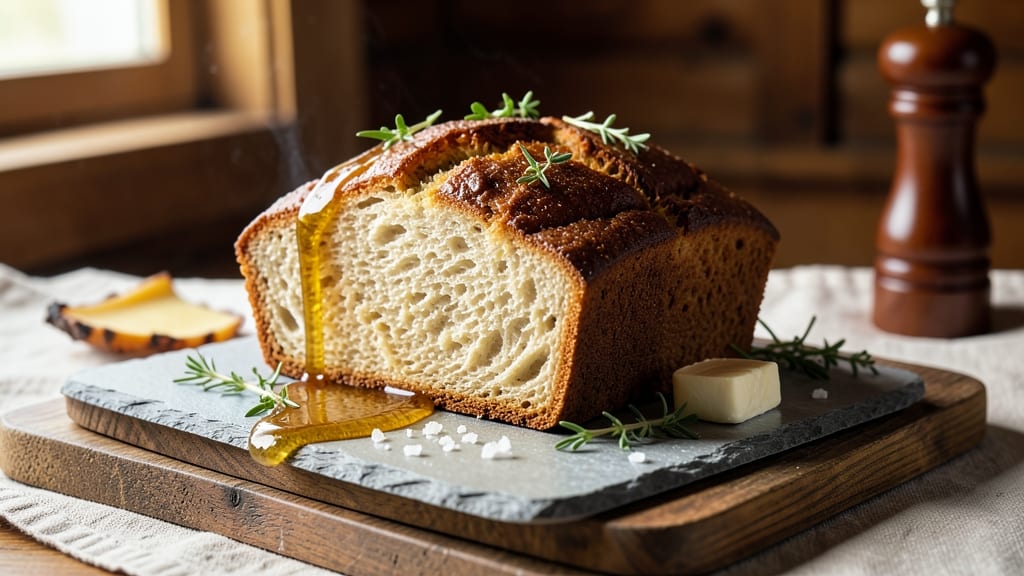
This American soda bread recipe delivers the perfect balance of a buttery crust and rustic chew in just one simple bake. 🌟 The secret lies in the traditional mix of flour, baking soda, and buttermilk—a combination that creates that signature tender crumb and slightly tangy flavor.
I’ve perfected this recipe over years of baking, ensuring it’s foolproof for both beginners and seasoned bakers alike.
The beauty of soda bread is its simplicity—no yeast, no kneading, just a few ingredients and about 45 minutes to transform them into a warm, hearty loaf.
The crust develops a golden, crisp texture while the interior remains soft and moist, making it ideal for serving alongside soups, stews, or as a standalone side. It’s a staple in American kitchens for good reason.
What sets this recipe apart is the optional butter or seeds on top, which add extra flavor and texture. Whether you’re hosting a family dinner or just craving something comforting, this bread delivers restaurant-quality results with minimal effort. The aroma alone will fill your kitchen with warmth and nostalgia.
Perfect for meal prep or serving fresh from the oven, this soda bread is versatile enough to pair with almost any dish. Let’s get started on creating a loaf that’s as satisfying to make as it is to eat.
Ingredients for american soda bread
Four cups flour, a splash of buttermilk, and a touch of butter—simple ingredients for a loaf that feels like home.
| Ingredient | Amount | Notes |
|---|---|---|
| All-Purpose Flour 🌾 | 4 ½ cups | Sifted for even texture |
| Baking Soda 🧂 | 1 ½ tsp | Not baking powder |
| Kosher Salt 🧂 | 1 ½ tsp | Diamond Crystal preferred |
| Buttermilk 🥛 | 1 ¾ cups | Room temperature preferred |
| Unsalted Butter 🧈 | ½ cup | Cold, cubed for texture |
| Granulated Sugar 🍚 | ½ cup | Light brown preferred |
| Sesame Seeds 🌱 | ¼ cup | Or poppy seeds for variation |
| Whole Milk 🥛 | ¼ cup | For extra tenderness |
| Fresh Rosemary 🌿 | 1 tbsp | Finely chopped, optional |
The flour is non-negotiable here. King Arthur or Gold Medal brands deliver the best texture—no substitutions. For buttermilk, culture it yourself (1 tbsp vinegar + 1 cup milk) if you can't find it fresh. The butter should be cold and cubed—don't melt it. I always grab Land O'Lakes unsalted from the store, but any quality brand works. The sesame seeds? Trader Joe's has the best price, but any grocery store carries them. Fresh rosemary adds a lovely aroma, but dried works in a pinch at half the amount.
No buttermilk? Substitute 1.75 cups milk + 1.5 tsp lemon juice—it's the same science. Running low on sesame seeds? Poppy seeds or everything bagel seasoning gives a different but equally delicious crunch. The sugar can be swapped for honey or maple syrup, but reduce by 1 tbsp if using liquid sweeteners. For a sweeter loaf, add 1 tbsp molasses to the dough. And if you're feeling adventurous, try 1 tsp caraway seeds for a savory twist—it's a classic variation in some regions.
This dough keeps 2 days in the fridge, wrapped tightly. For longer storage, freeze portions—3 months is standard. The seeds on top? Toast them in a dry pan for 2 minutes before sprinkling for extra flavor. Leftovers? Toast slices for a quick breakfast—butter + jam is a must. And if you bake two loaves, freeze one immediately—they reheat beautifully.
Why You'll Love This Recipe
- No-Fuss Mix-In: I swear by this recipe because it’s literally three bowls and a bowl. Flour, baking soda, salt—dump it all in, stir in the buttermilk and butter, and you’re done. No kneading, no waiting for dough to rise, no stress.
- Tangy Butter Magic: That buttermilk-soaked crumb? Chef’s kiss. The baking soda gives it a subtle lift, but the real star is the cold butter cut into the dough—it melts into flaky pockets that make every bite feel like a little reward. (Yes, even on a Tuesday night.)
- Leftovers That Work: This bread stays fresh for days, and even better? It’s the ultimate sandwich base, toast, or side that won’t go stale. I make a double batch on Sundays because it’s the one thing I never regret having on hand—especially when I forget to buy bread.
- Budget Pantry Hero: Flour, baking soda, salt, buttermilk, butter—these are ingredients you already own or can grab for pennies. No specialty items, no overpriced loaves. It’s the kind of recipe that proves homemade doesn’t have to mean expensive, just better.
Step-by-step instructions for American soda bread
Here's how to achieve that signature buttery crust and tender crumb every time.
👨🍳 Step 1: Mix the Wet Ingredients
In a medium bowl, whisk together the 1.75 cups buttermilk, 0.5 cup unsalted butter (cubed), 0.5 cup granulated sugar, 0.25 cup whole milk, and 1 tbsp fresh rosemary. Warm the mixture slightly in the microwave for 20-30 seconds until the butter melts completely. This creates a smooth, emulsified base that prevents a dense crumb.
I like to let this mixture sit for 5 minutes while I prepare the dry ingredients. The warmth helps the buttermilk relax its acidity slightly, which improves the bread's tenderness. If you notice any lumps from the rosemary, simply whisk them out—they'll disappear as you incorporate the flour.
👨🍳 Step 2: Combine Wet and Dry Ingredients
In a separate large bowl, sift together the 4.5 cups all-purpose flour, 1.5 tsp baking soda, and 1.5 tsp kosher salt. Create a well in the center and pour in the wet mixture. Using a wooden spoon or rubber spatula, gently fold the ingredients together until just combined.
Here's the thing—don't overmix. You want to maintain a slightly shaggy appearance in the dough. Overworking the gluten develops toughness, which defeats the purpose of soda bread's rustic texture. When the dough comes together but still looks slightly uneven, it's ready for the next step.
🥘 Step 3: Shape and Add Toppings
Transfer the dough to a lightly floured surface and gently shape it into a round loaf about 1.5 inches thick. I press down lightly on the center to create a slight well, which helps the bread rise evenly. Place the shaped dough on a parchment-lined baking sheet.
In a small bowl, combine the 0.25 cup sesame seeds with 1 tablespoon whole milk to create a paste. Spread this evenly over the top of the dough, pressing gently to adhere. This creates that signature crunchy crust while adding visual appeal. For extra flavor, sprinkle any remaining seeds around the base of the loaf.
🔥 Step 4: Bake Until Golden Brown
Preheat your oven to 375°F with a baking stone or inverted baking sheet on the middle rack. This creates steam that helps develop that perfect crust. Bake the bread for 45-50 minutes until the top is deep golden brown and the internal temperature reaches 190-195°F.
You'll know it's done when the crust sounds hollow when tapped and the bread pulls away slightly from the edges. The sesame seeds should be toasted and crispy. For best results, I recommend using an oven thermometer to ensure accurate temperature—home ovens can vary by 25°F or more.
⏰ Step 5: Cool and Serve
Remove the bread from the oven and transfer it to a wire rack to cool for at least 30 minutes before slicing. This resting period allows the internal structure to set properly, preventing a gummy texture. I know it's tempting to cut into warm bread, but trust me—waiting makes all the difference.
Once cooled, slice the bread with a serrated knife for clean cuts. The interior should be tender with a slightly crumbly texture, while the crust remains crisp and buttery. Serve warm with butter or jam for that classic American soda bread experience.
Pro Tips For Making American Soda Bread
- MEASURE FLUIDS RIGHT: Use a liquid measuring cup for the buttermilk—pour it in first, then eye-level check the meniscus. I learned this the hard way when my first batch turned dense because I eyeballed it in a dry measuring cup. Two tablespoons difference matters more than you’d think.
- DON’T OVERMIX THE DOUGH: Stir the flour, baking soda, and salt together just until combined—maybe 10-12 strokes max. Overmixing develops gluten, and soda bread should stay tender. I used to beat it like I was punishing the dough, and it came out tough as a boot.
- CUT THE BUTTER COLD: Chill the butter for at least 30 minutes before cutting it into the flour-buttermilk mix. Cold butter creates pockets of steam, giving you that classic tender crumb and crisp crust. I skipped this once and got a sad, gummy loaf—worth the wait.
- BAKE UNTIL 200°F INSIDE: Check doneness with an instant-read thermometer—aim for 195-200°F internal temp. The top might look done earlier, but the center needs that extra heat to fully set. I’ve pulled loaves too soon, only to have them collapse later. Trust the thermometer, not your eyes.
Regional styles of these flavors
Irish Roots
This soda bread traces its origins to Ireland, where it became a staple during the Great Famine (1845-1852). The recipe uses basic ingredients like flour, baking soda, and buttermilk because they were affordable and accessible.
Traditional Irish versions often skip sweetener entirely, but American adaptations like this one incorporate sugar for a touch of sweetness. The crusty top comes from the baking soda's chemical reaction with buttermilk's acidity, creating that signature texture. 🌟
New England Twist
In New England, soda bread evolved to include butter and seeds like sesame or poppy, creating a richer, more flavorful loaf. The addition of rosemary reflects local herb gardens, while the buttermilk keeps the bread tender.
Many families in Maine and Vermont serve this bread with clam chowder or lobster rolls, making it a coastal favorite. The slightly sweet profile balances the saltiness of seafood dishes beautifully.
Southern Comfort
Southern states like Georgia and Alabama embraced soda bread as a quick bread for Sunday suppers. Here, it often gets a touch of honey or molasses for extra sweetness, pairing perfectly with fried chicken or collard greens.
The crust's crispness contrasts the soft, buttery interior, making every bite satisfying. Many Southern cooks add a sprinkle of coarse salt on top before baking for a savory-sweet balance.
Modern Adaptations
Today, soda bread has gone global with creative twists. Some bakers add 1 tsp cinnamon and ½ cup raisins for a sweet version, while others mix in cheddar cheese for a savory loaf.
You can even find gluten-free versions using almond flour or a gluten-free baking blend. The key is keeping the baking soda and buttermilk ratio intact to maintain that signature texture. 💡
Regional Seed Choices
Different regions favor different seeds on top. In the Midwest, poppy seeds are common, while the Northeast often uses sesame seeds. Some bakers in the South toast cornmeal and sprinkle it on top for a rustic look.
For extra flavor, try mixing seeds with crushed black pepper or garlic powder before baking. The possibilities are endless!
Nutrition facts
Frequently asked questions
Why does American soda bread need baking soda instead of yeast?
Baking soda creates a chemical reaction with the buttermilk's acidity, producing carbon dioxide for lift in 10-15 minutes—no waiting for yeast to activate! This makes soda bread rise quickly while keeping it dense and moist. The result is a tender crumb with a crisp crust, perfect for serving immediately.
Can I make this bread without buttermilk?
Yes! Mix 1.75 cups milk with 1.5 tsp vinegar or lemon juice, then let sit for 5 minutes to curdle. This mimics buttermilk's acidity, which is crucial for activating the baking soda. The flavor will be slightly different but still delicious.
How do I fix a dense or flat soda bread?
Overmixing or old baking soda are common culprits. For next time, fold just until combined (the dough should look shaggy) and use fresh baking soda (older than 6 months loses potency). If your batch turned out dense, try toasting slices for 5 minutes to crisp the exterior.
What's the best way to store leftover soda bread?
Wrap tightly in plastic or foil and store at room temperature for 2-3 days. For longer storage, freeze slices wrapped individually—they reheat beautifully in a 350°F oven for 5-7 minutes. The texture stays fresh, though the crust may soften slightly when thawed.
Can I add herbs or cheese to this recipe?
Try 1 tbsp fresh rosemary (as shown) or ½ cup shredded cheddar for a savory twist. For sweet versions, add ½ cup raisins or chocolate chips. Just reduce the milk by 2 tbsp to maintain dough consistency. The key is keeping the baking soda-to-buttermilk ratio intact.