
Desserts
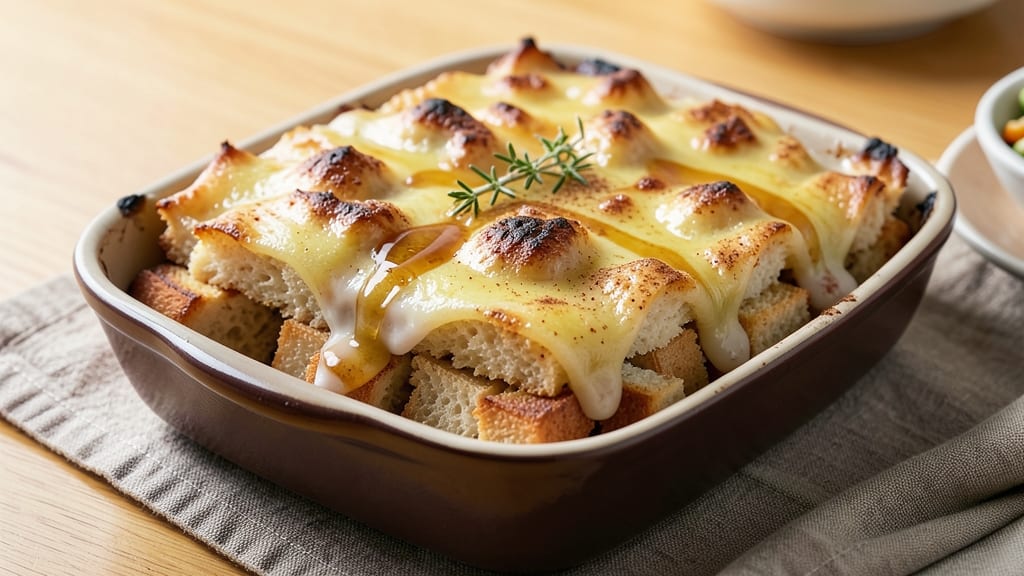
America’s Test Kitchen bread pudding recipe delivers the perfect balance of caramelized vanilla custard and toasted bread crunch—a dessert so foolproof, it becomes a weekly staple. The secret lies in a precise custard mixture that creates a silky, golden center while the edges develop that coveted crispy texture.
This isn’t your grandmother’s bread pudding; it’s a refined, restaurant-worthy dessert with a method that ensures consistent results every time.
The recipe begins with day-old bread (French or brioche work best) cut into cubes and lightly toasted to prevent sogginess. A rich custard made with eggs, cream, and vanilla infuses the bread with deep, creamy flavor, while a touch of cinnamon and nutmeg adds warmth.
The baking process is where the magic happens—350°F for 30 minutes transforms the mixture into a golden, custardy masterpiece with a crispy top that’s impossible to resist.
What sets this apart is the toasted bread crunch on top, achieved by sprinkling bread cubes with cinnamon sugar before baking. The result? A dessert that’s creamy, caramelized, and texturally exciting in every bite.
Serve it warm with a drizzle of homemade caramel sauce or a scoop of vanilla ice cream for the full experience. This isn’t just bread pudding—it’s a dessert that feels like a hug.
Optional variations include adding a splash of bourbon or rum to the custard for depth, or swapping in challah or brioche for a richer flavor. The recipe scales easily for gatherings, and leftovers reheat beautifully.
Whether you’re a baking novice or a seasoned pro, this method guarantees restaurant-quality results with minimal fuss.
Ingredients for america's test kitchen bread pudding
Six essential ingredients transform simple bread into restaurant-quality dessert perfection.
| Ingredient | Amount | Notes |
|---|---|---|
| Day-Old French Bread Loaf 🍞 | 1 ½ lb | Cubed into 1.5-inch pieces |
| Large Eggs 🥚 | 6 whole | Room temperature for best mixing |
| Heavy Cream 🥛 | 1 ½ cups | Full-fat for maximum richness |
| Granulated Sugar 🍚 | ¾ cup | White or light brown preferred |
| Pure Vanilla Extract 🌿 | 2 tsp | High-quality, Madagascar bourbon preferred |
| Ground Cinnamon 🌶️ | 1 ½ tsp | Freshly ground for optimal flavor |
| Ground Nutmeg 🌶️ | ½ tsp | Finely ground, fresh preferred |
| Unsalted Butter 🧈 | ½ cup | Cold, cubed for even distribution |
| Granulated White Sugar 🍚 | ¼ cup | For bread topping, fine grain |
| Diamond Crystal Kosher Salt 🧂 | ½ tsp | Fine grain for even distribution |
| All-Purpose Flour 🌾 | ¼ cup | For bread topping, sifted |
| Vanilla Bean Paste 🌿 | 1 tsp | Optional for intensified vanilla flavor |
The bread selection is critical for texture—day-old French or brioche yields the ideal balance of structure and absorbency. Baguette from a local bakery often outperforms store-bought due to superior crust texture, but any crusty bread works. Cube the bread uniformly (1.5-inch pieces) for even baking. For maximum crunch, toast the cubes lightly in the oven at 350°F for 8-10 minutes before assembling. The heavy cream must be full-fat; reduced-fat versions compromise the custard's luxurious mouthfeel. Purchase from reputable dairies like Organic Valley or Horizon for consistent quality.
No vanilla bean paste? Double the vanilla extract for comparable intensity, though the seeds add subtle complexity. The sugar should be fine-grained—Domino brand works perfectly for both the custard and bread topping. For nutmeg, freshly grated from a whole bean delivers superior warmth compared to pre-ground powder. Substituting bourbon or rum for vanilla extract (1 tsp) adds depth, though the alcohol will cook off during baking. The butter should be cold when cubed to prevent premature melting during assembly. For gluten-free adaptation, swap bread for gluten-free brioche and use a 1:1 flour blend in the topping.
Assembled bread pudding keeps 3 days refrigerated in an airtight container, though flavor peaks at day 2. For longer storage, freeze portions for up to 2 months—reheat covered at 350°F until warmed through. The topping mixture should be made fresh day-of for optimal crispness. Leftovers reheat beautifully in the microwave (30 seconds) or oven (15 minutes at 350°F). For make-ahead convenience, prepare the custard mixture and store it separately; assemble and bake when ready. The bread cubes can be prepped 1 day ahead and stored in the fridge.
Why You'll Love This Recipe
- Here’s what sold me: the heavy cream and eggs create this unreal silky texture—like a cross between a warm hug and dessert. And that vanilla? It’s not overpowering, just enough to make every bite feel like a little indulgence. The sugar caramelizes just right, giving it that golden, crispy top without tasting cloying.
- I’ll be real: this recipe costs me about $8 for six servings, and it feels like a five-star dessert. The ingredients are simple—eggs, cream, sugar—but the way they come together? Pure satisfaction. Plus, leftovers reheat beautifully, so I’m never stuck with a sad, dry pudding. One sheet pan, one spatula, done. That’s my kind of magic.
Step-by-step instructions for america's Test Kitchen bread pudding
This method delivers a perfectly balanced bread pudding with a caramelized custard center and toasted bread edges.
Prepare the Bread and Preheat the Oven
Cut the 1.5 lb day-old French bread loaf into 1.5-inch cubes using a serrated knife. Arrange them in a single layer on a rimmed baking sheet and toast in a 375°F oven for 10-12 minutes until lightly golden and crisp at the edges. This step prevents a gummy texture and ensures maximum crunch in the final dish.
While the bread toasts, preheat your oven to 350°F. The bread should be warm but not burning when you transfer it to your baking dish. This initial toasting is what creates that signature toasted bread crunch that makes this bread pudding stand out.
Create the Custard Mixture
In a large bowl, whisk together the 6 whole large eggs (at room temperature) and the 1.5 cups heavy cream until completely combined. Add the 0.75 cup granulated sugar, 2 tsp pure vanilla extract, 1.5 tsp ground cinnamon, 0.5 tsp ground nutmeg, and 1 tsp vanilla bean paste (if using). Whisk vigorously for 2-3 minutes until the mixture is smooth and slightly thickened.
The custard should be well-emulsified with no visible streaks of egg. This thorough mixing ensures a silky texture in the finished bread pudding. I like to use a whisk for this step—it incorporates more air than a spoon would, creating a lighter final product.
Assemble and Bake the Bread Pudding
Transfer the toasted bread cubes to a 9x13-inch baking dish, spreading them evenly. Pour the custard mixture over the bread, pressing down gently to ensure the bread absorbs the liquid. Let it sit for 10 minutes at room temperature while the bread soaks up the custard.
Dot the top with 0.5 cup cold unsalted butter cubes and sprinkle evenly with the 0.25 cup granulated white sugar, 0.5 tsp Diamond Crystal kosher salt, and 0.25 cup sifted all-purpose flour. This topping creates a beautiful caramelized crust while adding texture and flavor contrast.
Bake to Golden Perfection
Bake the bread pudding in the 350°F oven for 45-50 minutes, until the edges are golden brown and the center is just set but still slightly jiggly. You'll know it's ready when the top is caramelized and the custard pulls away from the edges of the dish.
For the final 5 minutes, increase the oven temperature to 375°F to intensify the caramelization on the topping. This high-heat finish creates that signature toasted bread crunch and deep caramel flavor that makes this bread pudding exceptional.
Rest and Serve
Remove the bread pudding from the oven and let it rest for 10-15 minutes before serving. This resting period allows the custard to fully set and the flavors to meld together. The bread pudding should be warm but not hot when served.
Slice into 6 equal portions and serve immediately. Each bite should deliver a perfect balance of creamy custard, toasted bread, and caramelized topping. The texture should be rich and custardy with a satisfying crunch from the toasted bread cubes throughout.
Pro Tips For Making America'S Test Kitchen Bread Pudding
- CUT BREAD INTO ½-INCH CUBES: The recipe calls for "large cubes," but I learned the hard way—uneven cubes mean uneven baking. Use a serrated knife or bench scraper to slice the loaf first into ½-inch slices, then cut those into cubes. This keeps the bread consistent and soaks up the custard evenly. (Yes, it takes 10 minutes longer, but your pudding won’t have dry edges or undercooked centers.)
- WHISK EGGS AND SUGAR TO 160°F: This isn’t optional. Whisk the eggs, sugar, and vanilla until the mixture hits 160°F—it’s the only way to guarantee a silky, set custard without curdling. Use a candy thermometer (or a food-safe instant-read thermometer) and resist the urge to rush. I’ve had batches turn into scrambled eggs because I skimped here.
- SALT THE CREAM: The recipe might not mention it, but adding a pinch of fine salt (about ¼ teaspoon) to the heavy cream before mixing it into the egg custard makes a real difference. It balances the sweetness and rounds out the flavor. Trust me, your taste buds will notice the difference—especially when paired with the vanilla.
- BAKE UNTIL 105°F INTERNAL: The recipe says "until set," but that’s vague. Pull the pudding when the center hits 105°F—it’ll firm up as it cools. Overbaking turns it gummy; underbaking leaves it jiggly. If you’re unsure, insert a thermometer into the thickest part. (Pro move: Let it rest 10 minutes before serving—this is when it actually sets properly.)
Wine and beer pairings for this america's test kitchen bread pudding
Classic Dessert Wines
For this rich, custardy bread pudding, I always reach for a sweet dessert wine that complements its vanilla and caramel notes. A Moscato d'Asti from Italy—light, fizzy, and with hints of peach—cuts through the density beautifully.
Its 6-8% alcohol and subtle sweetness let the bread pudding's flavors shine while cleansing your palate between bites. 🍷
Port Wine Pairing
A Ruby Port from Portugal is my go-to for a more robust pairing. The wine's dried fruit and chocolate undertones mirror the caramelized sugar in the bread pudding, while its 19-21% alcohol stands up to the custard's richness.
Chill it slightly (around 60°F) before serving to enhance its aromatic qualities without overwhelming the dessert.
Creamy Beer Options
If wine isn't your thing, try a Belgian-style cream ale like Leffe Blond. Its malty sweetness and light carbonation balance the bread pudding's custard perfectly. Another great choice is a honey ale, such as Driftwood Honey Brown Ale, which adds floral notes that complement the vanilla.
Serve both chilled (45-50°F) for the best experience. 🍺
Coffee Liqueur Finish
For an after-dinner treat, serve a small glass of Kahlúa alongside your bread pudding. The coffee liqueur's caramel and vanilla flavors enhance the dessert's profile, while its 20% alcohol provides a warming finish.
I like to drizzle a little over the top of the bread pudding before serving for an elegant touch.
Seasonal Variations
In fall, swap the Moscato for a late-harvest Riesling—its honey and apple notes pair wonderfully with cinnamon-spiced bread pudding. For summer, a sparkling Gewürztraminer adds a refreshing contrast. Each pairing should enhance the dessert's flavors without competing for attention. 🍂
Nutrition facts
Frequently asked questions
Can I use stale bread instead of day-old bread?
Yes, but with caution! Stale bread absorbs liquid differently and may create a gummy texture. For best results, use bread that's 1-2 days old—this ensures proper texture without being completely dry. If you must use stale bread, lightly toast it first to restore some moisture balance.
Why does my bread pudding come out gummy instead of creamy?
This usually happens when the bread absorbs too much custard before baking. The fix: Let the bread soak in the custard for only 10 minutes (not longer), and make sure your baking dish isn't too large—use a 9x13-inch dish for proper proportions. Also, check your oven temperature—350°F is critical for even cooking.
Can I make this bread pudding ahead of time?
This dessert actually tastes better the next day. Assemble and bake it as directed, then store it in an airtight container in the fridge for up to 3 days. Reheat covered at 350°F for 15 minutes or microwave for 30 seconds until warmed through. The flavors develop beautifully overnight!
What's the best way to add booze to this recipe?
For maximum flavor without overpowering, replace 1 tsp of vanilla extract with 1 tsp bourbon or rum in the custard mixture. The alcohol will cook off during baking, leaving behind deep caramel and vanilla notes. For extra richness, add 1 tbsp of alcohol to the custard and sprinkle 1 tsp of brown sugar on top before baking.
How do I get that perfect golden crust on top?
The secret is the final 5 minutes at 375°F with the sugar-butter topping. For extra caramelization, sprinkle an additional 1 tbsp of sugar on top right before the high-heat finish. Also, make sure your baking dish is properly greased—this helps create that beautiful golden crust while preventing sticking.