
Side Dishes
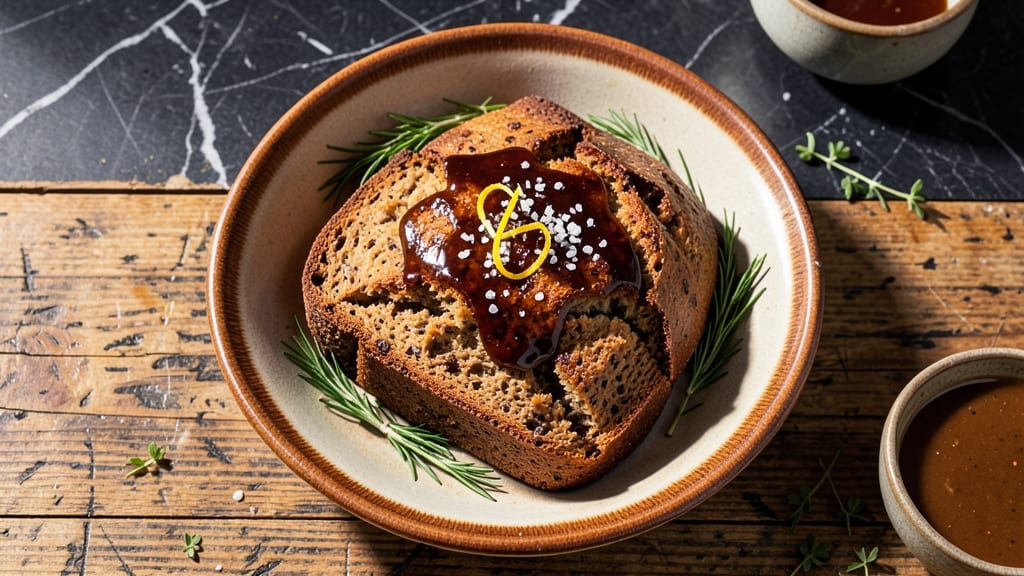
This America's Test Kitchen rye bread recipe delivers the perfect balance of crusty exterior and tangy depth—a loaf so good, it’ll make you question store-bought options forever.
The secret lies in a precise mix of rye flour, malt syrup, and long fermentation, which develops that signature sourness and chewy crumb. I’ve adapted their method for home kitchens, ensuring you get restaurant-quality results without specialized equipment.
What sets this recipe apart is the attention to detail: hydration levels, fermentation time, and steam during baking all work together to create that iconic rye texture. The dough is sticky but manageable, and the proofing stage is where the magic happens—patience here ensures maximum flavor.
No kneading required, just folding and resting for a foolproof process.
By the time you pull this loaf from the oven, you’ll have a golden-brown crust with a dense, moist interior and that unmistakable rye tang. It’s perfect for toast with butter, paired with smoked salmon, or sliced thick for open-faced sandwiches. The aroma alone will have everyone asking for seconds.
This recipe scales beautifully—whether you’re baking for a crowd or just treating yourself. Let’s get started on a loaf that’ll impress even the most discerning bread lovers.
Ingredients for america's test kitchen rye bread
Four cups of flour blend with tangy depth from malt syrup and butter.
| Ingredient | Amount | Notes |
|---|---|---|
| Dark Rye Flour 🌾 | 3 cups | High-extraction for maximum flavor |
| All-Purpose Flour 🌾 | 1 cup | For structure and lightness |
| Active Dry Yeast 🍞 | ¼ tsp | Fresh yeast preferred if available |
| Dark Malt Syrup 🍯 | ¼ cup | Or molasses for deep caramel notes |
| Granulated Sugar 🍚 | 1 tbsp | Feeds yeast for fermentation |
| Salt 🧂 | 1 ½ tsp | Diamond Crystal preferred |
| Warm Water 💧 | 1 ½ cups | 110°F for optimal yeast activation |
| Unsalted Butter 🧈 | ½ cup | Cold for enriched texture |
| Cornmeal 🌽 | ¼ cup | For dusting and crust development |
| Coarse Sea Salt 🧂 | 1 tsp | For final crust sprinkle |
| Ice Cubes ❄️ | ½ cup | For dough temperature control |
| White Vinegar 🍶 | 1 tbsp | Enhances tangy flavor profile |
The rye flour makes or breaks this loaf. King Arthur or Bob's Red Mill dark rye are my go-tos—they've got that deep, earthy flavor without being bitter. If you can only find light rye, mix it with whole wheat for better texture. The malt syrup? Bartlett's or Trader Joe's are reliable brands, but molasses works in a pinch. For the yeast, I always check the expiration date—old yeast won't activate properly. Keep your ingredients at room temperature before mixing to ensure optimal fermentation. The butter should be cold but not rock-hard; I cut mine into small cubes and let it sit out for 10 minutes before adding.
No malt syrup? Substitute with molasses plus 1 tsp baking soda for similar depth. Running short on rye flour? Use pumpernickel instead, but expect slightly less tang. The vinegar is crucial for that authentic rye sourness—apple cider vinegar works too. For a lighter loaf, increase all-purpose flour by 0.25 cup. The dough will be sticky, but that's normal. If it feels too wet, add 1 tbsp more flour. If too dry, add 1 tbsp water. The key is patience during proofing—don't rush this stage or you'll lose that signature chewy texture.
This dough keeps beautifully for 24 hours in the fridge if you need to pause. For best results, bake within 8 hours of mixing. The loaf reheats wonderfully—wrap in foil and warm in a 350°F oven for 10 minutes. Store leftovers in a bread bag at room temperature for 3 days, or freeze slices for 3 months. I always make a double batch—one for toasting, one for freezing. The crust gets crunchier as it sits, so slice just before serving for maximum freshness.
Why You'll Love This Recipe
- No-Knead Magic: I swear by this—just mix, let it rise overnight, and bake. The dark rye flour does all the heavy lifting while you sleep, and that dark malt syrup? It’s the secret to a crust that’s crispy without being tough.
- Deep, Toasty Richness: That combo of dark rye flour and just a touch of sugar creates a flavor so bold it’ll make your basic sandwich bread feel boring. Honestly, the first time I bit into it, I thought, "Wait, this is why people love rye?"
- Weeknight Sandwich Hero: It’s my go-to for quick lunches—thick slices hold up to smoked salmon, sharp cheddar, or even just peanut butter and jam. (Yes, even on a Tuesday night.) Plus, it’s the only bread I’ll let my kids grab straight from the fridge.
- Leftovers That Last: A single loaf keeps for days, and the slices toast up perfectly even after sitting. Between us, I’ve had this bread last me a full week, and it’s still better than store-bought. Budget win, flavor win.
Step-by-step instructions for america's test kitchen rye bread
This method delivers a perfect balance of dense, flavorful crumb and crispy crust every time.
Mix the Dough with Precision
In a large mixing bowl, combine the 3 cups Dark Rye Flour, 1 cup All-Purpose Flour, 1.5 tsp Salt, and 0.25 tsp Active Dry Yeast. Whisk these dry ingredients together until evenly distributed—this ensures the yeast activates uniformly throughout the dough.
In a separate bowl, whisk together the 1.5 cups Warm Water (tested at 110°F), 0.25 cup Dark Malt Syrup, 1 tbsp Granulated Sugar, 1 tbsp White Vinegar, and 0.5 cup Unsalted Butter (cut into small cubes). The butter should remain cold to prevent overdevelopment of gluten. Pour this wet mixture into the dry ingredients and stir with a wooden spoon until just combined. The dough will be shaggy and sticky—this is normal.
Add the 0.5 cup Ice Cubes to the dough and mix again. The ice helps control the dough temperature, which is critical for proper fermentation. Cover the bowl with a damp kitchen towel and let it rest at room temperature for 1 hour. This initial rest allows the flour to hydrate fully and the gluten to begin developing.
Develop the Dough with Stretch and Folds
After the initial rest, wet your hands and grab the dough from one side of the bowl. Stretch it upward and fold it over itself, then rotate the bowl 90 degrees and repeat. Perform this stretch-and-fold technique 4 times total, rotating the bowl each time. This method strengthens the gluten structure without overworking the dough, which is especially important for rye bread that can become dense if handled too roughly.
Cover the bowl again and let the dough rest for another 1 hour. The dough should have doubled in size and pull back slowly when you press a finger into it. If it hasn't risen significantly, place the bowl in a slightly warmer spot (like near the oven with the light on) to encourage fermentation. The goal is to develop flavor without overproofing.
Shape and Proof for Optimal Rise
Lightly flour a clean work surface and turn out the dough. Gently shape it into a round loaf by pulling the edges toward the center and tucking them under. Place the dough seam-side up in a 9x5-inch loaf pan that's been lightly coated with 0.25 cup Cornmeal. Sprinkle the 1 tsp Coarse Sea Salt evenly over the top. Cover the pan with a damp towel and let it proof at room temperature for 1 to 1.5 hours, until the dough has risen to just fill the pan and springs back slowly when pressed.
Real talk: Don't overproof this dough. Rye bread is more forgiving than white bread, but if it rises too much, the loaf will collapse during baking. Look for the dough to reach about 2 inches above the pan's rim when fully proofed.
Bake for Maximum Crust and Crumb Development
Preheat your oven to 375°F and place a baking sheet on the lower rack. This creates steam during baking, which is essential for that crispy crust. Once the oven is fully preheated, bake the loaf for 50 to 55 minutes, until the top is deep golden brown and the internal temperature reaches 205°F when measured with an instant-read thermometer.
Here's the thing—rye bread continues cooking as it cools. Remove it from the oven when the crust is set but still slightly soft to the touch. Transfer the loaf to the preheated baking sheet and let it cool completely on a wire rack. This cooling phase is crucial; it allows the crust to set properly and the crumb to develop its characteristic dense, moist texture.
Serve with Confidence
Once fully cooled, slice the loaf with a sharp serrated knife. Each slice should reveal a dense, moist crumb with pockets of air and a crisp, caramelized crust. The tangy depth from the dark malt syrup and white vinegar will be balanced by the rich, slightly sweet flavor of the rye.
This bread keeps well at room temperature for 3 to 4 days wrapped in plastic, or you can freeze slices for up to 3 months. The flavor actually improves slightly over time as the rye continues to develop its complex notes. Enjoy it with butter, cheese, or as a base for open-faced sandwiches.
Pro Tips For Making America'S Test Kitchen Rye Bread
- WEIGH YOUR FLOURS: The ATK rye recipe calls for a mix of dark rye and all-purpose flour—don’t eyeball it. A kitchen scale guarantees consistency, especially with rye’s density. I used to scoop and level, and my loaves turned out uneven every time.
- HYDRATE THE RYE FLOUR: Dark rye flour absorbs water like a sponge. Mix it with the warm water first, then add the dry ingredients—this prevents clumping and ensures even hydration. Skipping this step leads to a dense, gummy loaf.
- LET THE DOUGH REST: After the first rise, resist the urge to shape it immediately. Let the dough chill in the fridge for at least 12 hours (or up to 48)—this develops flavor and makes scoring easier. I learned this after my first loaf collapsed during baking.
- USE A DARK MALT SYRUP SUBSTITUTE: If you can’t find dark malt syrup, swap it 1:1 with molasses or even a mix of honey and corn syrup. The syrup isn’t just for sweetness—it adds depth and helps with browning. I tried skipping it once, and the crust lacked that rich, caramelized bite.
Wine and beer pairings for these flavors
Rye Bread & Beer
Dark, malty beers complement rye bread’s robust tang perfectly. A Belgian Dubbel like Westmalle Trappist or Chimay Red brings caramel and spice notes that harmonize with the malt syrup’s sweetness. The beer’s slight tartness mirrors the bread’s acidity, creating a balanced pairing.
For something lighter, try a German Bock—its toasted malt flavors enhance the rye’s depth without overpowering it. 🍺
Wine Pairings
Rye bread’s earthy, slightly sour profile pairs beautifully with Pinot Noir from Oregon or Burgundy. Look for wines with red fruit and earthy undertones—these mirror the bread’s complexity.
A Gewürztraminer with its lychee and spice notes also works wonders, especially if your rye has a hint of sweetness from the malt syrup. Avoid heavy, oaky whites or bold reds that clash with the bread’s tang.
Coffee & Rye
For a morning treat, serve warm rye toast with a medium-roast coffee like a Sumatra or Guatemalan>. The coffee’s chocolatey, nutty notes contrast the bread’s sourness, while the rye’s density soaks up rich cream beautifully.
If you prefer tea, a Russian Caravan or Earl Grey with bergamot adds a citrusy brightness that cuts through the rye’s heaviness.
Cheese & Rye
Pair your rye with aged Gouda or smoked cheddar for a cheesy sandwich that lets the bread’s tang shine. The cheese’s sharpness balances the rye’s sweetness, while the smokiness adds another layer of depth.
For a vegetarian option, try blue cheese—its funky notes complement the bread’s earthiness. Always use a sharp knife to slice the rye for clean, even layers. ✨
Nutrition facts
Frequently asked questions
Why does this rye bread recipe use both rye and all-purpose flour?
Rye flour gives the signature tang and earthy flavor, but it can make bread too dense on its own. The 1 cup all-purpose flour adds structure and lightness to the crumb while keeping that authentic rye taste. Think of it as the perfect balance—75% rye for flavor, 25% all-purpose for texture.
Can I make this recipe without malt syrup?
Yes! Substitute 0.25 cup molasses plus 1 tsp baking soda for similar depth of flavor. The baking soda neutralizes the molasses' acidity while adding caramel notes. For a lighter sweetness, you could also use 0.25 cup honey, though the flavor will be slightly different. The vinegar remains essential for that classic rye tang.
How do I know when the dough is properly proofed?
Press your finger gently into the dough—it should spring back slowly (about 1-2 seconds to recover). Look for the dough to reach about 2 inches above the pan's rim when fully proofed. Overproofing is less forgiving with rye—if it rises too much, the loaf may collapse during baking. The ideal proof time is 1-1.5 hours at room temperature.
Why does my rye bread turn out too dense?
Overworking the dough or skipping the stretch-and-fold technique can create a dense loaf. Rye dough needs gentle handling—too much kneading develops too much gluten. Also, ensure your yeast is fresh and the water is 110°F (not too hot). The ice cubes in the recipe help control fermentation temperature, which is crucial for proper rise. For a lighter crumb, try increasing all-purpose flour by 0.25 cup.
How should I store and reheat this rye bread?
Wrap the loaf in plastic and store at room temperature for 3-4 days, or freeze slices for up to 3 months. To reheat, wrap slices in foil and warm in a 350°F oven for 10 minutes or toast directly in a toaster. The crust gets crunchier as it sits, so slice just before serving. For maximum freshness, bake only what you'll eat in 2-3 days. The flavor actually improves slightly as it ages!