
Desserts
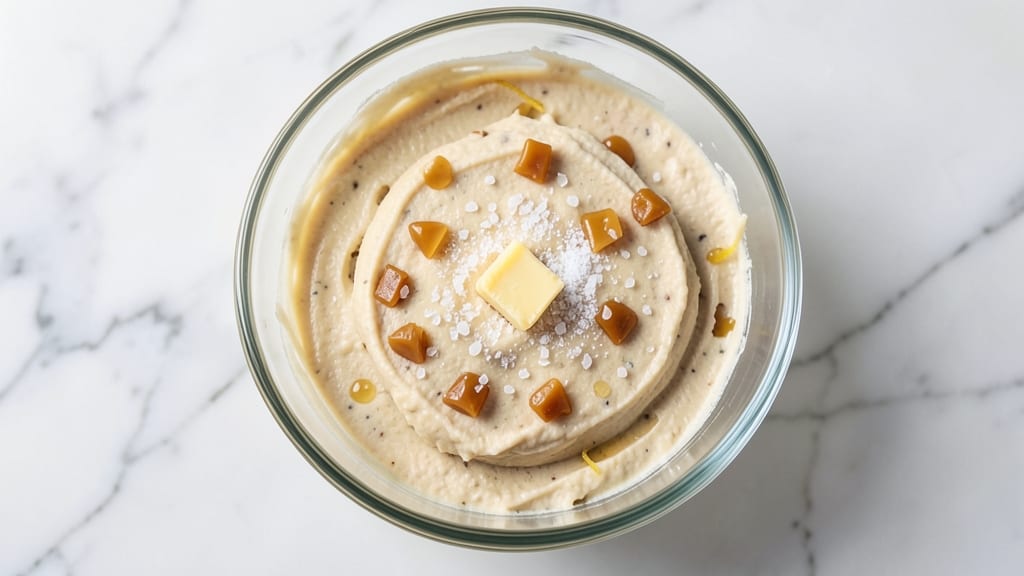
America’s Test Kitchen’s shortbread cookie recipe delivers the perfect balance of buttery crisp edges and melt-in-your-mouth tenderness—a result of precise techniques and exact measurements. The secret lies in cold butter and proper dough handling, ensuring every cookie turns out flawlessly.
This isn’t just a recipe; it’s a method that transforms simple ingredients into a dessert with restaurant-quality texture.
What sets this recipe apart is the focus on texture—cold butter prevents greasiness, while chilling the dough before cutting guarantees clean edges. America’s Test Kitchen’s approach emphasizes oven calibration and even baking, so you won’t end up with uneven results.
The dough is simple: just butter, sugar, and flour, but the technique makes all the difference.
By the time these cookies emerge from the oven, you’ll have golden, crisp-edged cookies with a tender interior that practically dissolves on your tongue. The buttery flavor is rich but not overpowering, and the texture is consistent from bite to bite.
This is the kind of dessert that elevates any occasion—whether you’re serving a crowd or treating yourself to a simple indulgence.
Store them properly, and they’ll stay fresh for days, making them perfect for gifting or meal prep. Let’s get started on a batch that’ll impress even the most discerning cookie lovers.
Ingredients for america's test kitchen shortbread cookie
Five ingredients transform into restaurant-quality shortbread with perfect crisp edges and tender centers.
| Ingredient | Amount | Notes |
|---|---|---|
| Unsalted Butter 🧈 | 1 lb | Cold, cubed for even baking |
| Granulated Sugar 🍚 | ½ cup | Superfine preferred for smooth texture |
| All-Purpose Flour 🌾 | 2 cups | Sifted for lightness, no substitutions |
| Diamond Crystal Kosher Salt 🧂 | ½ tsp | For balanced flavor |
| Vanilla Extract 🌸 | ½ tsp | Pure vanilla for authentic flavor |
The unsalted butter is non-negotiable—it must be cold and cubed before mixing to prevent greasiness and ensure those signature crisp edges. European-style butter (like Plugrá) has higher fat content, ideal for this recipe, but any high-quality unsalted butter works. Chill your mixing bowl and utensils beforehand to maintain proper temperature. The granulated sugar should be superfine for a smoother texture, though granulated works in a pinch if pulsed briefly in a food processor. King Arthur Flour or Bread Sifter's Choice are excellent for consistent results, but any all-purpose flour will suffice if sifted thoroughly.
No vanilla extract? Almond extract at half the amount adds depth without overpowering. For a sugar swap, confectioners' sugar can replace granulated at a 1:1 ratio, but texture may vary slightly. Diamond Crystal kosher salt is preferred for its fine grain and consistent measurement—Morton's works but may require slight adjustment. If your butter isn't cold enough, place the dough in the fridge for 15-20 minutes before cutting. The dough should hold shape when pressed but still be pliable; if too sticky, chill longer. Pre-measure all ingredients precisely—this recipe demands exactness for optimal results.
Wrapped in parchment and stored in an airtight container, these cookies stay fresh for up to 5 days at room temperature. For longer storage, freeze portions on a parchment-lined tray before transferring to a sealed bag—up to 3 months. Reheat in a 350°F oven for 2-3 minutes to restore crispness. The butter content makes them perfect for gifting; package in cellophane bags with ribbon for an elegant touch. Bake only half the dough at a time to prevent overcrowding, ensuring even golden edges every time.
Why You'll Love This Recipe
- Four-Hand Mix: I swear by this method—just butter, sugar, and flour tossed together with my fingers. No food processor, no fuss, and no risk of overworking the dough. It’s the kind of recipe that lets you multitask while the kids beg for a taste (and honestly, who can blame them?).
- Butter-Sugar Magic: That perfect balance of cold butter and sugar creates a cookie with a crisp edge and a melt-in-your-mouth center. The vanilla ties it all together without overpowering, and the Diamond Crystal salt? It’s the secret weapon that makes every bite taste like a bakery’s best-kept secret.
- Holiday or Snack Attack: These cookies are my go-to for holiday gifts, teacher appreciation gifts, or just because. They freeze beautifully, so I bake a batch in January and pull them out all year. (Yes, even on a Tuesday night when I need something effortless.)
- Pantry Staple Power: You already have everything—no weird ingredients or specialty trips to the store. A single batch costs me less than $3 and yields 24 cookies. That’s $0.13 per cookie, and they disappear faster than my willpower when I’m stressed.
Step-by-step instructions for america's Test Kitchen shortbread cookies
This method delivers the perfect balance of crisp edges and melt-in-your-mouth tenderness every time.
Cut the Cold Butter into the Sugar
Place the 1 lb unsalted butter, still cold from the refrigerator, in the bowl of a stand mixer fitted with the paddle attachment. Add the 0.5 cup granulated sugar and mix on low speed for 1 minute until the butter is broken into small, pea-sized pieces. This step is crucial—cold butter creates flaky layers while ensuring the cookies stay tender.
Use your fingers to press the butter pieces against the sides of the bowl to speed up the process. You want the butter to be evenly distributed throughout the sugar without melting completely. If the mixture starts to look too wet or the butter begins to soften too quickly, chill the bowl in the freezer for 5 minutes to restore the proper texture.
Add Flour, Salt, and Vanilla for a Light Dough
In a separate bowl, whisk together the 2 cups all-purpose flour, 0.5 tsp Diamond Crystal kosher salt, and 0.5 tsp vanilla extract until fully combined. With the mixer running on low speed, gradually add the flour mixture to the butter-sugar combination. Mix just until the dough comes together—about 30-45 seconds—being careful not to overwork it.
The dough should be soft and slightly sticky, but not wet. If it feels too dry, add 1-2 teaspoons of ice water to help bind it. Press the dough into a cohesive mass and divide it into two equal portions. Wrap each portion tightly in plastic wrap and refrigerate for at least 2 hours or up to 24 hours. This chilling step is non-negotiable—it ensures the butter stays firm and the cookies hold their shape during baking.
Roll and Cut the Chilled Dough
Preheat your oven to 325°F and line two baking sheets with parchment paper. Remove one portion of the chilled dough from the refrigerator and place it on a lightly floured surface. Roll the dough evenly into a ¼-inch thick rectangle, about 10x12 inches. Use a sharp knife or pizza cutter to trim the edges for clean lines, then cut the dough into 1-inch squares.
Transfer the cut squares to the prepared baking sheets, spacing them 1 inch apart. Repeat with the second portion of dough. The dough should hold its shape well at this point—if it feels too soft or starts to spread, return it to the refrigerator for 10-15 minutes before rolling again. This precision in shaping guarantees uniform baking and those coveted crisp edges.
Bake Until Golden and Set
Bake the cookies for 20-25 minutes, rotating the baking sheets halfway through, until the edges are deep golden brown and the centers look slightly underbaked. They should feel firm to the touch but still have a slight give in the middle. Overbaking is the enemy here—it turns shortbread dense instead of tender.
Remove the cookies from the oven and let them cool on the baking sheets for 5 minutes before transferring to a wire rack to cool completely. The contrast between the crisp, buttery edges and the melt-in-your-mouth centers develops during this cooling process. For the best texture, serve the cookies at room temperature, allowing the flavors to fully meld.
Pro Tips For Making America'S Test Kitchen Shortbread Cookie
- CHILL THE DOUGH: The recipe calls for resting the dough for 30 minutes, but I learned the hard way—this isn’t optional. After skipping it once, my cookies spread like pancakes and stayed dense. Pop it in the fridge, and you’ll get those signature crisp edges and tender centers every time.
- WEIGH THE FLOUR: Scooping flour from the bag is a recipe for disaster (yes, I’ve done it). This shortbread is all about texture, and even a tablespoon too much makes it tough. Use a kitchen scale for precision—140 grams of flour is non-negotiable for the right crumb.
- DON’T OVERMIX: The dough should come together with minimal effort—just until it holds. I used to knead it like bread dough, and the cookies turned out greasy and dense. Stop as soon as the flour is incorporated; the butter’s job is to coat the flour, not get worked into submission.
- BAKE UNTIL GOLDEN: The recipe says 12–15 minutes, but don’t pull them out at 12. Wait for the edges to turn a deep golden brown—almost like toasted honey. I’ve rushed it before, and the cookies stayed pale and chalky. A toothpick test works, but your nose will tell you when they’re done.
Perfect pairings for this america's test kitchen shortbread cookie
Classic Tea Pairings
Shortbread’s buttery richness pairs beautifully with Earl Grey tea—the bergamot’s citrus notes cut through the fat while complementing the vanilla. I recommend Harney & Sons or Twinings for a reliable, high-quality blend.
For a bolder contrast, try chai tea with its warm spices like cinnamon and cardamom, which echo the vanilla in the cookies. 🍵
Creamy Dessert Accompaniments
Serve with vanilla bean ice cream for a classic combination—the creamy texture contrasts the cookies’ crisp edges. For a lighter option, whipped cream or crème fraîche adds a tangy balance. I drizzle warm caramel sauce (like Smucker’s or homemade) for an extra touch of indulgence.
Coffee Pairings
A light roast coffee with floral or nutty notes enhances the shortbread’s buttery flavor without overpowering it. Try a pour-over with Lavazza SuperCrema or a cold brew for a refreshing contrast. For a dessert pairing, serve with espresso and a sprinkle of cocoa powder on top of the cookies. ☕
Seasonal Fruit Additions
In summer, add fresh berries like raspberries or blackberries—their tartness brightens the buttery sweetness. For winter, dried cranberries or orange zest add a festive touch. I also love pairing these with warm apple slices and a drizzle of honey for a cozy dessert. 🍎
Alcohol Elevations
Dip cookies in melted dark chocolate and pair with tawny port or sherry for a sophisticated dessert. For a lighter option, chilled sparkling wine like Prosecco cleanses the palate between bites.
A splash of bourbon in the dough (replace 1 tsp vanilla with bourbon) adds depth for a boozy twist. 🍷
Nutrition facts
Frequently asked questions
Why does America's Test Kitchen emphasize cold butter so much?
Cold butter is the secret to those signature crisp edges while keeping the centers tender. When butter melts too quickly, it creates greasy cookies instead of the perfect texture. Chilling the dough before cutting also prevents spreading during baking, ensuring clean shapes and even golden edges every time.
Can I substitute regular granulated sugar for superfine sugar?
Yes, but pulse ½ cup granulated sugar in a food processor for 10-15 seconds to break it down first. Superfine sugar dissolves faster, creating a smoother texture, but this quick fix works in a pinch. Just don't skip measuring—precision matters for that perfect balance of sweetness.
What if my dough feels too sticky after mixing?
This usually means the butter softened too much during mixing. Chill the dough for 15-20 minutes before rolling, or add 1 tablespoon ice water (1 tsp at a time) until it holds together. The dough should be pliable but not wet—overworking it will make the cookies tough.
How do I get perfectly even cookies?
Use a sharp knife or pizza cutter for clean cuts, and roll the dough to exactly ¼-inch thickness. Chill the dough between batches if needed, and space cookies 1 inch apart on the baking sheet. Bake only half the dough at a time to prevent overcrowding—the key to consistent results!
Can I make these cookies in advance?
The dough can chill in the fridge for up to 24 hours before rolling, and baked cookies stay fresh for 5 days at room temperature in an airtight container. For longer storage, freeze portions on parchment before transferring to a bag—thaw at room temperature for 30 minutes to restore crispness.