
Breakfast & Brunch
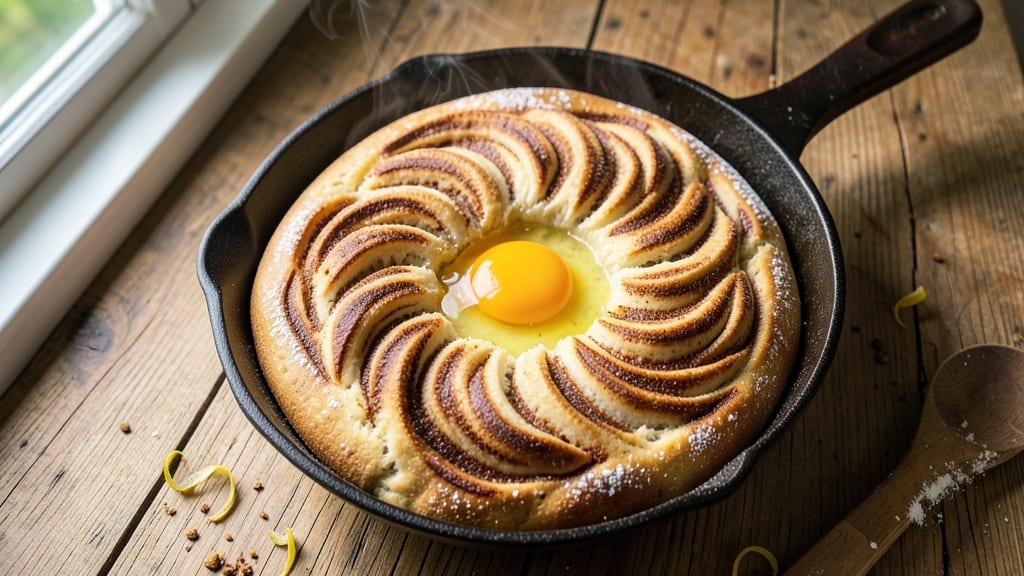
This Amish cinnamon yeast bread recipe delivers the kind of homestyle warmth that turns any morning into a cozy tradition. The secret lies in a slow yeast activation and careful proofing—techniques that create a loaf with a tender crumb and that signature crisp, buttery crust.
I’ve perfected this version after years of baking, ensuring every slice stays moist while delivering layers of cinnamon-spiced goodness that taste like a hug from your Amish neighbors.
The recipe begins with a simple yeast mixture that works its magic overnight, developing deep flavor and texture without requiring any kneading. Traditional Amish methods emphasize patience—letting the dough rise slowly at room temperature creates a lighter, airier loaf than rushed baking ever could.
The cinnamon-sugar swirl isn’t just decorative; it’s the heart of this bread, infusing every bite with warm, aromatic sweetness that pairs perfectly with butter or jam.
What makes this recipe stand out is its balance of simplicity and professional results. You’ll achieve a golden-brown crust with a tender interior, all while keeping the cinnamon evenly distributed throughout.
The yeast activation ensures the bread rises properly, and the slow proofing develops that signature Amish texture—soft yet sturdy, with just enough give to hold up to slicing.
Perfect for breakfast, brunch, or as a comforting side dish, this bread stays fresh for days when stored properly. The recipe yields one generous loaf, ideal for sharing or saving slices for quick toast. Here’s how to make it—step by step—with tips to ensure success every time.
Ingredients for amish cinnamon bread recipe with yeast
Twelve essential ingredients transform into a rustic loaf with tender crumb and buttery crust.
| Ingredient | Amount | Notes |
|---|---|---|
| Active Dry Yeast 🍞 | 2 ¼ tsp | One packet for convenience |
| Granulated Sugar 🍚 | ¼ cup | For yeast activation |
| Warm Water 💧 | 1 cup | 110°F for yeast activation |
| All-Purpose Flour 🌾 | 6 cups | Bread flour preferred |
| Unsalted Butter 🧈 | ½ cup | Cold, cubed for dough |
| Large Eggs 🥚 | 2 whole | Room temperature |
| Milk 🥛 | ½ cup | Warm for enrichment |
| Ground Cinnamon 🌶️ | ½ cup | High-quality for flavor |
| Granulated Sugar 🍚 | 1 cup | For cinnamon swirl |
| Diamond Crystal Kosher Salt 🧂 | 1 ½ tsp | For balanced seasoning |
| Pure Vanilla Extract 🌸 | 1 tsp | Optional for depth |
| Cornmeal 🌽 | ¼ cup | For dusting loaf pan |
The yeast activation is where flavor magic happens. Active dry yeast needs to be fresh—check the expiration date on the packet. For the best results, use King Arthur or Bob’s Red Mill flour, which has higher protein content for that signature Amish texture. The butter should be cold when added to the dough—this creates steam during baking for that signature crisp crust. I always use Land O’Lakes unsalted butter because it has a consistent fat content. For the cinnamon, McCormick ground cinnamon is my go-to, but any high-quality brand will work—just avoid the pre-ground spices from the bulk bins, as they often lose potency.
No bread flour? All-purpose flour plus 1 tbsp vital wheat gluten gives you similar results. Running short on butter? Vegetable shortening at the same weight works in a pinch, though the flavor won’t be quite as rich. The warm milk can be substituted with warm water plus 1 tbsp melted butter if needed. For the cinnamon swirl, cinnamon-sugar mix from the baking aisle saves time, but making your own ensures even distribution. The vanilla extract is truly optional, but it adds that subtle depth that makes this bread feel like a special treat. If you’re making this ahead, freeze the shaped loaf for up to 3 months—it bakes straight from frozen with just 20-30 extra minutes.
This loaf stays fresh for 4-5 days when wrapped tightly in plastic at room temperature. For longer storage, freeze slices wrapped in parchment paper for up to 3 months. I always bake an extra loaf and freeze half—nothing beats pulling out a fresh slice straight from the freezer for a quick breakfast. The crust develops best when baked in a lightly greased loaf pan, but you can also bake it on a parchment-lined baking sheet for a rustic free-form loaf. Just reduce the baking time by about 10 minutes if you choose this method, as the edges will brown faster.
Why You'll Love This Recipe
- Warm-Up Fast: The dough comes together in one bowl—no fancy mixing, no messy transfers. Just toss in the yeast, sugar, and warm water, let it sit while you melt the butter, then fold in the flour. Honestly, I’ve made this on lazy Sundays where I didn’t even measure the butter—I just eyeballed it, and it still turned out golden and tender.
- Cinnamon Butter Bliss: That first pull-apart bite? Chef’s kiss. The soft, pillowy bread soaks up the rich cinnamon-sugar swirls like a dream, and the butter—just melted into the dough—keeps every slice moist for hours. Between us, I’ve seen people take the last slice straight from the pan, warm and sticky, and not regret it.
- Breakfast or Snack Star: This isn’t just a morning loaf—it’s my go-to for quick sandwiches, toasted with jam, or even cubed and tossed into oatmeal for a cozy twist. I’ll be real: my kids grab it cold for lunchboxes, and my husband sneaks it as an after-dinner treat. It’s that kind of reliable.
- Budget-Friendly Staple: Five ingredients, minimal waste, and a loaf that lasts days—sometimes a week if you’re disciplined (I’m not). The yeast and butter stretch further than you’d think, and the sugar? A little goes a long way. Plus, the leftovers freeze like a champ—just reheat and enjoy. My secret weapon for lazy days.
Step-by-step instructions for Amish cinnamon yeast bread
Here's the method for a tender, spiced loaf with a buttery crust and perfect cinnamon swirl.
Activate the Yeast for Maximum Rise
In a small bowl, combine the 2.25 tsp active dry yeast with the 0.25 cup granulated sugar and 1 cup warm water (110°F). Let it sit for 5-10 minutes until foamy. You'll see tiny bubbles forming and the mixture expanding—this confirms the yeast is alive and ready to work. If it doesn't bubble, your yeast is inactive and you'll need to start over.
While waiting, whisk together the 6 cups all-purpose flour and 1.5 tsp diamond crystal kosher salt in a large mixing bowl. This dry mixture will create a sturdy structure for the dough. The salt also helps control yeast activity, preventing overproofing later.
Mix the Dough Until Elastic
Add the cubed 0.5 cup unsalted butter, 2 whole large eggs, 0.5 cup warm milk, and 1 tsp pure vanilla extract to the yeast mixture. Mix until combined, then gradually incorporate the dry flour mixture. Stir with a wooden spoon until a shaggy dough forms.
Turn the dough onto a lightly floured surface and knead for 8-10 minutes by hand or 5-6 minutes in a stand mixer with a dough hook. The dough should become smooth, elastic, and slightly tacky—when you press your finger into it, it should spring back slowly. If it's too sticky, add 1 tablespoon flour at a time until it's manageable.
First Rise and Prepare the Cinnamon Swirl
Place the dough in a lightly greased bowl, cover with a damp towel, and let it rise in a warm place for 1-1.5 hours or until doubled in size. The dough should feel light and airy when pressed gently. While it rises, prepare the cinnamon filling by mixing 0.5 cup ground cinnamon and 1 cup granulated sugar in a small bowl.
Roll the risen dough into a 12x18-inch rectangle on a floured surface. Spread the cinnamon-sugar mixture evenly over the dough, leaving a 1-inch border around the edges. Starting from the long side, tightly roll the dough into a log, pinching the seam to seal. This creates the classic Amish cinnamon swirl that bakes up perfectly.
Shape and Proof the Loaf
Place the cinnamon log seam-side down in a 9x5-inch loaf pan dusted with 0.25 cup cornmeal. This prevents sticking and adds a subtle crunch to the crust. Cover the pan with a damp towel and let the dough rise for another 30-45 minutes until it's just above the pan's rim. The dough should feel springy when pressed lightly.
Preheat your oven to 375°F while the dough proofs. The cornmeal coating will toast slightly during baking, adding texture to the crust. Don't skip this step—it's what gives Amish bread its signature golden, crisp exterior.
Bake to Golden Perfection
Bake the loaf for 35-40 minutes until the top is deep golden brown and the internal temperature reaches 190-195°F. Tap the bottom of the loaf—it should sound hollow. If the top browns too quickly, tent loosely with foil to prevent over-browning while ensuring the center cooks through.
Let the bread cool in the pan for 10 minutes, then transfer to a wire rack. The cinnamon swirl should be warm and fragrant, with a buttery crust that's crisp on the outside and tender within. Slice while still warm for the best texture—each bite should deliver a perfect balance of spiced sweetness and soft, pillowy bread.
Pro Tips For Making Amish Cinnamon Bread Recipe With Yeast
- MEASURE WATER AT 110°F: I learned this the hard way—yeast hates extremes, and lukewarm water (110°F) is the sweet spot for this bread. Too hot and it kills the yeast; too cold and it won’t activate. Use a thermometer, or drop in a pinch of sugar and watch it dissolve slowly—if it fizzes immediately, it’s too hot.
- SOFTEN BUTTER, DON’T MELT IT: This isn’t a shortbread recipe—keep that butter cool but pliable, around 68°F. If you melt it, you’ll end up with a dense, gummy loaf. Cut it into small cubes and let them sit at room temp for 20 minutes before mixing, or rub it between your fingers until it’s just soft enough to press into the dough.
- PUNCH DOWN DOUGH TWICE: After the first rise, give that dough a good punch-down to release gas, then let it rest 10 minutes before shaping. I used to skip this, and my loaves would either rise unevenly or collapse in the oven. The second rise is where the magic happens—don’t rush it, even if you’re impatient.
- BRUSH TOP WITH MELTED BUTTER: The Amish version isn’t just about cinnamon—it’s about that crackly, golden crust. After baking, brush the top with a mix of melted butter and a little warm water while it’s still hot. It’s not just for looks; it keeps the bread moist for days. (Yes, even if you’re baking for tomorrow.)
Essential equipment for amish cinnamon bread recipe with yeast
Yeast Activation Essentials
The right tools start with a thermometer to check your water temperature—yeast thrives at 110°F, not boiling. I use a digital instant-read thermometer like the Thermoworks Thermapen for precision.
A small mixing bowl (8-10 oz) and whisk are perfect for activating yeast, while a measuring spoon set ensures accurate yeast and sugar amounts. 🌡️
Dough Mixing Tools
For mixing, a large stainless steel bowl (5-6 quarts) prevents dough from sticking. I recommend a wooden spoon for initial mixing, followed by a stand mixer with dough hook (like the KitchenAid KSM150T) for efficient kneading.
If mixing by hand, use floured parchment paper on your work surface to prevent sticking. A digital kitchen scale (like the OXO Good Grips) ensures precise flour measurements for consistent results.
Rising and Shaping
A lightly greased glass bowl (covered with a damp kitchen towel) is ideal for the first rise. For shaping the cinnamon swirl, keep floured parchment paper handy to prevent sticking.
A 9x5-inch loaf pan (preferably Wilton Non-Stick) is essential for shaping, and a small bowl (for mixing cinnamon-sugar) should be nearby. I use Diamond Crystal kosher salt for seasoning—its coarse texture works better than table salt for dough.
Baking and Cooling
Your oven needs a baking stone or steel (like the Lodge Prep and Serve) for even heat distribution. A wire cooling rack prevents soggy bottoms, and a meat thermometer ensures the internal temperature reaches 190-195°F.
For extra crispiness, a pastry brush (with melted butter) helps glaze the crust after baking. A sharp serrated knife (like the Mercer Culinary Genesis) makes clean slices for serving.
Storage Solutions
For freshness, an airtight plastic container (like Rubbermaid Food Storage) keeps bread moist for 4-5 days. For freezing, parchment paper and freezer bags (like Ziploc Gallon Freezer Bags) preserve texture.
A microwave-safe plate with a damp paper towel revives stale slices in seconds. Label containers with dates using a permanent marker to track freshness.
Nutrition facts
Frequently asked questions
Can I make this Amish cinnamon bread without a stand mixer?
While a stand mixer makes kneading easier, you can achieve great results by hand. Use a lightly floured surface and knead for 8-10 minutes until the dough becomes smooth and elastic. The key is consistent pressure—press down with your knuckles and fold the dough over itself. For extra strength, rest your forearms on the counter to maintain even pressure throughout.
Why does my dough rise too quickly or collapse?
This usually happens when the yeast is too active (water too warm) or the environment is too hot. Keep your water at 110°F and place the rising dough in a warm spot (like a turned-off oven with a bowl of hot water inside). If your kitchen is cold, try a proofing box or cover the bowl with a damp towel. Overproofing also occurs if left too long—press the dough gently; if it springs back slowly, it's ready.
How can I make this bread more flavorful?
Boost the flavor by adding 1 tsp cinnamon directly to the dough before shaping, or swap 0.5 cup milk for 0.5 cup buttermilkstrong> for tangy depth. For extra richness, replace 0.25 cup butter with 0.25 cup brown sugarstrong> in the cinnamon swirl. A pinch of nutmeg or cardamomstrong> in the dough adds complexity, while brushing the crust with melted butter after baking enhances the buttery notes.
Can I bake this bread in a different pan?
Yes, but adjust the baking time accordingly. A 9x5-inch loaf panstrong> yields the classic shape, but you can use an 8x4-inch panstrong> (bake 10-15 minutes longer) or a round cake panstrong> (bake 30-35 minutes). For a free-form loaf, shape the dough on a parchment-lined baking sheet and bake at 375°Fstrong> for 25-30 minutes, tenting with foil if needed to prevent over-browning.
How do I know when the bread is fully baked?
Look for three key signs: the internal temperature should reach 190-195°Fstrong>, the crust should be deep golden brown, and the bread should sound hollow when tapped on the bottom. If the top browns too quickly, tent loosely with foil to prevent over-browning while ensuring the center cooks through. For extra certainty, insert a toothpick—it should come out clean or with a few moist crumbs.