
Side Dishes
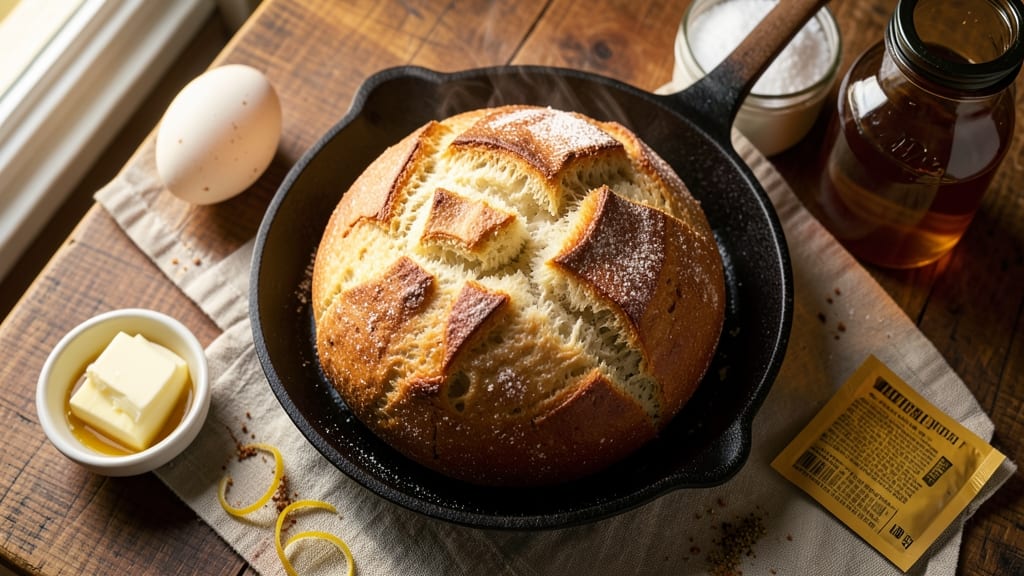
This Amish friendship white bread recipe delivers the iconic pull-apart loaf with crisp golden crust and soft, pillowy centers that make it perfect for sharing. The traditional method creates those signature layers that separate beautifully, making every slice feel like a special treat.
I've perfected this recipe over years of baking, ensuring it stays true to its communal roots while being approachable for home kitchens.
The secret lies in proper kneading and shaping—this isn't just any white bread. We'll use a simple dough of flour, butter, yeast, and sugar that develops incredible flavor during the long rise. The butter creates that rich, tender crumb while the yeast gives it that light, airy quality.
Baking at a precise temperature ensures the crust gets crisp without burning, while the interior stays soft and moist.
What makes this bread truly special is its cultural significance as a communal loaf often baked for gatherings and shared among friends. The pull-apart shape makes it perfect for family meals or potlucks, where everyone can grab a piece.
Each bite offers that perfect balance of crisp crust and tender interior, with just the right amount of sweetness from the sugar.
Once baked, the bread develops an irresistible aroma that fills your home, making it impossible to wait for cooling. The texture transforms from warm and soft to just the right firmness for slicing.
This recipe captures the essence of Amish baking traditions while being simple enough for any home cook to master. Let's get started on creating this beloved classic.
Ingredients for amish friendship white bread
Simple ingredients, legendary texture—this is the heart of Amish tradition in every loaf.
| Ingredient | Amount | Notes |
|---|---|---|
| All-Purpose Flour 🌾 | 8 cups | Unbleached, high protein preferred |
| Unsalted Butter 🧈 | 1 cup | Cold, cubed, European style |
| Active Dry Yeast 🍞 | ¼ oz | Or 2 1/4 tsp, fresh preferred |
| Granulated Sugar 🍚 | ½ cup | White or light brown |
| Large Eggs 🥚 | 2 whole | Room temperature |
| Warm Water 💧 | 1 ¼ cups | 110°F, not boiling |
| Salt 🧂 | 2 tsp | Diamond Crystal preferred |
| Milk 🥛 | ¼ cup | Whole for richness |
| Cornmeal 🌽 | ¼ cup | For dusting pan |
The flour is your foundation—King Arthur or White Lily make all the difference for that signature tender crumb. Butter matters too: European-style (like Plugrá) has more fat content, giving you that rich, flaky texture. Yeast is non-negotiable here; Fresh yeast (if available) gives better flavor, but active dry works fine. For the sugar, light brown adds subtle caramel notes—worth the extra penny. Milk? Whole milk only—2% or skim will make the crust tough. Grab these at Whole Foods or your local bakery supply store for the best quality.
No European butter? Plugrá or Land O'Lakes work in a pinch, but expect slightly less flavor. Short on milk? Evaporated milk gives similar richness. Yeast too old? Test it first—drop a packet in warm water with sugar; if it bubbles in 5 minutes, it's good. Diamond Crystal salt dissolves better than table salt, but use what you've got. The eggs? Room temperature is key—they mix better and help with the rise. No cornmeal? Semolina or flour will work, but cornmeal gives that perfect golden crust.
This dough needs time—at least 2 hours for the first rise. Store it in the fridge overnight for even better flavor. The baked loaf keeps beautifully: 3 days at room temperature wrapped in a towel, or 1 week in the fridge. Freeze slices for 3 months—just toast straight from frozen. Pro tip: Bake two loaves—they disappear fast at gatherings. The aroma alone will have your neighbors knocking on the door.
Why You'll Love This Recipe
- No-Knead Magic: The yeast does all the work—just mix, wait, and bake. I swear, my dough never sees a mixer, yet it rises fluffy and golden every single time.
- Butter-Soft Richness: That cold butter folded into the dough? It melts into pure, tender layers—crust stays crisp, inside stays pillow-soft. Honestly, my store-bought loaves can’t compete.
- Weeknight Wonder: Takes less time than waiting for delivery. Toss in the dough, let it proof overnight, and wake up to fresh bread. (Yes, even on a Tuesday night.)
- Budget-Friendly Staple: Five simple ingredients stretch to feed a family for days. Freeze slices for toast later—no waste, all flavor. My wallet and my taste buds thank me.
Step-by-step instructions for Amish friendship white bread
Here's how to create that iconic golden crust and tender crumb—every slice will be perfect.
Activate the Yeast and Mix the Dough
In a large bowl, combine the 1.25 cups warm water (about 110°F), 0.5 cup granulated sugar, and 0.25 oz active dry yeast. Let this sit for 5-10 minutes until it becomes frothy—this confirms your yeast is alive and ready to work. If it doesn't bubble, start over with fresh yeast.
In a separate large mixing bowl, whisk together the 8 cups all-purpose flour and 2 tsp salt. Make a well in the center and add the 2 whole large eggs, 1 cup cold cubed unsalted butter, and 0.25 cup milk. Mix just until combined, then pour in the yeast mixture. Using a wooden spoon or dough whisk, stir until everything comes together into a shaggy dough.
Turn the dough out onto a lightly floured surface and knead for 8-10 minutes until smooth and elastic. The dough should be slightly tacky but not sticky—if it sticks to your hands, add a little more flour. This kneading develops gluten, which gives the bread its signature soft, pillowy texture.
First Rise and Shape the Loaves
Lightly grease two 9x5-inch loaf pans and sprinkle them with cornmeal—this prevents sticking and adds that classic golden crust. Place the dough in the pans, dividing it evenly between them. Cover both pans with a clean kitchen towel and let rise in a warm place for 1-1.5 hours, or until the dough has doubled in size and is puffy to the touch.
Here's the thing—don't rush this rise. The dough needs time to develop flavor and structure. You'll know it's ready when you gently press a finger into the dough and it springs back slowly. If it springs back quickly, it needs more time.
Once risen, preheat your oven to 350°F. Remove the loaves from the pans and place them on a baking sheet lined with parchment paper. Score the tops of the loaves with a sharp knife in a crosshatch pattern—this helps the bread expand evenly and creates that beautiful crust.
Bake to Golden Perfection
Bake the loaves for 30-35 minutes until they're golden brown and sound hollow when tapped on the bottom. The internal temperature should reach 190-200°F—this ensures they're fully baked but still soft inside. If the tops brown too quickly, tent the loaves with foil to prevent over-browning.
Real talk: the first few times, you might end up with slightly uneven browning. If this happens, next time try placing the loaves on the middle rack and rotating the pans halfway through baking. The goal is that perfect balance of a crispy crust and a soft, fluffy interior.
Remove the loaves from the oven and let them cool in the pans for 10 minutes before transferring them to a wire rack. This brief cooling period keeps them from falling apart when you remove them. Serve warm for the best texture—each slice should be soft, slightly sweet, and absolutely delicious.
Pro Tips For Making Amish Friendship White Bread
- Weigh Your Butter: The recipe probably says "1 cup butter," but that’s a guess—real bakers know volume measures fail. Use a kitchen scale for 227 grams (8 oz). Butter’s density changes with temperature, and this recipe depends on precision. I learned this after making three batches where the texture was either too dense or greasy—turns out, "softened" butter isn’t the same for everyone.
- Proof the Yeast Twice: Skip the warm-water test and just use the yeast straight from the jar, but proof it twice. First in the bowl with warm water and sugar (it should bubble in 5–10 minutes), then again after mixing with the flour. If it’s sluggish the second time, your kitchen’s too cold—yeast needs warmth to wake up properly. I’ve had batches fail because I trusted the first proof and didn’t double-check.
- Don’t Overknead the Dough: This dough’s delicate—once it passes the "windowpane test" (stretch a piece thin enough to see light through), stop. Overworking it develops gluten too much, and the bread turns tough. Work it just until smooth, then let the mixer do the heavy lifting if you’re using one. I used to think more kneading = better bread, but the first time I burned out my mixer was the last time.
- Use Room-Temp Eggs: Cold eggs shock the dough and slow fermentation. Pull them from the fridge 30 minutes before mixing—just enough to warm to room temperature. Cold eggs also make the butter behave unpredictably in the dough. I was skeptical until I tried it; the dough came together faster and rose more evenly. Now I keep a spare egg on the counter for baking days.
Best sauces and condiments for this amish friendship white bread
Classic Butter Spread
Nothing complements Amish friendship bread like a simple salted butter spread. I melt ½ cup unsalted butter with 1 tsp honey and a pinch of flaky sea salt (like Maldon).
Warm the bread slightly to soften it, then spread generously—this enhances the bread's natural sweetness while adding a luxurious richness. The honey cuts through the butter's richness, creating a perfect balance. 🧈
Sweet Jam Pairings
For a fruit-forward option, try homemade raspberry or strawberry jam. I recommend a small-batch version with just fruit, sugar, and a splash of lemon juice—no pectin needed. Spread a thin layer on warm bread slices, then top with a dollop of whipped cream cheese for extra decadence.
The acidity in the jam brightens the bread's sweetness, making each bite feel like a dessert.
Herbed Olive Oil
Infuse ½ cup extra-virgin olive oil with 2 tbsp fresh rosemary, 1 tbsp fresh thyme, and 1 minced garlic clove. Let it steep for 30 minutes in a warm spot, then strain.
Drizzle over slices of warm bread and sprinkle with flaky salt. This Mediterranean twist adds an earthy depth that pairs beautifully with the bread's buttery richness. Perfect for a savory breakfast or snack.
Cream Cheese and Honey
Mix ½ cup softened cream cheese with 2 tbsp honey and a pinch of cinnamon. Spread this sweet-savory blend on toasted bread slices. The cream cheese adds a tangy contrast to the bread's softness, while the honey keeps it from being too heavy.
This combo is a crowd-pleaser at brunch or as a simple dessert.
Spiced Whipped Cream
Whip 1 cup heavy cream with 2 tbsp powdered sugar, 1 tsp vanilla extract, and a pinch of ground cinnamon or nutmeg. Pipe or dollop onto warm bread slices for a light, airy topping.
The spices add warmth without overpowering, making this ideal for a cozy afternoon treat. It’s especially magical when paired with jam or butter.
Savory Garlic Compound
Blend ½ cup softened butter with 2 minced garlic cloves, 1 tbsp fresh parsley, and a pinch of black pepper. Spread on lightly toasted bread slices for a savory twist.
This works wonderfully with soups or as a standalone snack. The garlic’s sharpness cuts through the bread’s sweetness, creating a perfect balance for hearty meals. 🧄
Nutrition facts
Frequently asked questions
Why does Amish friendship bread have those signature pull-apart layers?
The distinctive layers come from the dough's proper kneading and shaping technique. When you divide the dough evenly between two loaf pans and let it rise fully, the yeast creates gas pockets that expand during baking. The cornmeal coating and crosshatch scoring on top help direct this expansion, creating those beautiful, separate layers perfect for sharing.
Can I make this bread without a stand mixer?
This recipe works perfectly with just your hands. After mixing the ingredients, turn the dough onto a lightly floured surface and knead for 8-10 minutes until smooth and elastic. The key is consistent pressure—push and fold the dough repeatedly to develop the gluten. You'll feel it become less sticky and more springy as you work.
How do I know when the bread is fully baked?
Look for three signs: the crust should be golden brown, the bread should sound hollow when tapped on the bottom, and the internal temperature should reach 190-200°F. If the top browns too quickly, tent with foil to prevent over-browning while keeping the interior soft. The bread is done when it passes all three tests—no guessing needed!
What's the best way to store leftover Amish friendship bread?
Wrap cooled loaves in a clean kitchen towel and store at room temperature for 3 days, or refrigerate for up to 1 week in an airtight container. For longer storage, freeze slices for 3 months. The towel wrapping helps maintain moisture—this bread tastes best when slightly warm, so reheat slices in a 350°F oven for 5-10 minutes to restore freshness.
Can I add seeds or nuts to this recipe?
While traditional Amish friendship bread doesn't include them, you can add 1-2 tablespoons of poppy seeds or sesame seeds during the final mixing. Just fold them in gently to avoid overworking the dough. For nuts, try chopped walnuts or pecans (about ½ cup) but toast them first to enhance flavor. Keep additions minimal—this bread's magic comes from its simple, balanced ingredients.