
Side Dishes
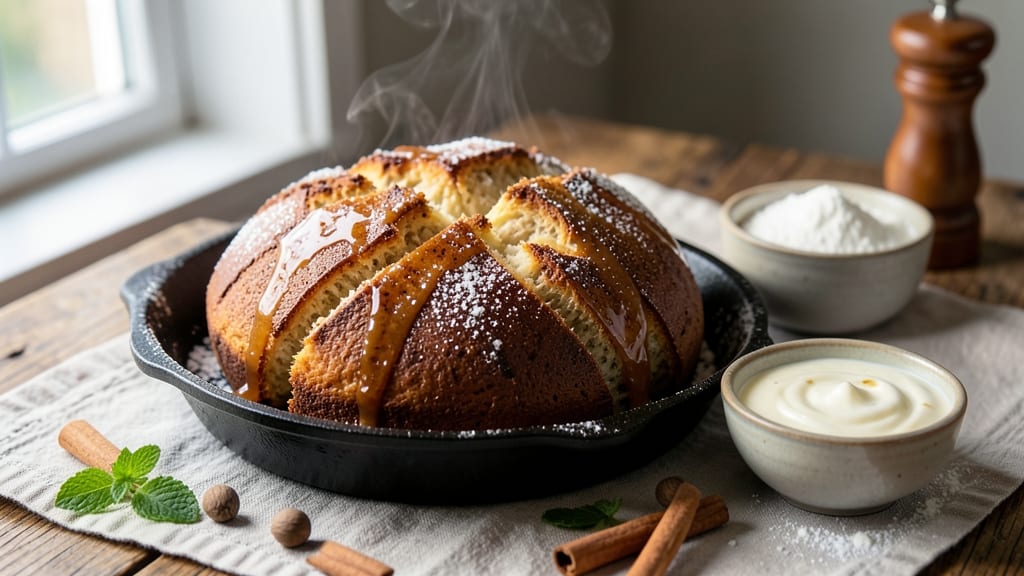
This Amish sweet bread starter recipe delivers the same comforting, spiced warmth that's been a tradition in Pennsylvania farmhouses for generations. The secret lies in a simple milk starter that develops depth over time, creating a tender crumb and subtle cinnamon notes without yeast.
I first discovered this method while visiting an Amish community where they shared their foolproof technique for achieving that signature light, fluffy texture.
The beauty of this recipe is its simplicity—just milk, flour, and a pinch of salt create the starter, which you'll use to build the dough. Unlike traditional yeast breads, this version relies on natural fermentation for a slower rise that develops complex flavors.
The dough comes together with basic pantry staples but transforms into something extraordinary when baked, with a golden crust and tender interior that practically melts in your mouth.
What makes this bread truly special is its versatility—perfect for breakfast with butter, as a side with ham, or even as a dessert when drizzled with honey. The warm spices (like cinnamon and nutmeg) create that classic Amish flavor profile without overwhelming the bread's natural sweetness.
Whether you're baking for a family gathering or simply craving a taste of tradition, this recipe delivers restaurant-quality results at home.
With just a few simple steps and patience for the starter to develop, you'll create bread that tastes like a hug from someone's kitchen table. The process is straightforward, but the reward is a loaf that's worth every minute of waiting.
Let's get started on making this timeless recipe your own.
Ingredients for amish sweet bread starter
Milk, flour, and warm spices create this timeless Amish bread starter with no yeast needed.
| Ingredient | Amount | Notes |
|---|---|---|
| Whole Milk 🥛 | 1 cup | Room temperature preferred |
| All-Purpose Flour 🌾 | 1 cup | White or bread flour works |
| Granulated Sugar 🍚 | 1 tbsp | For subtle sweetness |
| Ground Cinnamon 🌿 | ½ tsp | Warm spice essential |
| Ground Nutmeg 🌿 | ¼ tsp | Freshly grated preferred |
| Kosher Salt 🧂 | ½ tsp | Diamond Crystal preferred |
| Unsalted Butter 🧈 | 2 tbsp | Softened for dough |
| Large Egg 🥚 | 1 whole | Room temperature |
| Vanilla Extract 🍯 | ½ tsp | Pure vanilla preferred |
| Active Dry Yeast 🍞 | ¼ tsp | Optional for extra rise |
| Baking Powder 🧂 | ½ tsp | For tender crumb |
| Honey 🍯 | 1 tbsp | For golden crust |
The milk starter is the heart of this recipe—whole milk delivers the best flavor, but 2% works in a pinch. For the flour, King Arthur or Bob's Red Mill are reliable choices, but any all-purpose will do. The spices? Penzeys or bulk bins for the freshest ground cinnamon and nutmeg—those pre-ground spices in tiny jars lose potency fast. If you're feeling adventurous, toast the spices in a dry pan for 30 seconds before mixing to deepen their aroma. The butter should be soft but not melted—press it with your finger to test. For the egg, room temperature ensures even incorporation into the dough.
No vanilla extract? Vanilla bean paste or even a splash of vanilla sugar works. Short on honey? Maple syrup or light corn syrup gives a similar sweetness. The optional yeast is for those who want extra rise—skip it for a more traditional Amish-style loaf. For the baking powder, Aluminum-free is best—it won't leave a metallic aftertaste. If you're making this ahead, the starter can be refrigerated for up to 48 hours before using, though room temperature works best for the initial fermentation. The dough will be sticky, so don't fight it—just wet your hands and keep going.
Once mixed, the starter needs 8-12 hours at room temperature to develop its signature tang. Keep it in a warm spot—near the oven with the light on works well. The dough keeps for 2 days in the fridge if wrapped tightly in plastic, or 3 months frozen for quick bread days. For best results, let the dough come to room temperature before baking. The loaf reheats beautifully—wrap in foil and warm in a 350°F oven for 10 minutes to restore its softness.
Why You'll Love This Recipe
- Here’s what sold me: this starter doubles as a quick breakfast loaf or a showstopper for company. Toss it into a cast-iron skillet for a rustic bread, or shape it into cinnamon rolls—same dough, endless possibilities. I’ve used it for brunch, potlucks, and even as a side for chili. It’s my secret weapon for lazy mornings and last-minute guests.
- No-Yeast Hassle: I’ll admit—yeast-free dough is a game-changer for me. Just mix whole milk, flour, sugar, and those warm spices (cinnamon and nutmeg), let it sit overnight, and wake up to a ready-to-bake starter. No waiting for yeast to bloom, no measuring tiny amounts of active dry yeast—just straightforward, foolproof dough that’s always perfect.
- Spiced Comfort in Every Bite: That first whiff of cinnamon and nutmeg steeping into the milk? Pure nostalgia. The dough develops a subtle, cozy sweetness that’s not cloying—just rich and homey, like a hug from your grandma’s kitchen. (Yes, even on a Tuesday night.)
- Weekend Baking Made Easy: Here’s what sold me: this starter doubles as a quick breakfast loaf or a showstopper for company. Toss it into a cast-iron skillet for a rustic bread, or shape it into cinnamon rolls—same dough, endless possibilities. I’ve used it for brunch, potlucks, and even as a side for chili. It’s my secret weapon for lazy mornings and last-minute guests.
Step-by-step instructions for Amish sweet bread
This recipe delivers a tender, spice-infused loaf with a golden crust and moist interior.
Prepare the Warm Milk Mixture
In a small saucepan, combine the 1 cup whole milk and 1 tbsp granulated sugar. Warm over medium-low heat until the mixture reaches 110°F—just warm to the touch, not hot. Remove from heat and stir in the 0.5 tsp vanilla extract and 0.25 tsp active dry yeast (if using). Let sit for 5-10 minutes until slightly foamy. This activates the yeast and infuses the milk with sweetness.
Watch for small bubbles forming on the surface—this confirms the yeast is active. If you're skipping yeast, simply omit this step and proceed with cooled milk. The warm milk creates a tender crumb while the sugar enhances the warm spice flavors.
Mix the Dry Ingredients
In a large mixing bowl, whisk together the 1 cup all-purpose flour, 0.5 tsp baking powder, 0.5 tsp kosher salt, 0.5 tsp ground cinnamon, and 0.25 tsp ground nutmeg. Sift if your flour is lumpy to ensure even distribution. This dry blend forms the structural base of your bread—don't skip sifting, as it prevents dense pockets in the final loaf.
Make a well in the center and pour in the 1 whole large egg and the 2 tbsp softened unsalted butter. Mix with a wooden spoon until the butter is fully incorporated and the mixture resembles coarse crumbs. The butter adds richness while keeping the texture tender.
Combine Wet and Dry Ingredients
Gradually pour the warm milk mixture into the dry ingredients while stirring continuously. Mix until a shaggy dough forms—it should pull away from the sides of the bowl. If the dough feels too sticky, add 1-2 tablespoons more flour to achieve workable consistency. This step builds the gluten structure that gives the bread its rise.
Transfer the dough to a lightly floured surface and knead gently for 3-4 minutes until smooth and elastic. You're not developing gluten like traditional bread—just enough to create a cohesive mass. The warm spices and honey will carry the flavor profile.
Shape and Prove the Dough
Shape the dough into a round loaf about 8 inches in diameter and place it in a greased 9-inch round cake pan. Cover with a damp towel and let rise in a warm place for 1-1.5 hours until nearly doubled in size. The dough should spring back slowly when pressed gently with a finger—this confirms proper proofing.
For best results, place the pan in a 250°F oven for 5 minutes to create a warm, humid environment. This proofing step develops the bread's signature tender crumb. If using yeast, the rise will be more pronounced; without yeast, the baking powder will create gentle lift.
Bake to Golden Perfection
Preheat your oven to 350°F. Brush the risen dough with 1 tbsp honey and sprinkle lightly with additional ground cinnamon if desired. Bake for 35-40 minutes until the top is deep golden brown and a toothpick inserted comes out clean. The interior should be moist but fully baked through.
Remove from the oven and let cool in the pan for 10 minutes before transferring to a wire rack. The bread will firm up as it cools, making slicing easier. Serve warm with butter or jam for the ultimate Amish-style treat.
Pro Tips For Making Amish Sweet Bread Starter
- Mix by Hand First: Skip the mixer for the initial dough—your arms will thank you later. The starter’s texture is delicate, and electric beaters can overwork it before the flour fully hydrates. Once the dough thickens (about 3-4 minutes), switch to the mixer on low to avoid gluten overdevelopment.
- Use Warm Milk: I learned this the hard way—cold milk makes a gummy starter. Heat the whole milk to about 90°F (just warm to the touch) before mixing. It helps the flour absorb faster and creates a smoother, more cohesive dough from the start.
- Don’t Overmix the Spices: The cinnamon and nutmeg are potent—resist the urge to add extra. Sift them together first, then fold them into the dough in two parts. Overdoing it turns your sweet bread into a dessert, not a breakfast staple.
- Let It Rest Overnight: This isn’t optional. Cover the dough and refrigerate it for at least 8 hours (or up to 24)—yes, even if you’re impatient. The flavors meld, the texture improves, and you’ll avoid that dense, chewy result that ruins everything.
Troubleshooting your amish sweet bread starter
Starter Too Thin?
If your milk starter looks thin or flat after 8-12 hours, it needs more fermentation time or warmth. Place the covered jar near your oven with the light on (about 80°F) to speed up development.
I’ve found that adding ½ tsp more sugar can also encourage activity—just don’t overdo it, or the bread will taste overly sweet. 🌡️
Dough Not Rising?
For a yeast-free rise, check your baking powder’s freshness—old powder loses lift. Replace with 1 tsp fresh baking powder and ensure your oven is at 250°F for the 5-minute proofing boost.
If using yeast, test it first by mixing ½ tsp yeast with ¼ cup warm milk and 1 tsp sugar—it should foam in 5-10 minutes. If not, your yeast is dead. ⚡
Bread Too Dense?
Overmixing or skipping the proofing step causes dense bread. Knead gently for just 3-4 minutes—this builds just enough gluten for structure. Let the dough rise until it springs back slowly when pressed (not fast).
Also, ensure your oven thermostat is accurate—many run 25°F hotter than set. Use an oven thermometer to confirm 350°F is correct. 💡
Crust Too Pale?
A pale crust means the bread needs more time or a better finish. Brush with 1 tbsp melted butter instead of honey for a richer color, or sprinkle ½ tsp cinnamon sugar right before baking.
For even browning, tent the pan with foil if the top browns too fast. I’ve also had success placing a metal tray under the pan to reflect heat upward. 🌟
Starter Smells Sour?
A slightly tangy aroma is normal—this indicates fermentation. But if it smells sharp or rotten, discard it and start fresh. Over-fermented starter can make your bread taste vinegary.
For extra safety, refrigerate the starter overnight after mixing to slow fermentation, then bring it to room temp before using. This balances acidity for a milder flavor. 🍯
Dough Sticks to Pan?
Grease your pan thoroughly with butter or oil, then dust with flour. For extra insurance, line the pan with parchment paper cut to fit. If the dough still sticks, your pan might be too small—try a 9.5-inch pan instead of 9-inch.
A lightly floured dough scraper helps release it without tearing. 🧂
Nutrition facts
Frequently asked questions about Amish sweet bread
Why does this recipe use a milk starter instead of yeast?
Traditional Amish sweet bread relies on a milk starter for its signature tender texture and subtle tang. The natural fermentation from the milk creates a lighter crumb without needing commercial yeast. This method also develops deeper flavor over time, giving that classic Amish warmth we all love. The starter acts like a natural leavening agent while keeping the bread moist for days.
Can I make this bread without butter?
Yes! Replace the butter with 2 tablespoons melted coconut oil or 2 tablespoons vegetable shortening for a dairy-free version. The texture will be slightly less rich, but the bread will still be tender. For extra flavor, add ½ teaspoon vanilla extract to compensate for the butter's absence. The warm spices will still shine through beautifully.
How do I store leftover Amish sweet bread?
Wrap the cooled loaf tightly in plastic wrap or aluminum foil and store at room temperature for 2-3 days. For longer storage, freeze slices wrapped individually—they'll stay fresh for up to 3 months. To revive, wrap frozen slices in a damp paper towel and warm in a 300°F oven for 5-7 minutes. The bread reheats perfectly with a crisp exterior and soft interior.
What's the difference between this and regular cinnamon bread?
This Amish version uses a milk starter for natural fermentation, creating a lighter texture without yeast. The spice blend includes both cinnamon and nutmeg for depth, while the honey finish gives a subtle caramel note. Traditional cinnamon bread often uses more sugar and lacks the tender crumb from the milk starter. Think of this as a "grown-up" version with complex flavor layers.
Can I make this in a bread machine?
Yes, but with adjustments! Use the "quick bread" setting and add all ingredients except honey to the machine first. After the first knead cycle, remove the dough and shape it by hand in your pan. Brush with honey and bake as directed. The bread machine may make the dough slightly denser since it can't replicate the gentle hand-kneading and proofing steps that create this bread's signature texture.