
Side Dishes
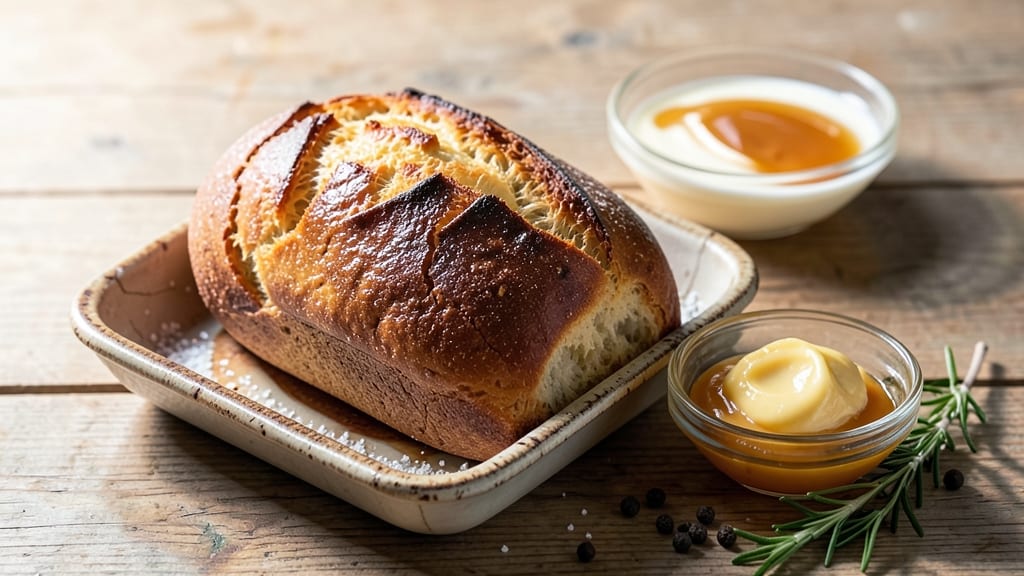
This anan bread recipe brings the sunshine of tropical flavors to your kitchen with its signature pineapple sweetness and coconut crunch. 🌴 The secret lies in balancing ripe pineapple chunks with tender bread dough, creating a moist, fragrant loaf that's perfect for breakfast or snacks.
I've perfected this version to deliver that classic Filipino-style texture—soft inside with just the right crispness at the edges.
The beauty of this recipe is its simplicity—just a few core ingredients like flour, sugar, eggs, and of course, fresh pineapple, come together to create something extraordinary. What makes it special is the addition of shredded coconut, which adds a delightful texture contrast that keeps every bite interesting.
The aroma alone as it bakes will transport you straight to a tropical paradise.
What you'll end up with is a golden-brown loaf with a tender crumb and pockets of juicy pineapple throughout. The coconut topping adds a beautiful crunch, while the pineapple keeps the bread moist and flavorful.
This bread is versatile enough to enjoy fresh from the oven, toasted with butter, or even as a delicious dessert with a dusting of powdered sugar.
Whether you're making it for a family gathering or treating yourself to a taste of the tropics, this recipe delivers restaurant-quality results with minimal effort. The best part? It's easy to adapt—try adding chocolate chips for a modern twist or using gluten-free flour for a dietary-friendly version. Let's get baking!
Ingredients for anan bread
Tropical flavors meet Filipino tradition in this moist, fragrant loaf with juicy pineapple and coconut crunch.
| Ingredient | Amount | Notes |
|---|---|---|
| All-Purpose Flour 🌾 | 3 ½ cups | Sifted for lighter texture |
| Granulated Sugar 🍚 | 1 ½ cups | White or light brown |
| Unsalted Butter 🧈 | ½ cup | Cold, cubed for dough |
| Large Eggs 🥚 | 2 whole | Room temperature preferred |
| Milk 🥛 | 1 cup | Whole milk for richness |
| Active Dry Yeast 🍞 | 2 ¼ tsps | Or 1 packet instant yeast |
| Fresh Pineapple 🍍 | 2 cups | Finely chopped, ripe only |
| Shredded Sweetened Coconut 🥥 | 1 ½ cups | Toasted for enhanced flavor |
| Baking Powder 🍞 | 1 ½ tsps | Aluminum-free preferred |
| Salt 🧂 | ½ tsp | Fine sea salt |
| Vanilla Extract 🌿 | 1 tsp | Pure vanilla preferred |
| Powdered Sugar 🍚 | ¼ cup | For topping, optional |
The pineapple is non-negotiable—ripe, fresh chunks make all the difference. Trader Joe's or your local Asian market usually have the sweetest varieties. If you can't find fresh, canned pineapple in juice (drained well) works in a pinch, but it won't be the same. The coconut should be unsweetened—sweetened adds too much sugar. Toast it in a dry pan for 3-4 minutes until golden and fragrant. That aroma alone transforms this from good to extraordinary. For flour, King Arthur or Gold Medal brands work best—they hold up well to the moisture from the pineapple.
No fresh pineapple? Mango purée (about 1.5 cups) gives a similar tropical vibe, though it lacks the texture contrast. Dried coconut? Pulse it in a food processor for a coarser texture. The yeast is the heart of this recipe—make sure it's fresh (test it in warm water with a pinch of sugar; it should foam in 5-10 minutes). For a gluten-free version, King Arthur gluten-free flour blend works well, though the texture will be denser. The butter should be cold when mixed into the dough—cut it directly from the fridge and cube it to keep it firm. If your kitchen runs hot, chill the dough for 30 minutes before shaping.
This bread keeps beautifully for 3 days wrapped in a clean kitchen towel at room temperature, or 1 week in the fridge. For longer storage, slice and freeze—toast straight from frozen for crispy edges. The pineapple releases moisture as it bakes, so the bread is best enjoyed fresh. If you make a double batch, freeze half—it reheats like a dream. The coconut topping can be made ahead and stored in the fridge for 5 days in an airtight container. For extra decadence, brush warm slices with melted butter and sprinkle with extra powdered sugar.
Why You'll Love This Recipe
- No-Mix Magic: I swear by this dough—just fold the butter into the flour until it crumbles like sand, then pour in the milk and eggs. No kneading, no fuss, and the result? A tender crumb that’s actually foolproof.
- Sweet Butter Love: That butter isn’t just melted—it’s worked into the flour until it’s almost mealy, then folded back in later. The sugar caramelizes just enough to give every bite a subtle, buttery sweetness without tasting like dessert.
- Breakfast or Snack: Honestly, this bread is my go-to for toast in the morning or a quick snack with jam. The texture holds up perfectly whether you’re slathering it with peanut butter or serving it warm with soup.
- Budget-Friendly Staple: Flour, sugar, butter, eggs, milk—these are the basics I always have. A single batch stretches for days, and I’ve made it for picnics, school lunches, and even as a side for holidays without breaking the bank.
Step-by-step instructions for anan bread with tropical coconut crunch
This tropical bread combines sweet pineapple and toasted coconut for a moist, flavorful loaf that's easier than you think.
👨🍳 Step 1: Activate the Yeast and Prepare the Dough
In a small bowl, combine the 1 cup warm milk (about 110°F) with the 2.25 tsps active dry yeast and let it sit for 5-10 minutes until frothy. You'll see tiny bubbles forming—this means your yeast is alive and ready to work. If it doesn't bubble, your yeast might be dead, and you'll need to start over.
In a large mixing bowl, whisk together the 3.5 cups all-purpose flour, 1.5 cups granulated sugar, 1.5 tsps baking powder, and 0.5 tsp salt. Make a well in the center and add the yeast mixture, 0.5 cup cold unsalted butter (cut into small cubes), 2 whole large eggs, and 1 tsp vanilla extract. Mix with a wooden spoon until a shaggy dough forms.
🍳 Step 2: Mix and Knead the Dough
Turn the dough onto a lightly floured surface and knead for about 5 minutes until smooth and elastic. You'll know it's ready when it springs back slowly when poked. If the dough feels sticky, add just a bit more flour—about 1 tablespoon at a time—but don't overdo it or your bread will be dense.
Place the dough back in the bowl, cover it with a clean kitchen towel, and let it rise in a warm place for 1-1.5 hours or until it has doubled in size. I like to place my bowl near the oven with the light on for extra warmth. The dough should feel light and airy when you poke it gently with a finger.
🍍 Step 3: Fold in Pineapple and Coconut
Once the dough has risen, punch it down gently to release the air. In a separate bowl, combine the 2 cups finely chopped fresh pineapple and 1.5 cups shredded sweetened coconut. Fold these into the dough by hand, being careful not to overmix. The dough will be sticky, but that's okay—it's what gives this bread its moist texture.
Transfer the dough to a greased 9x5-inch loaf pan, spreading it evenly. Cover the pan with a towel and let it rise again for another 30-45 minutes until it's just about level with the top of the pan. This second rise ensures your bread will be light and fluffy.
🔥 Step 4: Bake to Golden Perfection
Preheat your oven to 350°F while the dough rises. Once it's ready, bake the bread for 50-55 minutes until the top is golden brown and a toothpick inserted into the center comes out clean. If the top browns too quickly, tent the pan with aluminum foil to prevent over-browning.
Here's the thing—this bread tastes even better the next day, but it's worth the wait. The flavors meld together beautifully, and the coconut stays delightfully crunchy. Let the bread cool in the pan for 10 minutes before transferring it to a wire rack to cool completely.
🍽️ Step 5: Optional Powdered Sugar Glaze (Because Why Not?)
While the bread cools, mix the 0.25 cup powdered sugar with 1-2 tablespoons milk to create a simple glaze. Once the bread is completely cool, drizzle the glaze over the top and let it set for 10 minutes. This step is optional but adds a beautiful finish and a touch of sweetness that pairs perfectly with the tropical flavors.
Slice and serve! Each bite delivers the perfect balance of sweet pineapple, toasted coconut crunch, and tender bread. Store leftovers in an airtight container for up to 3 days or freeze for longer storage. Enjoy your homemade anan bread!
Pro Tips For Making Anan Bread
- Cream Butter Properly: Use a wooden spoon or your fingers to rub the cold butter into the flour until it resembles coarse crumbs—no need to overwork it. I learned this the hard way when I pulsed it in a food processor and ended up with a dense, cakey loaf instead of the light, flaky texture anan bread should have.
- Measure Sugar by Weight: If your recipe calls for 1 cup of sugar, weigh it—it’s almost always 200 grams, not the 220 grams a scooped cup delivers. I used to eyeball it, and my bread would either taste cloyingly sweet or blandly underwhelming.
- Don’t Overmix the Batter: Stop folding in the milk as soon as the dough just comes together—overmixing develops gluten and turns your bread into a tough, chewy brick. My grandmother swore by this, and she was right: the second the flour disappears, you’re done.
- Bake Until Internal Temp Hits 200°F: Anan bread is done when the center reaches 200°F, not when it looks golden. I used to pull it out too soon, and it’d stay gummy inside—now I trust the thermometer over my eyes. (Yes, even if it looks underbaked.)
Make-ahead tips for anan bread
Prep Ahead Dough
Mix your dough the night before and store it in the fridge overnight for deeper flavor development. Cover it tightly with plastic wrap and let it rise at room temperature the next morning—this gives the yeast extra time to work its magic.
The dough will be more manageable after chilling, making shaping easier. 🥖
Frozen Pineapple Hack
No fresh pineapple? Use frozen pineapple chunks straight from the freezer—no thawing needed! Toss them in a dry skillet over medium heat for 2-3 minutes to caramelize slightly before folding into the dough.
This adds natural sweetness and prevents excess moisture. Just be sure to drain any liquid from the package first.
Coconut Topping Prep
Toast your 1.5 cups shredded coconut ahead of time and store it in an airtight container for up to 5 days. The toasted aroma intensifies the tropical flavor, and prepping it in advance saves time on baking day.
For extra crunch, lightly toast the coconut again before folding it into the dough.
Bake-and-Freeze Method
Make two loaves at once and freeze one for later! Bake as directed, then cool completely before slicing. Wrap individual slices in parchment paper and freeze in a single layer.
To serve, toast directly from frozen—no thawing required. This method keeps the bread moist and prevents freezer burn for up to 3 months.
Make-Ahead Glaze
Prepare the powdered sugar glaze in advance and store it in a small jar with a tight lid. Mix 0.25 cup powdered sugar with 2 tbsp milk and add a drop of vanilla if you like.
Drizzle over cooled bread whenever you're ready—it keeps for 1 week in the fridge and adds a professional touch with zero effort. 💫
Reheating Leftovers
Warm slices in a 350°F oven for 5-7 minutes or microwave for 15-20 seconds covered with a damp paper towel. For crispy edges, toast in a dry skillet over medium heat for 1-2 minutes per side. The coconut stays crunchy, and the pineapple keeps its juicy texture—just like fresh-baked!
Nutrition facts
Frequently asked questions
Why does my anan bread turn out dense instead of light and fluffy?
Overmixing the dough or using old yeast are the most common culprits. Make sure your yeast is fresh (test it in warm water with sugar—it should bubble in 5-10 minutes) and knead just until smooth (about 5 minutes). Also, avoid adding too much flour when shaping—this bread should be slightly sticky. The pineapple adds moisture, so don't compensate with extra liquid.
Can I substitute canned pineapple for fresh in this recipe?
Yes, but with adjustments! Use 2 cups drained canned pineapple chunks (packed in juice, not syrup) and pat them dry thoroughly with a paper towel. For extra flavor, lightly toast the chunks in a skillet before adding to the dough. The texture won't be identical, but it still works well—just expect slightly less juiciness in each bite.
How do I know when the bread is fully baked?
Look for three signs: the top should be golden brown, the internal temperature should reach 190°F (use an instant-read thermometer), and a toothpick inserted in the center should come out clean. If the top browns too quickly, tent with aluminum foil to prevent over-browning while the center finishes baking.
What's the best way to store anan bread to keep it fresh?
Wrap the cooled loaf tightly in a clean kitchen towel or plastic wrap and store at room temperature for 2-3 days. For longer storage (up to 1 week), refrigerate. To revive stale bread, warm slices in a 350°F oven for 5-7 minutes or toast in a dry skillet for crispy edges.
Can I make this recipe gluten-free or vegan?
For gluten-free, replace the all-purpose flour with a 1:1 gluten-free baking flour blend (like King Arthur's). For vegan, use flax eggs (2 tbsp ground flax + 6 tbsp water per egg) and vegan butter. The texture will be slightly denser, but the tropical flavors will still shine. Adjust baking time by 5-10 minutes if needed.