Side Dishes
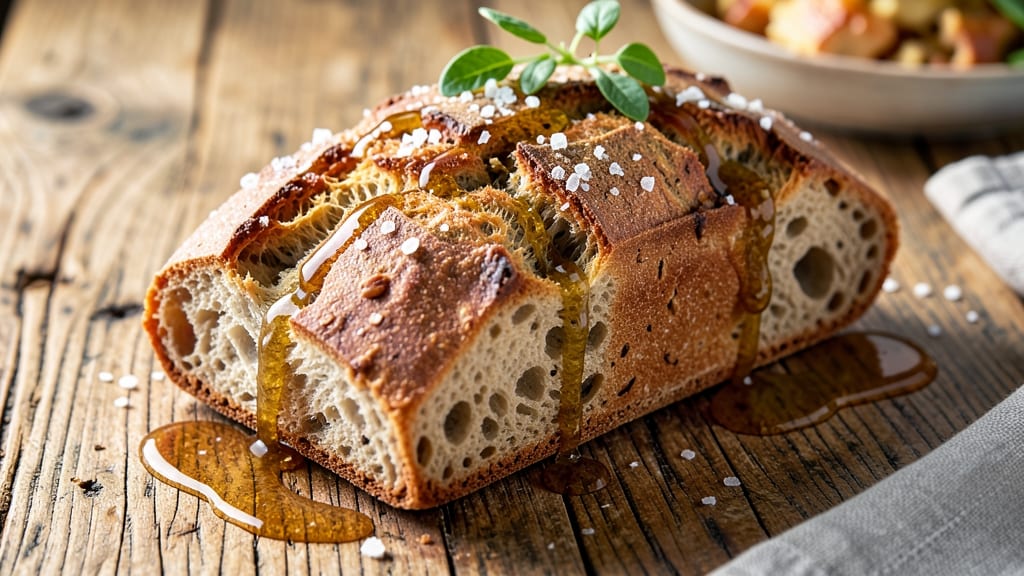
This einkorn bread recipe brings the flavors of ancient Rome to your kitchen table with its nutty depth and satisfying crust. 🌾 Unlike modern wheat bread, einkorn—one of the earliest cultivated grains—delivers a complex, slightly sweet flavor that’s both hearty and delicate.
The secret lies in its low-gluten structure, which creates a tender crumb with a crispy exterior that’s impossible to resist. What sets this recipe apart is its simplicity paired with authenticity.
You’ll work with just five core ingredients—einkorn flour, yeast, water, salt, and a touch of olive oil—to achieve a loaf that’s both rustic and refined. The kneading process is gentle, and the proofing time is forgiving, making it perfect for home bakers who want to taste history without the fuss.
By the time it emerges from the oven, you’ll have a loaf with a golden, crackling crust and a crumb that’s moist yet airy, infused with einkorn’s signature nutty richness.
The aroma alone will transport you to an ancient bakery, while the texture offers the best of both worlds: sturdy enough to hold up to hearty soups but tender enough to melt in your mouth.
Serve it warm with olive oil and sea salt, or use it as the foundation for sandwiches that taste like they’ve been baked for centuries. Here’s how to bring this ancient grain to life in your kitchen.
Ingredients for ancient grains einkorn bread
Five simple ingredients transform into bread that tastes like ancient Rome's bakery.
| Ingredient | Amount | Notes |
|---|---|---|
| Einkorn Flour 🌾 | 4 cups | Unbleached, whole grain preferred |
| Active Dry Yeast 🍞 | 2 ¼ tsp | Fresh yeast if available |
| Warm Water 💧 | 1 ½ cups | 110°F for optimal activation |
| Extra-Virgin Olive Oil 🫒 | 2 tbsp | High quality for richness |
| Fine Sea Salt 🧂 | 1 ½ tsp | Diamond Crystal preferred |
| Honey 🍯 | 1 tbsp | For subtle sweetness (optional) |
| Semolina Flour 🌾 | 1 tbsp | For dusting and crust |
The einkorn flour is the star—Bob's Red Mill or King Arthur have the best whole grain versions. If you can only find white einkorn, it'll still work but lose that nutty depth. Yeast is non-negotiable here—fresh yeast (if available) activates faster, but active dry works perfectly fine. Warm water is key: too hot kills the yeast, too cold makes it sluggish. 110°F is the magic number. For the olive oil, California Gold or Colavita brands elevate the flavor without overpowering the einkorn's natural sweetness.
No honey? Maple syrup or agave work in a pinch—just reduce to 1 tsp since they're sweeter. Short on semolina? Cornmeal or all-purpose flour will do, though the crust won't be quite as crisp. If your yeast is old, proof it first in warm water with a pinch of sugar to test its vitality. The salt matters too—Diamond Crystal dissolves better than table salt and adds that perfect crunch. For extra authenticity, some bakers add 1 tsp of ground flaxseed to the dough for that ancient grain texture boost.
This dough keeps 24 hours in the fridge before shaping—great for overnight prep. Once baked, the bread stays fresh 3-4 days wrapped in a cloth bag at room temperature. For longer storage, slice and freeze—up to 3 months. The crust gets crunchier as it cools, so slice when still warm if you prefer softness. I always bake two loaves—one for sandwiches, one for dipping in olive oil and balsamic. The second day is even better, with flavors deepening like a fine wine.
Why You'll Love This Recipe
- No-Knead, No-Fuss: I mix the dough in a bowl, let it rise overnight, and bake it the next morning—no standing at the counter, no overworking the flour. The einkorn’s natural elasticity does most of the work, so even if I rush, it still turns out tender and golden.
- Nutty, Earthy Magic: That first bite? It’s like biting into a loaf with layers of toasted almonds and a whisper of caramelized sweetness—thanks to the einkorn’s ancient grain depth. Drizzle it with olive oil straight from the oven, and it’s ridiculously good.
- Weeknight Hero: This bread keeps perfectly for days, so I bake one batch on Sunday and use it for toast, sandwiches, or dipping in olive oil all week. No sad, dried-out crust here—it stays fresh longer than store-bought.
- Budget-Friendly Staple: Einkorn flour might sound fancy, but a little goes a long way, and yeast + salt + olive oil are pantry basics. I stretch one dough into two loaves, freeze one, and still have a backup for when life gets busy. Smart, simple, and satisfying.
Step-by-step instructions for ancient grains einkorn bread
Let's create a rustic loaf with incredible nutty depth and satisfying crust.
👨🍳 Step 1: Activate the Yeast with Warm Water and Honey
In a small bowl, combine the 1.5 cups warm water (about 110°F) with the 1 tbsp honey and 2.25 tsp active dry yeast. Stir gently and let sit for 5-10 minutes until frothy. You'll see tiny bubbles forming and the mixture expanding—this confirms the yeast is alive and ready to work.
I like to check the water temperature first with my finger—it should feel warm to the touch but not hot. If it's too hot, you'll kill the yeast; if too cold, it won't activate properly. The honey here does double duty: it feeds the yeast while adding subtle sweetness to balance the nutty einkorn flavor.
👨🍳 Step 2: Mix the Dough with Einkorn Flour and Olive Oil
In a large bowl, whisk together the 4 cups einkorn flour and 1.5 tsp fine sea salt. Make a well in the center and pour in the yeast mixture along with the 2 tbsp extra-virgin olive oil. Using a wooden spoon or dough whisk, gradually incorporate the flour from the edges into the wet ingredients.
Once combined, turn the dough out onto a lightly floured surface and knead for about 8-10 minutes until smooth and elastic. Einkorn dough can be a bit stickier than wheat flour dough, so don't be afraid to get your hands wet if it feels too dry. You'll know it's ready when it springs back slowly when poked and feels slightly tacky to the touch.
🥘 Step 3: First Rise and Shape the Dough
Lightly grease a large bowl with olive oil and place the dough inside. Cover with a damp towel or plastic wrap and let rise in a warm place for 1-2 hours, or until doubled in size. The kitchen counter near the oven with the light on works perfectly for this. You'll see the dough puff up noticeably and develop a few small bubbles on the surface.
Once risen, punch down the dough to release air and shape it into a round loaf. I like to create a tight ball by pulling the edges toward the center and tucking them underneath. Place it seam-side up on a parchment-lined baking sheet, sprinkle with the 1 tbsp semolina flour, and cover again to rise for another 30-45 minutes while you preheat your oven.
🔥 Step 4: Bake for Crusty Perfection
Preheat your oven to 425°F with a Dutch oven inside for 30 minutes. This creates steam for an incredible oven spring. Carefully transfer the shaped dough (still on parchment) into the hot Dutch oven, cover, and bake for 25 minutes. Remove the lid and bake for another 15-20 minutes until the crust is deep golden brown and sounds hollow when tapped.
Here's where the magic happens: the einkorn's natural oils will rise to the surface during baking, creating that beautiful crust with nutty aroma. Let the bread cool on a wire rack for at least 1 hour before slicing—this prevents a gummy interior. The longer you wait, the better the texture will be when you finally take that first bite.
Pro Tips For Making Ancient Grains Einkorn Bread
- Bloom Yeast in Oil: Dissolve the yeast in warm water first, then mix it with the olive oil—this keeps the dough from getting greasy and helps the yeast activate faster. I used to add oil directly to the flour and wondered why my dough always felt sluggish.
- Weigh Your Einkorn: Einkorn flour is lighter than modern wheat—don’t scoop it. Use a kitchen scale for accuracy, or at least fluff it up in the bag before measuring. I learned this after making a batch that was too dense (and too heavy to lift).
- Skip the Over-Kneading: Einkorn dough is sticky and tough to handle, but it doesn’t need much kneading. Just mix until the flour is mostly incorporated, then let the autolyse (resting) do the work. Overworking it turns the bread into a chewy brick—trust the process.
- Steam the First 10 Minutes: Place a metal bowl of boiling water in the oven when you bake, then remove it after 10 minutes. This gives the crust a crisp, golden lift instead of a dull, flat top. I was skeptical until I tried it—now it’s non-negotiable.
Serving suggestions for ancient grains einkorn bread
Olive Oil Drizzle
Elevate your einkorn bread to restaurant-quality with a simple drizzle of extra-virgin olive oil before serving. I recommend California Gold or Colavita brands—their rich, fruity notes complement the bread’s nutty depth.
Warm the loaf slightly (30 seconds in the oven) to soften the crust, then drizzle generously and sprinkle with flaky sea salt like Maldon. The contrast of crispy crust and silky oil is pure magic. 💛
Herb & Garlic Butter
For a savory twist, whip up a quick herb butter by mixing softened butter with minced garlic, chopped fresh rosemary, and a pinch of smoked paprika. Spread this on warm slices and serve alongside soups or roasted vegetables.
The garlic and rosemary enhance einkorn’s earthy notes while adding aromatic complexity. Store leftovers in an airtight container for up to 3 days in the fridge.
Sweet Pairings
Balance the bread’s nutty richness with sweet toppings. A drizzle of local honey (like Wildflower or Clover) and a sprinkle of crushed pistachios creates a luxurious breakfast treat.
For a cozy dessert, toast slices and spread with ricotta cheese mixed with vanilla extract and maple syrup. The contrast of creamy ricotta and crispy crust is irresistible.
Cheese Board Companion
Einkorn bread’s sturdy texture makes it perfect for cheese boards. Pair it with aged cheddar, goat cheese, and blue cheese alongside cured meats like prosciutto or salami.
The bread’s mild sweetness cuts through sharp cheeses beautifully. For a vegetarian board, add fig jam, walnuts, and dried apricots to complement the nutty flavors.
Soup & Stew Pairing
Use einkorn bread to soak up hearty soups like minestrone or lentil stew. Its dense yet tender crumb holds up better than traditional wheat bread. For an extra treat, toast slices and rub with garlic before serving.
The bread’s nutty depth enhances the soup’s flavors, making every bite satisfying. Store extra slices in a paper bag at room temperature for up to 2 days.
Breakfast Sandwiches
Create gourmet breakfast sandwiches by layering scrambled eggs, avocado slices, and crispy bacon on thick einkorn slices. Toast the bread lightly to prevent sogginess. For a vegetarian option, use mashed sweet potato, feta cheese, and roasted red peppers.
The bread’s rustic texture adds a delightful chew to every bite. 🌟
Nutrition facts
Frequently asked questions
Can I substitute einkorn flour with regular whole wheat flour?
While you can use whole wheat flour as a substitute, your bread won't have the same nutty, ancient grain flavor or delicate texture. Einkorn's lower gluten content creates that signature tender crumb. If you must substitute, use a 50/50 blend of whole wheat and all-purpose flour, but expect a denser result. For best authenticity, seek out einkorn flour—it's worth the small effort!
Why does my einkorn dough feel stickier than regular bread dough?
Einkorn has a higher moisture content and lower gluten structure than modern wheat, which makes the dough naturally stickier. This isn't a problem—it's actually a sign you're using real einkorn! Wet your hands slightly when handling the dough, and don't over-flour it. The stickiness contributes to that perfect tender crumb you're aiming for.
How can I tell when the bread is fully baked?
Look for three signs: deep golden brown crust, a hollow sound when tapped on the bottom, and an internal temperature of 190°F. The crust should be crackly, not pale. If you're unsure, bake 5 more minutes—einkorn bread continues cooking slightly after removal from the oven. Let it cool completely before slicing to prevent gumminess.
Can I make this bread without a Dutch oven?
Yes! If you don't have a Dutch oven, try these alternatives: Place the dough on a baking sheet and cover tightly with aluminum foil during the first 20 minutes to trap steam. Then remove the foil and bake until golden. For extra crustiness, sprinkle semolina flour on the dough before baking. The texture won't be identical, but you'll still get delicious results.
What's the best way to store einkorn bread to keep it fresh?
Wrap the cooled loaf in a clean kitchen towel or beeswax wrap and store at room temperature for 3-4 days. For longer storage, slice and freeze in an airtight container for up to 3 months. To revive frozen slices, warm them in a 350°F oven for 5-10 minutes until crispy again. The towel method preserves moisture better than plastic bags.