
Desserts
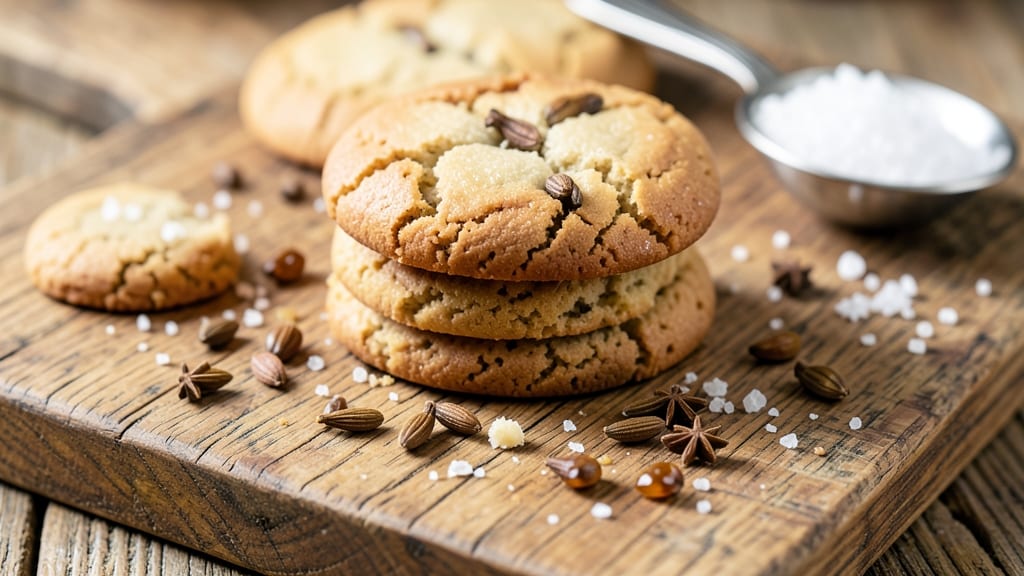
This anise shortbread cookie recipe delivers a delicate balance of buttery richness and licorice-like warmth that makes every bite unforgettable. The secret lies in the anise seeds—ground just enough to release their signature aroma without overpowering the tender crumb.
After years of perfecting the texture, I’ve developed a method that ensures crisp edges and a melt-in-your-mouth center, all in 10 minutes of active time and 15 minutes of baking. What sets these apart is the anise’s subtle, earthy sweetness that lingers like a whisper of holiday spice.
Unlike traditional shortbread, these cookies incorporate anise in two ways: finely ground seeds in the dough and a sprinkle on top for extra crunch. The dough comes together in minutes with just five ingredients—no chilling required—making this a foolproof recipe for bakers of all skill levels.
By the time they emerge from the oven, you’ll have golden, buttery cookies with a delicate crisscross pattern and a fragrance that fills your kitchen. The anise flavor is subtle yet distinct, creating a sophisticated treat that pairs beautifully with tea or coffee.
These aren’t just cookies; they’re a taste of European bakery charm, right in your own kitchen. For variations, try adding a pinch of citrus zest or chocolate chips for contrast. Store them in an airtight container for up to a week, though they rarely last that long. Let’s get baking!
Ingredients for anise shortbread cookie
Five simple ingredients transform into delicate anise-kissed cookies with crisp edges and melt-in-your-mouth centers.
| Ingredient | Amount | Notes |
|---|---|---|
| Unsalted Butter 🧈 | 1 cup | Cold, cubed for texture |
| Granulated Sugar 🍚 | ½ cup | Superfine preferred for smoothness |
| Anise Seeds 🌿 | 2 tbsp | Finely ground, not powdered |
| All-Purpose Flour 🌾 | 2 cups | Sifted for light texture |
| Kosher Salt 🧂 | ½ tsp | Fine grain preferred |
| Vanilla Extract 🌸 | ½ tsp | Pure vanilla for flavor |
| Additional Anise Seeds 🌿 | 1 tbsp | Whole, for topping |
The butter needs to be cold—just soft enough to mix, not melted. European-style unsalted butter like Plugrá or President has higher fat content, which gives that perfect crumb. Anise seeds are key: toast them lightly in a dry pan first to deepen their flavor. I grab mine from Penzeys or the bulk section at Whole Foods. If you can't find anise seeds, anise extract at half the amount works in a pinch, but the texture won't be the same. The flour? King Arthur or Gold Medal for best results—they're finely milled and consistent.
No vanilla extract? Almond extract at half the amount adds a nice depth, though it changes the flavor slightly. The sugar should be superfine if possible—it dissolves better and gives a smoother cookie. If you only have regular granulated, pulse it in a food processor for 30 seconds. For the anise seeds, grind them just before mixing—pre-ground loses its punch fast. The dough comes together in minutes, but don't overmix. Just until it holds together when pressed. And yes, you can skip the extra seeds on top if you're not into that crunchy texture—no judgment.
These keep beautifully in an airtight container for up to 10 days, though they're usually gone by day three. For extra crunch, reheat in a 350°F oven for 2-3 minutes before serving. I always double the batch—they disappear fast, especially around holiday time. Freeze extras on a tray first, then transfer to a bag. That way, you can grab one straight from the freezer for a quick treat.
Why You'll Love This Recipe
- No-Fuss Mixing: I swear by this recipe because it’s three ingredients, one bowl—just softened butter, sugar, and flour. Honestly, the anise seeds are the only thing I measure separately, and even that’s a sprinkle. Ten minutes of cutting and folding, then bake. That’s it. No eggs, no chilling, no fuss.
- Licorice Hug in Cookie Form: Between us, the anise seeds give these cookies a subtle licorice whisper—warm, herbal, and just sweet enough. The butter stays rich and crumbly, but the anise lingers like a secret. (Yes, even on a Tuesday night.) It’s the kind of flavor that makes you reach for the recipe again before the batch is gone.
- Holiday or Snack Attack: I’ve used these for Christmas gifts, stuck them in lunchboxes, and even served them with coffee when friends dropped by. They’re sturdy enough to ship, delicate enough to feel special, and always disappear fast. No one bats an eye at the anise—it’s just “really good cookies.”
- Pantry Staples, Zero Waste: Butter, sugar, flour? You already own this. The anise seeds are the only splurge, and a little bag lasts forever. Plus, these keep for weeks in an airtight container. I’ve pulled them out for last-minute dessert, packed them in travel mugs for road trips, and even crushed a few into tea when I was out of spice. Versatile little cookies.
Step-by-step instructions for anise shortbread cookies
Here's how to make crispy, aromatic anise shortbread with a licorice-kissed crunch.
Create the Anise Butter Base
In a stand mixer fitted with the paddle attachment, combine the 1 cup unsalted butter (cold and cubed) with the 0.5 cup granulated sugar. Mix on medium speed for 3-4 minutes until the mixture is light and fluffy, nearly doubling in volume. You'll see it go from pale to creamy—this aeration is what gives shortbread its signature texture.
Here's the thing—if your butter isn't cold enough, the cookies will spread too much. I like to press a cube between my fingers; if it leaves a slight indent but holds its shape, it's perfect. Add the 2 tablespoons finely ground anise seeds and mix for another 30 seconds until evenly distributed. The seeds will give your cookies that distinctive licorice aroma and subtle warmth.
Add Wet and Dry Ingredients
Reduce the mixer speed to low and add the 0.5 teaspoon vanilla extract and 0.5 teaspoon kosher salt. Mix for 10 seconds just to combine—overmixing develops gluten, which makes shortbread tough instead of tender. Now, with the mixer still running on low, gradually add the 2 cups all-purpose flour until fully incorporated.
Don't be tempted to skip the sifting—use a fine-mesh sieve to sift the flour directly into the mixer. This prevents lumps and ensures an even texture. The dough should come together into a smooth, slightly crumbly ball. If it's too dry, add 1 tablespoon cold water; if too sticky, chill it for 10 minutes before proceeding.
Shape and Chill the Dough
Turn the dough out onto a clean surface and gently press it into a 1-inch thick rectangle. Wrap it tightly in plastic wrap and refrigerate for at least 1 hour (up to 24 hours). Chilling firms up the butter, which prevents excessive spreading when baking. This step is non-negotiable—skipping it ruins the texture.
While the dough chills, preheat your oven to 325°F. Line two baking sheets with parchment paper—this prevents sticking and makes cleanup a breeze. The dough should be cold and firm when you're ready to cut, almost like a block of ice cream. If it's too soft, return it to the fridge for another 20 minutes.
Cut and Bake to Golden Perfection
Using a 2.5-inch round cutter (or any shape you prefer), cut out cookies from the chilled dough. Place them 2 inches apart on the prepared baking sheets. You should get about 24 cookies from this recipe—enough to share or save for later. Sprinkle each cookie with a pinch of the 1 tablespoon whole anise seeds for extra crunch and flavor.
Bake for 12-15 minutes until the edges are golden brown but the centers still look slightly pale. The cookies will firm up as they cool, so don't overbake—pull them out when they're just set. Let them cool on the baking sheet for 5 minutes before transferring to a wire rack. They'll continue setting as they cool, becoming crisp and aromatic.
Store for Maximum Freshness
Allow the cookies to cool completely before storing. For best results, keep them in an airtight container at room temperature for up to 5 days. If you want to extend their shelf life, freeze the baked cookies for up to 3 months. Just let them thaw at room temperature before enjoying—they'll taste just as fresh as the day they were made.
These cookies are perfect for holiday gifting, potlucks, or just treating yourself to something special. The anise flavor is subtle but unmistakable, with a satisfying crunch that gives way to a buttery melt. Trust me, once you try them, you'll want to make them all the time.
Pro Tips For Making Anise Shortbread Cookie
- Chill the Dough Hard: I used to rush this and ended up with greasy, dense cookies that spread like pancakes. Wrap the dough in plastic and freeze it for at least 30 minutes—better yet, overnight. The butter needs time to firm up so those edges stay crisp and the anise flavor shines through properly.
- Toast the Anise Seeds: Skip this, and the flavor will feel muted. Dry-toast the seeds in a small pan over medium heat for 30 seconds until they smell rich and aromatic—just until they start to sizzle. Let them cool completely before grinding or mixing, or they’ll release bitterness into the dough.
- Use a Mixer, Not Hands: Shortbread dough is deceptive—it looks easy to handle, but overworking it turns it gummy. Pulse the flour and butter in a food processor until it resembles coarse crumbs, then mix in the sugar and anise by hand just until combined. Overmixing is the fastest way to ruin the texture.
- Cut While Cold: Warm dough = messy cookies. After shaping the dough into a log, refrigerate it for 15 minutes before slicing. Use a sharp knife and dip it in flour between cuts to keep the edges clean. The slices will hold their shape better, and the cookies won’t spread into sad little puddles in the oven.
Make-ahead tips for this anise shortbread cookie
Dough Prep Ahead
Make the dough up to 24 hours in advance and store it wrapped in plastic in the fridge. This chilling time actually enhances the flavor, letting the anise seeds infuse more deeply.
I like to prep mine the night before so the cookies are ready to bake first thing in the morning. The dough keeps well at room temperature for 1 hour if you forgot to refrigerate it, but it won't be as firm for cutting. 🧈
Baked Cookie Storage
Once baked, let cookies cool completely on the baking sheet before transferring to an airtight container. They'll stay fresh for 5-7 days at room temperature—perfect for meal prep. For longer storage, freeze baked cookies on a tray first, then transfer to a freezer bag.
Thaw at room temperature for 10 minutes before enjoying. The texture remains perfect after freezing! ❄️
Freezer-Friendly Dough
Divide the dough into two portions, wrap each tightly in plastic wrap, then place in a freezer bag. This dough keeps for 3 months in the freezer. When ready to bake, thaw in the fridge for 1 hour or at room temperature for 30 minutes.
No need to adjust baking time—the results will be just as good as fresh dough. 💫
Reheating Crispy Cookies
For extra crunch, reheat cookies in a 325°F oven for 2-3 minutes on a wire rack. This restores their crisp edges without making them soggy. Microwave reheating works too—use 10-second intervals at 50% power until warmed through. Just be quick about it to preserve that buttery crunch. 🔥
Batch Baking Tips
Double the recipe and bake two trays at once for efficiency. Rotate pans halfway through baking for even heat distribution. I like to bake one tray, then swap positions with the second tray before the first batch finishes.
This ensures all cookies bake evenly. Label containers clearly if storing multiple batches together. 📅
Gift-Worthy Packaging
For holiday gifting, package cookies in clear cellophane bags tied with twine and a sprig of fresh rosemary. Add a handwritten note about the anise flavor—it makes them feel special.
These cookies travel well and make a thoughtful gift that lasts. I often include a small bag of extra anise seeds for the recipient to recreate them at home. 🎁
Nutrition facts
Frequently asked questions
Can I substitute anise seeds with anise extract?
You can use anise extract, but it changes the texture and flavor profile. For the recipe, use ½ teaspoon anise extract instead of the seeds, but note it won't provide the same crunchy topping or subtle seed aroma. For best results, stick with the seeds—they're essential for that authentic licorice-kissed crunch!
Why do my anise shortbread cookies spread too much?
The most common reason is butter that's too soft or room temperature. Always use cold, cubed butter and chill the dough for at least 1 hour. If your kitchen is warm, extend chilling to 2 hours. Also, ensure your oven is fully preheated to 325°F—cold spots cause uneven baking.
Can I make these cookies gluten-free?
Yes, but with adjustments. Replace the all-purpose flour with a 1:1 gluten-free baking flour blend (like Bob's Red Mill) and add ½ teaspoon xanthan gum. The texture will be slightly denser, but the anise flavor will still shine. For best results, use a gluten-free flour designed for baking, not cooking.
How do I intensify the anise flavor?
Toast the anise seeds in a dry pan for 1-2 minutes until fragrant, then grind them fresh. Add an extra ½ teaspoon ground seeds to the dough and sprinkle more on top. For a deeper flavor, infuse the butter by melting it with 1 tablespoon whole anise seeds, straining before using in the recipe.
Are these cookies suitable for vegans?
Not traditionally, but you can adapt them! Replace butter with vegan butter (like Miyoko's) and use a flax egg (1 tbsp ground flax + 3 tbsp water). The texture will differ slightly, but the anise flavor remains intact. For extra richness, add 1 tablespoon coconut oil to the dough.