
Side Dishes
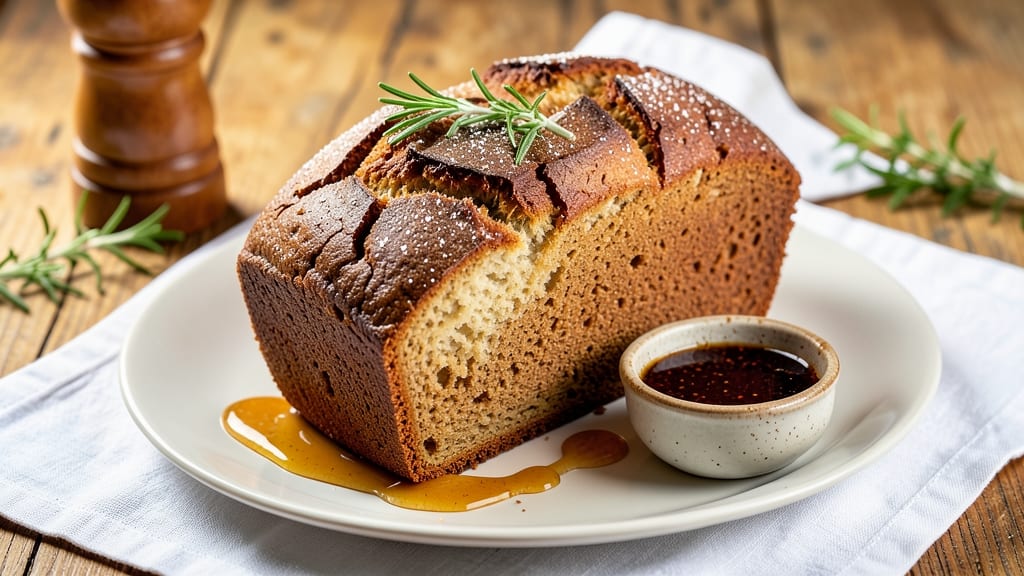
This Antigua Sunday bread brings Caribbean warmth to your table with its golden crust infused with spiced rum and a juicy, foil-sealed center that locks in all the flavor. 🌟 The tradition dates back generations, where families would bake this rich loaf on Sundays to accompany meals—its tender crumb and aromatic spices make every bite feel like a taste of home.
The secret lies in the rum-soaked crust and the foil-sealed technique, which keeps the bread moist and flavorful even after baking. Unlike many breads, this one is designed to stay tender for hours, making it perfect for leftovers or serving alongside stews and roasted meats.
The spices—cinnamon, nutmeg, and allspice—create a warm, inviting aroma that fills your kitchen long before the bread comes out of the oven.
Baking at 350°F for 45-50 minutes ensures a perfect balance of crispy crust and soft interior, while the foil-sealed center guarantees a juicy bite every time. This recipe stays true to its roots while being approachable for home cooks—no special equipment needed, just patience and a little Caribbean magic.
Serve warm with butter or jam, or pair it with traditional dishes like saltfish or curried chicken for an authentic Sunday feast. The rum-infused crust adds depth, while the sealed juice lock keeps the bread moist and delicious for days.
Here’s how to make it the way Antigua families have for generations.
Ingredients for antigua sunday bread
Eight ingredients plus a splash of tradition—this bread brings Sunday warmth to your kitchen.
| Ingredient | Amount | Notes |
|---|---|---|
| All-Purpose Flour 🌾 | 6 cups | White or bread flour preferred |
| Dark Brown Sugar 🍯 | 1 cup | Packed firmly for accuracy |
| Unsalted Butter 🧈 | ½ cup | Cold, cubed for even mixing |
| Spiced Rum 🍹 | ½ cup | Dark rum like Myers or Gosling's |
| Warm Water 💧 | 1 cup | 110°F for ideal activation |
| Active Dry Yeast 🍞 | 2 ¼ tsp | Or 1 packet instant yeast |
| Granulated Sugar 🍚 | ¼ cup | For dough sweetness |
| Ground Cinnamon 🌿 | 1 tsp | Freshly ground preferred |
| Ground Nutmeg 🌿 | ½ tsp | Freshly grated nutmeg better |
| Ground Allspice 🌶️ | ½ tsp | Toasted for deeper flavor |
| Salt 🧂 | 1 ½ tsp | Diamond Crystal preferred |
| Large Eggs 🥚 | 1 whole | Room temperature for mixing |
| Aluminum Foil 📄 | 1 sheet | Heavy-duty, 12x17 inches |
| Cornmeal 🌽 | ¼ cup | For dusting baking sheet |
The rum makes this bread special—Myers or Gosling's are classic choices, but whatever you've got on hand works. The spices are key too: toast your allspice and nutmeg in a dry pan for 30 seconds to wake up their flavors. For flour, King Arthur or Gold Medal are reliable, but don't stress if you've only got regular all-purpose. The yeast should be fresh—if it's over a few months old, test it in warm water first to make sure it's still active. And that brown sugar? Pack it firmly into the cup for accurate measurement.
No spiced rum? Dark molasses or extra rum extract works in a pinch. Short on nutmeg? Mace is a good swap, but use half the amount. The butter should be cold—cut it into small cubes and let them sit at room temp for 10 minutes before mixing. For the foil, heavy-duty works best—if you've only got regular, double it up. The egg helps bind everything, but if you're vegan, flax egg (1 tbsp ground flax + 3 tbsp water) does the trick. For the cornmeal, semolina works too if you've got it.
This bread keeps beautifully—2-3 days at room temp wrapped in a towel, or 5 days in the fridge sealed in a bag. For longer storage, freeze slices wrapped in foil for up to 3 months. The foil-sealed center stays juicy when reheated—wrap slices in foil and warm for 10 minutes at 350°F. I always make a double batch—one for Sunday, one for midweek toast. The rum aroma lingers for days, so bake when you're ready for a kitchen full of Caribbean warmth.
Why You'll Love This Recipe
- No-Measurement Guessing: I swear by this—just eyeball the flour and butter until it feels right. That spiced rum soak? One splash, stir, done. No scales, no stress, just the kind of baking where you can chat with your kids while mixing.
- Molasses-Kissed Warmth: That dark brown sugar and rum combo? It’s like a hug in bread form—deep, caramelized sweetness with a whisper of spice. The crust gets just crisp enough to hold your tea or coffee without falling apart.
- Weekend or Weeknight: Make a big batch on Sunday, and you’ve got breakfast for days. Toast it for guests, slice it for sandwiches, or just eat it straight with butter. Honestly, I’ve fed a houseful of people with one loaf and still had leftovers.
- Pantry Staple Magic: Flour, sugar, butter—you’ve got these. The rum’s the star, but even a splash of vanilla works in a pinch. Budget-friendly? Absolutely. Fancy enough for company? You bet. It’s the kind of bread that makes you feel like you’ve earned your brunch.
Step-by-step instructions for Antigua Sunday bread
This rum-infused loaf delivers a crispy crust and ultra-juicy crumb—just like Caribbean bakeries do.
👨🍳 Step 1: Activate the Yeast and Mix the Dough
In a large bowl, whisk together the 1 cup warm water (about 110°F—it should feel like bathwater) with the 2.25 teaspoons active dry yeast and 0.25 cup granulated sugar. Let it sit for 5-10 minutes until frothy—you'll see tiny bubbles forming on top. If it doesn't bubble, your yeast is dead and you'll need to start over.
In a separate bowl, combine the 6 cups all-purpose flour, 1 cup dark brown sugar, 1.5 teaspoons salt, 1 teaspoon ground cinnamon, 0.5 teaspoon ground nutmeg, and 0.5 teaspoon ground allspice. Mix well to distribute the spices evenly. Add the yeast mixture to the dry ingredients and stir until a shaggy dough forms.
🍳 Step 2: Incorporate Wet Ingredients and Knead
Add the 0.5 cup cold cubed unsalted butter and 0.5 cup spiced rum to the dough. The butter should stay cold at first, which helps create a flaky texture. Mix in the 1 whole large egg (room temperature) and knead the dough on a lightly floured surface for 8-10 minutes until smooth and elastic.
Here's the thing—this dough is sticky, but don't add too much extra flour or you'll lose that tender crumb. You're looking for a dough that springs back when poked but still feels slightly tacky. If it's too stiff, add 1 tablespoon warm water at a time until it reaches the right consistency.
⏰ Step 3: First Rise and Shape the Loaf
Place the dough in a lightly greased bowl, cover it with a damp kitchen towel, and let it rise in a warm place for 1-2 hours or until it doubles in size. The kitchen should feel warm—think slightly warmer than room temperature. If your kitchen is cold, place the bowl near a warm oven (with the light on) or on top of your fridge.
Once doubled, punch down the dough to release air, then shape it into a round loaf about 8 inches in diameter. Place it seam-side down on a baking sheet dusted with 0.25 cup cornmeal. The cornmeal prevents sticking and adds a subtle crunch to the bottom crust.
🔥 Step 4: Second Rise and Foil Seal for Juice Lock
Cover the shaped loaf again and let it rise for another 30-45 minutes until puffy. Preheat your oven to 375°F while the dough rises. This second rise is crucial for that airy texture—don't skip it.
When the oven is ready, cut a sheet of aluminum foil to fit the baking sheet. Place the foil over the loaf, sealing it completely. The foil traps steam and creates that signature moist crumb while allowing the crust to develop a beautiful golden-brown color. Bake for 40-45 minutes until the top is deep golden brown and sounds hollow when tapped.
🍽️ Step 5: Uncover and Finish Baking
Remove the foil and bake for an additional 10-15 minutes to develop that crispy crust. The bread should be deep golden brown with a slightly crackled surface. For extra shine, brush the warm crust with a little spiced rum immediately after removing it from the oven.
Let the bread cool on a wire rack for at least 15 minutes before slicing—this ensures clean cuts and prevents a gummy interior. The aroma alone will have your whole house smelling like a Caribbean Sunday morning. Serve warm with butter or jam for the ultimate comfort food experience.
Pro Tips For Making Antigua Sunday Bread
- Mix Butter Slowly: Start with just 2 tablespoons of warm water and the rum—let that liquid soak into the flour first. Then, add the butter one tablespoon at a time, mixing until fully incorporated before adding more. I learned this the hard way: dumping all the butter in at once creates a dough that’s too tough to handle, and your bread will end up dense instead of tender.
- Use Cold Butter: Take the unsalted butter straight from the fridge—no softening needed. Cut it into small cubes and let them sit in the flour mixture for 10 minutes before mixing. This keeps the dough from becoming greasy and ensures those rich, buttery pockets melt perfectly in the oven, not before.
- Don’t Overmix the Dough: Stop mixing as soon as the dough pulls away from the sides of the bowl. Overworking it develops gluten, and your bread will turn out chewy instead of light. If it’s sticky, wet your hands and shape it gently—no need to force it. (Yes, even if you’re impatient like me.)
- Let It Rest: Cover the shaped dough and let it sit for at least 30 minutes before baking. This gives the flour time to hydrate properly and the butter to redistribute, so your bread rises evenly and doesn’t collapse in the oven. I skip this when I’m lazy, but the difference in texture is night and day.
Perfect pairings for this antigua sunday bread
Butter Spreads
Warm slices of Antigua Sunday bread are pure magic with homemade rum butter—mix ½ cup softened butter with 1 tbsp spiced rum, 1 tsp brown sugar, and a pinch of cinnamon.
Spread while the bread is still warm for a flavor boost that tastes like a Caribbean vacation. 🌟 For a tangier option, try lime butter—whisk ½ cup butter with 1 tbsp lime zest and 1 tbsp honey.
Sweet Toppings
Drizzle with guava jam or mango chutney for a tropical twist that pairs perfectly with the rum-infused crust. I love brown sugar and cinnamon—sprinkle 1 tbsp brown sugar and ½ tsp cinnamon on warm slices for a quick dessert-like treat.
For a richer option, try dark chocolate ganache—melt ½ cup dark chocolate with ¼ cup heavy cream and drizzle over slices.
Savory Pairings
Serve with saltfish and pepper sauce for a traditional Antigua breakfast combo. The bread soaks up the rich, spicy flavors beautifully. For lunch or dinner, pair with jerk chicken or curried goat—the bread’s sweetness balances the heat.
A simple olive oil and sea salt rub on warm slices also works wonders.
Beverage Pairings
Sip on spiced rum cocktails like a Dark 'n' Stormy (ginger beer + dark rum) or a Rum Punch for the full experience. Coffee lovers will adore it with Caribbean-style coffee—strong, sweet, and spiced with cinnamon.
For a non-alcoholic option, hibiscus tea or mango lassi complements the bread’s warm flavors perfectly.
Leftovers Hacks
Toast slices with butter and jam for a quick breakfast. Crumble into oatmeal or yogurt for a flavorful twist. For a dessert, layer slices with whipped cream and berries—the rum-infused crust adds depth to any sweet treat.
Store leftovers in an airtight container for up to 3 days or freeze for 3 months.
Nutrition facts
Frequently asked questions
Why does Antigua Sunday bread use rum in the crust?
The spiced rum isn't just for flavor—it's a tradition that dates back to colonial times when rum was a common pantry staple. The alcohol evaporates during baking, leaving behind deep caramelized notes and a warm, aromatic crust. The rum also helps tenderize the dough slightly, creating that signature moist crumb. For a non-alcoholic version, you can substitute with dark molasses or extra rum extract.
What makes the foil-sealed technique so important?
The foil creates a steam chamber that locks in moisture for hours after baking, preventing that dry bread texture. Without it, the bread would lose its juicy center quickly. The technique also helps develop a crispy crust while keeping the interior soft. For best results, use heavy-duty foil and seal it completely around the edges.
Can I make this bread without a stand mixer?
This dough is best mixed by hand to control the sticky consistency. Use a wooden spoon to combine ingredients, then knead on a lightly floured surface for 8-10 minutes until smooth. The sticky dough is normal—just don't over-flour it or the bread will become dense. A dough scraper helps prevent sticking during kneading.
How do I know when the bread is fully baked?
Look for three signs: the top should be deep golden brown, it should sound hollow when tapped on the bottom, and the internal temperature should reach 190°F (use an instant-read thermometer). The crust should crack slightly as it cools. If unsure, bake 5 more minutes—it's better to underbake slightly than overbake.
What's the best way to store leftovers?
Wrap cooled slices in aluminum foil and store in an airtight container for 2-3 days at room temperature. For longer storage, freeze slices wrapped individually for up to 3 months. To reheat, wrap slices in foil and warm at 350°F for 10 minutes—this restores the moist texture perfectly.