
Appetizers
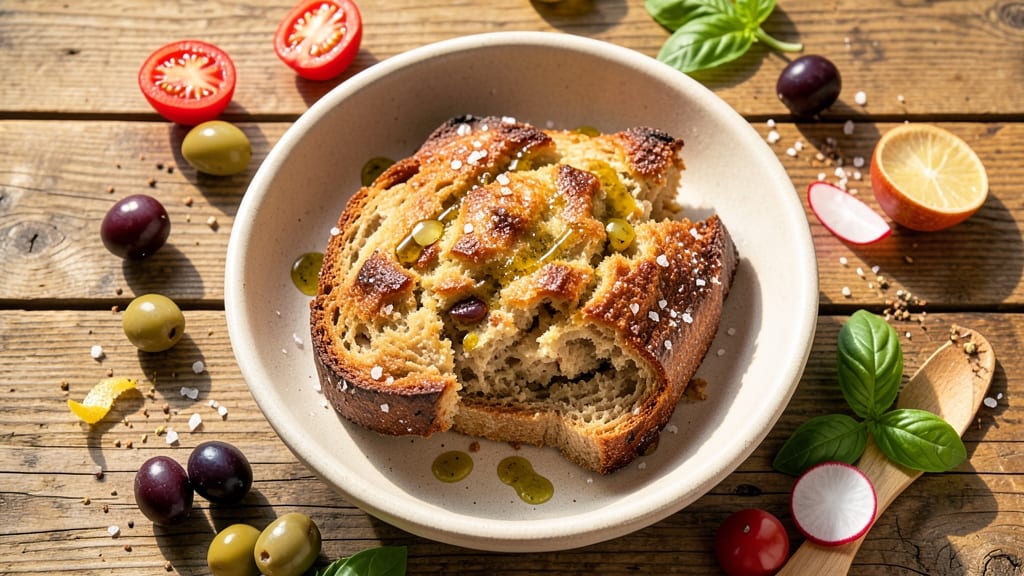
This antipasto bread recipe transforms simple dough into golden, aromatic bites perfect for Italian spreads and party platters. The secret lies in a no-knead dough infused with garlic, rosemary, and olive oil, then topped with melted cheese for that restaurant-quality finish.
I developed this version after years of experimenting with focaccia—it delivers crispy edges and tender centers without requiring fancy techniques.
The beauty of this recipe is its versatility. You can shape it into individual bites, a loaf, or even a flatbread, all while keeping prep under 30 minutes.
The dough gets its signature flavor from a blend of garlic, herbs, and olive oil, while the foil-sealed cheese topping creates a crispy, golden crust that holds up perfectly for serving. It's the kind of dish that elevates any antipasto platter or makes a stunning centerpiece for gatherings.
What sets this apart is the combination of textures and flavors—crispy outside, soft inside, with layers of garlic, herbs, and melted cheese. The bread stays fresh for days, making it ideal for meal prep or entertaining.
Whether you're serving it with cured meats, olives, or just as a standalone snack, it's a crowd-pleaser that feels like a gourmet touch without the effort.
For those with dietary restrictions, a gluten-free or vegan version is easily adaptable by swapping the flour and cheese. The method remains the same, proving this recipe is as inclusive as it is delicious. Let's get started on creating your own batch of these irresistible antipasto bites.
Ingredients for antipasto bread
No-knead dough, bold garlic-herb flavor, and crispy cheese topping—this antipasto bread delivers restaurant-quality bites with minimal effort.
| Ingredient | Amount | Notes |
|---|---|---|
| All-Purpose Flour 🌾 | 3 ½ cups | Spooning and leveling for accuracy |
| Instant Yeast 🍞 | ½ tsp | Active dry works too |
| Granulated Sugar 🍯 | 1 tbsp | Or honey for subtle sweetness |
| Extra-Virgin Olive Oil 🫒 | ¾ cup | High quality for best flavor |
| Warm Water 💧 | 1 ¼ cups | 110°F for ideal yeast activation |
| Garlic Cloves 🧄 | 4 cloves | Minced finely for bold flavor |
| Fresh Rosemary 🌿 | ¼ cup | Finely chopped, stems removed |
| Kosher Salt 🧂 | 1 ½ tsp | Diamond Crystal preferred |
| Shredded Mozzarella Cheese 🧀 | 2 cups | Part-skim or whole milk |
| Parmesan Cheese 🧀 | ½ cup | Freshly grated from block |
| Fresh Basil Leaves 🌿 | ¼ cup | Chopped for garnish |
| Flaky Sea Salt 🧂 | 2 tbsp | For finishing after baking |
The olive oil and yeast are your flavor anchors here. Trader Joe's has great olive oil at a good price, but any extra-virgin will work—just avoid the cheap stuff. For yeast, check the expiration date (it loses potency fast). The garlic and rosemary are non-negotiable for that authentic antipasto taste. I grab fresh rosemary from Whole Foods or the grocery store's produce section—look for stems that are still green and flexible. If you can't find fresh rosemary, dried works at one-third the amount, but fresh is definitely better. The mozzarella should be shredded yourself for the best texture—pre-shredded gets gummy when melted.
No mozzarella? Provolone or fontina melt beautifully too. Short on rosemary? Thyme or oregano add nice depth. Want to stretch this further? Add 1/4 cup sun-dried tomatoes to the dough for extra antipasto flavor. The cheese topping can be swapped for ricotta mixed with Parmesan if you prefer a creamier finish. For the garlic, don't skip the mincing—it needs to infuse into the dough. If you're making this ahead, shape the dough balls and refrigerate them overnight for even better flavor development.
This bread keeps beautifully—wrap the baked pieces in foil and store at room temperature for 3 days, or freeze for 3 months. I like to reheat slices in a 350°F oven for 5 minutes to revive the crispiness. The dough can be made up to 24 hours ahead and kept in the fridge. For serving, sprinkle with flaky sea salt right after baking while it's still warm. The basil garnish is optional but adds that fresh Italian touch—just tear it by hand for the best texture.
Why You'll Love This Recipe
- No-Knead Magic: I swear by this dough—just mix, let it rise, and forget it. The yeast and olive oil do all the work while you sip coffee or scroll through your phone.
- Crusty Gold Edge: That crispy, caramelized crust? Pure reward. The sugar in the dough browns beautifully, giving you a buttery, toasty bite that’s impossible to resist.
- Game for Any Gathering: Serve it warm with olive oil and flaky salt for a snack, tear it into chunks for a charcuterie board, or freeze slices for quick toast later. It’s the ultimate crowd-pleaser.
- Pantry Staple, Zero Waste: Five ingredients, all basics you already own. Make a big batch—it keeps for days, freezes like a dream, and turns stale bread into crispy croutons with zero effort.
Step-by-step instructions for antipasto bread
Let's make these crispy, cheesy garlic-herb bites that'll disappear faster than you can say "antipasto."
Mix the Dough and Let It Rise
In a large bowl, combine the 3.5 cups all-purpose flour and 0.5 tsp instant yeast. Make a well in the center and add the 1 tbsp granulated sugar, 0.75 cup extra-virgin olive oil, 1.25 cups warm water (about 110°F), and 1.5 tsp kosher salt. Mix with a wooden spoon until a shaggy dough forms.
Switch to your hands and knead the dough on a lightly floured surface for about 5 minutes until smooth and elastic. The dough should be soft but not sticky—if it sticks, add a little more flour. Shape into a ball, place it back in the bowl, cover with a damp towel, and let it rise in a warm place for 1 to 1.5 hours, or until doubled in size. You'll know it's ready when it springs back slowly when poked.
Prepare the Garlic-Herb Paste
While the dough rises, make the flavor-packed paste. In a small bowl, finely mince the 4 cloves garlic and 0.25 cup fresh rosemary. Add 2 tbsp extra-virgin olive oil (reserve the rest for brushing) and mix until combined. This paste is what gives the bread its signature aromatic kick.
Spread the paste evenly over the risen dough, pressing it gently into the surface. This step ensures every bite of bread gets that bold garlic-rosemary flavor. Cover the dough again and let it rest for another 30 minutes while you preheat your oven to 375°F.
Shape and Bake the Bread
Preheat your oven to 375°F with a baking sheet inside. Once hot, remove the dough from the bowl and divide it into 8 equal pieces. Roll each piece into a 1-inch thick oval shape—think of them like small, thick baguettes. Place them on the preheated baking sheet, spacing them about 1 inch apart for even browning.
Brush the tops of the bread with the remaining extra-virgin olive oil and sprinkle evenly with 2 cups shredded mozzarella cheese and 0.5 cup parmesan cheese. Bake for 18 to 20 minutes until the edges are golden brown and the cheese is bubbly and slightly crispy on top. The bread should sound hollow when tapped on the bottom.
Foil-Seal and Finish
Remove the bread from the oven and immediately wrap each piece in a small square of aluminum foil. This step creates the signature foil-sealed cheese pockets that make these bites so irresistible. Let them sit wrapped for 5 minutes to let the cheese melt and set slightly.
Unwrap the bread and sprinkle generously with 2 tbsp flaky sea salt and 0.25 cup chopped fresh basil leaves. The contrast of the salty flakes and fresh basil adds a bright finish that cuts through the richness of the cheese. Serve warm for the best texture—crispy outside, gooey inside, and packed with flavor.
Pro Tips For Making Antipasto Bread
- Measure Yeast Precisely: That little packet of yeast is more finicky than it looks—use a kitchen scale for 2 grams (not the "pinch" you might eyeball). Too much makes the bread dense; too little kills the rise. I learned this after tossing a batch that turned out like a brick.
- Oil the Bowl First: Dough sticks like glue to bowls, and antipasto bread’s high olive oil content makes it worse. Lightly coat your mixing bowl with extra-virgin olive oil before adding the dough—it’ll save you from scrubbing flour off your hands (or your mood).
- Skip the Sugar Shortcut: Granulated sugar isn’t just for sweetness—it feeds the yeast. If you’re tempted to skip it or use honey (yes, I’ve tried), the dough will rise slower and taste flat. Stick to the recipe’s amount unless you’re okay with waiting twice as long.
- Let It Rise Twice: One rise? That’s half the battle. After the first rise, punch down the dough and let it rest another 10–15 minutes before shaping. This relaxes the gluten, so your bread doesn’t spring back like a rubber band when you cut it—trust me, your antipasto platter will look (and slice) better.
Regional styles of this antipasto bread
Italian Focaccia Style
This recipe draws inspiration from traditional Italian focaccia, where olive oil and herbs take center stage. In regions like Liguria, focaccia is often brushed with olive oil and sprinkled with coarse salt, creating a rustic, crispy crust.
For an authentic touch, use extra-virgin olive oil from Liguria (like Filippo Berio) and shape the dough into a thick, rectangular loaf instead of individual bites. After baking, dimple the top with your fingers for that classic focaccia texture. 🌿
Southern Italian Antipasto
In Southern Italy, antipasto bread is often served alongside cured meats, olives, and cheeses as part of a larger spread. For a true Calabrian twist, add chili flakes (like 'Nduja) to the dough or sprinkle crumbled soppressata on top before baking.
The heat from the chili pairs beautifully with the melted cheese, creating a bold, savory flavor. This version is perfect for hearty appetizers or as a base for a charcuterie board. 🌶️
Roman-Style Ciabatta
Roman ciabatta is another fantastic regional adaptation, known for its airy, chewy texture. To mimic this style, stretch the dough slightly before shaping it into thick, irregular loaves with holes poked into the top.
Brush the baked bread generously with olive oil and sprinkle with flaky sea salt while still warm. Serve in thick slices alongside Roman-style cured ham and marinated artichokes for a true Roman antipasto experience. 🥖
Northern Italian Panzerotto
In Northern Italy, particularly Emilia-Romagna, panzerotto is a popular street food made from fried dough stuffed with cheese and herbs. For a lighter twist, shape the dough into half-moon shapes, fill with a mixture of ricotta and Parmesan, fold, and bake instead of frying.
Top with a sprinkle of Parmigiano-Reggiano and bake until golden. This version is perfect for a quick snack or appetizer that feels like a taste of Italy. 🧀
Sicilian Olive Oil Bread
Sicilian bread often highlights the region’s rich olive oil and herbs like rosemary and oregano. For this variation, infuse the dough with Sicilian olive oil (like Santa Polina) and add finely chopped sun-dried tomatoes for a tangy kick.
Shape the dough into a round loaf and bake until the crust is deep golden. Serve warm with Sicilian sausage or caponata for a true island-inspired antipasto. 🫒
Nutrition facts
Frequently asked questions
Can I make this antipasto bread without yeast?
Yes! For a quick version, replace the yeast with 1 teaspoon baking powder and 1/2 teaspoon baking soda. The dough will be denser but still delicious—bake immediately after shaping at 375°F for 15-18 minutes. This works best for individual bites rather than a loaf.
How do I store leftover antipasto bread?
Wrap cooled pieces tightly in foil or plastic wrap to keep them fresh for 3 days at room temperature. For longer storage, freeze baked bread for up to 3 months. To revive, reheat in a 350°F oven for 5-7 minutes until crispy again. The foil-sealed cheese stays gooey even after reheating!
What's the best way to shape the dough?
For classic antipasto bites, divide into 8 equal pieces and roll each into a 1-inch thick oval. For a rustic loaf, shape into a rectangle and dimple the top with your fingers. Press any garlic-herb paste firmly into the dough to ensure flavor infusion. The thicker the shape, the crispier the crust!
Can I make this gluten-free or vegan?
Use a 1:1 gluten-free flour blend (like Bob's Red Mill) and add 1/4 cup xanthan gum for structure. For vegan cheese, try meltable vegan mozzarella (like Miyoko's) or a mix of cashew cream and nutritional yeast. Keep all other steps identical—the texture will be slightly different but still delicious!
Why did my bread turn out dense instead of crispy?
Dense bread usually means the dough didn't rise enough or was overworked. Ensure your yeast is fresh and water is 110°F (not boiling). Let it rise until doubled (about 1.5 hours) and avoid over-kneading. For extra crispiness, brush with olive oil after baking and sprinkle with flaky salt immediately.