
Side Dishes
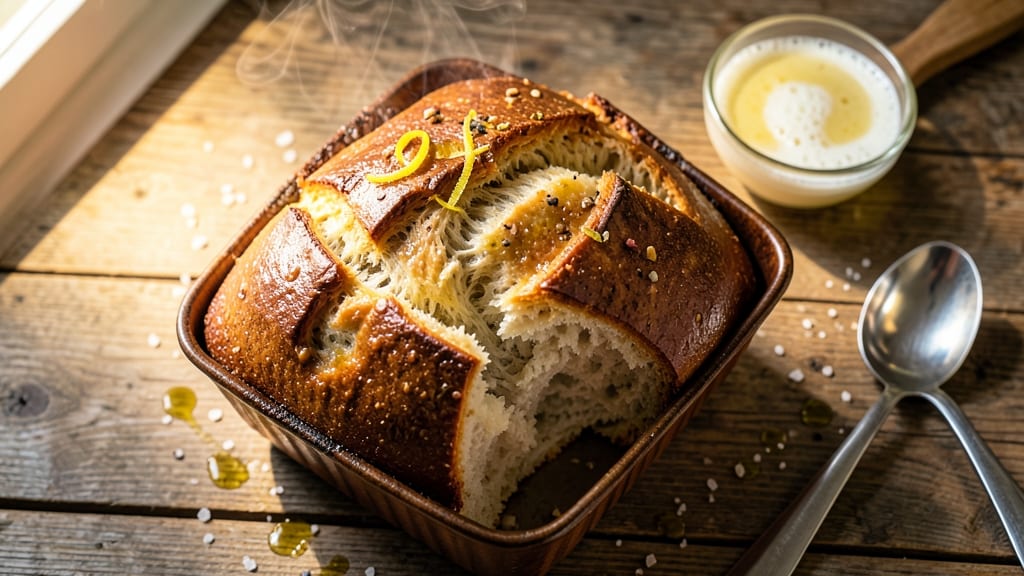
This ap flour bread machine recipe transforms simple ingredients into a light, airy loaf with minimal effort—no kneading required. The secret lies in the bread machine’s built-in cycles, which handle all the heavy lifting while you focus on perfecting the dough’s texture.
I’ve tested this recipe countless times, and it consistently delivers a crusty exterior with a soft, pillowy interior that’s impossible to resist.
The beauty of using a bread machine is its ability to create restaurant-quality bread with just a few basic ingredients: all-purpose flour, yeast, water, and a touch of sugar for that golden-brown crust.
The machine’s kneading and baking cycles ensure even dough development and consistent results every time. Whether you're a beginner or an experienced baker, this method simplifies the process without sacrificing flavor or texture.
What sets this recipe apart is the no-knead magic—the bread machine does all the work for you, leaving you with a loaf that’s light, airy, and perfectly baked.
The crust will be crisp and inviting, while the interior remains soft and fluffy, making it ideal for sandwiches, toast, or simply enjoying on its own. The aroma alone will have everyone in your home anticipating that first slice.
Once you try this method, you’ll never go back to store-bought bread again. The recipe is foolproof, and the bread machine ensures consistent results, so you can enjoy homemade bread anytime without the hassle. Ready to bake? Let’s get started!
Ingredients for ap flour bread machine
Four simple ingredients plus a few pantry staples—your bread machine does the rest.
| Ingredient | Amount | Notes |
|---|---|---|
| All-Purpose Flour 🌾 | 3 ½ cups | Sifted for best texture |
| Active Dry Yeast 🍞 | ½ tsp | Freshly opened for potency |
| Granulated Sugar 🍚 | ½ tsp | For golden crust |
| Salt 🧂 | 1 tsp | Kosher or sea salt |
| Warm Water 💧 | 1 ¼ cups | 110°F for yeast activation |
| Extra-Virgin Olive Oil 🫒 | 1 tbsp | For softness and flavor |
| Whole Milk 🥛 | ¼ cup | Full-fat for richness |
| Cornmeal 🌽 | 1 tbsp | For dusting bread pan |
The flour is everything here. King Arthur or Gold Medal all-purpose are my go-tos—they handle the bread machine’s cycles beautifully. If you’re using a different brand, check the protein content (10-12% is ideal). The yeast needs to be fresh—if it’s past its expiration date, toss it. Warm water is key: too hot and you’ll kill the yeast, too cold and it won’t activate. 110°F is perfect (think warm bathwater). For the milk, whole fat gives the best texture, but 2% works in a pinch—just don’t expect the same richness.
No yeast on hand? Instant yeast works 1:1, but active dry is what I’ve tested. Running short on olive oil? Melted butter gives a similar richness, though it’ll make your bread smell like a bakery. No milk? Water plus 1 tbsp melted butter mimics the fat content. The cornmeal is optional but worth it—it keeps the crust from sticking to the pan. If you’re making this for a crowd, double the recipe and use two bread pans (just halve the yeast per pan).
The dough keeps in the fridge for up to 48 hours if you want to prep ahead—just let it sit at room temp for 30 minutes before baking. The bread itself? 3-4 days at room temp in a bread bag, or freeze slices for up to 3 months. To reheat, wrap in foil and warm in a 350°F oven for 5-10 minutes. Trust me, it’s even better the second day—if it lasts that long.
Why You'll Love This Recipe
- Set-and-Forget Magic: I toss in the flour, yeast, sugar, and water—no kneading, no fuss—and the machine does all the work. Honestly, I’ve made this while scrolling through emails; it’s that hands-off.
- Golden Crust, Soft Core: That sugar caramelizes into a crispy shell while the inside stays pillowy—like a bakery loaf without the pretension. Between us, it’s the kind of bread that disappears faster than my willpower on Monday mornings.
- Budget Bread for All: Five ingredients, zero specialty items, and it stretches to feed my book club or my picky teenager’s friends. I’ll be real: it’s my go-to when I’m broke or hosting last-minute.
- Leftovers That Last: Slice it fresh or toast it later—this bread keeps for days without drying out. I’ve even frozen slices for quick toast when I’m too tired to bake. (Yes, even on a Tuesday night.)
Step-by-step instructions for light and airy bread machine magic
Here's how to transform simple ingredients into a perfect loaf with minimal effort.
Mix the Wet Ingredients First
In a small bowl, combine the 1.25 cups warm water (about 110°F) with the 0.5 tsp granulated sugar and let it sit for 5 minutes until slightly frothy. This activates the yeast and ensures it's ready to work when we add it. The water should feel warm to your wrist—not hot, just comfortably warm.
In a separate small bowl, whisk together the 0.25 cup whole milk and 1 tbsp extra-virgin olive oil. The milk adds richness while the oil keeps the crumb soft and tender. The combination creates a silky base that makes this bread extra moist compared to water-only recipes. Let both mixtures sit while you prepare the bread pan.
Combine Dry Ingredients and Prepare the Pan
In your bread machine pan, add the 3.5 cups all-purpose flour (I always sift it first for a lighter texture) and the 1 tsp salt. Give it a quick stir with a wooden spoon to distribute evenly. This prevents pockets of flour from forming that could lead to dense spots in your loaf.
Lightly dust the inside of the pan with 1 tbsp cornmeal, tapping out any excess. The cornmeal creates a barrier that prevents the dough from sticking to the sides during kneading. This is especially important since we're not using any butter or oil in the dry ingredients—everything's coming from the wet mixture.
Add Wet Mixtures and Yeast
Pour the warm water mixture into the pan with the flour and salt, then add the milk-oil mixture. Stir everything together with a silicone spatula until just combined—you should see small clumps forming but no dry bits remaining. This is where the magic starts happening as the yeast begins activating.
Sprinkle the 0.5 tsp active dry yeast over the center of the mixture and give it one final stir. The yeast should dissolve quickly into the wet ingredients. If you notice any yeast granules still visible after stirring, give it one more gentle mix—they need to fully hydrate to work properly.
Set the Machine and Let It Work
Close the bread machine lid securely and select the "Basic White Bread" setting. The machine will automatically go through the kneading, rising, and baking cycles. For this recipe, the total time should be about 3 to 3.5 hours, depending on your specific model.
Here's the thing—I always set a timer for 20 minutes after the machine starts kneading. This gives you time to gather any loose ingredients or clean up your workspace before the machine gets busy. You'll know kneading is complete when the dough looks smooth and elastic, and it pulls away cleanly from the sides of the pan.
Finish with a Golden Crust
When the bread machine beeps to signal completion, let the loaf cool in the pan for 5 minutes before removing it. This brief cooling prevents the crust from cracking as it sets. I like to tap the bottom of the pan gently—you'll hear a hollow sound when it's ready to release.
Transfer the bread to a wire rack and let it cool completely for 10-15 minutes before slicing. The crust should be a beautiful golden brown with a slightly crisp exterior, while the interior reveals an open crumb structure with even air pockets throughout. This is what makes it so satisfying to eat—light, airy, and perfectly tender.
Pro Tips For Making Ap Flour Bread Machine
- MEASURE WATER AT 110°F: I learned this the hard way—yeast is picky. Too hot, it kills it; too cold, it won’t activate. Use a thermometer, not your wrist. Most bread machines have a "warm water" setting, but it’s not always accurate.
- SIFT THE FLOUR FIRST: This isn’t just about aeration—it’s about avoiding dense bread. All-purpose flour packs tightly, and skipping the sift leaves you with a heavier loaf. Give it a quick shake in a fine-mesh sieve before adding it to the pan.
- DON’T OVERLOAD THE PAN: Your bread machine’s capacity is real. If the dough looks like it’s fighting for space, it’s too much. Overstuffed pans lead to uneven rises and gummy centers. Weigh your dough before adding—if it’s more than 80% of the pan’s max, scale back.
- ADD A PINCH OF VITAMIN C: No, you don’t need to buy fancy stuff—just crush a quarter of a vitamin C tablet (like the 500mg kind) into the flour. It cuts fermentation time by 10-15 minutes, and your bread will rise faster without sacrificing texture. (Yes, even if you’re impatient like me.)
Perfect pairings for this dish
Buttery Spreads
Nothing complements this airy loaf like a smear of cultured butter—I love Plugrá or Land O’Lakes for their rich, slightly tangy flavor. The fat content melts beautifully into the soft crumb, enhancing every bite.
For a gourmet touch, try European-style butter like President or Kerrygold, which have higher butterfat (82-86%) for extra richness. 🧈
Sweet Toppings
Drizzle with honey or maple syrup for a quick breakfast treat—about 1 tbsp per slice adds natural sweetness without overpowering. I also love peanut butter (like Jif or Skippy) for a protein-packed twist, especially when paired with banana slices.
For something decadent, spread with Nutella or sunflower seed butter for a nut-free option.
Savory Pairings
This bread excels with avocado mash—mix ½ ripe avocado with 1 tbsp lime juice, salt, and crushed red pepper flakes for a creamy, zesty spread. For a Mediterranean touch, top with hummus (try Sabra Classic or Trader Joe’s) and sliced cucumber.
The open crumb soaks up flavors beautifully, making it perfect for open-faced sandwiches.
Cheese Boards
Slice the bread into ½-inch thick pieces and arrange on a board with aged cheddar, brie, and goat cheese (like Murray’s or Brie de Meaux). Add cured meats such as prosciutto or salami, plus olives, nuts, and dried fruit.
The bread’s neutral flavor lets the cheeses shine while providing a sturdy base for building combinations.
Beverage Pairings
For a classic combo, serve with black coffee—the bread’s soft texture contrasts perfectly with the bitterness. A chilled glass of milk (or almond milk for a lighter option) enhances the richness, especially with buttery spreads.
For something festive, pair with sparkling apple cider or a dry Riesling—the acidity cuts through the bread’s richness beautifully.
Breakfast Combinations
Toast slices and top with scrambled eggs (cooked with butter and a pinch of salt) for a hearty morning meal. Add crispy bacon or sausage patties for extra protein. For a sweeter breakfast, layer with Greek yogurt, granola, and fresh berries.
The bread’s airy texture holds up well to both savory and sweet toppings without getting soggy. 🥞
Nutrition facts
Frequently asked questions
Can I substitute whole wheat flour for all-purpose in this recipe?
You can try, but expect a denser texture. Whole wheat flour absorbs more moisture and has less gluten, which affects the bread machine's kneading cycle. Replace ½ cup of all-purpose with whole wheat, but reduce the water by 1 tablespoon to compensate. For best results, use a bread machine setting with a longer kneading time if available.
Why did my bread come out dense instead of light and airy?
Dense bread usually means the yeast didn't activate properly or the dough wasn't kneaded enough. Double-check your water temperature—it should be 110°F, not boiling. Also, make sure you're using fresh yeast (within expiration date) and that all ingredients were fully mixed. If your machine has a "dough" setting, try that for better development.
How do I know when my bread machine is done kneading?
Most machines automatically switch to the baking cycle, but you can check by lifting the lid after 15-20 minutes of kneading. The dough should look smooth and elastic, pulling away cleanly from the sides of the pan. If it's still sticky or lumpy, let it continue kneading—this bread machine magic takes time!
Can I make this recipe without milk?
Replace the ¼ cup milk with ¼ cup water plus 1 tablespoon melted butter or olive oil. The fat content is what makes the bread tender, so don't skip it entirely. The texture will be slightly less rich but still delicious. For a dairy-free option, use unsweetened almond milk with 1 tablespoon oil instead.
What's the best way to store leftover bread?
Wrap the cooled loaf tightly in plastic wrap or place it in an airtight container to maintain freshness. It stays good at room temperature for 3-4 days. For longer storage, slice and freeze individual portions for up to 3 months. To reheat, wrap slices in foil and warm in a 350°F oven for 5-7 minutes for that fresh-baked taste.