
Side Dishes
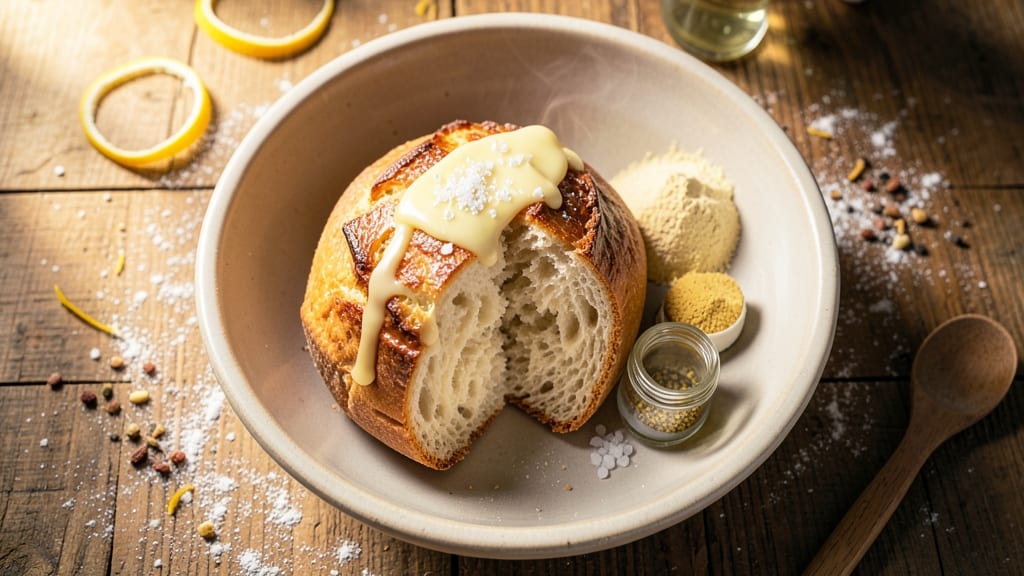
This German-style Apf bread transforms simple ingredients into a crusty, honey-sweetened loaf with tender apple filling—a perfect blend of rustic charm and homey comfort. The secret lies in folding diced apples into the dough, creating pockets of caramelized fruit as it bakes.
I first tried this recipe during a chilly autumn weekend, and the aroma alone made the kitchen feel like a Bavarian bakery.
What sets this Apfelbrot apart is its balance of textures: a crispy exterior gives way to a soft, spiced interior studded with tender apples and warm cinnamon. The dough requires a slow rise for maximum flavor development, while the apples soften just enough to release their natural sweetness.
No fancy techniques—just patience and a few key steps that make all the difference.
The result is a golden-brown loaf with a fragrant crust that cracks slightly as it cools, revealing the juicy apple filling beneath. Serve it warm with butter or a drizzle of honey for that authentic German touch.
This bread keeps well for days, making it ideal for meal prep or gifting.
For variations, try adding raisins or walnuts for extra texture, or swap the honey glaze for a sprinkle of coarse sugar. The possibilities are endless, but the core technique remains the same—simple, satisfying, and deeply traditional. Let’s get baking!
Ingredients for apf bread
Four cups flour, two apples, and a touch of German tradition—this loaf delivers rustic charm with minimal fuss.
| Ingredient | Amount | Notes |
|---|---|---|
| All-Purpose Flour 🌾 | 4 cups | Plus 2 tbsp for dusting |
| Instant Yeast 🍞 | ¼ tsp | Active dry works too |
| Granulated Sugar 🍚 | ¼ cup | For yeast activation |
| Unsalted Butter 🧈 | ½ cup | Cold, cubed for mixing |
| Warm Water 💧 | 1 ¼ cups | 110°F for yeast activation |
| Salt 🧂 | 1 ½ tsp | Diamond Crystal preferred |
| Granny Smith Apples 🍎 | 2 medium | Peeled, diced (about 2 cups) |
| Ground Cinnamon 🌿 | 1 tsp | Freshly ground preferred |
| Honey 🍯 | ¼ cup | Wildflower for deeper flavor |
| Large Eggs 🥚 | 1 whole | Room temperature |
| Milk 🥛 | ¼ cup | Warm for dough softness |
| Coarse Sugar 🍚 | ⅛ cup | For topping before baking |
The apples are non-negotiable for that classic Apfelbrot flavor—Granny Smith gives the best balance of tartness and sweetness. Local farmers markets often have perfect specimens in autumn, but any crisp apple works if you're not near one. Peel and dice them into even 1/2-inch pieces (no need to be perfect). For the flour, King Arthur or Gold Medal brands are my go-to—they handle the slow rise beautifully. If you're baking in a dry climate, add an extra tablespoon of water to the dough to compensate.
No Granny Smith apples? Fuji or Honeycrisp work in a pinch, but expect slightly sweeter flavor. Short on honey? Maple syrup at half the amount keeps things vegan-friendly. The cinnamon is key—if you've got whole sticks, toast and grind them for deeper warmth. For a nutty twist, add 1/4 cup chopped walnuts to the dough. The butter should be cold when mixing to prevent overdevelopment, but don't skip the room-temperature egg—it helps bind the apples into the dough without making it gummy.
This dough needs patience—cover and let it rise for at least 2 hours (up to 4 hours works too). Shape it into a log, place on a parchment-lined baking sheet, and let it proof another 30-45 minutes before baking. The loaf keeps well wrapped at room temperature for 3 days or frozen for 3 months. For serving, brush warm slices with melted butter and a drizzle of honey—that's the German touch. Leftovers make perfect toast or French toast the next morning.
Why You'll Love This Recipe
- No-Knead Magic: I swear by this one—just mix the flour, yeast, sugar, and butter with warm water, let it rise overnight, and bake. That’s it. No punchy arms, no stress, just hands-off perfection.
- Buttery Sweet Payoff: The sugar caramelizes just enough to give it that golden crust, while the butter keeps it tender inside. Honestly? It’s the kind of bread that makes you pause mid-slice to savor it.
- Weeknight & Picnic Hero: This bread stays fresh for days—ideal for meal prep or packing for lunch. Toast it for breakfast, use it for sandwiches, or just eat it straight out of the pan. (Yes, even on a Tuesday night.)
- Pantry Staple Savings: Five ingredients, minimal effort, and zero waste. The dough’s forgiving, so you won’t ruin it, and the leftovers? They’re the reason I always bake a second loaf. Budget-friendly doesn’t get better than this.
Step-by-step instructions for German-style apf bread
This method delivers a perfectly balanced loaf with crispy crust and tender crumb—every time.
Activate the Yeast and Prepare the Dough
In a small bowl, combine the 1.25 cups warm water (about 110°F), 0.25 cup granulated sugar, and 0.25 tsp instant yeast. Let it sit for 5-10 minutes until foamy. This step ensures your yeast is active and ready to work. If it doesn't foam, your yeast may be expired—start over with fresh yeast.
In the bowl of a stand mixer fitted with the dough hook, whisk together the 4 cups all-purpose flour and 1.5 tsp salt. Add the yeast mixture and mix on low speed until combined. Then add the 0.5 cup cold cubed unsalted butter, 1 whole large egg, and 0.25 cup warm milk. Mix on medium speed for 3-4 minutes until the dough comes together and pulls away from the sides of the bowl.
Knead and Incorporate the Apple Filling
Continue kneading the dough for an additional 5-7 minutes until smooth and elastic. The dough should be slightly tacky but not sticky—add a few extra tablespoons of flour if needed. Shape it into a ball and set it aside.
In a separate bowl, combine the 2 peeled and diced Granny Smith apples, 0.25 cup honey, and 1 tsp ground cinnamon. Mix well and set aside. This filling adds natural sweetness and moisture to the bread, balancing the crusty exterior.
Shape the Dough and Let It Rise
Roll out the dough on a lightly floured surface into a 12x16-inch rectangle (about ¼-inch thick). Spread the apple mixture evenly over the dough, leaving a ½-inch border around the edges. Fold the dough over the filling to encase it completely, then roll it into a 16-inch log. Place it seam-side down in a greased 9x5-inch loaf pan. Cover with a damp towel and let it rise in a warm place for 1-1.5 hours, or until doubled in size.
Here's the thing—don't rush this step. The dough needs time to develop gluten and trap those apple flavors. You'll know it's ready when it springs back slowly when poked with a finger.
Top and Bake to Golden Perfection
Preheat your oven to 375°F. Brush the risen dough with the 0.25 cup warm milk to create a shiny crust. Sprinkle the top evenly with the 0.125 cup coarse sugar. Bake for 45-50 minutes until the bread is deep golden brown and sounds hollow when tapped on the bottom.
For that classic German crust, I like to place a metal tray of water in the lower oven rack during the last 10 minutes of baking. This creates steam, helping the bread develop a crisp exterior while keeping the interior moist. Let the bread cool in the pan for 10 minutes, then transfer to a wire rack to cool completely before slicing.
Rest and Serve for Maximum Freshness
While the bread cools, resist the urge to slice into it immediately. Allow it to rest for at least 1 hour—this lets the internal structure set, making each slice cleaner and easier to serve. The crust will firm up slightly, and the apple filling will meld beautifully with the dough.
Slice the bread into ½-inch thick portions and serve warm. The contrast of the crispy crust, tender crumb, and sweet-tart apple filling makes every bite satisfying. Store leftovers wrapped in plastic at room temperature for up to 3 days, or freeze for longer storage.
Pro Tips For Making Apf Bread
- Measure Butter Cold: Take that unsalted butter straight from the fridge—no softening needed. I learned this the hard way after overworking dough because the butter melted too fast; cold cubes mix in better and create those signature flaky layers without turning your dough into soup.
- Bloom Yeast First: Mix the instant yeast with warm water and sugar before adding flour—let it sit for 5 minutes until frothy. Skipping this step means your bread might rise slower or unevenly, and you’ll end up with a denser loaf that tastes like it’s missing something.
- Avoid Over-Kneading: Stop kneading the second the dough pulls away cleanly from the bowl (usually 8–10 minutes). I used to think more kneading = better bread, but this dough is delicate—overwork it, and you’ll end up with a chewy brick instead of a light, airy loaf.
- Rest Dough Twice: Let the dough rise once after mixing, then punch it down and rest another 20 minutes before shaping. This second rest makes handling easier and guarantees a tighter crumb—no more sad, uneven slices that fall apart when you try to toast them.
Regional styles of this recipe
Bavarian Apple Loaf
In Bavaria, this bread is known as Apfelzopf, a braided version that's often served during Oktoberfest or family gatherings. The key difference is the braiding technique—divide the dough into three equal parts, roll each into a log, then braid them together before baking.
Use Bosc apples for a firmer texture that holds up to braiding. The Bavarian version often includes raisins and a touch of rum in the filling for extra depth. 🍺
Swabian Honey-Spiced
Swabia, in southern Germany, favors a denser, sweeter loaf with more honey and less sugar in the dough. Swap the coarse sugar topping for a honey glaze (mix 2 tbsp honey with 1 tbsp warm water) brushed on after baking.
Add cardamom (½ tsp) to the dough for a warm, aromatic twist. This version is traditionally served with Schwarzwälder Kirsch (cherry liqueur) for dipping. 🌿
Franconian Rustic
Franconia’s take is all about crusty texture—skip the loaf pan and bake on a perforated baking sheet for a free-form loaf. Use tart Cox apples and reduce the honey to 2 tbsp to let the apple’s natural acidity shine.
Sprinkle the dough with crushed 1 tbsp black peppercorns before baking for a subtle kick. Serve with Franconian smoked sausage for a savory-sweet contrast. ⚡
Saxon Sweet-Tart
Saxony’s version balances sweetness with tart rhubarb—combine 1 cup diced rhubarb with the apples in the filling. Add ½ tsp lemon zest to the dough for brightness. The Saxons often bake this in a cloche for the first 20 minutes to trap steam, then finish uncovered.
The result is a crispy, caramelized crust with a jammy interior. Pair with Sächsischer Qualitätswein (local Riesling) for a perfect match. 🍷
Black Forest Twist
In the Black Forest, this bread is often stuffed with cherries instead of apples—use 1 cup pitted sour cherries (fresh or frozen) mixed with 1 tbsp cornstarch to thicken. Add 1 tbsp kirsch to the dough for that signature Black Forest flavor.
Bake in a small cast-iron skillet for a rustic, campfire-style crust. Serve with Schwarzwälder Kirschtorte (Black Forest cake) for a decadent dessert spread. 🍒
Nutrition facts
Frequently asked questions
Why does the recipe call for cold butter?
The cold butter helps create a flaky, layered texture in the crust. When mixed into the dough, the cold cubes melt slowly during baking, creating pockets of steam that give the bread its signature crispness. If you accidentally use warm butter, don't worry—just chill the dough for 30 minutes before shaping to salvage the texture.
Can I make this bread without a stand mixer?
Mix the ingredients by hand in a large bowl, then knead on a lightly floured surface for 8-10 minutes until the dough is smooth and elastic. The key is to develop the gluten properly—test by stretching a small piece of dough. If it resists tearing and springs back, it's ready.
What if my dough doesn't rise properly?
Check your yeast first—it should be fresh (test by dissolving a pinch in warm water with sugar; it should foam in 5 minutes). If the dough is still flat after 2 hours, try placing it in a warmer spot (like near the oven with the light on) or cover it with a damp towel to trap heat. Cold kitchens often slow yeast activity.
How do I store leftovers to keep them fresh?
Wrap the cooled loaf tightly in plastic wrap or aluminum foil and store at room temperature for up to 3 days. For longer storage, slice the bread and freeze the slices between parchment paper. To reheat, wrap slices in foil and warm in a 350°F oven for 5-7 minutes until crispy again.
Can I substitute apples with another fruit?
While apples are traditional, you can experiment with pears or plums for a similar texture. For a savory twist, try sautéed onions and caramelized leeks with a pinch of thyme. Just reduce the honey to 2 tablespoons if using less sweet fruits to balance the flavor.