
Breakfast & Brunch
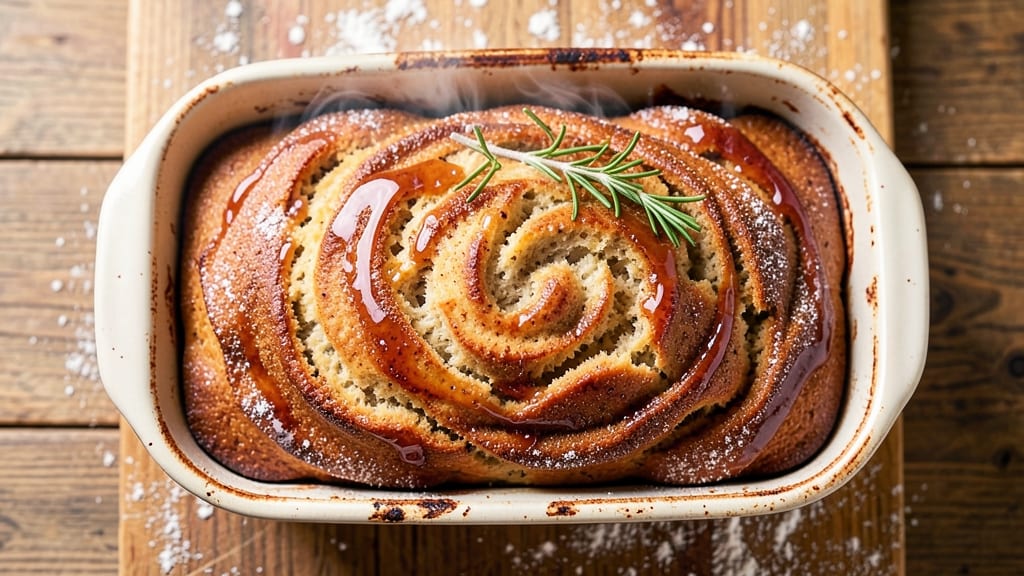
This apple cider cinnamon bread recipe transforms humble pantry staples into a fragrant, swirled loaf that smells like autumn in every bite. The secret lies in reducing apple cider into a concentrated syrup, then weaving it through cinnamon-spiced dough for layers of warmth and moisture.
I developed this recipe after years of experimenting with holiday breads—it’s the one that finally earned compliments even from my pickiest relatives.
The dough comes together in just 15 minutes, with a simple mix of flour, yeast, and butter that creates a tender crumb. What sets this apart is the filling: a blend of brown sugar, cinnamon, and the reduced cider that caramelizes beautifully during baking.
The bread bakes up with a golden crust and those signature swirls of spiced filling, making it perfect for breakfast toast or holiday gifting.
By the time it emerges from the oven, your kitchen will smell like a cozy orchard, and each slice will reveal tender, flaky layers with bursts of cinnamon and apple flavor.
The cider reduction adds depth without overpowering the bread’s natural sweetness, while the cinnamon swirls create pockets of warm, spiced goodness. This is the kind of bread that disappears faster than you can slice it.
Serve warm with butter or a drizzle of maple syrup for the full autumn experience. The recipe yields two loaves—one for today, one for tomorrow. Let’s get baking!
Ingredients for apple cider cinnamon bread
Twelve simple ingredients for two fragrant loaves that smell like autumn in every bite.
| Ingredient | Amount | Notes |
|---|---|---|
| All-Purpose Flour 🌾 | 5 cups | Plus 1 cup for dusting |
| Granulated Sugar 🍚 | ½ cup | For dough sweetness |
| Brown Sugar 🍚 | ½ cup | Packed, for filling |
| Unsalted Butter 🧈 | 1 cup | Cold, cubed, full-fat |
| Active Dry Yeast 🍞 | 2 ¼ tsp | Or 1 packet instant yeast |
| Apple Cider 🍎 | 1 ½ cups | Unsweetened, for reduction |
| Ground Cinnamon 🍃 | 2 tbsp | Plus 1 tbsp extra for filling |
| Salt 🧂 | 1 tsp | Kosher or sea salt |
| Large Eggs 🥚 | 1 whole | Room temperature |
| Milk 🥛 | ¼ cup | Warm, for yeast activation |
| Vanilla Extract 🌸 | 1 tsp | Pure vanilla preferred |
| Maple Syrup 🍁 | ¼ cup | For brushing crust |
| Coarse Sugar 🍚 | ¼ cup | For topping crust |
The apple cider makes this bread special—Mott's or Woodchuck are my go-tos, but any unsweetened kind works. You'll reduce it down to about 1/4 cup, so don't skimp on the quality. The flour? King Arthur or Bob's Red Mill are my favorites—they give that perfect tender crumb. For the cinnamon, McCormick or Penzeys brands have the best flavor punch. The butter should be cold when you cut it into cubes—this keeps the dough from getting too soft.
No apple cider? Unsweetened apple juice works in a pinch, but it won't have the same depth of flavor. Running short on brown sugar? Substitute white sugar plus 1/2 tsp molasses for that caramel note. The yeast packet expired? Test it first—drop it in warm water with a pinch of sugar, and if it bubbles in 5 minutes, it's good to go. For the milk, any kind works—dairy, almond, or oat—just make sure it's warm (about 110°F) when you mix it with the yeast. The vanilla extract should be pure—imitation won't cut it.
This dough needs time to rise—at least 1 hour, but up to 2 hours works better. Keep it in a warm spot, like near the oven with the light on. The filling can be prepped ahead and stored in the fridge for 24 hours—just let it sit at room temp for 10 minutes before using. The baked loaves keep well wrapped at room temp for 3 days, or freeze for up to 3 months. I always make two loaves—one for breakfast, one for gifting.
Why You'll Love This Recipe
- No Yeast Fuss: I swear by this—just toss in the yeast with warm water, let it sit while I chop apples (or skip it if I’m lazy and use canned cider). Five minutes later, it’s ready to mix, and no waiting around for dough to rise twice like some fussy sourdough.
- Cider-Soaked Sweetness: That buttery brown sugar swirl? It’s ridiculously good—like a hug for your taste buds. The apple cider syrup (or even just a splash of cider in the dough) gives it this warm, tangy depth that makes it taste like autumn in every bite.
- Breakfast or Snack Hero: Between us, this bread is my go-to for toast in the morning and a quick snack when I’m craving something sweet. The crust stays crispy for days, and the soft center? Perfect for spreading with butter or even slathering peanut butter on it.
- Leftovers That Won’t Let You Down: I make a big batch on Sundays, and it lasts me the week—no sad, stale bread here. The butter keeps it moist, and if I freeze slices, they toast up like they’re fresh. Plus, it’s cheap to make with pantry staples, so I’m always stocked.
Step-by-step instructions for apple cider cinnamon bread
Here's how to make this fragrant, spiced loaf with a gooey cinnamon-sugar swirl.
Activate the Yeast and Prepare the Dough
In a small bowl, combine the warm milk with 2.25 teaspoons active dry yeast and let it sit for 5-10 minutes until it becomes frothy. This tells you the yeast is alive and ready to work—if it doesn't bubble, your bread won't rise properly.
In a large mixing bowl, whisk together the 5 cups all-purpose flour, 0.5 cup granulated sugar, 2 tablespoons ground cinnamon, and 1 teaspoon salt. Cut in the 1 cup cold unsalted butter using a pastry cutter or your fingers until the mixture resembles coarse crumbs. Add the yeast mixture, 1 whole large egg, and 1 teaspoon vanilla extract. Mix until a shaggy dough forms.
Knead and Let the Dough Rise
Turn the dough onto a lightly floured surface and knead for 8-10 minutes until smooth and elastic. You'll know it's ready when it springs back slowly when poked. If the dough feels too sticky, add 1 tablespoon flour at a time until it comes together nicely.
Place the dough in a lightly greased bowl, cover with a damp towel, and let it rise in a warm place for 1-1.5 hours or until it has doubled in size. The kitchen should feel warm and cozy—this helps the dough rise faster. Poke the dough with your finger; if it leaves a slow-moving indent, it's ready for the next step.
Prepare the Cinnamon-Sugar Filling
In a small bowl, mix together 0.5 cup packed brown sugar, 1 tablespoon extra ground cinnamon, and 0.25 cup coarse sugar. This will be the star of your bread, adding sweet, spicy swirls throughout each slice. Set it aside while you prep the dough for rolling.
Roll, Fill, and Shape the Loaf
Roll the risen dough out on a floured surface into a 12x16-inch rectangle. Spread the 0.25 cup maple syrup evenly over the dough, leaving a ½-inch border around the edges. Sprinkle the cinnamon-sugar mixture evenly over the syrup, then roll the dough tightly into a log starting from the long side.
Place the log seam-side down in a 9x5-inch loaf pan that's been lightly greased. Cover the pan with a damp towel and let it rise for another 30-45 minutes until it's puffy and just about fills the pan. The dough should feel firm but still slightly springy to the touch.
Bake to Golden Perfection
Preheat your oven to 375°F. Brush the top of the dough with a little milk to help it brown beautifully. Bake for 45-50 minutes until the top is deep golden brown and the internal temperature reaches 190°F when checked with an instant-read thermometer.
Let the bread cool in the pan for 10 minutes, then transfer it to a wire rack to cool completely. This resting time is crucial—it lets the bread set and makes slicing much easier. Once cooled, slice into 12 even pieces and serve warm with a pat of butter or a drizzle of maple syrup. The aroma alone will have everyone gathering around the table!
Pro Tips For Making Apple Cider Cinnamon Bread
- Use Warm Cider, Not Cold: Skip the fridge—pour that apple cider straight from the pantry into your dough. Cold liquid slows the yeast down, and this bread needs to rise fast enough to capture that caramelized cider flavor. I learned this the hard way after a dough that took forever to proof and tasted flat.
- Brown the Butter First: Melt the butter until it’s nutty and golden—about 5 minutes in a saucepan—before mixing it into the dough. That extra depth of flavor cuts through the sweetness and makes the crust richer. (Yes, it’s an extra step, but your bread will taste like you spent all day baking.)
- Don’t Overmix the Dough: Once you add the yeast and flour, stop stirring after 2 minutes—even if it looks lumpy. Overworking the dough kills the gluten development and makes the bread dense. My first batch turned out like a brick because I kept folding it like I was kneading pizza dough.
- Proof Until It Jiggles: The dough should double in size and spring back slowly when poked—like a wobbly jelly. Rushing it to the oven too soon means a dense, gummy center. (Proofer or warm oven with the light on works best—no sad, slow-rising dough in a cold kitchen.)
Regional styles of this apple cider cinnamon bread
New England Orchard Style
In the apple-rich orchards of New England, this bread becomes a seasonal staple. Locals often use fresh-pressed cider from nearby farms like Honey Brook Farm or Cider Hill Farm, which adds a tart depth that balances the sweetness.
I like to replace half the granulated sugar with maple sugar (like Vermont Maple) for an extra autumnal note. Serve warm with clotted cream—a nod to traditional New England breakfast tables. 🍎
Southern Ciderhouse Twist
Down South, the tradition leans toward spiced cider in the filling. I’ve seen versions where the reduced cider is simmered with 1 cinnamon stick, 3 whole cloves, and 1 star anise for 10 minutes before using.
This infuses the bread with warm, aromatic notes that pair perfectly with peanut butter or sweet tea. The dough is often kneaded with a touch of honey (about 1 tablespoon) for extra moisture. 🌶️
Pacific Northwest Berry Fusion
Out West, bakers often blend apple cider with local berry compotes—like blackberry or raspberry—for a fruity twist. I’ll mix ½ cup reduced cider with ¼ cup unsweetened berry jam (like Mott’s or Cascadian Farm) before rolling it into the dough.
Top with toasted pecans for crunch, and you’ve got a bread that feels like a cozy autumn brunch. 🍇
Midwest Farmhouse Classic
The heartland version keeps it simple but hearty. Here, apple cider is often paired with molasses (about 1 tablespoon) in the filling for a deeper, almost gingerbread-like flavor. The dough might include a pinch of nutmeg (about ¼ teaspoon) for warmth.
Serve with buttery cornmeal on the side—a Midwest breakfast favorite. The loaves are often baked in cast-iron pans for extra crispiness. 🌾
Urban Bakery Adaptation
City bakeries love this bread but often swap apple cider for apple juice concentrate (like Mott’s) to simplify prep. They’ll also add a splash of bourbon (about 1 teaspoon) to the dough for depth, then top the baked loaf with flaky sea salt for contrast.
Perfect for brunch crowds or as a gift loaf with a handwritten tag. The crust gets extra crispy thanks to a egg wash brushed on before baking. 🏙️
Nutrition facts
Frequently asked questions
Can I use apple juice instead of apple cider?
Apple juice works in a pinch, but it won't have the same rich depth of flavor. For best results, stick with unsweetened apple cider—it adds a subtle tartness that balances the sweetness perfectly. If you must substitute, reduce 1 cup apple juice by half (simmer until thickened) to mimic the cider's concentration.
How do I know when the dough is fully risen?
When the dough has doubled in size and leaves a slow-moving indent when poked with your finger, it's ready! For extra accuracy, place a toothpick in the center—if it comes out clean with just a few dough bits, the yeast has done its job. First rise should take 1-1.5 hours in a warm spot.
Can I make this bread without a loaf pan?
Shape the rolled dough into a free-form loaf or braid for a rustic look. Place it on a parchment-lined baking sheet and bake for 35-40 minutes at 375°F, rotating halfway. Brush with milk for shine, and let cool completely before slicing—this prevents crumbling.
Why did my bread turn out dense?
Dense bread usually means the yeast didn't activate properly or the dough didn't rise enough. First, check your yeast—it should bubble in warm milk within 5-10 minutes. If not, try fresh yeast. Also, ensure your kitchen is warm (yeast loves 75-80°F) and give the dough plenty of time to rise—1.5 hours minimum.
How should I store leftovers?
Wrap cooled slices tightly in plastic wrap or store in an airtight container. At room temperature, it stays fresh for 3 days. For longer storage, freeze slices for up to 3 months. To reheat, wrap in foil and warm at 350°F for 5-10 minutes—the cinnamon filling will soften beautifully!