
Side Dishes
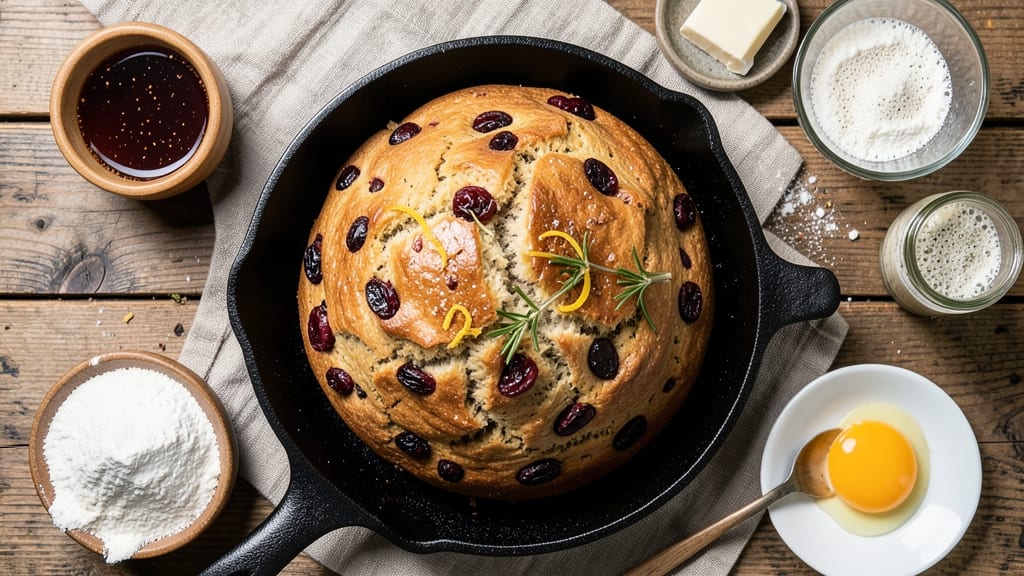
This apple cider raisin bread recipe brings autumn warmth to your kitchen with every golden-brown slice. The perfect blend of spiced apple cider and plump raisins creates a chewy, fragrant loaf that tastes like a cozy fall morning.
I developed this recipe after years of baking, refining the dough's texture and spice balance to ensure each bite delivers that signature apple cider aroma and tender crumb.
The secret to this bread lies in the slow fermentation and precise spice mix—cinnamon, nutmeg, and allspice—that infuse the dough with deep, aromatic flavors. You'll knead the dough just enough to develop gluten without overworking it, then let it rise twice for that signature chewy texture.
The raisins plump in the warm dough, releasing their sweetness perfectly when baked.
What you'll end up with is a beautifully domed loaf with a crackly crust and moist, spiced interior, where each slice reveals pockets of caramelized apple cider and juicy raisins.
The aroma alone will have everyone gathering around your kitchen, and the taste—warm, slightly sweet, with just the right amount of spice—makes it perfect for breakfast toast or afternoon tea.
This recipe yields one standard loaf, but it freezes beautifully for up to three months, making it ideal for holiday baking. For an extra-special touch, brush the baked loaf with a simple apple cider glaze—just simmer equal parts apple cider and sugar until slightly thickened, then cool before brushing.
Let's get baking!
Ingredients for apple cider raisin bread
Pantry staples plus a few fall favorites for that signature apple cider warmth.
| Ingredient | Amount | Notes |
|---|---|---|
| All-Purpose Flour 🌾 | 5 cups | Spooned and leveled, not scooped |
| Granulated Sugar 🍚 | ¾ cup | White or light brown |
| Unsalted Butter 🧈 | ½ cup | Cold, cubed for easier mixing |
| Apple Cider 🍎 | 1 ½ cups | Unsweetened, room temperature |
| Large Eggs 🥚 | 2 whole | Room temperature for best rise |
| Active Dry Yeast 🍞 | 2 ¼ tsp | Or 1 packet instant yeast |
| Warm Water 💧 | 1 ¼ cups | 110°F (43°C) for yeast activation |
| Raisins 🍇 | 1 ½ cups | Plump, golden raisins preferred |
| Ground Cinnamon 🌿 | 1 ½ tsp | Freshly ground for best flavor |
| Ground Nutmeg 🌿 | ½ tsp | Freshly grated preferred |
| Ground Allspice 🌶️ | ½ tsp | Or substitute with cloves |
| Salt 🧂 | 1 tsp | Kosher or sea salt |
| Milk 🥛 | ¼ cup | Warmed for dough tenderness |
The flour is your foundation—King Arthur or Gold Medal work best for that perfect chewy texture. Raisins? Sun-Maid golden raisins are my go-to, but any plump raisins will do. The apple cider should be unsweetened—Mott's or local orchard brands add the best autumnal flavor. For the spices, Penzeys or bulk bins give you the freshest, most aromatic options. If you're using instant yeast, just mix it directly with the flour—no need to proof it first.
No apple cider? Unsweetened apple juice works in a pinch. Freshly ground spices make all the difference—if you've got whole spices, toast and grind them first. The butter should be cold when you mix it in, but soft enough to creame easily. For a dairy-free option, Earth Balance vegan butter works perfectly. Plumping the raisins? Toss them in warm water for 10 minutes, then drain before adding to the dough. The milk can be any kind—dairy, almond, or oat—just make sure it's warmed to room temperature.
This dough needs time to develop flavor—let it rise in a warm spot for 1.5-2 hours until doubled. Shape it into a loaf pan lined with parchment paper for easy removal. For extra shine, brush the baked loaf with a mix of equal parts apple cider and sugar while still warm. Keeps beautifully at room temperature for 3 days, or freeze the whole loaf for up to 3 months. I always bake two—one for breakfast, one to freeze for holiday mornings.
Why You'll Love This Recipe
- No-Yeast Hassle: I swear by this recipe when I forget yeast or just don’t want to wait. The warmth of apple cider and raisins does all the magic—no proofing, no stress, just mix and bake. My lazy Sundays thank me every time.
- Spiced Comfort in Every Slice: That first bite? Warm, buttery layers with raisins plumping up like little bursts of jam, all wrapped in the cozy tang of apple cider. Honestly, it’s the kind of bread that makes your kitchen smell like autumn and nostalgia.
- Breakfast to Brunch Hero: I keep a loaf in the freezer just for this: toast it thick, slather with butter, and drizzle with honey for a breakfast that feels fancy. Or tear it into chunks for a quick brunch charcuterie—no one judges the crumbs.
- Budget-Friendly Staple: Flour, sugar, butter—pantry basics—and the apple cider adds depth without breaking the bank. A single batch feeds my family for days, and the leftovers? Perfect for French toast or bread pudding. Zero waste, all win.
Step-by-step instructions for apple cider raisin bread
Let's make this cozy bread with layers of spiced apple cider flavor and chewy texture.
Activate the Yeast with Warm Apple Cider
In a small bowl, combine the 1.25 cups warm water (about 110°F) with the 1.5 cups apple cider and 2.25 teaspoons active dry yeast. Stir gently and let it sit for 5-10 minutes until it becomes frothy and bubbly. This is your signal the yeast is alive and ready to work its magic.
If the mixture doesn't bubble after 10 minutes, your yeast might be dead—start fresh with a new packet. I've had this happen when yeast sat too long in the fridge, so always check the expiration date first. The warm cider will infuse the dough with that signature apple aroma right from the start.
Mix the Dough Until Just Combined
In a large mixing bowl, whisk together the 5 cups all-purpose flour, 0.75 cup granulated sugar, 1.5 teaspoons ground cinnamon, 0.5 teaspoon ground nutmeg, 0.5 teaspoon ground allspice, and 1 teaspoon salt. Create a well in the center and pour in the yeast mixture, 2 whole large eggs, 0.5 cup cold cubed unsalted butter, and 0.25 cup warm milk.
Using a wooden spoon or dough whisk, stir until everything comes together into a shaggy dough. You'll notice the butter will still be cold and in chunks at first—that's perfect. Mix just until the dough forms a rough mass, about 2-3 minutes. Overmixing develops gluten too early, which can make the bread dense instead of tender.
Knead the Dough for Maximum Flavor Development
Turn the dough onto a lightly floured surface and knead for 8-10 minutes until smooth and elastic. I press down with the heel of my hand, fold the dough over, and rotate—this motion builds strength while keeping the raisins distributed. The dough should spring back slightly when pressed.
Here's a pro tip: If the dough feels too sticky, add flour 1 tablespoon at a time until it's just manageable. Too much flour makes the bread dry, so we're aiming for just enough to handle it without making it tough. Once kneaded, place the dough back in the bowl, cover with a clean kitchen towel, and let it rise in a warm place for 1-1.5 hours or until doubled in size.
Fold in Raisins and Shape the Loaf
After the first rise, gently punch down the dough and fold in the 1.5 cups raisins by hand. The raisins will soak up some of the dough's moisture, so don't worry if they don't distribute perfectly—just make sure they're mostly incorporated. Shape the dough into a single loaf by pulling the sides toward the center and sealing the seam.
Place the shaped loaf back in the greased bowl, cover, and let it rise again for 30-45 minutes until it's puffy and just about ready to bake. The second rise is shorter because we're working with a stiffer dough now thanks to the raisins. You'll know it's ready when the top moves away from the sides of the bowl when gently pressed.
Bake to Golden Perfection
Preheat your oven to 375°F and place a rack in the lower third position. When the oven is hot, carefully transfer the dough to a parchment-lined baking sheet. Bake for 30-35 minutes until the bread is deep golden brown and sounds hollow when tapped on the bottom.
For that perfect crust, I like to brush the top with a little more apple cider right after removing it from the oven. This creates a glossy finish and intensifies the apple flavor. Let the bread cool on a wire rack for at least 20 minutes before slicing—this prevents a gummy interior. The aroma filling your kitchen will make every minute of waiting worthwhile!
Pro Tips For Making Apple Cider Raisin Bread
- MEASURE CIDER COLD: Warm apple cider turns into a sticky mess when mixed with butter and sugar—trust me, I’ve seen it happen. Use chilled cider straight from the fridge so the butter stays firm and the dough doesn’t get gummy. If your kitchen’s warm, pop the cider in the freezer for 10 minutes first.
- MIX DRY INGREDIENTS FIRST: This isn’t just a recipe step—it’s the thing that keeps your bread from turning out dense. Whisk flour, baking soda, and salt together before adding wet ingredients. I used to skip this and ended up with a heavy loaf that tasted more like a brick than bread.
- DON’T OVERMIX THE DOUGH: The moment raisins get incorporated, stop stirring. Overworking the dough develops too much gluten, and your bread will be tough instead of tender. Fold them in just until distributed—yes, some will stay clumped, and that’s fine.
- USE A THERMOMETER FOR BREAD: The oven light might say “done,” but visual cues lie with this recipe. The internal temp should hit 190–195°F—any lower and the center stays gummy. I learned this after cutting into a loaf that was almost done and getting a sad, wet center. Worth the $10 tool.
Dietary considerations for these flavors
Gluten-Free Adaptation
For a gluten-free version, swap the all-purpose flour for a 1:1 gluten-free baking blend like King Arthur Measure for Measure or Bob's Red Mill. You'll need to add 1 teaspoon xanthan gum to help bind the dough and mimic gluten's structure.
Replace the warm milk with unsweetened almond milk and reduce the apple cider to 1 cup to prevent excess moisture. Let the dough rise for 30-45 minutes (gluten-free dough rises faster) and bake at 375°F for 35-40 minutes until fully set. 🌾
Vegan Substitutions
To make this bread vegan, replace the 2 eggs with 2 tablespoons ground flaxseed mixed with 6 tablespoons water (let it sit for 5 minutes to thicken). Use Earth Balance vegan butter and unsweetened almond milk for the milk.
For yeast activation, ensure the warm water is 110°F—vegan dough behaves similarly but may need 5-10 extra minutes in the oven to fully bake. The texture will be slightly denser but still delicious. 🥛
Lower Sugar Option
Reduce the granulated sugar to ½ cup and replace the remaining ¼ cup with unsweetened applesauce for natural sweetness. Use monk fruit sweetener (¼ cup) if you prefer zero sugar—it blends well without altering the dough's texture.
The raisins will still provide sweetness, and the applesauce adds moisture. Taste the dough before baking and adjust with 1-2 teaspoons extra cinnamon if needed. 🍎
Nut-Free Version
If you're avoiding nuts, skip any nut-based flours or butters. Stick to the original recipe but ensure all cross-contamination risks are eliminated—use separate utensils and clean surfaces thoroughly.
For extra richness, add 1 tablespoon honey to the dough (if not avoiding honey) or 1 tablespoon maple syrup for a vegan-friendly alternative. The bread will still be moist and flavorful without nuts. 🌿
Allergen-Friendly Tips
For dairy-free and egg-free versions, always use certified gluten-free oats if adding oat milk to avoid cross-contamination. Store ingredients separately and use dedicated tools for mixing.
If avoiding yeast, try a quick bread version with baking soda (replace yeast with 1½ teaspoons baking soda + 1 tablespoon vinegar)—this skips the rise but keeps the raisin and spice flavors intact. 💡
Nutrition facts
Frequently asked questions
Why does my apple cider raisin bread turn out dense?
Overmixing the dough or kneading too long develops excess gluten, making the bread dense. Mix just until combined in Step 2, then knead for 8-10 minutes max. Also ensure your yeast is fresh—dead yeast won't create enough air bubbles for a light texture. Cold butter can also contribute to density, so make sure it's softened but not melted.
Can I substitute dried cranberries for raisins?
Use the same amount (1.5 cups) of dried cranberries for a tart twist. Soak them in warm water for 10 minutes first to plump them up. The acidity will balance beautifully with the sweet apple cider, creating a more complex flavor profile. Just reduce the sugar slightly to ½ cup if you prefer less sweetness.
How do I make this bread extra moist?
Add 1 tablespoon honey or 2 tablespoons unsweetened applesauce to the dough for moisture. You can also replace 2 tablespoons of the warm water with apple cider reduction** (simmer ½ cup apple cider until thickened). Brush the baked loaf with extra cider glaze while warm for a glossy finish that locks in moisture.
What's the best way to store apple cider raisin bread?
Wrap the cooled loaf tightly in plastic wrap or aluminum foil to prevent drying. Store at room temperature for 3-4 days or freeze for up to 3 months. For reheating, wrap a slice in foil and warm in a 350°F oven for 5-8 minutes. The bread freezes beautifully—thaw overnight in the fridge for best texture.
Can I add chopped apples to this recipe?
Yes! Toss 1 cup diced apple (peeled and cored) with 1 teaspoon lemon juice to prevent browning, then fold into the dough after the first rise. Use a firm apple like Granny Smith for texture. Reduce the raisins to 1 cup to balance moisture. The apples will caramelize slightly during baking, adding another layer of flavor.