
Desserts
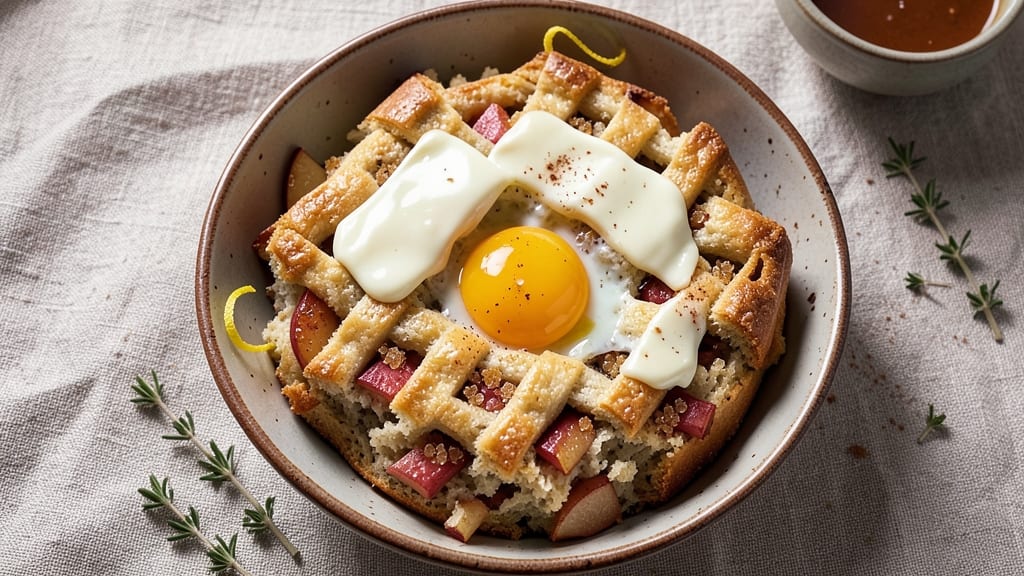
This apple pie sourdough bread recipe merges the cozy warmth of apple pie with the rustic charm of artisanal sourdough—imagine a loaf with golden edges, tender crumb, and pockets of spiced apple filling.
The secret lies in balancing sourdough fermentation with pie dough techniques, creating a dessert that’s both comforting and impressive. I’ve perfected this fusion after years of baking, ensuring every slice delivers that perfect blend of tangy sourdough and sweet, spiced apple.
The magic happens in two stages: first, a robust sourdough starter infuses the dough with depth, while a hidden apple filling—studded with cinnamon and brown sugar—transforms it into a dessert loaf. No need for a pie dish; this recipe uses a standard loaf pan, making it approachable for home bakers.
The crust stays crispy, the center remains tender, and the apple filling caramelizes just enough to create pockets of gooey sweetness. It’s the kind of recipe that turns a simple loaf into a showstopper.
Baked to a golden brown, this bread is best enjoyed warm, straight from the oven, with a pat of butter or a drizzle of honey. The sourdough’s tang cuts through the sweetness, while the apple filling adds a surprising depth that keeps it interesting.
Whether you serve it as dessert, breakfast, or a special treat, it’s a loaf that feels like a hug in bread form. Ready to bake?
This recipe is designed for foolproof results, even if you’re new to sourdough. The instructions walk you through every step, from feeding your starter to shaping the dough and baking the loaf. No fancy equipment needed—just patience and a little love. Let’s get started on creating something truly special.
Ingredients for apple pie sourdough bread
This loaf brings apple pie warmth to sourdough's rustic charm with just twelve simple ingredients.
| Ingredient | Amount | Notes |
|---|---|---|
| Active Sourdough Starter 🍞 | 1 cup | Unfed, room temperature |
| All-Purpose Flour 🌾 | 3 ½ cups | Plus 1 tbsp for dusting |
| Granulated Sugar 🍚 | ¼ cup | White or brown sugar |
| Unsalted Butter 🧈 | ½ cup | Cold, cubed for dough |
| Large Eggs 🥚 | 1 whole | Room temperature |
| Granny Smith Apples 🍎 | 1 ½ lb | Peeled, finely diced |
| Light Brown Sugar 🍚 | ¼ cup | Packed, for filling |
| Ground Cinnamon 🌿 | 1 ½ tsp | Freshly ground preferred |
| Salt 🧂 | 1 tsp | Fine sea salt |
| Vanilla Extract 🥄 | ½ tsp | Pure vanilla preferred |
| Whole Milk 🥛 | ¼ cup | Warmed slightly |
| Lemon Zest 🍋 | 1 tsp | From 1 small lemon |
The apples are non-negotiable—Granny Smiths give that bright, tangy kick that balances the sweet filling. Organic apples from the store work fine, but local farmers markets often have better flavor. If you can't find Granny Smiths, Honeycrisp or Fuji are solid backups. The key is to peel and dice them small—think fine breadcrumbs. I always toss them with a pinch of salt and let them sit for 10 minutes before mixing into the filling. That draws out moisture and prevents a soggy loaf. For the sourdough starter, King Arthur or Bob's Red Mill flours work best if you're making your own—just feed it daily for 5-7 days before using.
No Granny Smiths? Any tart apple variety will do—just add a splash more lemon juice to keep the filling bright. The brown sugar can be swapped for white if that's what you've got, but the molasses notes in light brown sugar are worth hunting down. Short on vanilla? Almond extract at half the amount works in a pinch, though it has a different flavor profile. The milk can be any kind—whole, 2%, even almond milk—but whole gives the dough that extra richness. For the flour, King Arthur or Gold Medal are my go-tos; they handle the extra moisture from the apples better than some store brands. And if you're worried about the dough being too sticky, add an extra tablespoon of flour when shaping.
This loaf tastes best fresh from the oven, but leftovers keep well for 3 days in an airtight container. For longer storage, slice and freeze—up to 3 months. I like to wrap the whole loaf in parchment paper and then foil before freezing, then reheat slices in a toaster or oven. The filling stays gooey when reheated, which is the whole point. And if you're making this ahead for a gathering, the dough can be shaped and chilled overnight—just let it come to room temp before baking. The flavors develop even more overnight, making it worth the extra time.
Why You'll Love This Recipe
- No-Fuss Mix-In: I swear by this dough—just toss in your sourdough starter, fold in the sugar and butter, and let the apples do the work. The dough’s forgiving, so even if I overwork it (guilty), the flavor stays rich.
- Caramelized Apple Magic: That sugar-butter combo turns the apples into little pockets of warmth—think soft, spiced apple chunks with a buttery crust. Honestly, it tastes like autumn in every bite, but with zero pie fuss.
- Weeknight Workhorse: Slice it for toast, pack it for lunches, or serve it warm with jam. My kids grab it straight from the fridge, and honestly? That’s the best compliment when they’re too busy to complain about leftovers.
- Budget-Friendly Luxury: Uses pantry staples—flour, sugar, butter—plus whatever apples you have. I’ve made this with store-brand butter and still got bread that feels like a treat, not a splurge.
Step-by-step instructions for apple pie sourdough bread
This bread combines the tangy depth of sourdough with warm apple pie spices for a rich, crusty loaf.
Prepare the Apple Filling
Peel and finely dice the 1.5 lb Granny Smith apples into small, even pieces—about ¼-inch cubes. This ensures even cooking and a consistent texture throughout the bread. Transfer the diced apples to a medium bowl and stir in the 0.25 cup light brown sugar, 1.5 tsp ground cinnamon, 0.5 tsp vanilla extract, and 1 tsp lemon zest. The lemon zest brightens the apples while the cinnamon adds warmth. Let the mixture sit for 10 minutes to allow the flavors to meld—you'll notice the apples soften slightly and release their juices.
This step is where the magic begins. The combination of tart Granny Smith apples with sweet brown sugar and aromatic cinnamon creates the perfect balance. Don't skip the lemon zest—it cuts through the richness and adds a subtle citrus note that elevates the whole dish. If you're using pre-peeled apples, make sure they're fresh to avoid a watery filling.
Mix the Dough
In a large mixing bowl, combine the 1 cup active sourdough starter (unfed and at room temperature), 3.5 cups all-purpose flour, 0.25 cup granulated sugar, and 1 tsp salt. Stir with a wooden spoon until a shaggy dough forms—you'll see dry patches, and that's okay. This is the base that will capture the apple filling beautifully.
In a separate small bowl, melt the 0.5 cup unsalted butter in the microwave for 15-20 seconds or until just soft. Add the 1 whole large egg (room temperature) and 0.25 cup warmed whole milk to the melted butter, then whisk until smooth. Pour this wet mixture into the dry ingredients and stir until fully combined. The dough will come together into a soft, slightly sticky ball. If it feels too dry, add 1 teaspoon of milk at a time until it holds together when pressed.
Incorporate the Apple Filling
Create a well in the center of the dough and gently press in the apple mixture, distributing it evenly. The filling should be fully enveloped by the dough, but don't overwork it—just enough to combine. The goal is to create a cohesive loaf with pockets of apple filling throughout. If the dough feels too sticky, wet your hands slightly to prevent sticking while handling.
Shape the dough into a round loaf by bringing the edges together and sealing them gently. Place it seam-side down on a lightly floured surface and let it rest for 15 minutes. This brief rest allows the dough to relax and makes shaping easier. While it rests, preheat your oven to 375°F and line a baking sheet with parchment paper.
Shape and Proof the Dough
After the rest, shape the dough into a round loaf again, this time tucking the edges more firmly to create a smooth surface. Place the loaf on the prepared baking sheet, seam-side down, and cover it loosely with a clean kitchen towel. Let it proof for 1 to 1.5 hours in a warm, draft-free place until it has nearly doubled in size. You'll know it's ready when it springs back slowly when pressed gently with a finger.
Proofing is crucial for a light, airy interior. If your kitchen is cold, place the covered loaf near a warm oven (with the oven off) to encourage rising. The dough should puff up noticeably and develop a slight domed shape. Avoid over-proofing, or the loaf may collapse during baking. Once fully proofed, the dough should feel firm yet still slightly soft to the touch.
Bake to Golden Perfection
Bake the loaf at 375°F for 35 to 40 minutes, until the top is deep golden brown and the internal temperature reaches 190°F. The edges should be crispy, and the aroma should fill your kitchen with warm apple and cinnamon notes. If the top browns too quickly, tent the loaf with foil after 20 minutes to prevent over-browning while ensuring the interior cooks through.
Remove the loaf from the oven and let it cool on a wire rack for at least 30 minutes before slicing. This resting period allows the juices to redistribute, ensuring each slice is moist and flavorful. The crust should be crisp and golden, while the interior should be tender with pockets of warm apple filling. Serve warm with a pat of butter or a drizzle of honey for the ultimate comfort food experience.
Pro Tips For Making Apple Pie Sourdough Bread
- Chill the Dough: Let the shaped loaf rest in the fridge overnight—yes, even if you’re eager to bake. I used to rush this, and my bread always turned out dense. Cold fermentation slows the yeast just enough to let the sourdough’s flavor develop properly and makes slicing easier later.
- Soften the Butter: Use softened (but not melted) butter for the dough—press it into the flour with your fingers until it’s pea-sized clumps, not a greasy mess. I learned this the hard way after a batch turned out greasy and gummy. Room temperature butter (65°F) works best.
- Skip the Overmixing: Mix the dough just until the flour is incorporated—no need to chase a smooth texture. Overworking it kills the sourdough’s wild yeast and makes the crumb tough. Stop when the dough pulls away from the bowl in shaggy strands.
- Use Warm Starter: Feed your sourdough starter 4-6 hours before using it—it should be bubbly and at room temperature (75-80°F). Cold starter slows fermentation, and overfed starter can make the bread gummy. Test by dropping a spoonful in water; if it floats, it’s ready.
Creative variations of these flavors
Spiced Rum Swirl
For a boozy twist, stir 1 tbsp dark rum into the apple filling before mixing it into the dough. The alcohol cooks off during baking, leaving behind warm, caramelized notes that deepen the apple flavor.
I like to add ½ tsp ground nutmeg alongside the cinnamon for extra depth—this variation feels like dessert in every bite. 🍷
Caramelized Onion Twist
Sauté 1 cup thinly sliced yellow onions in 2 tbsp butter until deeply caramelized (about 25 minutes on medium-low heat). Fold these into the apple filling before incorporating into the dough.
The sweet, jammy onions create pockets of intense flavor that pair perfectly with the sourdough’s tang. This version tastes even better the next day as flavors meld.
Nutty Crunch Topping
Before baking, sprinkle the proofed loaf with a mix of ¼ cup chopped walnuts and 2 tbsp coarse sugar. Press lightly into the top so they stick. The nuts toast during baking, adding crunch and a buttery richness that contrasts the soft interior.
For extra decadence, drizzle with 2 tbsp melted butter after baking while still warm.
Cream Cheese Swirl
Mix 4 oz softened cream cheese with 1 tbsp brown sugar and ½ tsp vanilla extract, then swirl dollops into the dough alongside the apple filling.
The cream cheese adds a luxurious tang that cuts through the sweetness. This version feels like a cross between bread and cheesecake—perfect for breakfast or dessert. 🧀
Cider-Infused Dough
Replace ¼ cup of the milk in the dough with ¼ cup dry apple cider (like Martinelli's). The cider’s acidity brightens the apples while adding subtle fruit notes.
For extra flavor, reduce 2 tbsp cider to 1 tbsp syrup by simmering on the stove, then stir into the filling. This variation tastes like autumn in every bite.
Ginger Snap Crust
Roll out ½ cup crushed gingersnaps mixed with 2 tbsp melted butter and press onto the bottom of your loaf pan before shaping the dough. After baking, the crust adds a spicy, molasses-like crunch that contrasts beautifully with the tender apple filling.
This version feels like a dessert loaf with a pie crust—no pie dish required! 🍪
Nutrition facts
Frequently asked questions
Can I make this without a sourdough starter?
Yes! For a quick version, replace the 1 cup sourdough starter with 1 cup buttermilk or plain yogurt and add 1 tsp baking soda to the dry ingredients. The tang will be milder, but you’ll still get that cozy apple-spice flavor. For best results, use a 1:1 sourdough starter substitute like this to maintain the bread’s structure.
How do I know when the apple filling is ready to mix into the dough?
The filling is ready after 10 minutes of resting—it should look slightly softened with released juices. Press the apples gently with a spoon; if they release moisture, they’re perfect. Over-mixing here can make the dough too wet, so just stir until combined. The filling should be thick enough to hold its shape when pressed into the dough.
Why did my loaf turn out dense instead of light and airy?
Dense loaves usually happen from over-proofing (dough rises too long) or under-proofing (not enough time). Aim for 1-1.5 hours until the dough nearly doubles and springs back slowly when pressed. Also, ensure your sourdough starter is active—if it’s sluggish, it won’t provide enough lift. For extra lightness, fold the dough gently 2-3 times during proofing to develop gluten.
Can I make this in a different pan shape?
Use a 9x5-inch loaf pan for a taller loaf or a 9-inch round cake pang for a shorter, wider version. For a free-form shape, bake on a parchment-lined sheet and score the top before baking. Just adjust baking time—smaller pans may need 5-10 minutes less, while larger shapes could take 10-15 minutes more.
How do I reheat slices without drying them out?
Wrap slices in a damp paper towel and warm in a 350°F oven for 5-7 minutes or use the toaster oven on low heat. For microwave reheating, cover with a damp cloth and heat for 10-15 seconds. The steam keeps the apple filling gooey while warming the crust. Avoid high heat—it turns the crust rubbery!