
Side Dishes
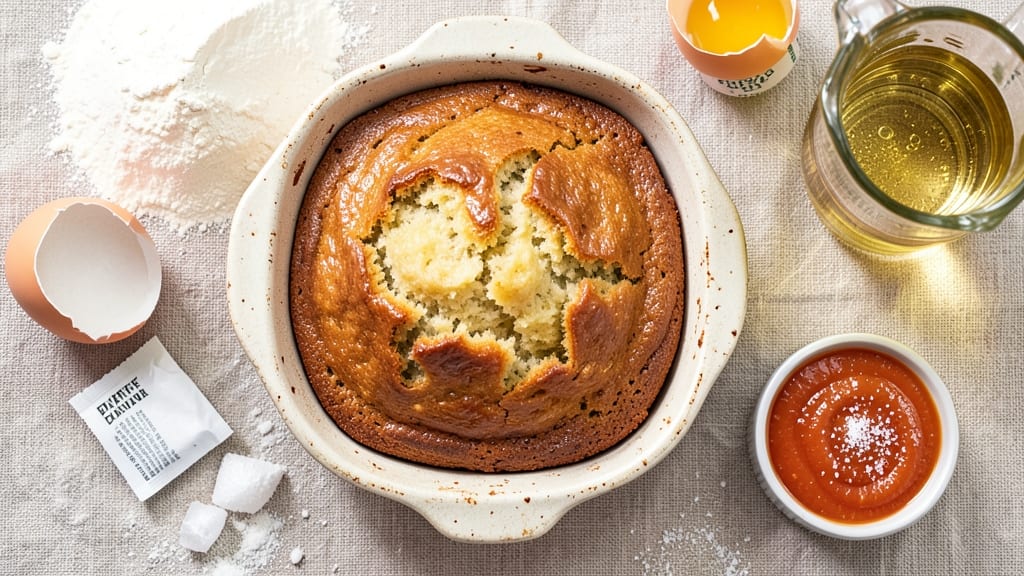
This applesauce loaf bread recipe delivers the perfect balance of sweet spice and tender crumb—no dense, dry loaf in sight. The secret lies in applesauce replacing some of the fat, creating a moist yet sturdy texture that stays fresh for days.
I developed this version after years of testing, ensuring every slice has that signature harmony of cinnamon warmth and subtle fruit sweetness.
What sets this recipe apart is the foolproof technique for achieving a light, airy crumb without compromising structure. The applesauce doesn't just add moisture—it interacts with the spices to create layers of flavor that develop as the loaf bakes.
A simple egg wash and optional glaze elevate the presentation, making it perfect for holiday tables or everyday comfort.
The result is a golden-brown loaf with a tender interior that's neither too sweet nor too bland—just right. Each slice maintains its moisture for hours, making it ideal for sandwiches, toast, or serving alongside soups.
The spices infuse the dough evenly, creating that signature warm aroma that fills your kitchen while baking.
Whether you're baking for a crowd or treating yourself to homemade bread, this recipe delivers restaurant-quality results with minimal effort. The ingredients are simple, the method straightforward, and the outcome consistently impressive. Let's get started on creating your perfect loaf.
Ingredients for applesauce loaf bread
Simple pantry staples transform into a moist, spiced loaf with applesauce magic.
| Ingredient | Amount | Notes |
|---|---|---|
| All-Purpose Flour 🌾 | 4 cups | Sifted for light texture |
| Unsweetened Applesauce 🍎 | 1 cup | Unseasoned, unsweetened |
| Granulated Sugar 🍚 | ½ cup | Light brown sugar for depth |
| Large Eggs 🥚 | 2 whole | Room temperature for even mixing |
| Active Dry Yeast 🍞 | 2 ¼ tsp | Freshly opened for potency |
| Warm Water 💧 | 1 cup | 110°F for yeast activation |
| Unsalted Butter 🧈 | ½ cup | Cold, cubed for easier mixing |
| Ground Cinnamon 🌿 | 1 ½ tsp | True cinnamon, not cassia |
| Ground Nutmeg 🌶️ | ½ tsp | Freshly grated for warmth |
| Salt 🧂 | 1 tsp | Diamond Crystal kosher |
| Large Egg 🥚 | 1 whole | For egg wash |
| Milk 🥛 | 1 tbsp | For egg wash richness |
| Optional Glaze 🍬 | ½ cup | Powdered sugar + milk |
The applesauce is non-negotiable here—it's what creates that signature tender crumb. Grab the unsweetened kind from the baking aisle (none of that pre-seasoned stuff). For flour, King Arthur or Gold Medal are my go-tos—they handle the extra moisture better than budget brands. The yeast? Freshly opened is key—if it's been sitting in your pantry for months, toss it. And that butter? Cold cubes mix in beautifully without melting into the dough too soon. The cinnamon and nutmeg should be freshly ground if possible—pre-ground spices lose their punch fast.
No applesauce? Unsweetened applesauce pouches from the baby food aisle work in a pinch, but strain out any chunks. Running short on butter? Coconut oil at the same amount gives a similar texture, though it'll have a slight coconut flavor. The egg wash can be made with just water if you're avoiding dairy, though the milk adds that perfect sheen. For the glaze, powdered sugar from the cake aisle dissolves best—none of that clumpy confectioners' sugar. And if you're worried about the dough being too sticky, add 1 tbsp more flour as needed, but don't overdo it or you'll lose that tender crumb.
This loaf keeps beautifully—3 days wrapped at room temperature or 1 week in the fridge if you slice and freeze the pieces. For maximum freshness, wrap tightly in plastic wrap after cooling. The aroma while baking? Worth every minute—that cinnamon warmth fills the kitchen. And if you make a double batch (trust me, you will), freeze half for when you're craving fresh bread but don't want to bake. Just thaw overnight and warm in a 350°F oven for 10 minutes to revive that bakery-fresh feel.
Why You'll Love This Recipe
- No Yeast Fuss: I swear by this trick—just mix the yeast with warm applesauce first, let it sit while I prep the rest. That little pause means no waiting around for dough to rise; it’s ready to bake faster than you can chop an apple.
- Sweet Moist Magic: The applesauce doesn’t just add moisture—it gives this loaf a tender crumb with a subtle, natural sweetness that pairs perfectly with butter or jam. Honestly, I’ve never had a dry loaf of bread again.
- Weeknight Workhorse: This bread is my go-to for sandwiches, toast, or even French toast—no fancy shaping, no stress. Between us, I’ve fed a crowd with slices straight from the pan, and no one ever asks what’s in it.
- Pantry Staple Hack: Applesauce stretches the dough just right—less flour, less waste, and it keeps beautifully for days. I make two loaves on Sunday, freeze one, and still have fresh bread all week. Budget win.
Step-by-step instructions for applesauce loaf bread
Here's how to create a tender, spiced loaf with that perfect moist crumb and sweet harmony.
Activate the Yeast for Maximum Rise
In a small bowl, combine the 1 cup warm water (about 110°F—test by touching your wrist, it should feel warm but not hot) with the 2.25 teaspoons active dry yeast. Let it sit for 5-10 minutes until it becomes frothy and bubbly. This is your signal the yeast is alive and ready to work its magic.
If the mixture doesn't bubble after 10 minutes, your yeast may be dead—start fresh with a new packet. I always check this step carefully because active yeast is the foundation of a light, airy loaf. Once it's bubbly, proceed immediately to avoid overproofing.
Mix the Wet Ingredients with Applesauce
In a large mixing bowl, whisk together the 1 cup unsweetened applesauce, 0.5 cup granulated sugar, 2 whole large eggs, and the yeast mixture. The applesauce will give your bread that signature moisture, while the sugar feeds the yeast and adds subtle sweetness. Mix until completely combined—this prevents dry spots in the final loaf.
Next, cut the 0.5 cup unsalted butter into small cubes and add them to the wet mixture. Use a wooden spoon or rubber spatula to work the butter in until it's fully incorporated but still slightly lumpy. Cold butter creates pockets of steam during baking, which makes the bread extra tender. Don't overmix here—just until everything is evenly distributed.
Combine Dry Ingredients and Form the Dough
In a separate bowl, whisk together the 4 cups all-purpose flour, 1.5 teaspoons ground cinnamon, 0.5 teaspoon ground nutmeg, and 1 teaspoon salt. Sifting the flour first ensures a light, airy texture—don't skip this step. Gradually add the dry ingredients to the wet mixture, stirring gently with a wooden spoon until a shaggy dough forms.
Turn the dough onto a lightly floured surface and knead for 5-7 minutes until smooth and elastic. You'll know it's ready when it springs back slightly when poked. The applesauce makes this dough stickier than usual, so wet your hands occasionally to prevent sticking. Shape the dough into a smooth ball and place it in a lightly greased bowl.
First Rise and Shape for Perfect Texture
Cover the bowl with a damp towel and let the dough rise in a warm place for 1-1.5 hours, or until it has doubled in size. A warm oven with the light on works perfectly for this—it creates an ideal environment for the yeast to work its magic. The dough should feel light and airy when pressed gently with a finger.
Once risen, punch down the dough to release air and shape it into a 9x5-inch loaf pan. Brush the sides of the pan with softened butter to prevent sticking. For extra shine and flavor, whisk together the 1 whole large egg and 1 tablespoon milk, then brush this egg wash over the top of the dough. This creates a beautiful golden crust and adds richness.
Bake to Golden Perfection with Sweet Spice Notes
Preheat your oven to 350°F and place the loaf pan inside to warm for 10 minutes. This ensures even baking from the start. Bake the loaf for 45-50 minutes, until the top is golden brown and the internal temperature reaches 190°F when measured with an instant-read thermometer.
For that extra-special touch, prepare the 0.5 cup optional glaze by whisking together 0.25 cup powdered sugar and 2 tablespoons milk until smooth. As soon as the loaf comes out of the oven, brush the glaze over the warm bread. Let it cool in the pan for 10 minutes, then transfer to a wire rack to cool completely. The glaze will give it that bakery-fresh finish you can't resist.
Pro Tips For Making Applesauce Loaf Bread
- Warm the applesauce first: I learned this the hard way—cold applesauce sinks like a stone in dough. Mixing it in at room temperature (about 10 minutes in a warm bowl) keeps the texture smooth and prevents that weird dense pocket where the applesauce never fully incorporates. Trust me, your loaf will rise better.
- Use a kitchen scale: Measuring flour by scooping and leveling is how you end up with a brick instead of a loaf. This recipe relies on yeast, and too much flour kills the rise. Weigh your flour (about 350g for most recipes) for consistent results—no more guessing if your dough is too stiff or too sticky.
- Don’t overmix after adding yeast: Once you toss in the yeast, sugar, and warm water, stop mixing after 30 seconds. Overworking it activates the gluten too much, and your loaf turns out tough instead of tender. Let the yeast do its thing—just fold gently until combined.
- Brush with egg wash early: Skip the last-minute egg wash if you’re in a hurry. Brush the loaf with a thin layer of beaten egg (1 egg + 1 tbsp water) after shaping but before final proofing. It adds shine and helps the crust brown faster—no waiting for the oven to do all the work. (Pro move: Add 1 tsp sugar to the wash for extra caramelization.)
Dietary considerations for this dish
Gluten-Free Adaptation
For a gluten-free version, replace the 4 cups all-purpose flour with a high-quality blend like King Arthur Gluten-Free Measure for Measure Flour. Use 1 cup plus 2 tablespoons of the blend to match the protein structure of regular flour.
Add 1 teaspoon xanthan gum to improve elasticity, as gluten-free doughs lack natural gluten for structure. The applesauce will still provide moisture, but expect a slightly denser crumb. Bake at 350°F for 50-55 minutes—gluten-free loaves need extra time to fully cook. 💫
Dairy-Free Options
Skip the butter entirely and replace it with 0.5 cup coconut oil, chilled until firm. For the egg wash, use 1 tablespoon aquafaba (chickpea brine) or 1 tablespoon melted dairy-free margarine mixed with 1 tablespoon water.
The coconut oil adds richness without dairy, though it imparts a subtle coconut flavor. If you're avoiding eggs entirely, the glaze can be made with 2 tablespoons melted coconut oil and 0.25 cup powdered sugar instead. The texture remains tender, though slightly less glossy.
Lower Sugar Version
Reduce the granulated sugar to 0.25 cup and replace the remaining 0.25 cup with unsweetened applesauce (total 1.25 cups applesauce). Use a sugar substitute like erythritol or monk fruit sweetener if you prefer zero sugar—measure 1:1 by weight for the 0.25 cup reduction.
The applesauce's natural sweetness will still shine, but the loaf will be less sweet overall. Taste the dough before baking and adjust spices (like cinnamon) up to 2 teaspoons to enhance flavor without sugar.
Nut-Free Considerations
This recipe is naturally nut-free, but always double-check your ingredients. The unsweetened applesauce and powdered sugar should be labeled nut-free. For added safety, prepare the bread in a nut-free kitchen zone—cross-contamination can occur easily. If you're also avoiding eggs, the dairy-free tips above apply here.
The texture remains soft and moist, though the absence of eggs may slightly reduce the loaf's rise. Use 1 tablespoon ground flaxseed mixed with 3 tablespoons water as an egg substitute in the wet ingredients.
Allergen-Friendly Storage
Store gluten-free or allergen-adapted loaves in an airtight container with a slice of bread or parchment paper to prevent drying. Gluten-free versions stay fresh for 2-3 days at room temperature or 1 week refrigerated. For longer storage, slice the loaf and freeze individual pieces in quart-sized freezer bags.
Thaw at room temperature for 1 hour or warm in a 300°F oven for 5-7 minutes to revive freshness. Always label allergen-specific loaves clearly to avoid mix-ups. ✨
Nutrition facts
Frequently asked questions
Why does this recipe use applesauce instead of oil?
The applesauce creates a moist, tender crumb while adding natural sweetness without making the loaf too dense. It replaces some of the fat (like butter or oil) but keeps the texture light and airy. The applesauce also enhances the cinnamon and nutmeg flavors as they bake, creating that signature warm aroma.
Can I make this bread without a loaf pan?
Yes! Shape the dough into a round or oval on a baking sheet lined with parchment paper. Bake for 35-40 minutes at 350°F until golden brown. For extra crispiness, brush with melted butter halfway through baking. The texture will be slightly different but still delicious—perfect for sandwiches or toast!
How do I know when the loaf is fully baked?
Look for a golden-brown crust and use an instant-read thermometer to check the internal temperature—it should reach 190°F. If you don't have a thermometer, tap the bottom of the loaf: it should sound hollow when done. Let it cool in the pan for 10 minutes before transferring to a wire rack to prevent sinking.
What if my dough doesn't rise properly?
Check your yeast first—it should be fresh (within 4 months) and dissolved in 110°F water (not too hot). If the dough rises slowly, place it in a warm oven with the light on or use a proofing box. Overproofing (too long) or underproofing (too short) can both cause issues. For extra insurance, add 1/4 teaspoon more yeast if your kitchen is cold.
Can I add dried fruit like raisins or cranberries?
Fold in 1/2 cup dried fruit (chopped if large) during the final kneading step. Soak the fruit in warm water for 10 minutes first to plump it up. Start with 1/4 cup if you're unsure about sweetness, as dried fruit adds extra moisture. The texture will be slightly denser but still tender.